
Ohio Senior Housing Low Income


Large Print Keyboard

Orthopedic Pillow

Smart Digital Photo Frame
Finding affordable senior housing in Ohio doesn’t have to be overwhelming. This guide covers low-income housing options, financial assistance programs, application tips, and real-life resources to help older adults secure safe, comfortable, and dignified living arrangements.
Key Takeaways
- Ohio offers multiple low-income senior housing options: From Section 202 housing to state-subsidized apartments, there are safe and affordable choices across the state.
- Government programs like HUD and Medicaid can help cover costs: These programs provide rental assistance, home modifications, and supportive services for eligible seniors.
- Income and age requirements vary by program: Most require applicants to be 62 or older and meet specific income limits based on area median income.
- Applying early is crucial: Waitlists for subsidized housing can be long—sometimes years—so start the process as soon as possible.
- Nonprofits and local agencies offer free help: Organizations like Area Agencies on Aging provide guidance, application support, and housing counseling.
- Supportive services enhance quality of life: Many low-income senior housing communities offer meal programs, transportation, and wellness activities.
- Know your rights as a tenant: Seniors are protected under fair housing laws and cannot be discriminated against based on age or income source.
📑 Table of Contents
- Finding Affordable Senior Housing in Ohio: A Complete Guide
- Understanding Ohio Senior Housing Low Income Options
- Eligibility Requirements for Low-Income Senior Housing
- How to Apply for Ohio Senior Housing Low Income Programs
- Financial Assistance and Support Programs for Seniors
- Supportive Services and Quality of Life in Senior Housing
- Resources and Organizations to Help You Find Housing
- Real-Life Example: Finding Housing in Columbus
- Conclusion
Finding Affordable Senior Housing in Ohio: A Complete Guide
As we age, the cost of living can become a major concern—especially when fixed incomes like Social Security or pensions don’t stretch as far as they used to. For many older adults in Ohio, finding safe, comfortable, and affordable housing is a top priority. The good news? There are numerous Ohio senior housing low income options designed specifically to support seniors who need financial assistance.
Whether you’re a senior yourself or helping a loved one navigate housing choices, this guide will walk you through everything you need to know. From government-funded apartments to nonprofit-run communities, we’ll explore the best resources, eligibility requirements, and application tips to make the process smoother. You’ll also learn about supportive services that go beyond just a roof over your head—like meals, transportation, and social activities—that can greatly improve quality of life.
Ohio is home to a wide range of housing solutions for low-income seniors, and many of these options are often underutilized simply because people don’t know they exist. With rising rent prices and limited availability in some areas, it’s more important than ever to understand your options and act early. This article will help you do just that—empowering you with knowledge, practical steps, and real-world examples to secure the best possible living situation.
Understanding Ohio Senior Housing Low Income Options
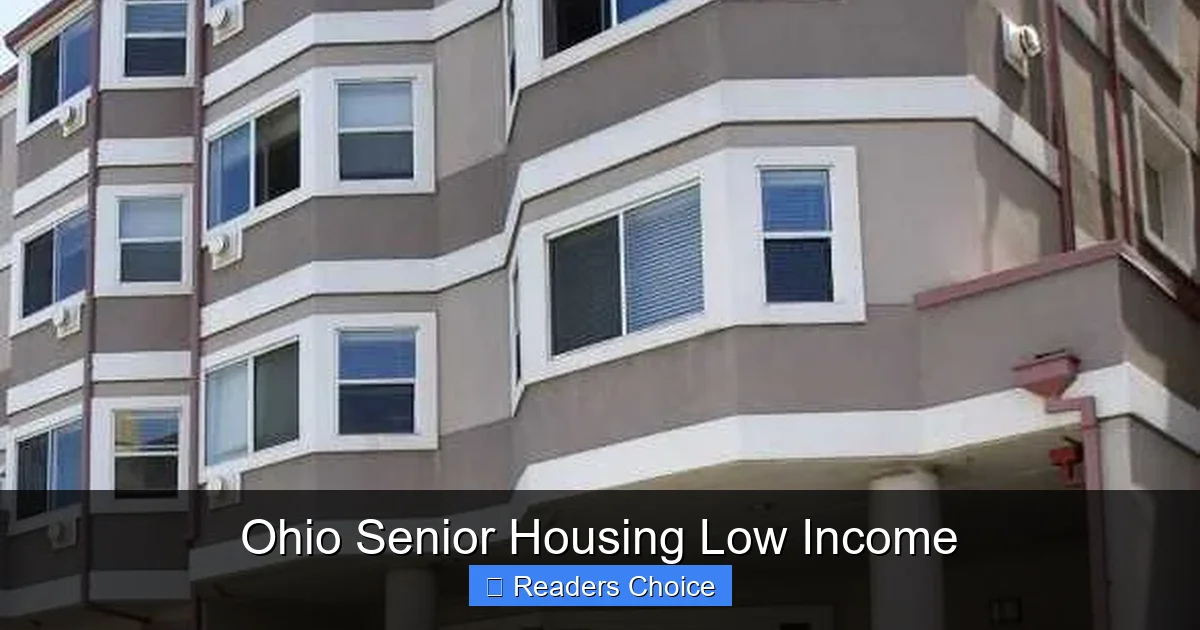
Visual guide about Ohio Senior Housing Low Income
Image source: publichousing.com
When it comes to affordable senior housing in Ohio, there’s no one-size-fits-all solution. Instead, there’s a network of programs and communities tailored to different needs, income levels, and lifestyles. The key is knowing where to look and how to qualify.
One of the most common types of low-income senior housing is subsidized housing, often funded by the U.S. Department of Housing and Urban Development (HUD). These properties offer reduced rent based on your income—typically 30% of your adjusted monthly income. That means if you earn $1,500 a month, your rent might be around $450, making it much more manageable.
Another major category is public housing, managed by local housing authorities. These are government-owned apartments or complexes that offer affordable rent to low-income individuals, including seniors. While not all public housing is age-restricted, many communities have designated buildings or floors for older adults.
Then there are nonprofit and faith-based organizations that operate senior housing with support from grants and donations. These often include additional services like on-site meal programs, wellness checks, and social events. Some even offer transitional housing for seniors moving from hospitals or rehab centers.
It’s also worth noting that some senior housing communities are “mixed-income,” meaning they accept both low-income and market-rate tenants. This can create a more diverse and vibrant community while still offering affordability for those who qualify.
Types of Low-Income Senior Housing in Ohio
Let’s break down the main types of Ohio senior housing low income options available:
1. HUD Section 202 Supportive Housing for the Elderly: This is one of the most well-known programs for low-income seniors. Section 202 provides interest-free loans to private developers to build and operate housing for seniors 62 and older. Rent is based on income, and many properties include supportive services like meal delivery, transportation, and health screenings.
2. Public Housing: Managed by local housing authorities such as the Columbus Metropolitan Housing Authority or the Cleveland Metropolitan Housing Authority, public housing offers affordable apartments to eligible seniors. These units are often in urban areas and may have waiting lists, so applying early is essential.
3. Low-Income Housing Tax Credit (LIHTC) Properties: These are privately owned apartments that receive tax incentives in exchange for offering reduced rents to low-income tenants. Many LIHTC properties have senior-specific buildings or units. They’re often newer and well-maintained, with amenities like community rooms and fitness centers.
4. Nonprofit and Faith-Based Senior Housing: Organizations like Catholic Charities, Lutheran Social Services, and local senior centers often run housing programs. For example, Catholic Charities in Cincinnati operates several senior apartment complexes with sliding-scale rent and on-site social workers.
5. Rural Senior Housing (USDA Section 515): If you live in a rural part of Ohio, you may qualify for USDA-funded housing. These properties are designed for low- to moderate-income seniors in small towns and offer very affordable rent. They often include utilities and basic maintenance.
Each of these options has its own application process, eligibility rules, and benefits. The best choice depends on your location, income, health needs, and personal preferences.
Eligibility Requirements for Low-Income Senior Housing
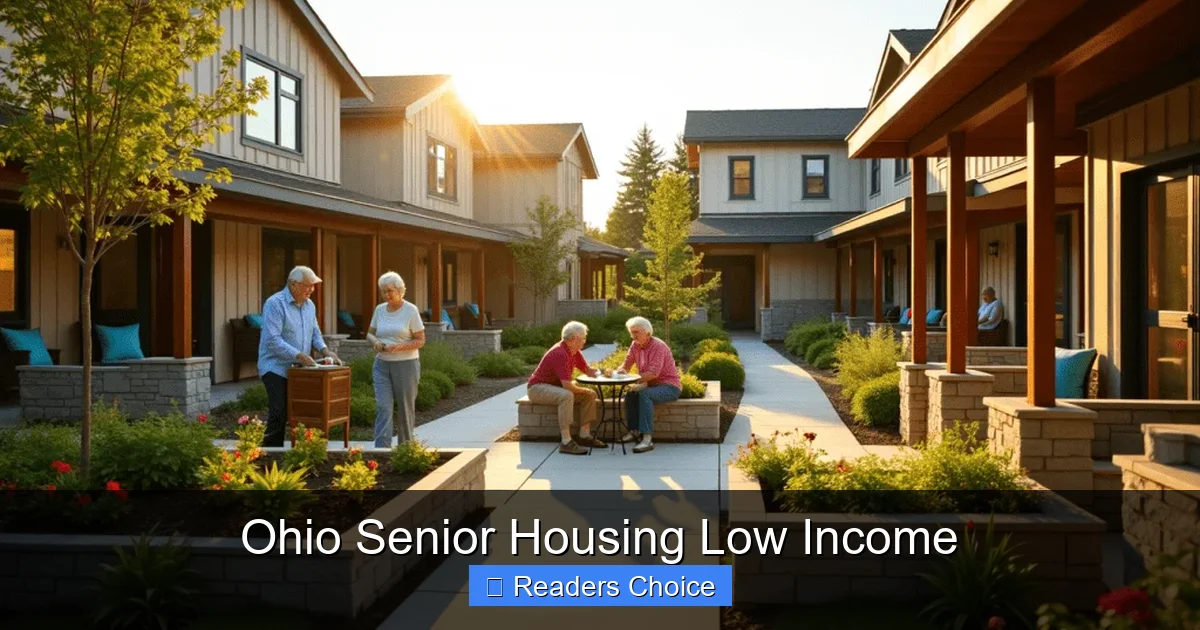
Visual guide about Ohio Senior Housing Low Income
Image source: seniorsite.org
Before you start applying, it’s important to understand the eligibility criteria for Ohio senior housing low income programs. While each program has its own rules, most follow similar guidelines based on age, income, and residency.
Age Requirement: Nearly all low-income senior housing programs require applicants to be at least 62 years old. Some communities may accept younger individuals with disabilities, but the majority are designed for older adults.
Income Limits: This is the most critical factor. Your income must fall below a certain threshold, usually based on the Area Median Income (AMI) for your county. For example, in Franklin County (Columbus), a single senior earning less than $35,000 per year might qualify for most programs. In more rural areas like Athens County, the limit could be lower.
Income includes Social Security, pensions, retirement accounts, alimony, and any other regular payments. However, certain assets like your primary home, one vehicle, and personal belongings are typically not counted.
Residency and Citizenship: You must be a U.S. citizen or eligible non-citizen and a resident of Ohio. Some programs may require you to have lived in the state for a certain period, but this varies.
Criminal Background Checks: Most housing providers conduct background checks. While a minor offense may not disqualify you, serious crimes—especially those involving violence or drugs—can result in denial. Be honest on your application and explain any past issues if asked.
Health and Mobility Considerations: Some housing communities are designed for independent seniors, while others offer assisted living or memory care. If you need help with daily activities, look for properties that provide supportive services or partner with home health agencies.
How to Calculate Your Eligibility
To determine if you qualify, start by checking your annual income against the HUD income limits for your county. You can find these on the HUD website or by contacting your local housing authority.
For example, let’s say you’re a single senior living in Cuyahoga County (Cleveland). In 2024, the low-income limit for a one-person household is around $42,000. If your total annual income is $30,000, you’d likely qualify for most programs.
Keep in mind that “adjusted income” may be used for rent calculations. This means certain deductions—like medical expenses over 3% of your income—can lower your rent payment. Always ask about these deductions when applying.
How to Apply for Ohio Senior Housing Low Income Programs
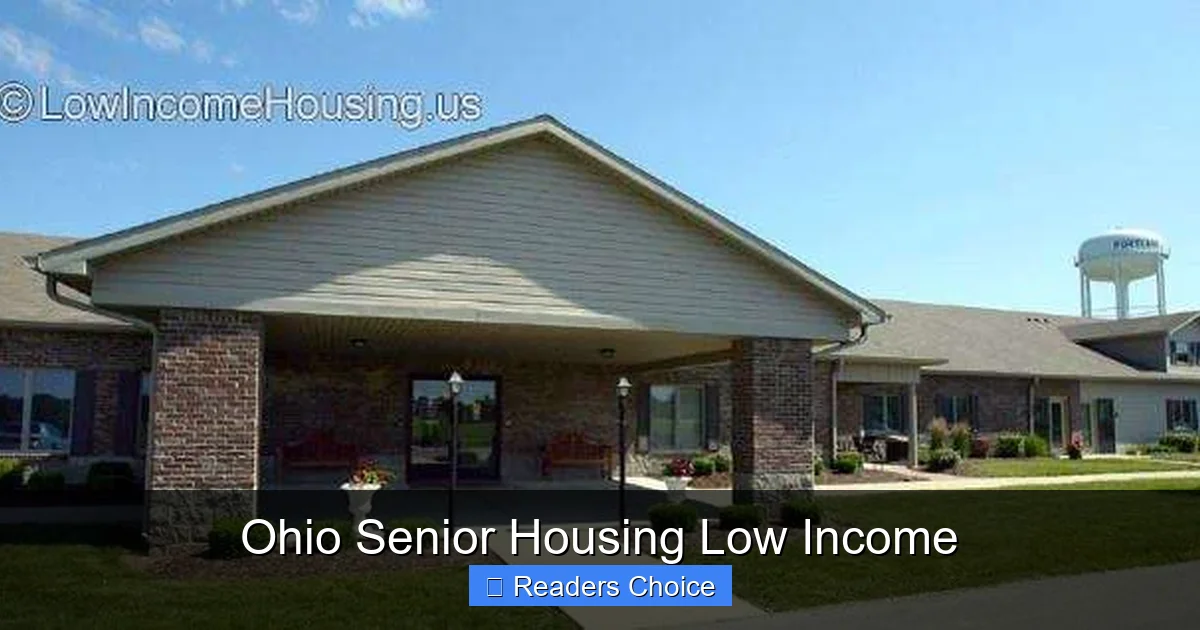
Visual guide about Ohio Senior Housing Low Income
Image source: lowincomehousing.us
Applying for low-income senior housing can feel daunting, but with the right preparation, it’s very manageable. The key is to start early, gather your documents, and follow the process carefully.
Most applications are submitted directly to the housing provider—whether it’s a HUD property, a public housing authority, or a nonprofit organization. Some allow online applications, while others require paper forms or in-person visits.
Step-by-Step Application Process
1. Research Available Properties: Use resources like the HUD Resource Locator, Ohio Housing Finance Agency (OHFA) website, or local Area Agencies on Aging to find senior housing options in your area. Make a list of 5–10 properties that interest you.
2. Check Waitlist Status: Many popular properties have long waitlists—sometimes 1–3 years. Call or visit the property to ask about current wait times and whether they’re accepting new applications.
3. Gather Required Documents: You’ll typically need:
– Proof of age (birth certificate or driver’s license)
– Proof of income (Social Security award letter, pension statements, tax returns)
– Proof of residency (utility bill or lease)
– Identification (Social Security card, passport)
– Medical records (if applying for supportive services)
4. Complete the Application: Fill out the form accurately and completely. If you’re unsure about a question, ask for help. Many housing offices offer application assistance.
5. Submit and Follow Up: Submit your application and keep a copy. Follow up every few weeks to check your status. If you’re on a waitlist, update your contact information if it changes.
6. Prepare for an Interview: Some programs require an in-person or phone interview. Be ready to discuss your income, living situation, and needs.
Tips for a Successful Application
– Apply to multiple properties: Don’t put all your hopes on one place. The more applications you submit, the better your chances.
– Ask for help: Local agencies, senior centers, and nonprofits often provide free application assistance. For example, the Central Ohio Area Agency on Aging offers housing counseling and can help you navigate the process.
– Be honest and thorough: Incomplete or inaccurate applications are often rejected. Double-check everything before submitting.
– Keep records: Save copies of all documents and correspondence. This will help if there’s a dispute or if you need to reapply.
Financial Assistance and Support Programs for Seniors
Even with subsidized housing, some seniors may still struggle with other costs like utilities, medications, or home repairs. Fortunately, Ohio offers several financial assistance programs to help fill the gap.
Housing Choice Voucher Program (Section 8)
This HUD program provides rental assistance that you can use in privately owned apartments, not just government housing. If you qualify, you pay 30% of your income toward rent, and the voucher covers the rest. You can use it in any participating property, giving you more flexibility.
To apply, contact your local public housing authority. Waitlists can be long, so apply as soon as possible. In some areas, seniors and people with disabilities are given priority.
Medicaid and Home and Community-Based Services (HCBS)
If you need help with daily activities but want to stay in your own home or apartment, Medicaid’s HCBS waiver programs can help. These services include personal care, meal delivery, home modifications, and transportation.
In Ohio, programs like the PASSPORT waiver are designed specifically for seniors. They allow you to receive care at home instead of moving to a nursing facility. To qualify, you must meet income and functional eligibility requirements.
Low-Income Home Energy Assistance Program (LIHEAP)
Heating and cooling costs can be a major burden. LIHEAP provides one-time financial assistance to help low-income households pay their energy bills. Seniors are often given priority, and the application period typically runs from November to March.
Supplemental Security Income (SSI)
SSI is a federal program that provides monthly cash payments to low-income seniors and people with disabilities. In 2024, the maximum federal benefit is $943 per month for an individual. This can help cover rent, food, and other essentials.
Property Tax Relief Programs
Ohio offers several property tax relief options for seniors, including the Homestead Exemption. If you own your home and are 65 or older (or permanently disabled), you may qualify for a reduction in your property taxes. This can free up money for housing-related expenses.
Supportive Services and Quality of Life in Senior Housing
Affordable rent is important, but so is quality of life. Many Ohio senior housing low income communities go beyond basic shelter to offer services that promote health, safety, and social connection.
On-Site Amenities and Activities
Look for properties that offer:
– Community rooms for events and gatherings
– Fitness centers or wellness programs
– Libraries or computer labs
– Gardens or outdoor spaces
– Organized trips and outings
These features help combat loneliness and keep seniors active and engaged. For example, the Willow Creek Senior Apartments in Toledo hosts weekly bingo nights, health seminars, and holiday parties.
Supportive Services
Many communities partner with local agencies to provide:
– Meal delivery or on-site dining
– Transportation to medical appointments
– Health screenings and flu shots
– Case management and social work support
– Emergency call systems in each unit
These services can make a big difference, especially for seniors with chronic health conditions or limited mobility.
Safety and Accessibility Features
Low-income senior housing should be safe and accessible. Look for features like:
– Grab bars in bathrooms
– Walk-in showers
– Elevators and ramps
– Emergency pull cords
– 24-hour security or staff presence
These features help prevent falls and ensure help is available when needed.
Resources and Organizations to Help You Find Housing
You don’t have to navigate this process alone. Ohio has a strong network of organizations dedicated to helping seniors find affordable housing and access support services.
Ohio Housing Finance Agency (OHFA)
OHFA offers a searchable database of affordable rental properties, including senior housing. You can filter by location, income level, and amenities. They also provide information on down payment assistance and homebuyer programs.
Area Agencies on Aging (AAA)
Ohio has 12 Area Agencies on Aging that serve different regions. They offer free counseling, application assistance, and referrals to housing programs. For example, the AAA in Northeast Ohio helps seniors apply for Section 8 vouchers and find accessible housing.
2-1-1 Ohio
Dial 2-1-1 or visit 211ohio.org to connect with local resources. This free service can help you find housing, food assistance, transportation, and more. It’s available 24/7 and staffed by trained specialists.
Local Housing Authorities
Each major city in Ohio has a housing authority that manages public housing and Section 8 vouchers. Contact them directly to learn about available units and application procedures.
Nonprofit Organizations
Groups like AARP Ohio, the Ohio Senior Citizens Hall of Fame, and local senior centers often host workshops and provide housing guides. They can also connect you with volunteers who help seniors fill out forms.
Real-Life Example: Finding Housing in Columbus
Let’s say you’re a 68-year-old widow living in Columbus. You receive $1,800 per month from Social Security and have $5,000 in savings. Your rent is $900, which is stretching your budget.
You decide to look into Ohio senior housing low income options. After researching, you find the following:
– Maplewood Senior Apartments: A HUD Section 202 property with rent based on income. You apply and are placed on a waitlist.
– Columbus Metropolitan Housing Authority: You apply for public housing and a Section 8 voucher. Both have waitlists, but you’re told seniors are prioritized.
– Senior Independence of Ohio: A nonprofit that helps seniors find affordable housing. They assist you with applications and connect you with a case manager.
– PASSPORT Waiver Program: You apply and qualify for home care services, including meal delivery and transportation.
After six months, you’re offered a unit at Maplewood. Your rent is now $540 per month—30% of your income. You also receive weekly meals and access to a community van for doctor visits. Your quality of life improves dramatically.
This example shows how combining multiple resources can lead to a successful outcome.
Conclusion
Finding affordable senior housing in Ohio doesn’t have to be a stressful or impossible task. With a wide range of Ohio senior housing low income options—from HUD-funded apartments to nonprofit communities—there are solutions for nearly every situation. The key is to start early, understand your eligibility, and take advantage of the many support programs available.
Remember, you’re not alone. Local agencies, housing authorities, and nonprofit organizations are there to help. Whether you need help filling out an application, finding a property, or accessing services, support is just a phone call away.
By staying informed and proactive, you can secure safe, comfortable, and dignified housing that allows you to enjoy your golden years with peace of mind. Don’t wait—start your search today and take the first step toward a better living situation.
Frequently Asked Questions
What is the income limit for low-income senior housing in Ohio?
Income limits vary by county and program, but generally, seniors must earn less than 50–80% of the Area Median Income (AMI). For example, in Franklin County, a single senior earning under $35,000 may qualify. Check HUD or your local housing authority for exact figures.
Can I apply for multiple senior housing programs at once?
Yes, you can and should apply to multiple properties and programs. This increases your chances of finding an available unit. Just be sure to update each provider if your contact information changes.
How long are the waitlists for senior housing in Ohio?
Waitlists can range from a few months to over two years, depending on the property and location. Urban areas like Cleveland and Columbus often have longer waits. Apply as early as possible and follow up regularly.
Do I have to be a U.S. citizen to qualify for low-income senior housing?
You must be a U.S. citizen or an eligible non-citizen (such as a lawful permanent resident). Documentation will be required during the application process.
Can I use a Section 8 voucher in senior housing?
Yes, if the property accepts Housing Choice Vouchers. Many senior housing communities do, but it’s best to confirm with the landlord or property manager before applying.
What if I need help with daily activities but want to stay in my own home?
You may qualify for Medicaid’s PASSPORT waiver program, which provides in-home care services like personal assistance, meal delivery, and home modifications. Contact your local Area Agency on Aging to learn more.