
Senior Citizen Rent Increase Exemption


Reacher Grabber Tool

Toilet Seat Bidet Attachment

Adjustable Walker with Wheels
Senior citizen rent increase exemption programs help protect elderly renters from sudden or excessive rent hikes, ensuring affordable housing stability. These exemptions vary by state but often require meeting age and income criteria. Understanding your local options can save you thousands annually.
Key Takeaways
- Eligibility varies by state: Most programs require applicants to be 60+, though some start at 55. Income limits also apply—typically under $30,000 annually for a single person.
- Not all landlords must comply: Some senior housing complexes or subsidized units are exempt, so confirm with your landlord whether the exemption applies to your lease.
- Application deadlines matter: Many states have annual filing windows (e.g., January–March), so don’t miss out—late applications may result in retroactive denial.
- Rent caps are common: Exemptions often limit rent increases to inflation or a small percentage (like 5%), protecting seniors from predatory pricing.
- Documentation is key: Be ready to submit proof of age (birth certificate or ID), income statements, and current lease agreements.
- Appeals process exists: If denied, most states allow you to contest the decision within 30 days with additional evidence or assistance from a housing advocate.
- Renewal is required yearly: Even if approved once, you must reapply each year—failure to do so ends protection immediately.
📑 Table of Contents
- Introduction: Why Senior Citizens Need Rent Protection
- What Is a Senior Citizen Rent Increase Exemption?
- Who Qualifies for the Exemption?
- How to Apply for the Exemption
- State-by-State Overview of Senior Rent Protections
- What Happens If Your Application Is Denied?
- Tips for Maximizing Your Benefits
- Conclusion: Your Housing Security Starts Now
Introduction: Why Senior Citizens Need Rent Protection
Imagine living on a fixed income where every dollar counts—especially when housing eats up half your paycheck. For many senior citizens, rising rents aren’t just an inconvenience; they’re a threat to stability, health, and independence. That’s where senior citizen rent increase exemption programs come in. These legal protections aim to shield older adults from unfair or sudden rent hikes, ensuring that affordable housing remains just that—affordable.
But here’s the catch: these programs aren’t automatic. They exist in many states across the U.S., but each has its own rules, deadlines, and paperwork. Missing a step could mean losing critical financial relief. Whether you’re a 62-year-old renter in Florida or a 70-year-old in Oregon, understanding how these exemptions work can literally change your life. In this article, we’ll walk through everything you need—from who qualifies to how to apply—so you can confidently navigate the system and keep more money in your pocket.
What Is a Senior Citizen Rent Increase Exemption?
A senior citizen rent increase exemption is a legal safeguard designed to prevent landlords from raising rents excessively for tenants aged 55 and older (or sometimes 60+). The goal? To maintain housing affordability as seniors retire on fixed incomes like Social Security or pensions. While not available everywhere, these programs are especially common in states with high living costs or strong tenant advocacy.
Visual guide about Senior Citizen Rent Increase Exemption
Image source: data.templateroller.com
How It Works: Real-Life Examples
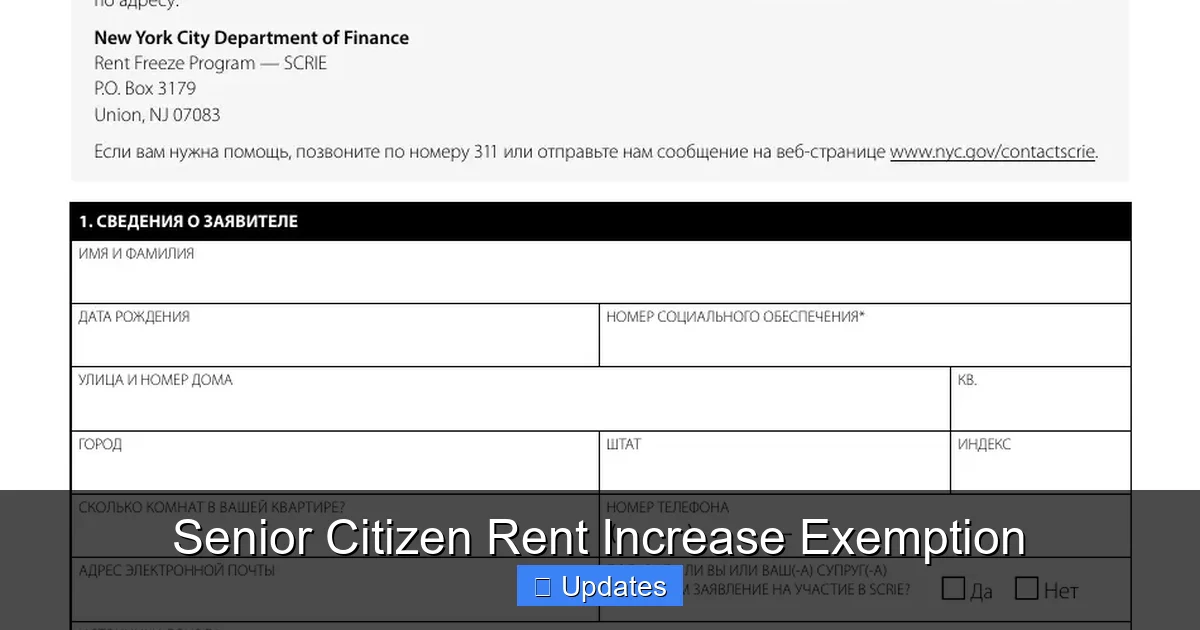
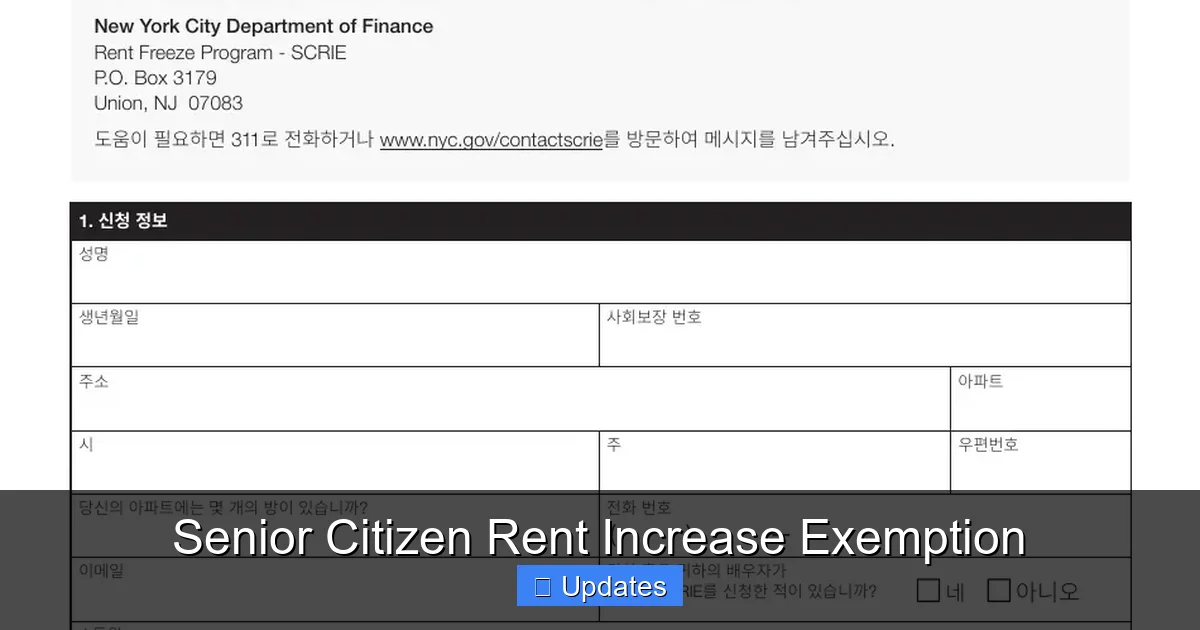
In California, for instance, seniors over 62 can cap annual rent increases at the local Consumer Price Index (CPI) plus 3%. Without the exemption, a landlord might hike rent by 15% overnight—something few seniors can afford. Similarly, in New York City, the Senior Citizen Rent Increase Exemption (SCRIE) program freezes rent for qualified applicants, meaning no increase at all during their tenancy.
These exemptions typically apply only to residential leases—not commercial properties or short-term rentals. And importantly, they don’t cover utilities or other fees unless specified in local law. Always read your lease carefully and ask your landlord if the exemption applies to your unit.
Common Misconceptions Debunked
Many seniors assume that once they turn 60, landlords must freeze their rent forever. Not true. Most exemptions set clear limits—either percentage-based caps or time-bound freezes. Others require annual renewal. Another myth? That all senior housing automatically qualifies. Nope—only designated buildings or units under specific programs receive this protection.
Who Qualifies for the Exemption?
Eligibility depends heavily on where you live, but most programs follow similar patterns. Generally, you must meet three core criteria: age, income, and residency status.
Visual guide about Senior Citizen Rent Increase Exemption
Image source: data.templateroller.com
Age Requirements Vary by State
While 60 is the national standard, some states lower the bar:
- Alaska: 55+
- Florida: 62+
- Illinois: 62+
- New York: 62+
Check your state’s Department of Housing website for exact thresholds. Remember, being close to the cutoff doesn’t guarantee approval—income and documentation matter just as much.
Income Limits Are Crucial
Most exemptions use federal poverty guidelines or median household income data. For example:
- In Texas, single seniors must earn under $34,000/year to qualify for certain protections.
- Oregon caps eligibility at 80% of area median income (AMI).
If your income spikes due to inheritance or freelance work, you may lose eligibility mid-year—even if you were approved before.
Residency and Lease Status Matter Too
You generally must be a U.S. citizen or lawful permanent resident. Temporary visitors or undocumented immigrants usually can’t apply. As for leases, most programs cover existing tenants—not new move-ins—unless the building participates in a special senior housing initiative.
How to Apply for the Exemption
The application process blends government bureaucracy with personal detail. But don’t panic—it’s manageable if you prepare ahead of time.
Visual guide about Senior Citizen Rent Increase Exemption
Image source: data.templateroller.com
Gather Your Documents First
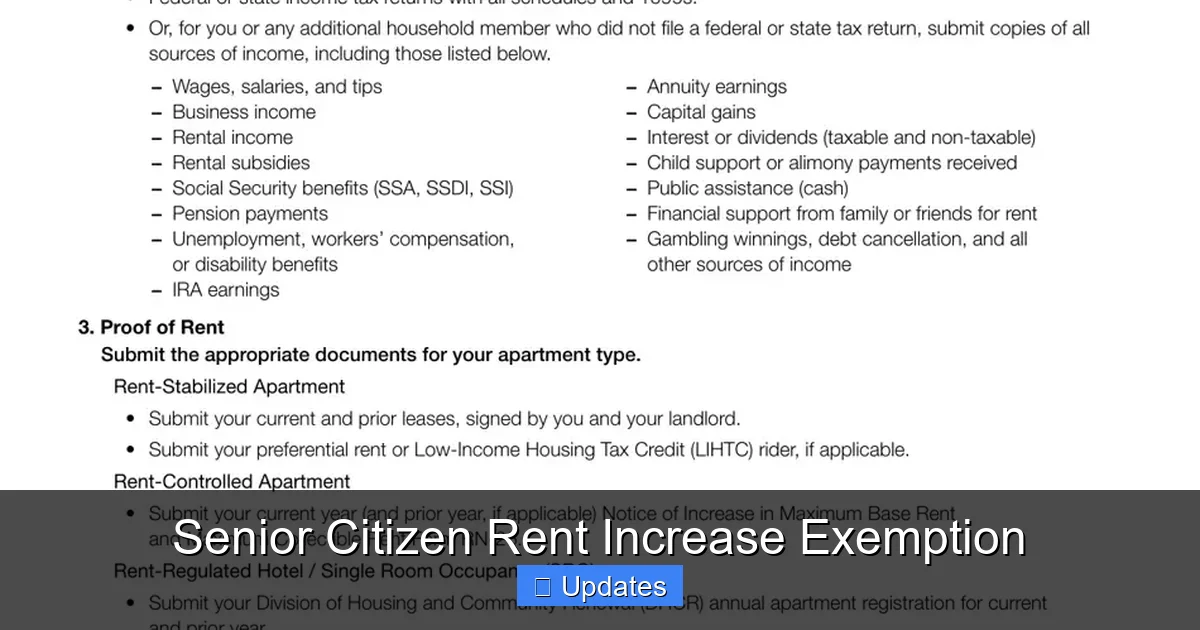
Before clicking “submit,” collect:
- Proof of age: Birth certificate, passport, or driver’s license
- Proof of income: Social Security statements, pension stubs, tax returns
- Current lease agreement showing rental amount
- Landlord contact info and property details
Missing even one item delays processing—sometimes by months!
Find the Right Form and Office
Each state runs its own program. Start by visiting your state housing authority website. Look for keywords like “senior rent exemption,” “elderly housing protection,” or “tenant rights for seniors.” Some cities (like Los Angeles or Chicago) even offer online portals where you upload documents digitally.
Submit Early—and Follow Up
Deadlines sneak up fast! In Massachusetts, forms are due by March 31st each year. Late submissions get rejected without exception. After sending yours, keep copies of everything and note submission dates. If you don’t hear back in 4–6 weeks, call the office. Persistence pays off.
State-by-State Overview of Senior Rent Protections
Not every state offers robust senior rent increase exemptions, but awareness is growing. Here’s a snapshot of major programs:
California: Strongest Protections
California’s Senior Citizen Rent Stabilization Act allows tenants 62+ to limit annual increases to CPI + 3%. Landlords must notify tenants 90 days before hikes. Violations can lead to fines up to $5,000 per incident. Applications open Jan 1–Dec 31 annually through county offices.
New York: Freeze-and-Cap Model
NYC’s SCRIE program offers two tiers:
- Freeze: No rent increase ever (ideal for fixed-income seniors)
- Cap: Annual hikes limited to 2.5% above inflation
To qualify, applicants must earn ≤$26,000/year (single) or ≤$35,000 (couple). Forms available at NYC Housing Connect.
Texas: Limited but Valuable
Texas doesn’t have a statewide exemption, but cities like Austin offer local protections for seniors 60+. Check with your city clerk’s office. Meanwhile, federal Section 202 housing provides subsidized rents capped at 30% of income.
Washington State: Progressive Approach
Seattle’s Senior Renter Stability Program caps increases at 5% annually for tenants 62+. Income must be ≤80% AMI. Applications accepted year-round via email or mail.
Note: States like Alabama or Mississippi lack formal programs—but federal HUD assistance may still apply. Always explore all options.
What Happens If Your Application Is Denied?
DENIED? Don’t give up. Mistakes happen—and many denials are reversible.
Common Reasons for Rejection
- Incomplete income documentation
- Missing age verification
- Lease doesn’t specify qualifying unit type
- Submitted after deadline
Appealing the Decision
You usually have 30 days to file an appeal. Include corrected docs, a cover letter explaining errors, and any supporting letters (e.g., from doctors noting financial hardship). Many counties offer free legal aid clinics specifically for senior housing issues. Call your local senior center—they often host workshops on navigating these systems.
Alternative Solutions
If exemptions aren’t available where you live, consider:
- Applying for HUD-assisted housing
- Seeking nonprofit rental assistance (e.g., United Way, Catholic Charities)
- Negotiating directly with landlords using hardship letters
Sometimes, just asking leads to unexpected flexibility.
Tips for Maximizing Your Benefits
Getting approved is only half the battle. Stay protected long-term with smart habits:
- Renew early: Set calendar reminders 60 days before expiration.
- Track changes: Monitor rent bills monthly. Sudden jumps signal trouble.
- Know your rights: Research tenant laws in your state—some ban “no-cause” evictions too.
- Build relationships: Friendly landlords respect long-term tenants more than rule-breakers.
- Stay informed: Laws change yearly. Subscribe to senior housing newsletters or join advocacy groups.
Conclusion: Your Housing Security Starts Now
Aging shouldn’t mean choosing between medicine and mortgage payments. Thanks to senior citizen rent increase exemption programs, millions of Americans enjoy greater peace of mind—and more cash in their pockets each month. But remember: these protections aren’t handed out automatically. They require action, documentation, and vigilance.
Whether you’re 55 or 85, now’s the time to research your options. Visit your state’s housing portal, gather your papers, and take that first step toward stable, affordable housing. You deserve it. And with the right knowledge, you absolutely can get it.
Frequently Asked Questions
What is the typical age requirement for a senior citizen rent increase exemption?
Most programs require applicants to be 60 years or older, though some states like Alaska start at 55. Always check your state’s specific guidelines, as requirements vary significantly.
Do I need to reapply every year for the exemption?
Yes, nearly all senior rent increase exemptions are renewable annually. Failure to reapply results in immediate loss of protection, even if previously approved.
Can my landlord raise my rent if I’m on a senior exemption?
Generally no—exemptions either freeze rents or cap increases at inflation plus a small percentage (usually 2-5%). However, exemptions don’t cover utilities or non-rent charges unless explicitly stated in local law.
What happens if my income exceeds the limit after approval?
You may lose eligibility mid-year. Notify your housing authority immediately and provide updated income documentation. Retroactive penalties rarely apply, but future protection could be revoked.
Are there exceptions for senior housing complexes?
Some fully subsidized senior housing (like HUD Section 202 units) already include rent caps, so separate exemptions may be unnecessary. Confirm with your property manager which protections apply.
Where can I find official forms for my state?
Visit your state’s Department of Housing or Housing Authority website. Search for terms like “senior rent exemption” or “elderly housing protection.” Many also list local offices offering paper copies.