
Senior Beds with Safety Rails


Gardening Kneeler Bench

Voice Assistant Smart Speaker

Smart Doorbell Camera
Senior beds with safety rails are specially designed to help older adults sleep more safely and peacefully. These beds feature sturdy, adjustable side rails that prevent falls while still allowing easy access in and out of bed. Whether you’re caring for a loved one or upgrading your own sleeping space, choosing the right senior bed with safety rails can make a big difference in daily comfort and peace of mind.
Key Takeaways
- Fall prevention: Safety rails on senior beds significantly reduce nighttime fall risks, which are especially common among older adults.
- Ease of use: Modern safety rails are designed for simple operation—many open with just one hand or a gentle push.
- Adjustable options: Many models offer height-adjustable frames and customizable rail positions to suit different mobility levels.
- Bed stability: A stable base and secure rail attachment ensure the bed remains steady even during movement or pressure.
- Comfort matters: Look for padded rails and soft-touch materials that won’t scratch skin or cause discomfort during long-term use.
- Medical compatibility: Some senior beds with safety rails work well with hospital-grade mattresses and are compatible with medical alert systems.
- Space-saving designs: Compact models fit into smaller bedrooms while still offering full protection and accessibility features.
📑 Table of Contents
- Why Senior Beds With Safety Rails Are Essential for Peace of Mind
- Understanding the Importance of Safety Rails on Senior Beds
- Types of Safety Rails for Senior Beds
- Choosing the Right Senior Bed Frame With Integrated Safety Rails
- Installation Tips for Maximum Safety
- Lifestyle Benefits Beyond Safety
- Cost vs. Value: Is It Worth the Investment?
- Real-Life Examples and Success Stories
- Final Thoughts: Making the Right Choice
Why Senior Beds With Safety Rails Are Essential for Peace of Mind
Sleep is one of life’s most restorative activities—especially for seniors who may need extra recovery time due to age-related health changes. But for many older adults, getting in and out of bed safely has become a daily concern. Nighttime falls are alarmingly common among seniors, often leading to serious injuries like fractures or head trauma. That’s where senior beds with safety rails come in. These thoughtfully designed beds combine support, accessibility, and security to create a safer sleeping environment.
What makes a bed truly “senior-friendly” isn’t just its size or firmness—it’s the details. The inclusion of safety rails transforms a standard bed into a protective haven. Whether your loved one lives independently or receives in-home care, investing in a senior bed with safety rails can mean the difference between restful nights and constant worry.
In this guide, we’ll walk through everything you need to know about choosing, using, and maintaining a senior bed with safety rails. From understanding different types of rails to picking the right mattress and frame, we’ve got you covered. Let’s dive into how these simple additions can dramatically improve both safety and quality of life.
Understanding the Importance of Safety Rails on Senior Beds
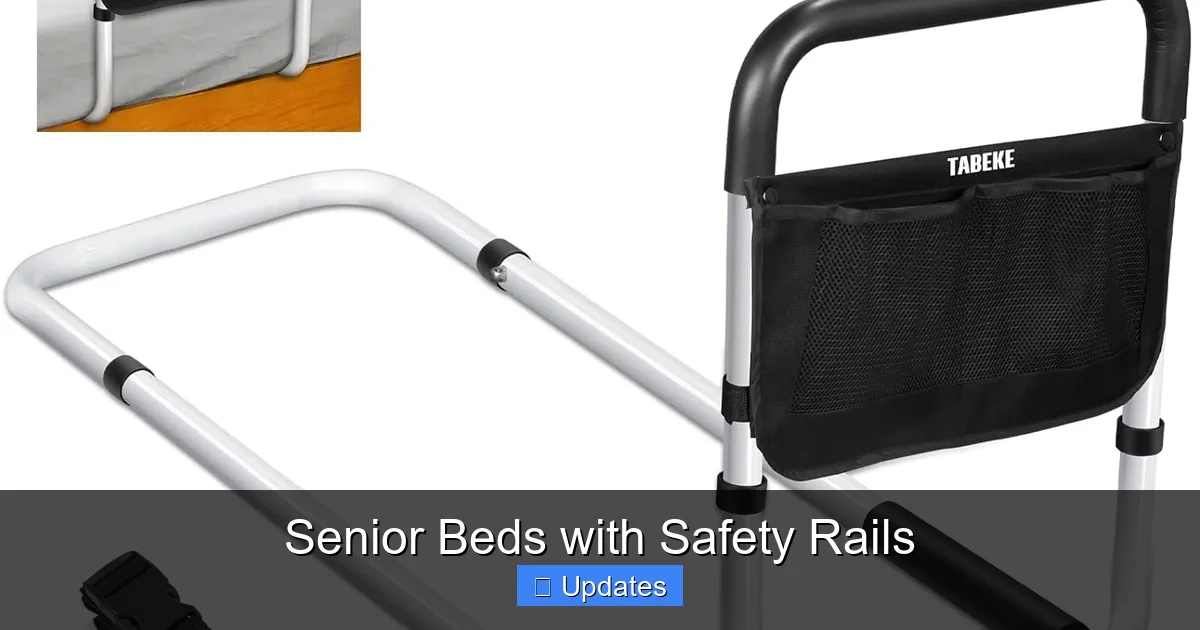
Visual guide about Senior Beds with Safety Rails
Image source: images-na.ssl-images-amazon.com
As people age, physical changes such as reduced muscle strength, slower reflexes, and joint stiffness can make everyday tasks more challenging. Getting up from bed, turning over at night, or even rolling too far to the edge can all pose risks. According to the Centers for Disease Control and Prevention (CDC), one in four Americans aged 65 and older falls each year—and falls are the leading cause of fatal injury among seniors.
Safety rails act as invisible guardians during sleep. They don’t restrict movement; instead, they gently guide the body back toward the center of the bed if someone rolls too close to the edge. This passive protection is especially valuable during deep sleep when awareness is low. For individuals recovering from surgery or managing conditions like arthritis or balance disorders, the added security can be life-changing.
But safety rails aren’t just for those with limited mobility. Even healthy seniors benefit from the reassurance they provide—both for the sleeper and their caregivers. Knowing that help is within reach if needed allows everyone to relax and enjoy uninterrupted rest.
The Science Behind Nighttime Falls
Nighttime falls differ from daytime accidents because visibility is poor, surfaces may be slippery, and circadian rhythms affect coordination. Seniors often get up to use the bathroom in the dark, increasing their risk of missteps. Additionally, medications like sedatives or blood pressure drugs can cause dizziness or drowsiness.
A study published in the Journal of the American Geriatrics Society found that nearly half of all nursing home residents experience at least one fall per year. While institutional settings have protocols in place, many seniors live at home—making personal safety solutions critical.
This is why senior beds with safety rails are increasingly recommended by healthcare professionals. They serve as a first line of defense without requiring constant supervision.
Beyond Physical Protection
While preventing falls is the primary goal, safety rails also promote better sleep hygiene. When people feel secure, they’re less likely to toss and turn or wake frequently due to anxiety. This leads to deeper, more restorative sleep—something vital for cognitive function, immune health, and emotional well-being.
Moreover, for caregivers, seeing a loved one sleep soundly through the night brings tremendous relief. It reduces the need for nighttime check-ins and minimizes disruptions to both parties’ routines.
Types of Safety Rails for Senior Beds

Visual guide about Senior Beds with Safety Rails
Image source: m.media-amazon.com
Not all safety rails are created equal. Choosing the right type depends on the individual’s needs, bedroom layout, and mobility level. Here are the most common varieties:
Fixed Side Rails
These rails remain upright at all times, forming a barrier along one or both sides of the bed. They’re ideal for individuals who frequently roll toward the edge or have difficulty sitting up independently. Fixed rails offer maximum protection but may feel confining if not positioned correctly.
When selecting fixed rails, look for ones made of durable steel or aluminum with rounded edges to prevent pinching or bruising. Some models include soft foam padding for added comfort.
Half-Length or Drop-Down Rails
Also known as lowering rails, these attach to the bed frame and can be folded down when entering or exiting the bed. This design balances safety with accessibility—perfect for seniors who can still maneuver on their own but want extra support at night.
Drop-down rails typically operate with a simple latch or handle. Once lowered, they create a gentle step-up onto the mattress, reducing strain on knees and hips. Many modern versions are height-adjustable to match different bed heights.
Full-Height Enclosure Rails
For those with severe mobility challenges or dementia, full-height enclosures wrap around three or four sides of the bed. These resemble small tents and provide complete containment while still allowing airflow and visibility.
While effective, full enclosures require careful monitoring to avoid feelings of confinement or agitation. They’re best used under medical supervision and in consultation with a therapist.
Overbed Rails
Unlike built-in rails, overbed rails sit directly on top of an existing mattress and bed frame. They’re portable and easy to install, making them a great temporary solution or for travel.
However, overbed rails may shift during use and don’t integrate as seamlessly with the bed structure. They’re suitable for lighter users or short-term situations but may lack the stability of permanent installations.
Choosing the Right Senior Bed Frame With Integrated Safety Rails
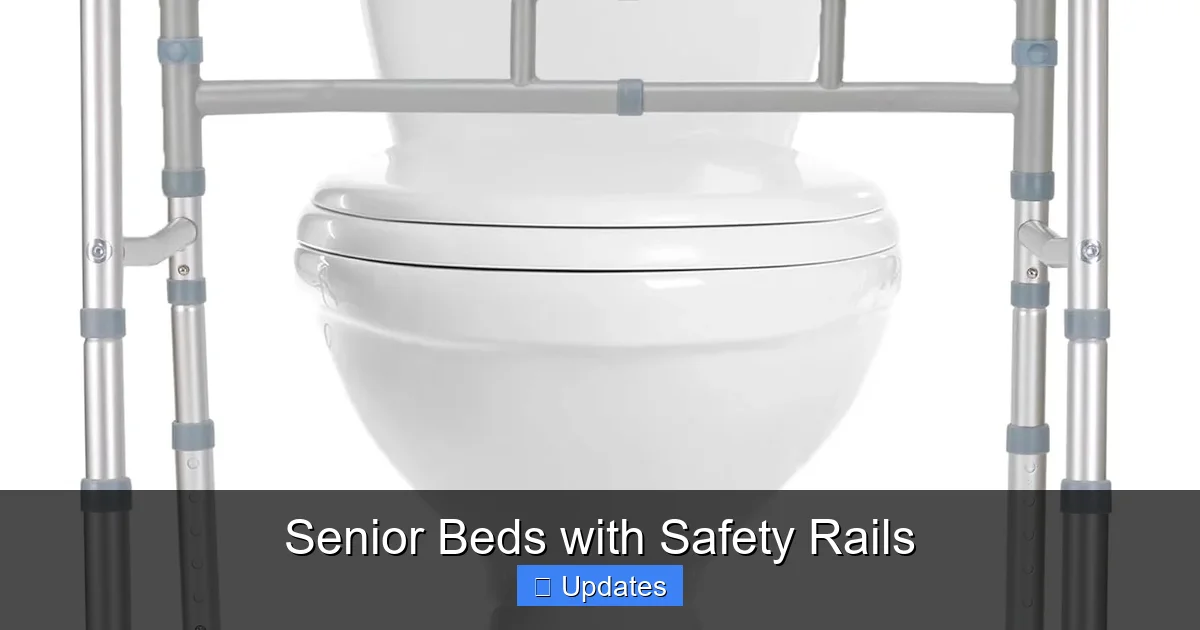
Visual guide about Senior Beds with Safety Rails
Image source: m.media-amazon.com
When shopping for a senior bed with safety rails, start by considering the bed frame itself. Not every bed comes with built-in rails—some require separate attachments. Here’s what to look for:
Sturdy Construction Matters
Opt for frames made from high-quality steel or reinforced wood. Wobbly frames defeat the purpose of safety rails, so always test for stability. Leg extenders or adjustable feet can help level the bed on uneven floors, further enhancing security.
Height Adjustability
A bed that raises the mattress closer to waist level makes transfers easier and reduces the chance of falling backward. Many electric adjustable bases allow caregivers to raise or lower the bed with the touch of a button—ideal for assisted living scenarios.
Rail Compatibility
Check whether the bed frame supports aftermarket rail attachments. Universal brackets exist for most standard platforms, but queen or king sizes may need custom fittings. Always verify weight limits before purchasing additional hardware.
Mattress Considerations
Pair your bed with a supportive, medium-firm mattress. Memory foam or latex options contour to the body without sinking too deeply, reducing pressure points and improving alignment. Avoid overly soft mattresses that could allow rolling past the rails.
For added safety, choose mattresses with non-slip bottoms or fitted sheets designed specifically for adjustable bases.
Smart Features to Explore
Some premium models now include integrated sensors that detect unusual movements or prolonged immobility. These can trigger alerts sent to caregivers’ phones—a useful feature for remote monitoring.
Additionally, voice-activated controls let users adjust bed position hands-free, which benefits those with arthritis or limited dexterity.
Installation Tips for Maximum Safety
Proper setup is crucial to ensure rails function as intended. Follow these steps for optimal results:
Measure Your Space Carefully
Ensure there’s enough room between the bed and walls or furniture for safe movement. Narrow pathways increase tripping hazards and make emergency exits harder during nighttime awakenings.
Secure All Mounting Hardware
Use manufacturer-provided screws and anchors. Wall-mounted rails should be anchored into studs whenever possible. Loose bolts compromise structural integrity and increase fall risk.
Test Before Full Use
After installation, gently press against the rails to confirm they don’t wobble or detach. Have the user practice getting in and out several times to identify any awkward angles or discomfort.
Maintain Regular Inspections
Check rails monthly for signs of wear, rust, or loose connections. Replace worn-out components immediately—even minor damage can lead to catastrophic failures.
Lifestyle Benefits Beyond Safety
While fall prevention is the headline feature, senior beds with safety rails offer broader lifestyle advantages:
Increased Independence
Seniors retain more control over their daily routine when they don’t rely on constant assistance to navigate the bedroom. Simple tasks like reading in bed or watching TV become stress-free.
Better Sleep Quality
Reduced fear of falling leads to fewer nighttime awakenings and longer stretches of uninterrupted sleep. Over time, this improves mood, memory, and overall vitality.
Caregiver Confidence
Family members and professional aides gain peace of mind knowing their charge is protected without needing round-the-clock presence. This enables more flexible scheduling and reduces burnout.
Enhanced Social Engagement
With improved sleep and confidence, seniors are more likely to participate in social activities, hobbies, and community events—key factors in maintaining mental sharpness and emotional health.
Cost vs. Value: Is It Worth the Investment?
Many assume senior beds with safety rails are luxury items reserved for assisted living facilities. In reality, prices vary widely—from $100 for basic overbed models to over $2,000 for fully equipped adjustable beds with smart features.
However, consider the cost of a single fall: hospital stays, rehabilitation, and lost wages can easily exceed thousands of dollars. Preventative measures like safety rails pay for themselves many times over in avoided medical expenses and improved quality of life.
Insurance sometimes covers portions of specialized beds if prescribed by a doctor. Don’t hesitate to ask your provider about coverage options.
Real-Life Examples and Success Stories
Meet Margaret, 78, who began using a drop-down rail system after breaking her hip last winter. “I was terrified of falling again,” she says. “But now I sleep through the night and actually look forward to bedtime.”
Then there’s Robert, a retired teacher managing early-stage Parkinson’s. His electric adjustable base with integrated rails lets him stand up without straining his back. “It’s like having my own personal assistant,” he jokes.
These stories highlight how tailored solutions empower seniors to age in place comfortably and confidently.
Final Thoughts: Making the Right Choice
Selecting a senior bed with safety rails isn’t just about buying furniture—it’s about creating a sanctuary of safety, dignity, and independence. Whether you’re helping a parent, spouse, or friend, take time to assess their specific needs, consult healthcare providers, and involve them in the decision-making process.
Remember, the best bed is one that feels natural and welcoming, not clinical or restrictive. With thoughtful planning, even modest upgrades can transform nighttime routines and brighten days.
For more tips on supporting aging loved ones—including meal planning, activity ideas, and home modifications—explore our resources at Ensuring Safety And Security With In Home Senior Care Providers and Top Rated Senior Living Communities With Active Intergenerational Programs.
—
Frequently Asked Questions
Are senior beds with safety rails only for people who can’t move well?
No, while they’re especially helpful for those with limited mobility, even healthy seniors benefit from the added security and peace of mind. Safety rails reduce nighttime anxiety and prevent accidental falls.
Can I install safety rails on any regular bed?
Most standard bed frames support universal rail attachments, but compatibility varies by model. Check weight limits and mounting requirements before purchasing. Queen and king sizes may need special brackets.
Do safety rails make it hard to get out of bed?
Not if installed properly. Drop-down or half-length rails fold away when entering or exiting. Full-height enclosures should only be used under medical guidance to avoid feelings of confinement.
How do I clean and maintain my safety rails?
Wipe down rails weekly with mild soap and water. Inspect bolts and joints monthly for looseness or corrosion. Replace worn parts immediately to maintain safety standards.
Will insurance cover the cost of a senior bed with safety rails?
In some cases, yes—especially if prescribed by a doctor for medical reasons. Contact your insurer to explore coverage options. Medicare may reimburse certain components under Durable Medical Equipment (DME) guidelines.
Are adjustable beds better than fixed beds for seniors?
Adjustable beds offer added convenience and support, particularly for those with chronic pain or respiratory issues. However, fixed beds with sturdy rails remain excellent, cost-effective choices for fall prevention.