
Low Income Senior Housing in Sioux Falls Sd


Glucose Monitor Kit

Leg Massager for Circulation

Fall Detection Smart Watch
Finding affordable housing as a low-income senior in Sioux Falls, South Dakota, is more accessible than you might think. With dedicated programs through the Sioux Falls Housing Authority, nonprofit organizations, and supportive community resources, older adults can find safe, welcoming places to call home. This guide walks you through eligibility requirements, available properties, application tips, and how to access ongoing support—so you can focus on enjoying your golden years with peace of mind.
Key Takeaways
- Multiple low-income senior housing options exist in Sioux Falls: From HUD-funded apartments to faith-based communities, there’s likely something that fits your budget and lifestyle.
- Eligibility is based on income and age: Most programs require applicants to be at least 62 years old and meet strict income limits tied to Area Median Income (AMI).
- The waiting list can be long: Many popular properties have months- or even years-long wait times—so apply early and stay engaged.
- Support services are often included: Transportation, meal programs, health screenings, and social activities are commonly offered at senior housing complexes.
- Local nonprofits provide additional help: Groups like the Sioux Falls Area Agency on Aging connect seniors with housing assistance, legal aid, and utility subsidies.
- Rent is typically 30% of gross monthly income: This ensures affordability while covering utilities and maintenance for the property.
- You don’t have to navigate this alone: Local case managers and housing counselors can walk you through applications and advocate on your behalf.
Living on a fixed income can make finding safe, comfortable housing challenging—especially when you’re over 62. But if you’re a senior in Sioux Falls, South Dakota, you’re not out of luck. Thanks to a mix of public programs, nonprofit partnerships, and community-driven initiatives, low income senior housing in Sioux Falls SD is both possible and dignified. Whether you need a studio apartment, assisted living support, or just a place where neighbors look out for one another, there are options designed specifically for you.
This article breaks down everything you need to know about accessing affordable senior housing in Sioux Falls. We’ll cover who qualifies, what types of housing are available, how long the waitlists might be, and where to get personalized help. By the end, you’ll feel empowered—not overwhelmed—about securing a stable, welcoming home during your retirement years.
Key Takeaways
- Understanding low income senior housing in sioux falls sd: Provides essential knowledge
📑 Table of Contents
- What Is Low-Income Senior Housing?
- Who Qualifies for Low-Income Senior Housing in Sioux Falls?
- Types of Affordable Senior Housing in Sioux Falls
- How Long Are Waitlists for Low-Income Senior Housing?
- How to Apply for Low-Income Senior Housing in Sioux Falls
- Ongoing Support & Community Resources
- Practical Tips for Maximizing Your Chances
- Frequently Asked Questions
- Final Thoughts
What Is Low-Income Senior Housing?
Low-income senior housing refers to subsidized rental units built or supported by government agencies (like HUD), nonprofits, or private developers, reserved exclusively for older adults meeting specific financial criteria. These aren’t just cheap apartments—they’re intentionally designed with seniors’ needs in mind: ground-floor units, grab bars, emergency call systems, and proximity to medical care.
In Sioux Falls, these properties fall into several categories:
- Public Housing: Operated by the Sioux Falls Housing Authority (SFHA), these include developments like Lincoln Terrace and Riverside Commons.
- Section 202 Supportive Housing: Federally funded units offering rent subsidies plus on-site services such as transportation or wellness checks.
- Nonprofit & Faith-Based Communities: Organizations like Lutheran Social Services or Catholic Charities operate affordable senior homes with added spiritual or social programming.
- Continuing Care Retirement Communities (CCRCs): While pricier upfront, some offer tiered pricing so residents pay only what they can afford initially.
The key benefit? Rent stays consistent regardless of inflation because it’s capped at 30% of your gross monthly income. That means if you earn $1,800/month, your rent might be $540—not $900 like market-rate units. Plus, many utilities are included!
Who Qualifies for Low-Income Senior Housing in Sioux Falls?
Eligibility hinges on three main factors: age, income level, and residency status. Let’s unpack each.
Age Requirement
Most programs require applicants to be at least 62 years old. Some newer developments accept younger disabled individuals under certain conditions, but 62+ is standard.
Income Limits
Your household income must fall below a percentage of the Area Median Income (AMI)—typically between 30% and 50% AMI. For Sioux Falls in 2024:
- A single-person household earning under $33,750/year qualifies for 30% AMI housing.
- A couple could qualify with up to $42,000/year combined income.
These thresholds adjust annually, so always verify current numbers with SFHA or local agencies.
Residency & Citizenship
You must be a U.S. citizen or qualified non-citizen, and live in Minnehaha County or surrounding areas for at least six months prior to applying. Preference may also go to those facing homelessness or displacement.
Background Checks & Assets
Applicants undergo criminal background checks and asset reviews (e.g., bank accounts, investments). However, most seniors using these programs rely solely on Social Security or pension income—which isn’t counted against them.
Types of Affordable Senior Housing in Sioux Falls
Sioux Falls offers diverse housing models tailored to different lifestyles and budgets. Here’s what’s available:
1. Public Housing Complexes
Managed by the Sioux Falls Housing Authority, these include:
- Lincoln Terrace Apartments: Located near downtown, features 1- and 2-bedroom units with wheelchair accessibility.
- Riverside Commons: Waterfront location with walking paths and community gardens.
- Westview Manor: Quiet neighborhood setting with on-call maintenance staff.
Rents range from $300–$600/month depending on bedroom size and income.
2. Section 8 Project-Based Vouchers
Unlike tenant-based vouchers (which give more flexibility), project-based units tie your subsidy directly to a specific building. Examples include:
- Trail Ridge Senior Living: Offers private studios and efficiencies with optional meal plans and shuttle service (learn more here).
- St. Joseph’s Villa: Run by Catholic Charities, includes housekeeping and medication reminders.
3. Nonprofit & Congregate Housing
These communities emphasize social connection alongside affordability:
- Lutheran Social Services – Willow Creek: Features shared dining rooms, bingo nights, and volunteer opportunities.
- Sioux Falls YMCA Senior Residences: Gym access, fitness classes, and intergenerational events.
4. Emergency Shelter + Transitional Options
For seniors experiencing sudden hardship, shelters like Hope House offer temporary lodging while connecting guests to permanent housing resources.
How Long Are Waitlists for Low-Income Senior Housing?
Unfortunately, demand far exceeds supply. As of mid-2024, major Sioux Falls complexes report waitlist lengths of:
- 6–18 months for Lincoln Terrace
- 1–2 years for Trail Ridge Senior Living
- 2–3+ years for new Section 202 units
But don’t let that discourage you! Tips to shorten your wait:
- Apply to multiple properties: Cast a wide net—even if one seems perfect, add others to your list.
- Stay in touch: Call quarterly to confirm contact info and express continued interest.
- Check for openings daily: Sometimes cancellations happen unexpectedly due to move-outs or funding changes.
Pro tip: Some smaller nonprofit buildings (like those run by Habitat for Humanity affiliates) have shorter waits because they prioritize local referrals over open applications.
How to Apply for Low-Income Senior Housing in Sioux Falls
The process starts with gathering documents and submitting forms—but don’t worry, help is nearby!
Step 1: Gather Required Documents
Bring these to your appointment:
- Proof of age (driver’s license, birth certificate)
- Two recent pay stubs or proof of SSI/SSDI
- Bank statements from past 3 months
- Lease agreement or eviction notice (if applicable)
- Medical records showing disability (for younger applicants)
Step 2: Submit Your Application
Visit the Sioux Falls Housing Authority website or stop by their office at 120 W 10th St. You can also call (605) 367-7000 to request paper forms.
Step 3: Attend an Interview
A caseworker will verify your info, discuss preferences (e.g., pet policy, floor plan), and explain rights/responsibilities.
Step 4: Get Placed on a Waitlist
Once approved, you’ll receive a number. Higher numbers = longer waits. Consider applying to backup options immediately.
Step 5: Move In When Available!
When called, inspect the unit thoroughly, sign the lease, and enjoy your new home.
Ongoing Support & Community Resources
Affordable housing isn’t just four walls—it’s access to services that improve quality of life. In Sioux Falls, seniors gain:
- Transportation: Free shuttles to pharmacies, clinics, and grocery stores.
- Meal Programs: Daily lunches at sites like Senior Dining Centers ($3 suggested donation).
- Health Screenings: Flu shots, blood pressure checks, and diabetes education monthly.
- Social Activities: Book clubs, arts & crafts, and holiday parties hosted by property managers.
For extra help, connect with:
- Sioux Falls Area Agency on Aging: Offers free case management, utility bill assistance, and legal aid referrals.
- Great Plains Food Bank: Provides groceries for seniors with low food security.
- South Dakota Legal Services: Helps resolve landlord-tenant disputes or unfair evictions.
Remember: asking for help isn’t weakness—it’s wisdom. These resources exist precisely so you don’t have to figure everything out solo.
Practical Tips for Maximizing Your Chances
Navigating senior housing applications feels daunting—but small steps make a big difference:
- Start early: Don’t wait until you’re homeless or medically vulnerable. Begin researching 12–18 months ahead.
- Use local advocates: Churches, senior centers, and volunteer groups often host application workshops.
- Keep copies of everything: Store digital and physical versions of your paperwork securely.
- Be patient but persistent: Rejection isn’t failure—just redirect energy to other options.
- Network with neighbors: Word-of-mouth referrals sometimes open doors faster than formal applications.
Also, consider downsizing temporarily. If your mortgage exceeds 30% of income, moving into a smaller unit could free up cash for emergencies or travel.
Frequently Asked Questions
Can I bring my pet to low-income senior housing in Sioux Falls?
Many properties allow small pets under 25 pounds with a $300 deposit and signed liability waiver. Service animals are always permitted without restrictions. Always ask about breed or weight limits before applying.
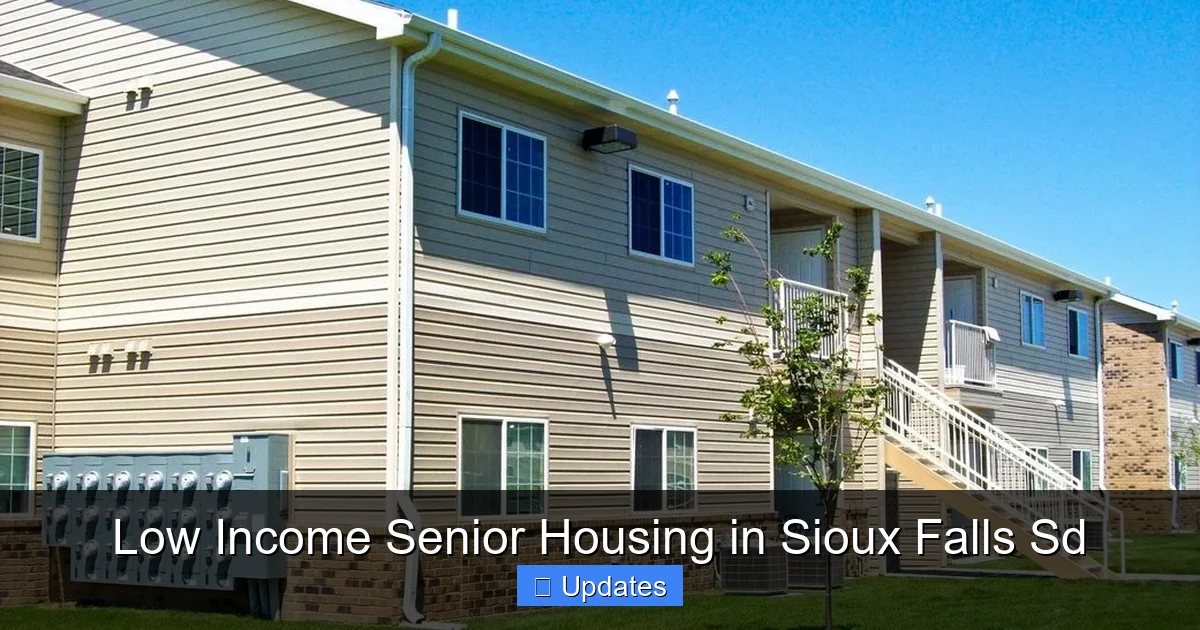
Visual guide about Low Income Senior Housing in Sioux Falls Sd
Image source: lowincomehousing.us

Visual guide about Low Income Senior Housing in Sioux Falls Sd
Image source: lowincomehousing.us
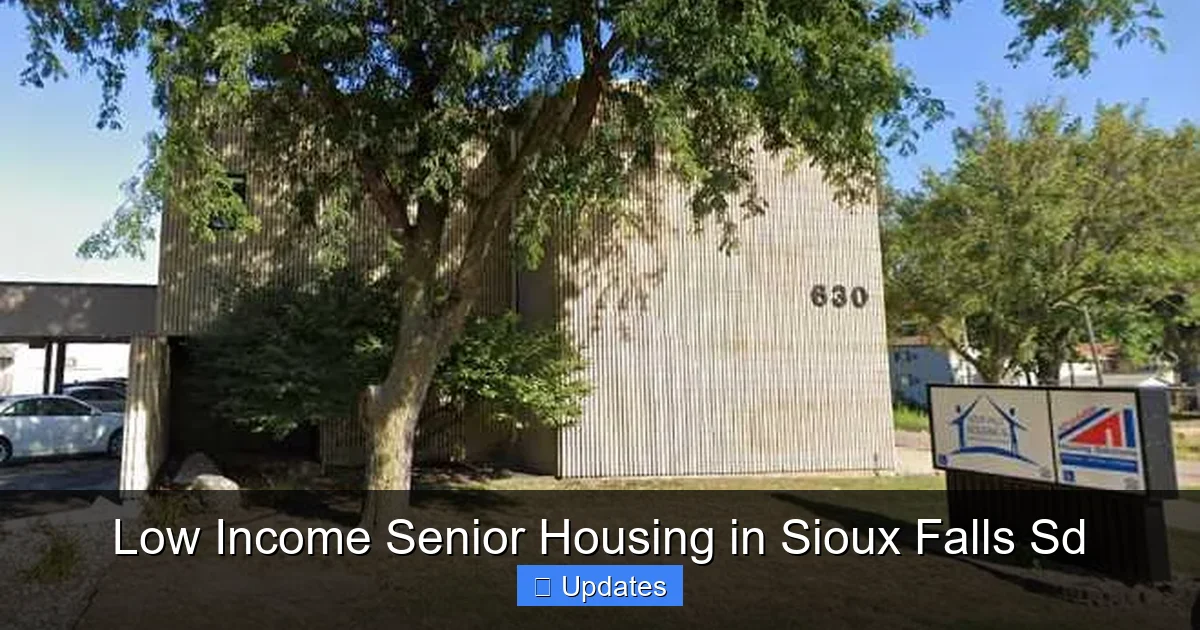
Visual guide about Low Income Senior Housing in Sioux Falls Sd
Image source: cdn.uslowcosthousing.com
Are utilities included in the rent?
Yes—in most public and nonprofit senior housing, water, sewer, trash, and heating costs are covered. Electricity varies by building; check your lease or talk to current residents. Newer complexes often install energy-efficient appliances to reduce bills.
What if I need help with daily tasks like bathing or cooking?
Some units partner with home health agencies to offer weekly nursing visits or meal delivery (Meals on Wheels). Others have on-site aides. Contact your housing manager to explore options—they want you to thrive!
Is there income-based sliding scale rent?
Absolutely. Rents adjust automatically based on your gross income. For example, someone earning $1,200/month pays less than someone making $2,500—even in the same apartment. SFHA recalculates annually.
Can I have roommates to split costs?
Generally yes—if your lease allows occupancy beyond one person. Just ensure both incomes count toward the total limit. Some buildings restrict roommates due to space constraints.
What happens if I lose my job or get a raise?
Notify SFHA immediately. They may adjust your rent or place you back on the waiting list if you no longer qualify. Honesty preserves trust and avoids penalties.
Final Thoughts
Finding low income senior housing in Sioux Falls SD requires effort, but it’s absolutely achievable. With careful planning, persistence, and support from trusted agencies, you can secure a warm, safe home where dignity comes standard. Remember: this isn’t just about shelter—it’s about belonging.
If you’re ready to take the next step, start by calling the Sioux Falls Area Agency on Aging at (605) 367-7171. Their team will answer your questions, review your situation, and point you toward the best-fit resources. And if you know someone else navigating this journey? Share this guide—you might just change their life.
Because every senior deserves a place to rest easy, knowing tomorrow’s worries are being handled today.
Frequently Asked Questions
What is low income senior housing in sioux falls sd?
low income senior housing in sioux falls sd is an important topic with many practical applications.