
Low Income Senior Housing Chattanooga Tn

Bed Rail for Seniors

Bed Exit Alarm Sensor

Adaptive Eating Utensils
Finding low income senior housing in Chattanooga, Tennessee can provide stability, safety, and community for older adults with limited financial means. This guide walks you through available programs, eligibility requirements, and practical steps to secure affordable living options. Whether you’re a senior, caregiver, or advocate, understanding your choices empowers better decision-making for health, independence, and peace of mind.
Key Takeaways
- Multiple Housing Options: Chattanooga offers subsidized apartments, Section 202 housing, and nonprofit-supported senior communities tailored for low-income residents.
- Eligibility Based on Income: Most programs cap income at 50–80% of area median income, making them accessible to seniors on Social Security, pensions, or disability benefits.
- Waiting Lists Are Common: Due to high demand, many affordable senior housing units operate waiting lists—start applications early and check frequently for openings.
- Support Services Included: Many low-income senior housing complexes offer meal programs, transportation, healthcare access, and social activities at no extra cost.
- Local Resources Help: Organizations like the Chattanooga Area Agency on Aging and United Way connect seniors with housing assistance and case management.
- Home-Based Alternatives Exist: For those who prefer aging in place, home modification grants and utility assistance programs may be available through state and federal aid.
- Application Tips: Gather recent tax returns, proof of age, income verification, and medical documentation when applying to increase approval chances.
📑 Table of Contents
- Introduction: Finding Affordable Shelter in Chattanooga
- Types of Low-Income Senior Housing in Chattanooga
- How to Qualify for Low-Income Senior Housing in Chattanooga
- Navigating Waiting Lists and Application Tips
- Support Services Within Low-Income Senior Housing
- Alternative Options Beyond Traditional Housing
- Conclusion: You Deserve Safe, Comfortable Living
Introduction: Finding Affordable Shelter in Chattanooga
As we grow older, maintaining independence while managing rising costs becomes a daily challenge. For many seniors across the United States, the dream of safe, stable, and affordable housing is within reach—but only if they know where to look. In Chattanooga, Tennessee, a growing number of programs and communities are designed specifically to meet the needs of low-income seniors. These aren’t just places to live; they’re lifelines that offer dignity, security, and even friendship.
Whether you’re a retired teacher, a veteran, or someone living on fixed income from Social Security or disability benefits, navigating the world of low-income senior housing can feel overwhelming. That’s why this guide exists—to simplify the search, clarify your options, and point you toward real solutions right here in Chattanooga. From public housing authorities to faith-based nonprofits, there’s more than one path forward. Let’s explore them together.
Types of Low-Income Senior Housing in Chattanooga
Chattanooga provides several models of affordable senior living, each with its own application process, amenities, and eligibility rules. Understanding these differences helps you choose the best fit for your lifestyle and budget.
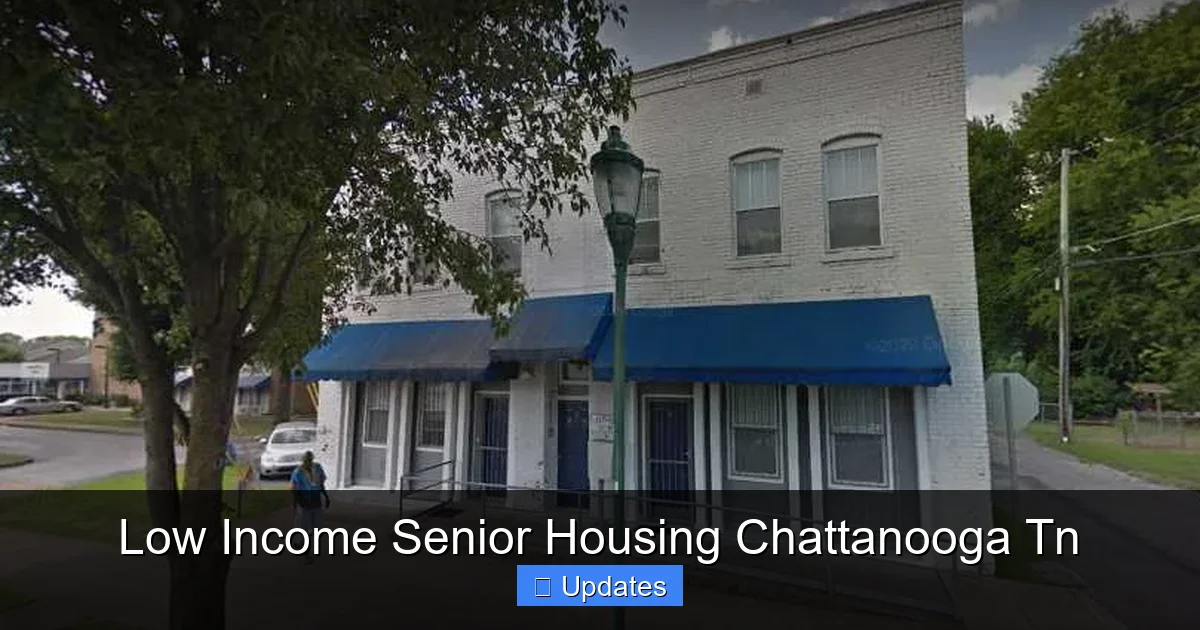
Visual guide about Low Income Senior Housing Chattanooga Tn
Image source: lowincomehousing.us
Public Housing for Seniors
The Chattanooga Housing Authority (CHA) manages several public housing developments exclusively for seniors and people with disabilities. These units are rented at rates based on your income, typically no more than 30% of your monthly earnings. Some buildings offer studio or one-bedroom layouts, emergency call systems, and on-site maintenance.
For example, Lincoln Park Senior Apartments is a CHA-managed property offering 60 one-bedroom units for individuals aged 62+. Rent ranges from $175 to $450 per month depending on income. Utilities are included in some cases, reducing out-of-pocket expenses.
If you qualify, your rent could drop below $300—making it one of the most affordable options in the city. However, availability is limited, so applying early is essential.
Section 202 Supportive Housing
Funded by the U.S. Department of Housing and Urban Development (HUD), Section 202 programs provide deeply subsidized housing for very-low-income seniors. These developments often include supportive services like meals, housekeeping, transportation, and wellness checks.
In Chattanooga, Magnolia Manor operates under HUD’s Section 202 program. It features 40 units for seniors earning less than 50% of the area’s median income. Residents pay between $100 and $350 monthly, and the building includes a dining room, library, and activity center.
This model is especially valuable because it combines affordability with care coordination—ideal for those needing help with daily tasks but wanting to remain independent.
Nonprofit and Faith-Based Communities
Several local charities and religious organizations sponsor affordable senior housing without waiting lists or strict income caps. These are often smaller complexes or converted historic homes that prioritize community over profit.
For instance, St. Jude’s Haven, operated by a regional Catholic charity, offers 15 private rooms for seniors aged 60+ who meet basic financial need criteria. Monthly rent starts at $295, and utilities are covered. The facility includes weekly group meals and volunteer-led social events.
These programs rely heavily on donations and grants, so they tend to fill up quickly—but their personalized approach makes them highly sought after.
Continuing Care Retirement Communities (CCRCs)
While CCRCs are usually expensive upfront, some in Tennessee offer sliding-scale entry fees or partnerships with Medicaid waivers. They provide a full continuum of care—from independent living to assisted living and skilled nursing.
The Pavilion at NorthPark near Chattanooga offers memory care and assisted living services, with subsidies available through Tennessee’s Partnership for Long-Term Services and Supports (PLTSS). While not traditional low-income housing, income-qualified applicants may access reduced-rate stays.
This option suits those planning ahead and wanting long-term security without relocating multiple times as needs change.
How to Qualify for Low-Income Senior Housing in Chattanooga
Eligibility isn’t automatic—it depends on income, age, residency status, and sometimes medical necessity. But don’t let that discourage you. With the right documents and preparation, you can maximize your chances.

Visual guide about Low Income Senior Housing Chattanooga Tn
Image source: lowincomehousing.us
Income Limits Explained
Most programs use HUD’s income limits, which vary annually. As of 2024, the limit for a single person in Hamilton County is $34,200 per year. Couples may qualify if combined income falls below $40,800. Even if you receive SSI ($943/month federally), you likely still meet the threshold.
Important: Only earned income counts—not retirement accounts, life insurance proceeds, or gifts. You must report changes within 30 days of any income fluctuation.
Required Documents
Gather these before applying:
- Government-issued photo ID (driver’s license, passport)
- Proof of age (birth certificate or Social Security card)
- Recent tax return or two months of bank statements
- Pay stubs or benefit award letters (Social Security, VA, disability)
- Medical records (for disability-based applications)
- Tennessee residency proof (utility bill, lease agreement)
Keep digital copies handy—many agencies now accept uploads via email or online portals.
Special Considerations
Veterans may qualify for additional priority through the VA’s Aid and Attendance benefit. Similarly, survivors of domestic violence or abuse might have expedited access through protective service referrals.
If English isn’t your first language, contact the Chattanooga Area Agency on Aging—they offer interpreters and translated forms in Spanish, Vietnamese, and Marshallese.
Navigating Waiting Lists and Application Tips
Here’s the hard truth: affordable senior housing is scarce. Waiting lists can last years—but persistence pays off. Use these strategies to stay ahead.

Visual guide about Low Income Senior Housing Chattanooga Tn
Image source: lowincomehousing.us
Where to Apply
Start with these key sources:
- Chattanooga Housing Authority – Online portal at chattanoogahousing.org
- HUD Resource Locator – Search “senior housing Chattanooga” at hud.gov
- United Way of Greater Chattanooga – Call 211 for referrals and application assistance
- Tennessee Housing Development Corporation (THDC) – Offers rental assistance vouchers for seniors
Each agency has slightly different procedures, so apply to multiple sources if possible.
Tips to Improve Your Chances
- Apply immediately—even if you don’t meet all criteria yet. Updates happen often.
- Check weekly—some openings appear unexpectedly due to moves or deaths.
- Bring a friend or family member—they can help fill out forms and advocate for you.
- Follow up in writing—email or mail confirmation of submission to create a paper trail.
Pro tip: If rejected, ask for feedback. Sometimes minor errors cause denial—and corrections can revive your application.
Support Services Within Low-Income Senior Housing
Affordable housing isn’t just about four walls and a roof. Many Chattanooga properties go further by embedding social and medical supports directly into daily life.
Meals and Nutrition Programs
Free or low-cost breakfasts, lunches, and snacks are common perks. At Magnolia Manor, residents receive three nutritious meals daily prepared by licensed dietitians. Transportation to off-site meal sites like Meals on Wheels is also arranged.
Nutrition education workshops teach budget-friendly cooking and diabetes management—critical skills for seniors managing chronic conditions on tight budgets.
Transportation Assistance
Ride shortages isolate many seniors. Fortunately, several housing complexes partner with Chattanooga Area Regional Transportation Authority (CARTA) for discounted passes or door-to-door shuttles.
Example: Lincoln Park residents get free CARTA bus tokens monthly. Special medical trips to Erlanger Hospital or UT Medical Center are scheduled twice weekly.
Healthcare Coordination
On-site nurses or partnerships with local clinics mean preventive care is easy. Flu shots, blood pressure checks, and medication reminders are routine.
Some buildings even host visiting physicians or podiatrists during monthly clinic days—no appointment needed.
Social Engagement
Loneliness affects mental health as much as physical health. That’s why activity calendars are packed: bingo nights, book clubs, gardening sessions, and movie screenings.
St. Jude’s Haven organizes field trips to Ruby Falls and Lookout Mountain every quarter. These outings build friendships and combat isolation.
Alternative Options Beyond Traditional Housing
Not everyone wants to move into an apartment complex. For those preferring to age at home, Chattanooga offers creative alternatives.
Home Modification Grants
The Tennessee Home Improvement Loan Program provides interest-free loans up to $7,500 for accessibility upgrades: ramps, grab bars, stairlifts, widened doorways.
Eligible applicants include homeowners aged 62+ with income under $30,000. Repayment begins only when you sell or leave the home.
Utility Assistance
The Lottery Assistance Fund helps low-income seniors pay winter heating bills. Applications open October through March each year.
Also consider Project SHARE, which distributes donated food, clothing, and household goods—including winter coats and blankets—during seasonal drives.
Renter’s Subsidies
If you rent privately, THDC’s Resident-Based Rental Assistance program caps rent at 30% of income. You pay the difference, and the landlord receives direct subsidy payments.
This keeps market-rate apartments affordable without moving into subsidized housing.
Conclusion: You Deserve Safe, Comfortable Living
Finding low-income senior housing in Chattanooga doesn’t have to be a solo journey. With persistence, knowledge, and local support, you can secure a home that honors your independence, protects your health, and fits your budget. Remember: every step you take—whether filling out a form or attending an orientation—is progress toward stability.
Don’t wait until crisis hits. Start researching today, reach out to 211 or the Area Agency on Aging, and tap into the network of caring organizations ready to help. Because every senior deserves a place to call home—with love, safety, and hope.
Frequently Asked Questions
What is the average wait time for low-income senior housing in Chattanooga?
Wait times vary by property but generally range from 6 months to 3 years. Lincoln Park averages 18 months, while Magnolia Manor’s list exceeds 2 years. Applying early and checking weekly increases your odds of securing a unit.
Can I apply if I have a criminal record?
Certain offenses may disqualify you, especially those involving violence or drug-related crimes. However, non-violent convictions from decades ago are often overlooked. Contact the housing authority directly for case-by-case guidance.
Are pets allowed in low-income senior housing?
Yes, many complexes welcome small pets (dogs or cats under 25 lbs). Fees may apply, and breed restrictions exist. Always confirm pet policies before signing a lease or application.
Do I need to be a U.S. citizen?
No—permanent legal residents, refugees, and asylum seekers may qualify. Undocumented individuals cannot apply for HUD-funded housing, but some nonprofit programs accept them based on humanitarian need.
What happens if my income increases after moving in?
You must report changes within 30 days. If your rent exceeds the new allowable amount, you’ll receive a notice to either pay the difference or move out within 60 days. Financial counseling is available to help manage transitions.
Is there help paying rent if I qualify but can’t afford the initial deposit?
Organizations like the Salvation Army and United Way offer emergency rental assistance grants. Some housing authorities also waive deposits for veterans or survivors of natural disasters. Call 211 to explore immediate aid options.