
How Old Are Senior Cats


Portable Wheelchair

Automatic Can Opener

Smart Plug with Alexa
Senior cats typically start showing signs of aging around 7 years old. While the exact definition varies by breed, most veterinarians consider cats aged 11+ as senior, and 15+ as geriatric. Understanding these stages helps you provide better care. Regular vet visits, balanced nutrition, and mental stimulation become even more important as your cat enters their senior years. With proper attention, many senior cats enjoy high-quality lives well beyond 20 years.
Have you ever wondered when your fluffy companion officially becomes a senior citizen? Just like humans, cats go through distinct life stages, and recognizing when your feline friend enters their golden years makes a big difference in their quality of life. While we might think of “old” as being past middle age, the veterinary world has specific timelines that help us understand exactly when our cats transition from adulthood into seniorhood.
The truth is, there’s no one-size-fits-all answer to “how old are senior cats?” because size, breed, and genetics all play major roles. But here’s what every cat parent should know: catching aging early means catching problems early. And that can mean the difference between a smooth transition into senior life and struggling with preventable illnesses.
In this guide, we’ll walk you through everything you need to know about senior cat ages—from the science behind feline aging to practical tips for keeping your older kitty thriving. Whether your cat is sneaking up on their teens or already celebrating two decades of purring, understanding where they stand in life helps you give them the best possible care.
Key Takeaways
- Senior cat ages vary by breed: Smaller breeds often reach senior status earlier (around 7–9 years), while larger breeds may not be considered senior until 10–12 years.
- Signs of aging include: Reduced activity, weight changes, dental issues, slower reflexes, and increased sleep—monitor these closely.
- Veterinary care becomes crucial: Annual or biannual checkups help catch age-related conditions like kidney disease or arthritis early.
- Nutrition adjusts with age: Senior cats need fewer calories but higher-quality protein; wet food supports hydration and joint health.
- Mental stimulation matters: Puzzle feeders, gentle play, and interactive toys keep cognitive function strong longer.
- Comfort-focused environment: Provide easy access to litter boxes, soft bedding, and warm spots reduces stress on aging joints.
- Quality of life is key: Focus on happiness, dignity, and comfort rather than just lifespan when caring for an older cat.
📑 Table of Contents
- How Do Veterinarians Define Senior Cats?
- Breed Size Matters When Determining Senior Age
- Common Signs Your Cat Is Entering Their Senior Years
- Health Challenges Faced by Senior Cats
- Feeding Your Senior Cat Like a Pro
- Keeping Your Senior Cat Active & Mentally Sharp
- Creating a Comfortable Home for Aging Cats
- The Emotional Side of Aging with Your Cat
- Conclusion: Celebrating Every Year Together
How Do Veterinarians Define Senior Cats?
Veterinarians don’t use a single number to define when a cat becomes “senior.” Instead, they look at a combination of factors including breed size, physical changes, and behavior shifts. Generally speaking, the American Association of Feline Practitioners (AAFP) breaks down feline life stages like this:
– **Kitten**: 0–6 months
– **Junior**: 7 months to 2 years
– **Prime**: 3–6 years
– **Mature/Senior**: 7–10 years
– **Geriatric**: 11–14 years
– **Super-senior**: 15+ years
But remember—these are averages. A tiny Siamese might hit senior status at 7, while a massive Maine Coon could remain in prime condition until nearly 10. So instead of focusing only on numbers, pay attention to your cat’s overall health and energy levels.
Dr. Lisa Lippincott, a board-certified veterinary internal medicine specialist, explains: “We used to think aging was just about getting older biologically, but now we realize it’s about functional decline. When your cat starts having trouble climbing stairs or loses interest in play, those are red flags.”
That’s why regular vet visits after age 7 are so important. Your veterinarian can assess things like kidney function, thyroid health, dental wear, and mobility—even if your cat seems perfectly fine at home.
Breed Size Matters When Determining Senior Age
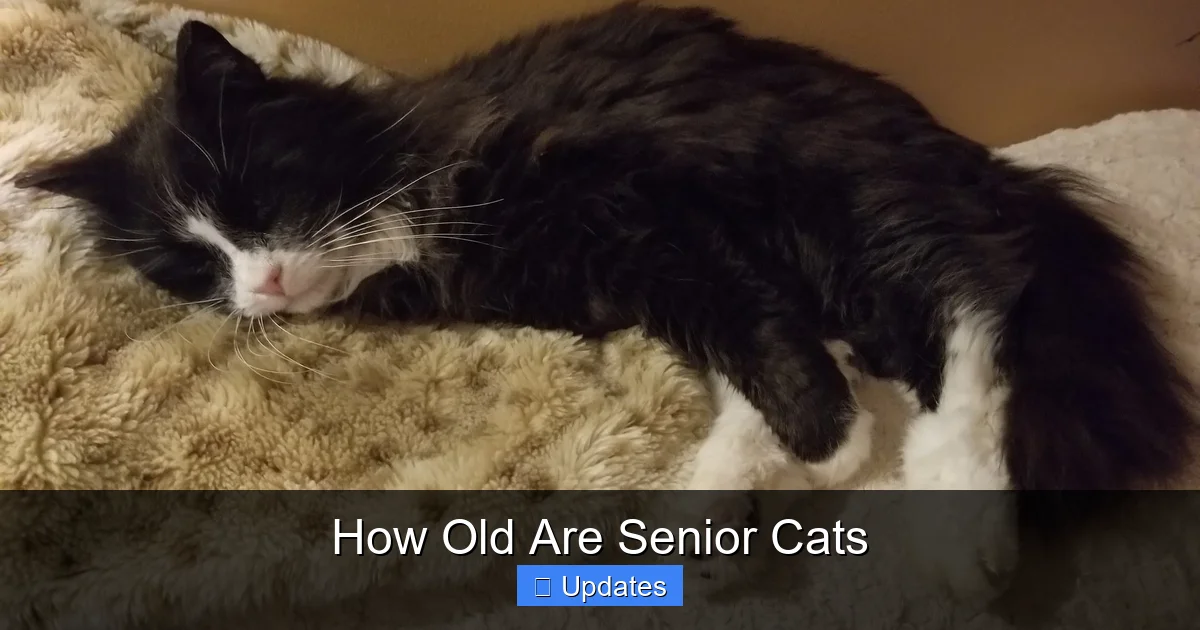
Visual guide about How Old Are Senior Cats
Image source: images.scrolller.com
One of the biggest misunderstandings about senior cats is assuming all cats age at the same rate. In reality, smaller breeds tend to live longer—and reach senior status sooner—than larger ones. Here’s a quick breakdown:
– **Small breeds** (e.g., Singapura, Burmese): Senior stage begins around **7–9 years**
– **Medium breeds** (e.g., Domestic Shorthair, Russian Blue): Senior stage begins around **8–10 years**
– **Large breeds** (e.g., Maine Coon, Norwegian Forest Cat): Senior stage begins around **9–12 years**
Why does size matter? Larger cats have faster metabolisms and put more strain on their joints and organs during development. As a result, they may start showing signs of aging slightly later—but still benefit from proactive care.
For example, a 10-year-old Maine Coon might look and act like a young adult, whereas a 10-year-old Siamese could be dealing with arthritis or hearing loss. Always consult your vet if you notice any sudden changes in behavior or appetite.
Common Signs Your Cat Is Entering Their Senior Years
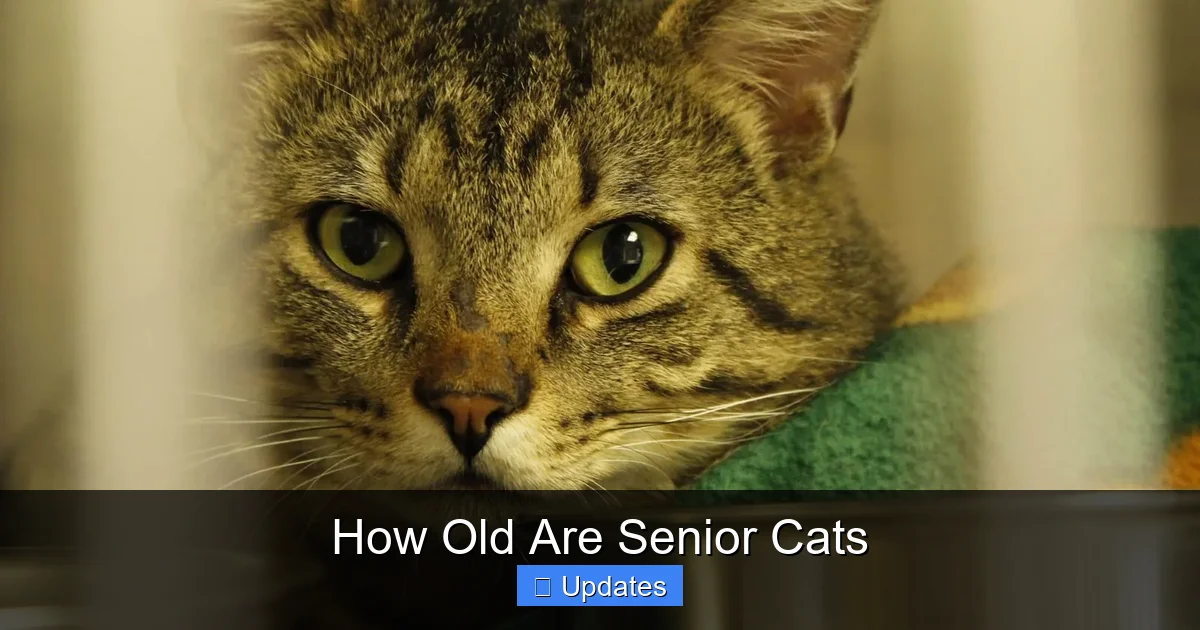
Visual guide about How Old Are Senior Cats
Image source: senior-cats.com
Just like people, cats show subtle—and sometimes not-so-subtle—signs that they’re aging. Early detection can make a huge difference in managing health issues. Watch for these common indicators:
Physical Changes
- Weight fluctuations: Sudden weight loss or gain can signal diabetes, hyperthyroidism, or kidney disease.
- Dull coat or excessive shedding: Poor grooming habits or skin issues often emerge with age.
- Dental problems: Yellowing teeth, bad breath, or difficulty chewing are frequent in seniors.
- Limp or stiffness: Arthritis is surprisingly common—especially in overweight cats or those with joint injuries.
Behavioral Shifts
- Increased sleeping: More than 16 hours per day may indicate pain, fatigue, or neurological changes.
- Litter box avoidance: This could mean urinary tract issues, arthritis preventing entry, or cognitive dysfunction.
- Reduced curiosity: Less interest in exploring, playing, or interacting suggests declining vitality.
If your cat shows two or more of these signs, schedule a vet appointment within the next few weeks. Many age-related diseases respond better to treatment when caught early.
Health Challenges Faced by Senior Cats
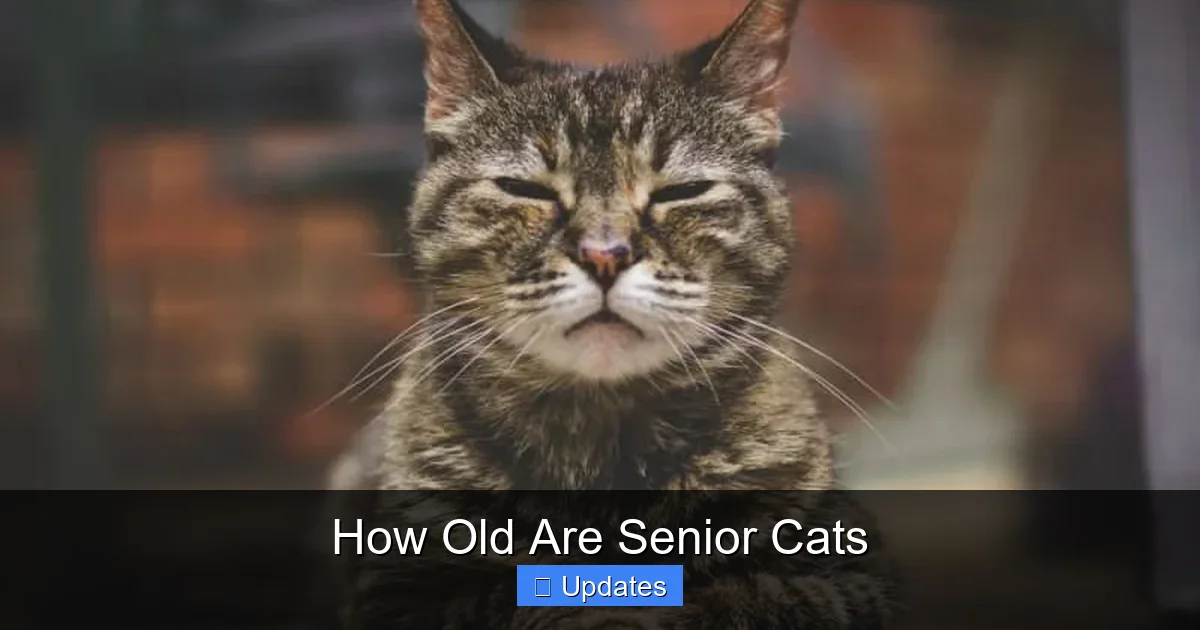
Visual guide about How Old Are Senior Cats
Image source: d2zp5xs5cp8zlg.cloudfront.net
As cats age, certain health conditions become more likely. Being aware of these helps you stay ahead of potential problems. Here are the most common concerns in senior felines:
Kidney Disease
Chronic kidney disease (CKD) affects nearly half of cats over 10. Symptoms include increased thirst, frequent urination, vomiting, and weight loss. Early diagnosis through bloodwork and urinalysis allows for dietary adjustments and medication that can slow progression.
Hyperthyroidism
Overactive thyroid glands cause weight loss despite a good appetite, restlessness, and vomiting. Though treatable, left unchecked, it can damage the heart and kidneys.
Arthritis
Up to 90% of cats over 12 show radiographic evidence of arthritis—even if they don’t limp visibly. Soft bedding, ramps instead of jumping, and omega-3 supplements can ease discomfort.
Cognitive Dysfunction
Known as “cat dementia,” this mimics Alzheimer’s in humans. Symptoms include confusion, disorientation, changes in sleep cycles, and decreased social interaction. Medications and environmental enrichment can help manage symptoms.
Regular blood panels starting at age 7 help track organ function and catch these silently progressing diseases before symptoms appear.
Feeding Your Senior Cat Like a Pro
Nutrition plays a pivotal role in senior cat health. As metabolism slows and activity decreases, calorie needs drop—but nutrient density must increase. Follow these guidelines:
– Choose a high-protein, low-carb diet formulated specifically for seniors.
– Opt for wet food—it provides essential hydration to support kidneys and urinary health.
– Limit treats and table scraps; obesity worsens joint pain and diabetes risk.
– Consider joint-support supplements like glucosamine or fish oil if your vet recommends them.
Many premium brands now offer senior formulas with added taurine, antioxidants, and fiber. Read labels carefully and avoid foods with fillers like corn or wheat.
Also, monitor water intake. Older cats are prone to dehydration, which accelerates kidney damage. Place multiple water bowls around the house, try a pet fountain, or add a little broth (low-sodium, meat-based) to encourage drinking.
Keeping Your Senior Cat Active & Mentally Sharp
Movement doesn’t stop at 10 or 15—it just needs to adapt. Low-impact activities like short walks (if your cat goes outside) or gentle play sessions help maintain muscle tone and joint flexibility. Even indoor cats benefit from:
– Puzzle feeders that challenge problem-solving skills
– Window perches for bird-watching therapy
– Interactive laser toys (supervised!)
– Vertical space like cat trees or shelves to encourage climbing without straining
Mental stimulation is just as vital as physical exercise. Boredom leads to depression and anxiety, both of which worsen age-related decline. Rotate toys weekly and introduce new challenges every few days to keep your cat engaged.
And don’t forget affection! Grooming sessions double as bonding time and allow you to spot skin abnormalities early.
Creating a Comfortable Home for Aging Cats
Your home should evolve along with your cat. Simple modifications make daily life easier and safer:
– Place litter boxes on the ground floor with low sides for easy access
– Use non-slip rugs near food/water stations and litter areas
– Provide soft, heated beds in quiet corners for joint comfort
– Install ramps or steps to furniture so your cat doesn’t have to jump
– Keep rooms warm and draft-free, especially during winter
Also, reduce household chaos. Loud noises, sudden movements, or introducing new pets can overwhelm sensitive seniors. Maintain a consistent routine—same feeding times, same nap spots—to minimize stress.
The Emotional Side of Aging with Your Cat
Let’s talk about the harder part: letting go. Saying goodbye to a beloved pet is one of life’s toughest moments. If your senior cat is suffering despite medical care—failing to eat, constant pain, or poor quality of life—it may be time to discuss humane options with your vet.
But before that moment comes, cherish every cuddle, purr, and playful swat. Senior cats bring profound wisdom, calm, and unconditional love. They teach us patience, presence, and the beauty of slowing down.
Remember: longevity isn’t the goal—quality of life is. A happy, comfortable senior cat is worth celebrating every day.
Conclusion: Celebrating Every Year Together
So, how old are senior cats? The answer depends on who you ask—and what you mean by “senior.” But regardless of breed or size, the key takeaway is clear: aging cats deserve thoughtful, compassionate care. By understanding their changing needs, staying alert to warning signs, and adapting your home and routine accordingly, you give your furry friend the gift of dignity in their twilight years.
Whether your cat is 10 or 20, they still rely on you completely. Make every year count—with extra treats, cozy blankets, and plenty of head scratches. After all, you’re not just raising a pet; you’re sharing a lifetime of love.
For more insights on feline wellness, check out our article on how old is a senior cat. And if you’re curious about human senior milestones, you might enjoy comparing lifespans across species in how old are you to be considered a senior citizen.
Frequently Asked Questions
At what age do cats become senior citizens?
Most veterinarians consider cats to be senior citizens between 7 and 11 years old, depending on breed size. Smaller breeds usually enter senior status around 7–9 years, while larger breeds may not be considered senior until 10–12 years. This classification helps owners adjust care routines and monitor for age-related health issues.
What are the signs that my cat is getting older?
Signs of aging in cats include increased sleep, reduced activity, weight changes, dental issues, limping, and litter box accidents. Behavioral shifts like disorientation or decreased grooming also indicate senior years. Early detection allows for timely veterinary intervention and improved quality of life.
Do all cats age at the same rate?
No, cats age differently based on breed size and genetics. Smaller breeds like Siamese typically reach senior status earlier (around 7–9 years), while larger breeds like Maine Coons may remain in prime condition until 10–12 years. Always consult your vet to assess individual aging patterns.
How often should senior cats visit the veterinarian?
Senior cats should have checkups at least once or twice per year. Starting at age 7, more frequent visits help catch conditions like kidney disease, arthritis, or hyperthyroidism early. Blood tests and urinalyses are especially important for monitoring organ function.
Can senior cats live long, healthy lives?
Yes! With proper nutrition, regular vet care, mental stimulation, and a comfortable environment, many senior cats thrive well into their teens—some even reaching 20 years or more. Quality of life matters more than just lifespan, so focus on comfort, joy, and dignity in your cat’s final years.
Should I change my senior cat’s diet?
Absolutely. Senior cats need lower-calorie, higher-protein diets—often with added joint support and moisture content. Wet food is recommended to promote hydration and urinary health. Consult your vet to choose the best formula for your cat’s specific needs.