
Art Classes for Senior Citizens


Smart Digital Photo Frame

Lightweight Aluminum Walker

Non-Slip Slippers
Art classes for senior citizens offer more than just painting or drawing—they provide a powerful way to stay mentally sharp, emotionally balanced, and socially connected. Whether you’re picking up a brush for the first time or refining your skills, these creative outlets help combat isolation, enhance memory, and bring lasting joy. From watercolor to pottery, local community centers and online platforms make it easy to join a class that fits your interests and schedule.
Key Takeaways
- Improved Cognitive Function: Engaging in art stimulates the brain, helping maintain memory, focus, and problem-solving abilities as we age.
- Mental Health Benefits: Art therapy reduces stress, anxiety, and symptoms of depression by providing a healthy emotional outlet.
- Social Connection: Group art classes foster friendships and reduce loneliness through shared experiences and collaborative projects.
- Physical Coordination: Fine motor skill exercises like sketching or pottery can improve hand-eye coordination and dexterity.
- Creative Confidence: Learning new techniques empowers seniors to explore their creativity without fear of judgment.
- Accessible & Affordable: Many community centers, nonprofits, and online platforms offer low-cost or free art classes tailored for older adults.
- Lifelong Learning: Art classes support intellectual curiosity and personal growth at every stage of life.
📑 Table of Contents
- Why Art Classes Matter for Senior Citizens
- The Physical and Mental Health Benefits of Art
- Types of Art Classes Perfect for Seniors
- Finding the Right Art Class Near You
- Overcoming Common Barriers to Joining Art Classes
- Success Stories: Real Seniors, Real Transformations
- Tips for Making the Most of Your Art Experience
- Conclusion: A Brushstroke Toward Fulfillment
Why Art Classes Matter for Senior Citizens
Have you ever watched someone lose themselves in a painting session—focused, calm, and completely present? That’s the magic of art, especially for senior citizens. In a world where aging often comes with physical changes and social shifts, creative expression offers a vibrant path forward. Art classes for senior citizens aren’t just about making pretty pictures; they’re about rediscovering joy, building confidence, and staying engaged with life in meaningful ways.
From bustling community centers to quiet neighborhood studios, art classes are popping up everywhere—designed specifically with older adults in mind. These aren’t intimidating, high-pressure environments. Instead, they’re welcoming, inclusive spaces where curiosity is celebrated and mistakes are part of the process. Whether you’re 65 or 85, picking up a pencil for the first time or revisiting a childhood passion, there’s a place for you.
The benefits go far beyond the canvas. Research shows that engaging in creative activities can slow cognitive decline, improve mood, and even strengthen relationships. For many seniors, joining an art class means stepping out of isolation and into a circle of peers who share similar joys and challenges. It’s not just about creating something beautiful—it’s about living fully.
The Physical and Mental Health Benefits of Art
Visual guide about Art Classes for Senior Citizens
Image source: static.vecteezy.com
One of the most compelling reasons seniors should consider enrolling in art classes is the positive impact on both body and mind. Let’s break down how creativity supports overall well-being.
Boosting Brain Power Through Creativity
Your brain thrives when challenged—and art provides that challenge in a joyful, low-stress way. Activities like drawing, sculpting, or even coloring complex patterns require concentration, planning, and decision-making. These mental exercises help keep neural pathways active, which research links to reduced risk of dementia and Alzheimer’s disease.
For example, a study published in the Journal of Alzheimer’s Disease found that participants who engaged in regular creative activities showed improved cognitive function compared to those who didn’t. Even simple tasks like choosing colors or sketching shapes stimulate areas of the brain responsible for memory and attention.
Stress Relief and Emotional Release
Life brings ups and downs, but art gives seniors a safe space to express feelings they might otherwise keep bottled up. Painting emotions, journaling through doodles, or molding clay into symbolic forms can be incredibly therapeutic. The act of creating allows the mind to shift from worry to wonder.
Many participants report feeling lighter after a session—like they’ve released tension they didn’t even realize was there. This emotional release is especially valuable during times of grief, loss, or major life transitions. Art becomes a form of self-care.
Enhancing Motor Skills and Hand-Eye Coordination
As we age, fine motor control can decline, making everyday tasks more difficult. But using tools like pencils, brushes, or sculpting knives strengthens muscles in the hands and fingers. Over time, this can improve grip strength, reduce stiffness, and even make writing or buttoning clothes easier.
Pottery, in particular, is excellent for this. Rolling clay, shaping forms, and using tools all require precise movements that build coordination naturally. Plus, the tactile feedback of working with clay is soothing and grounding.
Combating Loneliness and Isolation
Social isolation is one of the biggest health risks facing seniors today. Without regular interaction, people can feel disconnected, leading to depression and anxiety. Art classes create natural opportunities for conversation, collaboration, and friendship.
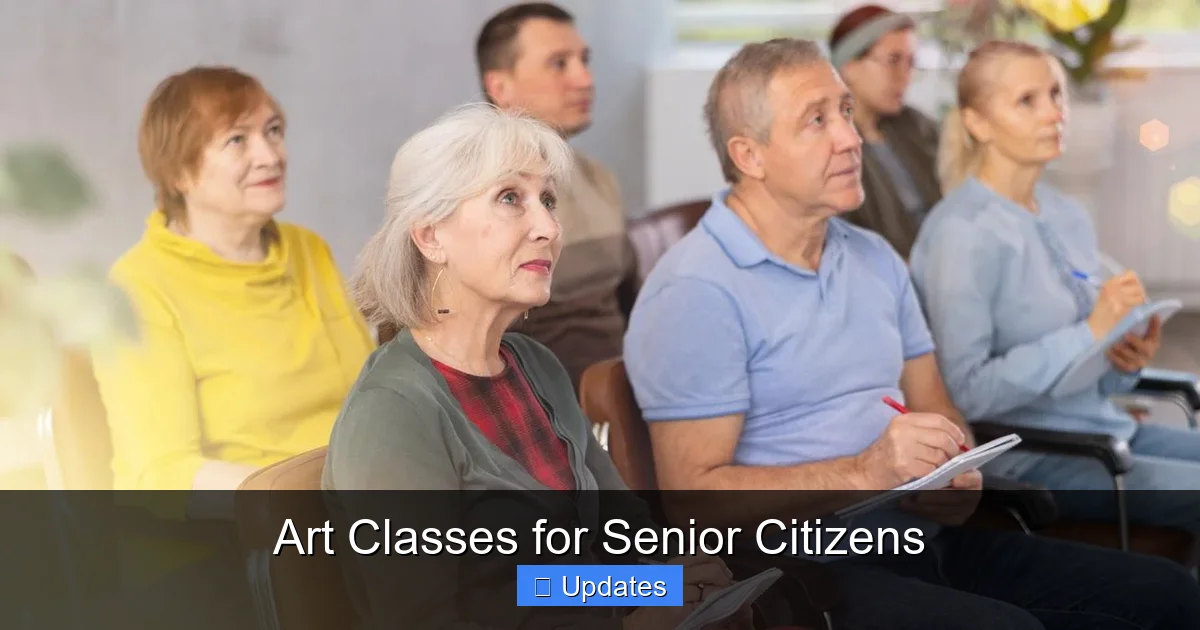
Imagine sitting around a table with six other people, each working on their own painting. You might chat about favorite artists, compare color choices, or share stories inspired by your work. These moments build camaraderie and remind everyone that they’re not alone.
Types of Art Classes Perfect for Seniors
Visual guide about Art Classes for Senior Citizens
Image source: static.vecteezy.com
Not all art classes are created equal—but thankfully, there’s something for every interest and ability level. Here are some popular options that seniors love:
Watercolor Painting
Watercolors are gentle on the joints and forgiving for beginners. They allow for soft blends and dreamy effects that many find relaxing. Plus, they’re portable—you can take your supplies to a park or sit by the window.
Instructors often start with simple subjects like flowers, landscapes, or still lifes. Participants learn basic techniques like wet-on-wet and layering, then gradually build confidence. Many classes emphasize enjoyment over perfection, which keeps the experience stress-free.
Drawing and Sketching
Whether it’s charcoal, pencil, or ink, drawing helps develop observation skills and patience. Seniors enjoy sketching everyday objects—a teacup, a cat, a view from the window—because the subject matter feels familiar and comforting.
Some instructors incorporate guided imagery or mindfulness practices to help students stay focused. Others use group critiques (done kindly!) to encourage growth. The key is creating a non-judgmental space where everyone feels supported.
Painting with Acrylics
Acrylics dry quickly and come in vibrant colors, making them fun for expressive projects. They’re also versatile—ideal for abstract art, portraits, or even murals.
Many senior-focused studios offer short, intensive sessions where participants complete a full piece in one class. This sense of accomplishment is incredibly motivating. Some classes even theme their projects—like “Paint Your Favorite Season” or “Memories of Childhood.”
Pottery and Ceramics
There’s something magical about shaping raw clay into a bowl, vase, or figurine. Pottery taps into a primal sense of creation and leaves participants with tangible keepsakes.
Wheel throwing can be challenging for those with mobility issues, but hand-building techniques like pinching, coiling, and slab construction are accessible to almost anyone. Many studios provide adaptive tools and seating options to ensure comfort.
Digital Art and Photography
For tech-savvy seniors, digital art is a modern twist on creativity. Using tablets or computers, students can paint, edit photos, or create animations. Introductory classes often cover basics like layers, filters, and file formats.
Photography classes are also growing in popularity. Participants learn composition, lighting, and how to use smartphones or point-and-shoot cameras. Field trips to local landmarks or gardens make these sessions even more enjoyable.
Collage and Mixed Media
This category lets seniors experiment freely—gluing fabric, paper, buttons, or found objects onto boards. It’s ideal for those who want flexibility and don’t feel tied to traditional mediums.
Mixed media encourages storytelling. A former teacher might include old photos of classrooms; a retired nurse might weave medical symbols into a heart-shaped collage. Personal narratives become visual memories.
Finding the Right Art Class Near You
Visual guide about Art Classes for Senior Citizens
Image source: assets-global.website-files.com
Ready to take the leap? The next step is finding a class that fits your lifestyle. Here’s how to get started:
Check Local Community Centers
Most cities have senior centers, recreation departments, or YMCA branches offering weekly art workshops. Programs like YMCA membership cost for senior citizens may include discounted or free access to art classes. Call ahead to ask about beginner-friendly options and class sizes.
Explore Nonprofit Organizations
Groups such as the National Association for Human Development (NAHD) or local arts councils sponsor affordable programs. Some nonprofits even offer sliding-scale fees based on income. Look for flyers at libraries, churches, or grocery stores.
Online Platforms Offer Flexibility
If transportation is difficult, virtual classes are a game-changer. Websites like Skillshare, Udemy, and YouTube host tutorials on everything from oil painting to calligraphy. Live-streamed Zoom sessions let you interact with instructors and classmates in real time.
Pro tip: Set up a dedicated art space at home—even a corner with a folding table and good lighting goes a long way. Keep supplies organized so you’re always ready to create.
Consider Intergenerational Programs
Some schools partner with senior centers for joint art days. Grandparents and grandchildren paint together, exchange stories, and bond over shared creativity. These events promote understanding and leave lasting memories.
Overcoming Common Barriers to Joining Art Classes
You might hesitate to sign up because you think: “I’m not creative enough,” “It’s too expensive,” or “I’ll be the oldest person there.” Let’s address these concerns head-on.
Fear of Judgment
Remember: every artist starts somewhere. In senior art classes, the emphasis is on participation, not performance. Instructors praise effort, not perfection. Most participants are supportive, not critical. As one student put it, “We’re all in this together—no one cares if my lines are crooked.”
Cost Concerns
Affordability shouldn’t stop you. Many community colleges offer free or low-cost classes for residents over 60. Others run grant-funded programs through local foundations. Donations are often welcome but never required. Even if you pay a small fee, the return on investment—in happiness, health, and connections—is huge.
Physical Limitations
Accessibility matters. Look for studios with ramps, adjustable tables, and ergonomic tools. Seated classes are common and perfectly valid. If standing causes fatigue, bring a stool. Adaptive utensils (larger grips, angled brushes) make painting easier for those with arthritis or tremors.
Lack of Transportation
Solution: Ride-share services, volunteer driver programs, or family rides can solve the commute issue. Alternatively, ask if the studio offers pick-up/drop-off within a certain radius.
Time Constraints
Short attention spans? Try weekend workshops or afternoon drop-ins. Many classes meet once a week for 90 minutes—manageable and impactful. Even 30-minute sketching sessions count!
Success Stories: Real Seniors, Real Transformations
Don’t just take our word for it. Here are a few inspiring examples:
– **Martha, 72**, joined a watercolor class after retiring. She hadn’t painted since childhood but loved the meditative quality. Within months, she sold her first piece at a local gallery and now teaches weekly sessions at her church.
– **James, 68**, used pottery to recover from knee surgery. The repetitive motions helped rebuild muscle strength. He now makes mugs for friends and family, each one signed with his name.
– **Elena, 79**, took up photography to document her travels in Italy. Her Instagram account, @GrandmaLens, has over 10,000 followers who adore her vintage-style shots of cafes and sunsets.
These stories show that art isn’t just a hobby—it’s a lifeline.
Tips for Making the Most of Your Art Experience
Want to get maximum benefit? Try these strategies:
– **Start Small:** Begin with one class per week. Consistency beats intensity.
– **Bring Joy, Not Pressure:** Focus on fun, not finishing projects.
– **Document Progress:** Keep a sketchbook to see how far you’ve come.
– **Share Your Work:** Display pieces in your home or at community events.
– **Invite Friends:** Turn a solo habit into a social activity.
– **Experiment Freely:** Mix media, try new styles, and embrace “happy accidents.”
– **Celebrate Milestones:** Finish a piece? Host a mini-show with tea and cookies.
Remember, the goal isn’t mastery—it’s connection, growth, and daily delight.
Conclusion: A Brushstroke Toward Fulfillment
Art classes for senior citizens are more than creative outlets—they’re gateways to vitality, community, and self-discovery. In a society that sometimes overlooks the wisdom and spirit of older adults, these classes affirm that aging doesn’t mean slowing down. It means evolving, exploring, and expressing in new ways.
Whether you choose watercolor, pottery, or digital design, your hands are capable, your mind is sharp, and your heart is open. So grab that palette knife, dust off your sketchpad, or plug in your tablet. The canvas awaits.
And who knows? You might just find yourself laughing, learning, and lighting up the room—one stroke at a time.
Frequently Asked Questions
Are art classes suitable for seniors with limited mobility?
Absolutely. Many studios offer seated classes, adaptive tools, and modified techniques. Hand-building pottery or using large-grip brushes makes art accessible regardless of physical ability.
How much do senior art classes usually cost?
Prices vary widely. Community centers often charge $10–$30 per class, while nonprofit programs may be free. Online courses range from $5–$50 monthly. Always ask about scholarships or sliding-scale fees.
Do I need prior experience to join an art class?
No! Most senior-focused classes welcome beginners. Instructors emphasize process over product, so there’s no pressure to be “good” at art. Just bring curiosity and enthusiasm.
Can art classes help with dementia or memory loss?
Yes. Structured creative activities engage multiple brain regions and can delay cognitive decline. Studies show art therapy improves focus and emotional regulation in individuals with early-stage dementia.
What if I can’t attend in person? Are online options available?
Definitely. Platforms like Zoom, YouTube, and specialized websites offer live and recorded art lessons. You’ll still interact with instructors and peers while staying comfortable at home.
How do I choose the right type of art class?
Think about your interests and goals. Love nature? Try watercolors. Prefer hands-on projects? Explore pottery. Want tech integration? Consider digital art. Visit a few classes before committing—many offer trial sessions.