
Bed Alarm vs Motion Sensor for Senior Safety


Mattress Topper Memory Foam

Page Magnifier Sheet

Reacher Grabber Tool
Bed Alarm vs Motion Sensor is a useful comparison when a senior may get out of bed without assistance. Both can alert a caregiver, but they detect different things. A bed alarm focuses on changes around the bed, while a motion sensor usually detects movement within a selected area.
The better choice depends on what you need to monitor. A bed alarm may suit someone who mainly needs supervision when leaving the bed. A motion sensor may make more sense when the concern also includes movement around the bedroom or toward a doorway.
The right device should support supervision, not replace appropriate care.
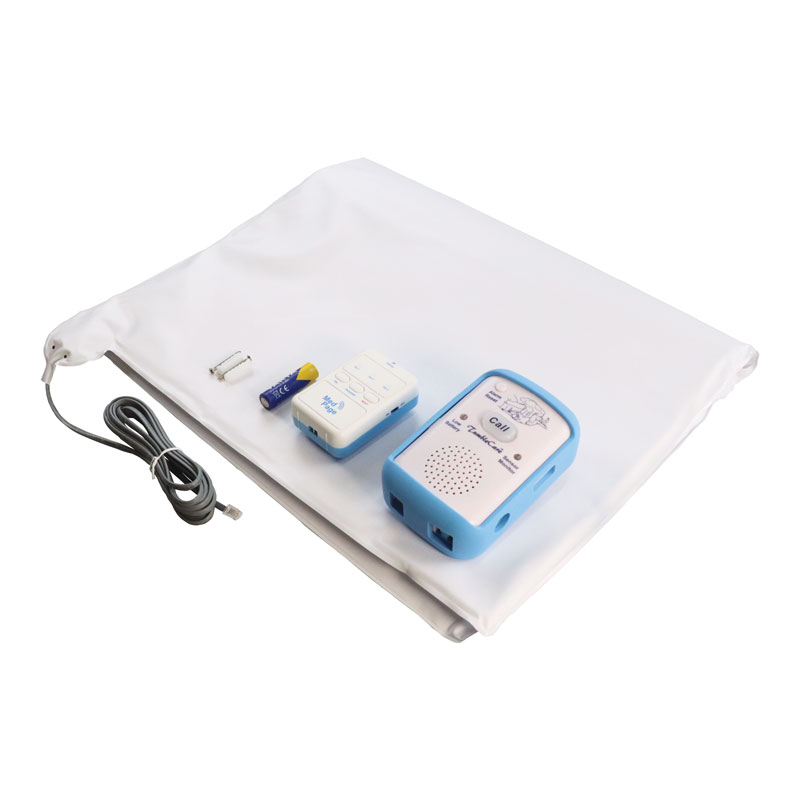
Quick Comparison
For seniors who mainly need an alert when they leave the bed, a bed alarm is usually the more targeted option. It can monitor bed position or weight changes, depending on the design.
A motion sensor is more useful when the caregiver wants to monitor movement in a wider area. It can work near a bed, doorway, or other location, but its alert is based on detected motion rather than specifically confirming that someone has left the bed.
The biggest difference is simple: bed alarms monitor the bed, while motion sensors monitor movement.
Bed Alarm vs Motion Sensor At A Glance
The two systems can serve similar caregiving goals, but their detection methods are different.
| Feature | Bed Alarm | Motion Sensor |
|---|---|---|
| Main purpose | Detect bed movement or exit | Detect movement in an area |
| Best location | Bed or mattress area | Bedroom, doorway, or selected area |
| Bed-specific alerts | Yes, depending on design | Usually no |
| Wider movement detection | Limited | Yes |
| Setup | Usually near or on the bed | Mount or position in target area |
| Privacy | Usually high | Depends on sensor type |
| Caregiver alerts | Alarm, pager, or connected alert | Alarm, receiver, pager, or app |
| Best suited for | Bed-exit monitoring | General movement monitoring |
Bed Alarm Review
A bed alarm is designed around one main event: movement associated with getting out of bed. Different systems use pressure pads, mattress sensors, bed-frame sensors, wearable sensors, or other detection methods.
For a senior who needs help before leaving the bed, this focused approach can make the alert more relevant.
Ease of Use
A bed alarm can be simple once it is installed correctly. The main task is usually placing the sensor in the correct position and arming the system.
Some designs are placed under the mattress or on the bed. Others may use a pad or a wearable component. The exact setup therefore varies by product.
A caregiver should check that the sensor remains correctly positioned. A misplaced sensor can affect how reliably the system responds.
Key Strengths
- Designed specifically around bed movement
- Can provide a focused bed-exit alert
- Some systems support remote caregiver alerts
- May reduce the need for the senior to operate a device
- Useful when nighttime bed exits are the main concern
Potential Drawbacks
- Setup depends on the sensor design
- Some systems can produce nuisance alerts
- Pressure-based systems may require correct placement
- Some models need batteries or other ongoing maintenance
- A bed alarm does not physically stop a person from getting out of bed
Motion Sensor Review
A motion sensor detects movement within a defined area. Many systems use passive infrared technology to detect changes in movement and can be positioned near a bed, doorway, or another location.
This makes a motion sensor more flexible when the caregiver wants to know that someone has moved beyond a particular point.
Ease of Use
Motion sensors can be straightforward to install. The main challenge is choosing the right position and detection direction.
For example, a sensor aimed at the side of a bed may detect movement when a person gets up. Another sensor positioned near a doorway can alert a caregiver when someone moves through that area.
The detection range and angle matter. A poorly positioned sensor may miss movement or detect activity that does not require attention.
Key Strengths
- Can monitor a wider area
- Useful beyond the bed itself
- Can work near bedrooms, hallways, or doors
- Some systems send alerts to a remote receiver or pager
- May be useful for caregivers monitoring movement at night
Potential Drawbacks
- Does not necessarily confirm that the person has left the bed
- Positioning can affect detection
- Other movement in the detection area may cause alerts
- Some systems may need regular battery replacement
- Privacy and room placement should be considered
Which Is Easier for Seniors to Use?
Neither device usually requires the senior to press buttons during normal operation. That can be helpful for someone who may have difficulty remembering controls or using small switches.
A bed alarm has an advantage when the goal is specifically to monitor bed exit. The senior generally does not need to interact with the sensor once it is correctly installed.
A motion sensor can also be hands-off. However, its location and detection area need more attention during setup.
| Senior Need | Bed Alarm | Motion Sensor |
|---|---|---|
| No device interaction | Strong fit | Strong fit |
| Bed-exit monitoring | Strong fit | Depends on placement |
| Monitoring a doorway | Limited | Strong fit |
| Monitoring wider room movement | Limited | Strong fit |
| Simple daily use | Usually simple | Usually simple |
For a senior with limited dexterity, the important factor is often not the button size but whether the system requires daily interaction, charging, repositioning, or troubleshooting.
Performance Comparison
Performance depends heavily on the sensor type and installation.
A bed alarm is more specific when the event of interest is movement from the bed. Some systems can detect a change in position before or during an attempted exit, while others alert after weight leaves the sensor.
A motion sensor instead responds to detected movement in its coverage area. It may be useful for monitoring a path from the bed to a door, but it does not necessarily know why the person moved.
This distinction matters.
If the caregiver needs to know “Did this person start leaving the bed?”, a bed-focused system may provide more relevant information.
If the caregiver needs to know “Did this person move through this area?”, a motion sensor may be more useful.
Comfort, Accessibility, and Senior-Friendly Design
Both options can be relatively unobtrusive when properly installed.
A bed alarm that sits beneath a mattress or uses a non-wearable sensor may avoid adding something to the senior’s clothing. However, the sensor still needs correct placement.
A motion sensor can keep the senior completely free of equipment. Its main accessibility consideration is the installation location.
For seniors who value privacy, the sensor technology also matters. A basic motion sensor is different from a camera-based monitoring system. Families should understand exactly what the device detects and where information is sent.
Features Comparison
The most useful features are those that make an alert easier for the caregiver to receive and respond to.
| Feature | Bed Alarm | Motion Sensor |
|---|---|---|
| Bed-exit detection | Main purpose | Indirect |
| Room movement | Limited | Main strength |
| Remote alerts | Available on some systems | Available on some systems |
| Adjustable detection | Depends on model | Often available |
| Wearable-free options | Available | Common |
| Placement flexibility | Mostly bed-focused | Generally broader |
Some advanced systems can connect alerts to pagers, phones, nurse-call systems, or other receivers. These features vary widely by product.
Price, Maintenance, and Long-Term Value
Price varies greatly because both categories include simple standalone devices and more advanced wireless systems.
A basic bed alarm may be inexpensive, while a connected system with remote notifications can cost considerably more. Motion sensors also range from simple local alarms to wireless systems with receivers or app-based alerts.
Look beyond the initial price.
| Cost Factor | Bed Alarm | Motion Sensor |
|---|---|---|
| Sensor replacement | May be needed | May be needed |
| Batteries | Common on some models | Common on some models |
| Installation | Usually bed-focused | Usually location-focused |
| Accessories | Varies | Varies |
| Remote monitoring | Depends on system | Depends on system |
| Long-term value | Strong for bed-specific needs | Strong for wider monitoring |
A cheaper device is not necessarily better value if it produces frequent unwanted alerts or does not cover the area you actually need to monitor.
Who Should Choose a Bed Alarm?
A bed alarm may be a better fit if:
- The main concern is getting out of bed.
- The caregiver wants a bed-specific alert.
- The senior does not need to interact with the device.
- Nighttime bed movement is the main monitoring concern.
- A focused sensor is preferred over room-wide detection.
Who Should Choose a Motion Sensor?
A motion sensor may be more suitable if:
- You want to monitor movement beyond the bed.
- A doorway or hallway is important.
- The caregiver wants flexible sensor placement.
- The senior moves between different areas.
- A bed-specific sensor would not cover the main concern.
Bed Alarm vs Motion Sensor — Final Verdict
There is no universal winner because these devices solve slightly different monitoring problems.
Best for bed-exit monitoring: Bed Alarm
Best for wider movement monitoring: Motion Sensor
Best for a focused bed area: Bed Alarm
Best for flexible placement: Motion Sensor
The key decision is what you want the alert to tell you. If the important event is movement from the bed, a bed alarm is usually the more direct choice. If the concern is movement through a room, doorway, or other area, a motion sensor may provide broader coverage.
Scoring Summary
Scores are only useful when they reflect the actual purpose of each device. Because sensor designs vary, these ratings should be viewed as category-level guidance rather than ratings for every product.
| Category | Bed Alarm | Motion Sensor |
|---|---|---|
| Bed-exit monitoring | 9/10 | 6/10 |
| Wider movement coverage | 6/10 | 9/10 |
| Ease of daily use | 9/10 | 9/10 |
| Setup flexibility | 7/10 | 9/10 |
| Caregiver usefulness | 9/10 | 9/10 |
How We Evaluate Products
For this comparison, the main focus is practical senior use rather than marketing claims.
We consider:
- Ease of setup
- Ease of daily use
- Detection purpose
- Accessibility
- Caregiver alerts
- Privacy
- Maintenance
- Flexibility
- Safety
- Long-term practicality
The goal is to match the monitoring method with the situation rather than assume that one type of device works for everyone.
Senior-Specific Buying Considerations
Before choosing either device, consider these practical points.
Physical Effort
The senior should not need to lift, adjust, or operate the sensor during normal use.
Controls
Check whether the caregiver can easily arm, silence, reset, or adjust the system.
Maintenance
Look at battery replacement, sensor cleaning, repositioning, and other routine tasks.
Setup
Make sure the detection area matches the actual bed, room, or doorway.
Alert Method
Consider whether the caregiver needs a local sound, pager, vibration alert, phone notification, or another method.
Privacy
Understand whether the device uses simple movement detection or another monitoring technology.
Common Buying Mistakes
Avoid these common problems:
- Choosing a motion sensor when bed-specific detection is needed
- Choosing a bed alarm when wider room monitoring is the real goal
- Ignoring detection range and sensor placement
- Buying a system with an alert method the caregiver may miss
- Focusing only on the purchase price
- Forgetting battery and replacement needs
Safety
A bed alarm or motion sensor should be treated as an alerting tool, not a physical fall-prevention solution.
An alarm can notify a caregiver, but someone still needs to respond appropriately. Bed alarms also should not be treated as a substitute for proper supervision, individualized fall-risk planning, or professional care when those are needed.
For a senior with a significant fall risk, confusion, mobility problem, or other health concern, discuss the overall safety plan with an appropriate healthcare professional.
Conclusion
Bed Alarm vs Motion Sensor comes down to the type of movement you need to monitor. A bed alarm is more targeted to bed exits, while a motion sensor can provide broader coverage around a room, doorway, or other area.
For a senior who mainly needs monitoring when getting out of bed, a bed alarm may be the more direct solution. For caregivers who need wider movement awareness, a motion sensor may offer more flexibility. In either case, correct setup and a reliable caregiver response are just as important as the device itself.