
Fitbit vs Garmin for Seniors: Which Is Better?


Mattress Topper Memory Foam

Adjustable Bed Frame

Indoor Security Camera
Fitbit vs Garmin is a useful comparison for seniors who want a wearable for activity, sleep, heart-rate, and everyday fitness tracking. The main difference is that Fitbit tends to focus on simple health and activity tracking, while Garmin offers a wider range of fitness-focused watches.
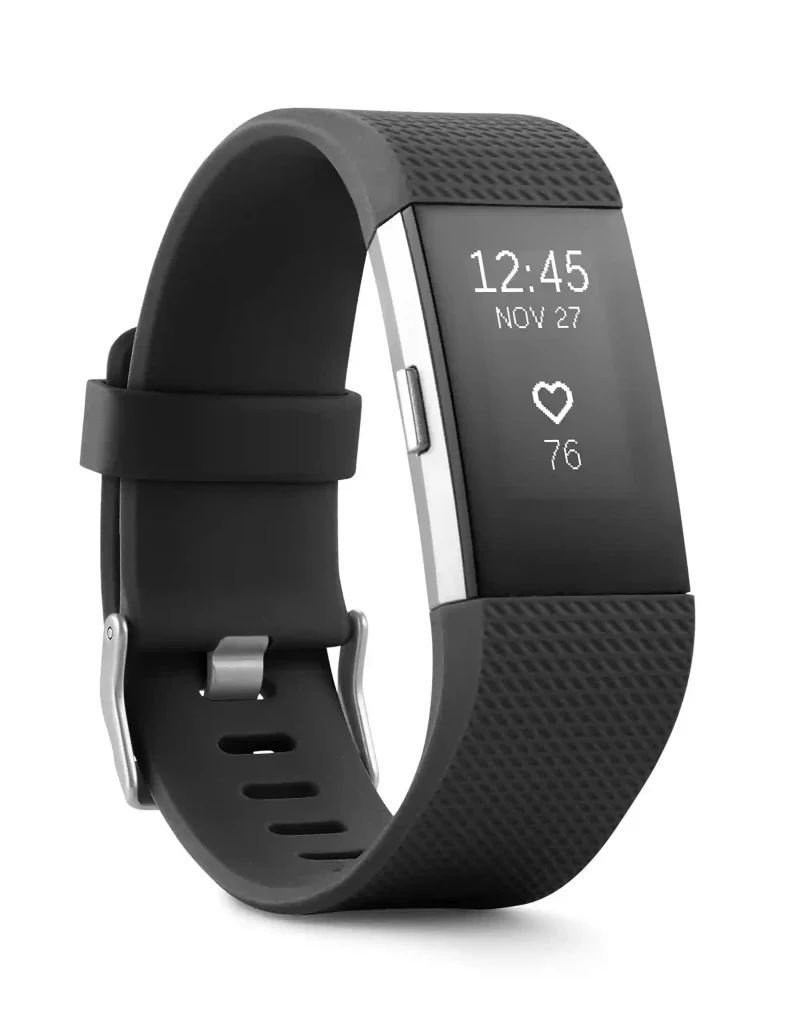
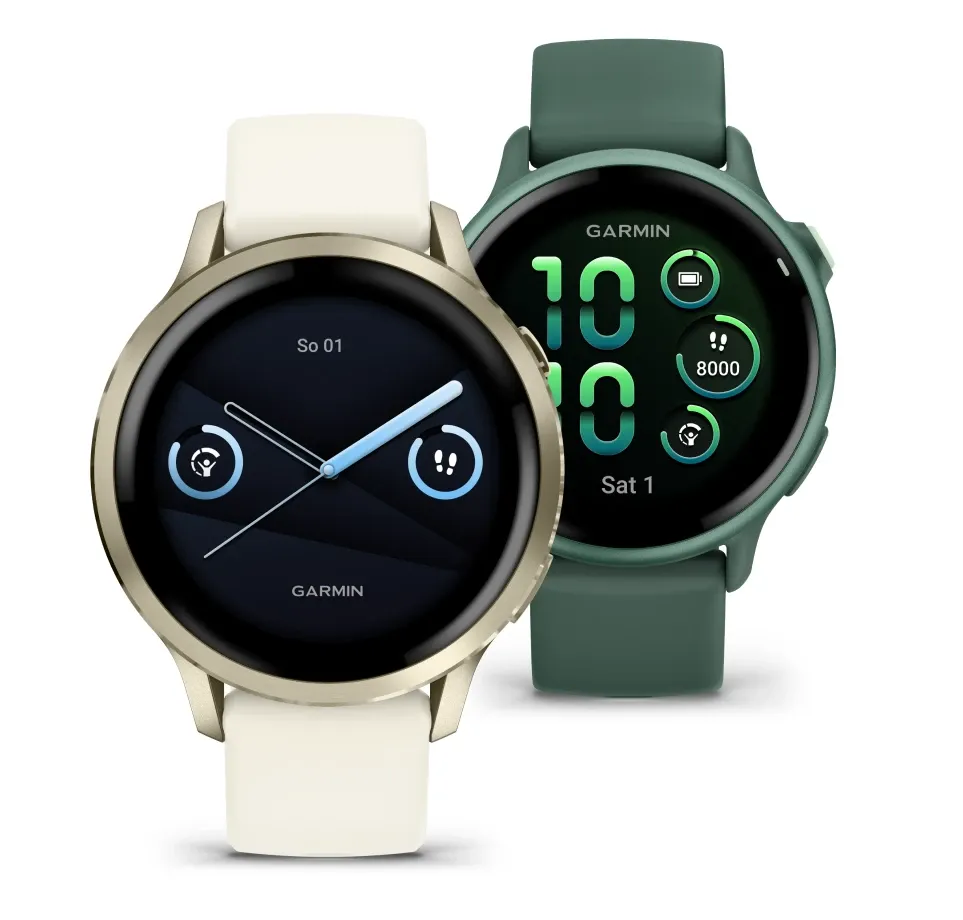
For a practical comparison, the Fitbit Charge 6 and Garmin vívoactive 6 show the difference well. Charge 6 is a smaller tracker with built-in GPS and up to seven days of battery life. vívoactive 6 is a fuller smartwatch with a larger AMOLED display and up to 11 days of battery life.
Quick Comparison
For seniors who want a small, simple fitness tracker, Fitbit Charge 6 may be easier to live with. For someone who wants a larger screen, longer battery life, built-in GPS, and more fitness features, Garmin vívoactive 6 offers a broader package.
The biggest difference is not simply brand quality. It is the type of wearable each person wants. Fitbit is more compact, while Garmin provides more watch-like functionality.
Fitbit vs Garmin At a Glance
The table below compares representative current models rather than every device made by either brand.
| Feature | Fitbit Charge 6 | Garmin vívoactive 6 |
|---|---|---|
| Form | Fitness tracker | Fitness smartwatch |
| Weight | 30 g | 36 g with band |
| Display | Color AMOLED touchscreen | AMOLED touchscreen |
| Battery | Up to 7 days | Up to 11 days |
| Built-in GPS | Yes | Yes |
| Sleep tracking | Yes | Yes |
| Heart-rate tracking | Yes | Yes |
| Water rating | Water resistant | 5 ATM |
| Payments | Google Wallet | Garmin Pay |
| Music storage | No | Yes |
| Large font option | — | Yes |
Fitbit’s Charge 6 weighs 30 g and has built-in GPS. Garmin’s vívoactive 6 weighs 36 g with its included band and has a large-font option, music storage, Garmin Pay, and up to 11 days of smartwatch battery life.
Fitbit Charge 6 Review for Older Adults
Fitbit Charge 6 is a compact tracker designed around daily activity, exercise, sleep, and health measurements. Its smaller body may appeal to someone who does not want a large watch on the wrist.
Ease of Use
Charge 6 uses a color AMOLED touchscreen with a physical button. Users can tap and swipe through the interface, while the button provides another way to navigate.
Its smaller size can be helpful for people who prefer a lightweight wearable. At 30 g, it is lighter than the vívoactive 6 with its band.
Charge 6 also supports notifications, alarms, Google Maps, and Google Wallet. Some features depend on the paired phone, account, app, or subscription.
Key Strengths
- Compact and lightweight design
- Built-in GPS
- Up to seven days of claimed battery life
- Sleep and activity tracking
- Heart-rate tracking
- Google Maps and Google Wallet support
- Over 40 exercise modes
Fitbit states that Charge 6 can track more than 40 exercise types and record GPS data.
Potential Drawbacks
- Smaller screen than a typical smartwatch
- GPS use can reduce battery life
- Some features require a Google Health app or paid subscription
- Smaller controls may not suit everyone
- Less smartwatch functionality than a full Garmin watch
Fitbit says Charge 6 can last up to seven days under its stated battery conditions, but continuous built-in GPS can reduce battery life to about five hours.
Garmin vívoactive 6 Review for Seniors
Garmin vívoactive 6 is closer to a traditional smartwatch. It combines health and fitness tracking with a larger color display, built-in GPS, music storage, payments, and broader fitness features.
Ease of Use
The larger 1.2-inch AMOLED display gives vívoactive 6 more screen space than a compact tracker. Garmin also provides a large-font option, which can be useful for users who prefer larger text.
It weighs 36 g with the included band. That is still relatively light for a smartwatch, although it is heavier than Charge 6.
Key Strengths
- Larger AMOLED display
- Large-font option
- Up to 11 days of smartwatch battery life
- Built-in GPS
- Music storage
- Garmin Pay
- Sleep score and insights
- 5 ATM water rating
- Wide range of fitness features
Garmin lists vívoactive 6 at up to 11 days in smartwatch mode, with up to 21 hours in GPS-only mode and up to 17 hours using all satellite systems.
Potential Drawbacks
- Larger than a basic fitness tracker
- More features can mean more settings to learn
- Heavier than Charge 6
- May be unnecessary for someone who only wants basic activity tracking
The extra functionality is useful for active users, but a senior who mainly wants steps, sleep, and basic exercise data may not need every available feature.
Which Is Easier for Seniors to Use?
Ease of use depends heavily on what the wearer wants from the device.
A simpler device can be easier to use, while a larger device can be easier to read.
Fitbit Charge 6 has the advantage in size and weight. Its 30 g body is lighter than the 36 g vívoactive 6 with its band. That difference is small, but it may matter to someone who dislikes wearing a larger watch.
Garmin has the advantage in display space and large-font support. For someone who values readable information and does not mind a conventional smartwatch design, the larger screen may be easier to interact with.
For a small, lightweight wearable: Fitbit has an advantage.
For a larger display and more on-screen information: Garmin has an advantage.
Performance Comparison
Both devices cover the basic needs of an active senior, including activity tracking, heart-rate monitoring, sleep information, and GPS-based exercise tracking.
Fitbit Charge 6 includes built-in GPS and tracks steps, distance, swimming, cardio fitness, sleep, heart rate, and other health and wellness information.
Garmin vívoactive 6 adds a broader fitness platform. Garmin positions the watch within its health and fitness smartwatch range, with GPS, sleep insights, music, payments, and multiple activity features.
| Performance Area | Fitbit Charge 6 | Garmin vívoactive 6 |
|---|---|---|
| Daily activity | Strong | Strong |
| Sleep tracking | Yes | Yes |
| GPS | Built-in GPS | Built-in GPS |
| Fitness depth | Moderate | Broad |
| Battery life | Up to 7 days | Up to 11 days |
| Music storage | No | Yes |
For basic daily activity, both are capable. Garmin becomes more useful when the wearer wants deeper fitness features and longer battery life.
Comfort, Accessibility, and Senior-Friendly Design
Comfort is personal, so there is no universal winner.
Charge 6 is the better fit for someone who prefers a narrow, lightweight tracker. Its 30 g weight makes it easy to wear throughout the day.
Garmin vívoactive 6 is slightly heavier but provides a larger display and a large-font option. That can make the extra weight worthwhile for someone who values screen readability.
For seniors with different needs, the better choice may therefore change. A person who dislikes bulky watches may prefer Fitbit. Someone who wants larger text and more information on the wrist may prefer Garmin.
Features Comparison
The feature gap becomes clearer when looking beyond basic step counting.
| Feature | Fitbit Charge 6 | Garmin vívoactive 6 |
|---|---|---|
| Built-in GPS | Yes | Yes |
| Google Wallet | Yes | — |
| Garmin Pay | — | Yes |
| Music storage | — | Yes |
| Large font | — | Yes |
| Sleep insights | Yes | Yes |
| Water rating | Water resistant | 5 ATM |
Garmin’s vívoactive 6 includes music storage, Garmin Pay, sleep score and insights, a large-font option, and 5 ATM water resistance.
Fitbit Charge 6 adds Google Maps and Google Wallet, along with exercise tracking and notifications.
Price, Maintenance, and Long-Term Value
Price changes over time, so it is better to compare the overall package than rely on a temporary sale price.
At the time of checking, Google’s store lists Charge 6 at $159.95 in the U.S. Garmin’s price varies by model and retailer, and the vívoactive line sits in a different smartwatch segment.
| Cost Factor | Fitbit Charge 6 | Garmin vívoactive 6 |
|---|---|---|
| Initial cost | Lower-tier wearable | Higher-tier smartwatch |
| Charging | About every few days | Less frequent |
| Battery claim | Up to 7 days | Up to 11 days |
| Accessories | Fitbit bands and charger | Garmin bands and charger |
| Subscription | Some features may require one | Core watch functions do not depend on Fitbit Premium |
Fitbit notes that some Charge 6 features require a Google Health app and/or paid subscription.
For long-term value, consider how many features will actually be used. Paying more for a watch makes less sense if the wearer only wants basic activity and sleep tracking.
Who Should Choose Fitbit Charge 6?
Choose Fitbit Charge 6 if:
- You want a small and lightweight tracker.
- You prefer a simple fitness-focused design.
- You want built-in GPS without carrying your phone during an activity.
- You mainly track steps, sleep, heart rate, and exercise.
- You prefer Google services such as Google Maps and Google Wallet.
- You do not need a large smartwatch display.
Who Should Choose Garmin vívoactive 6?
Choose Garmin vívoactive 6 if:
- You want a larger smartwatch-style display.
- Larger text is important to you.
- You want longer claimed battery life.
- You want music storage on the watch.
- You want Garmin Pay.
- You want broader fitness features.
- You expect to use the watch for exercise as well as everyday wear.
Fitbit vs Garmin — Final Verdict
For seniors, Fitbit Charge 6 and Garmin vívoactive 6 serve different priorities. Charge 6 is smaller, lighter, and more focused on essential fitness tracking. vívoactive 6 provides a larger display, longer claimed battery life, and a broader smartwatch and fitness feature set.
Best for a lightweight tracker: Fitbit Charge 6
Best for a larger display: Garmin vívoactive 6
Best for longer battery life: Garmin vívoactive 6
Best for basic daily tracking: Fitbit Charge 6
Best for broader fitness features: Garmin vívoactive 6
The better choice depends on whether simplicity and compact size matter more than screen size and advanced features.
Scoring Summary
Scores are used here as a practical comparison of the representative models, not as laboratory measurements.
| Category | Fitbit Charge 6 | Garmin vívoactive 6 |
|---|---|---|
| Ease of Use | 9/10 | 8/10 |
| Senior-Friendly Design | 9/10 | 9/10 |
| Performance | 8/10 | 9/10 |
| Battery Life | 8/10 | 10/10 |
| Feature Range | 8/10 | 10/10 |
| Value | 9/10 | 8/10 |
These scores reflect the practical differences discussed above, especially size, display, battery, and feature range.
How We Evaluate Products
We focus on features that can affect everyday use for older adults. That includes ease of operation, accessibility, comfort, battery life, performance, maintenance, safety, and long-term value.
This comparison uses manufacturer and official support information for the representative devices. It does not claim hands-on testing or laboratory testing. Fitbit and Garmin specifications can also differ between models.
Senior-Specific Buying Considerations
Before choosing between Fitbit and Garmin, check these practical points.
Display and Controls
Think about whether a small tracker or larger watch display will be easier to read and operate.
Battery
Consider how often the wearer is willing to charge the device. Garmin’s vívoactive 6 has a longer claimed smartwatch battery life than Charge 6.
Phone Compatibility
Check the required phone, app, account, and operating-system requirements before buying. Charge 6, for example, requires a Google Account and compatible phone software.
Features
Avoid paying for features that will never be used. Basic activity tracking does not require the same device as detailed fitness training.
Common Buying Mistakes
Avoid these mistakes when choosing between Fitbit and Garmin:
- Choosing based only on brand name.
- Ignoring the size of the display.
- Buying more fitness features than you need.
- Forgetting to check phone compatibility.
- Assuming claimed battery life will be the same with GPS and always-on features.
- Ignoring subscription requirements for specific features.
Safety
Wearables can provide useful fitness and wellness information, but they should not be treated as medical diagnostic devices. Fitbit specifically notes that some measurements, such as SpO2 information, are intended for wellness and tracking purposes rather than diagnosis or treatment.
If a wearable is being considered for a health condition or a safety-critical purpose, discuss the appropriate device and its limitations with a healthcare professional.
Conclusion
Fitbit Charge 6 is a sensible option for seniors who want a lightweight tracker with essential activity, sleep, heart-rate, and GPS features. Garmin vívoactive 6 is better suited to someone who wants a larger screen, longer battery life, and a wider range of smartwatch and fitness functions.
The key question is simple: Do you want a compact fitness tracker or a fuller smartwatch? That choice matters more than the brand name alone.