
Fall Mat vs Bed Alarm for Seniors: Key Differences


Lightweight Vacuum Cleaner

Shiatsu Neck Massager

Indoor Security Camera
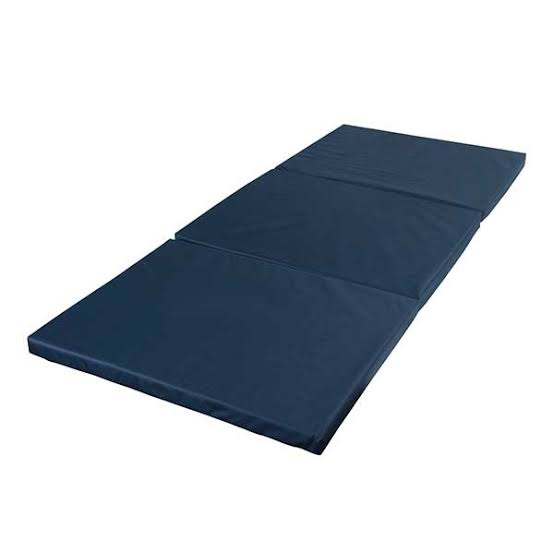
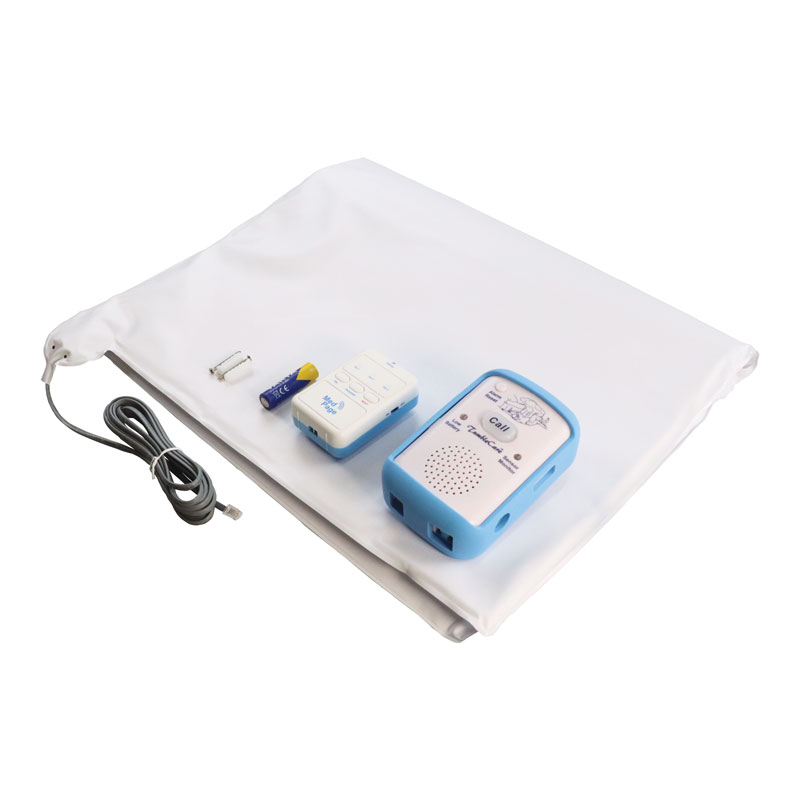
A Fall Mat vs Bed Alarm comparison comes down to two different approaches to fall safety. A fall mat is placed beside the bed to provide a softer surface near the floor. A bed alarm is designed to alert a caregiver when someone gets out of bed or changes position.
The right choice depends on the situation. A fall mat may help reduce the impact of a fall beside the bed, while an alarm may give a caregiver a chance to respond when a person begins leaving the bed. Neither should be viewed as a complete fall-prevention solution. Fall-prevention guidance emphasizes using several measures based on the person’s individual risks.
Quick Comparison
For a senior who needs a physical surface beside the bed, a fall mat may be more useful. It does not require buttons, batteries, or an alert system.
A bed alarm may be more useful when a caregiver needs an alert that someone is getting out of bed. However, an alarm only helps when someone can respond to it quickly. Guidance from AHRQ notes that over-reliance on bed alarms can be a problem, and some evidence has not shown them to prevent falls on their own.
The two products can also be used together in some care settings.
Fall Mat vs Bed Alarm At a Glance
These products address different parts of the fall-risk problem.
| Feature | Fall Mat | Bed Alarm |
|---|---|---|
| Main purpose | Reduce impact area beside bed | Alert caregiver to bed exit |
| Physical protection | Yes, depending on design | No |
| Caregiver alert | No | Yes |
| Batteries required | Usually no | Depends on model |
| Setup | Place beside bed | Install or position sensor |
| Noise | Usually silent | Uses an alert |
| Maintenance | Basic cleaning | Battery or sensor maintenance may apply |
| Best suited to | Reducing injury risk from a bedside fall | Caregiver notification |
Fall Mat Review for Senior Bedrooms
A fall mat is a simple safety product placed beside a bed. Its main role is different from an alarm. Instead of warning someone that a person is leaving the bed, it provides a surface beside the bed.
AHRQ’s long-term-care materials list a floor mat among possible interventions used alongside other fall-risk measures.
Ease of Use
A fall mat is usually straightforward to use. There are no controls to learn, and there is normally no charging or programming.
The main concern is placement. The mat needs to sit where a person could actually land after getting out of bed. It should also stay flat and secure so that it does not become a new tripping hazard.
Key Strengths
- Simple to position
- No alert system to learn
- Usually does not need a power source
- Can provide a protective surface beside the bed
- Quiet during normal use
- Can work alongside other safety measures
Potential Drawbacks
- It does not alert a caregiver
- It cannot stop someone from getting out of bed
- It takes up floor space
- Poor placement can create a tripping hazard
- Cleaning requirements depend on the material
A fall mat therefore makes more sense when the main concern is what happens after a person reaches the floor.
Bed Alarm Review for Senior Safety
A bed alarm takes a different approach. Depending on the design, a sensor can detect a bed exit or position change and send an audible or other alert.
This can be useful when a caregiver needs to know that a person is getting out of bed. AHRQ materials describe position or pressure-change alarms as one possible intervention in individualized fall-management plans.
Ease of Use
A bed alarm may require more setup than a fall mat. The sensor must be positioned correctly, and the alert system needs to be working.
Caregivers should also consider where the alert can be heard and how quickly someone can respond.
An alarm is only useful as an alert if the person responsible for responding can hear it and act quickly.
Key Strengths
- Can alert a caregiver to bed movement or exit
- May provide useful warning before or during a bed exit
- Can be incorporated into a broader care plan
- May be useful when nighttime monitoring is important
Potential Drawbacks
- Requires correct setup
- Some systems require batteries or power
- False alarms may become disruptive
- An alert does not physically prevent a fall
- Response time matters
Evidence also shows why alarms should not be treated as a stand-alone solution. AHRQ notes that one large trial did not show a benefit from bed alarms for preventing falls, and other fall-prevention guidance emphasizes individualized interventions rather than relying on one device.
Which Is Easier for Seniors to Use?
For the senior using the product, a fall mat is usually simpler because there is little or nothing to operate.
| Usability Factor | Fall Mat | Bed Alarm |
|---|---|---|
| Buttons | None | May have controls |
| Learning required | Very little | May require setup |
| Charging | Usually none | Depends on model |
| Nighttime use | Passive | Requires working alert |
| Caregiver involvement | Lower | Higher |
| Floor-space needs | Yes | Usually less |
A senior with limited dexterity may find a passive fall mat easier because there is no device to activate.
A bed alarm, however, may offer more useful information to a caregiver when monitoring a person who may get out of bed unexpectedly.
Performance Comparison
The two products cannot be judged by the same performance measure.
A fall mat is mainly about surface coverage, placement, stability, cushioning, and ease of cleaning.
A bed alarm is mainly about detection, alert reliability, sensor placement, and caregiver response.
| Performance Area | Fall Mat | Bed Alarm |
|---|---|---|
| Bedside coverage | Main function | Not applicable |
| Fall-impact protection | Main purpose | No |
| Movement detection | No | Yes |
| Caregiver notification | No | Yes |
| Passive operation | Yes | No |
| Dependence on response | Low | High |
A bed alarm can provide an alert, but it does not guarantee that a caregiver will reach the person before a fall occurs. This limitation is important when considering the product for someone at significant fall risk.
Comfort, Accessibility, and Senior-Friendly Design
A fall mat is generally passive. Once placed correctly, the senior does not need to interact with it.
The main accessibility concern is the floor around the bed. The mat should not interfere with normal walking or create an edge that is easy to catch with a foot.
A bed alarm places more emphasis on the caregiver side of the system. The senior may not need to operate anything, but the sensor must be positioned properly and the alert must be noticeable.
For either option, good lighting and a clear path around the bed are important. The National Institute on Aging recommends keeping night lighting accessible and reducing household fall hazards.
Features Comparison
The most useful features depend on the exact model. Category-level comparisons should therefore focus on the basic functions rather than invented specifications.
| Feature | Fall Mat | Bed Alarm |
|---|---|---|
| Passive protection | Yes | No |
| Bed-exit detection | No | Yes |
| Caregiver alert | No | Yes |
| Cushioning | Often central to design | Not applicable |
| Sensor | No | Usually |
| Power source | Usually unnecessary | Model dependent |
| Cleaning | Surface cleaning | Sensor and equipment care |
Price, Maintenance, and Long-Term Value
Exact prices vary widely by size, construction, sensor type, and brand, so a reliable universal price comparison is not appropriate.
A fall mat may have a simpler ownership model. There are usually fewer components to maintain, although the mat still needs regular cleaning and inspection.
A bed alarm can involve more components. Depending on the design, caregivers may need to check batteries, sensor placement, cables, or the alert unit.
For long-term value, consider the problem the product is solving rather than simply choosing the cheaper option.
A fall mat may provide value when bedside impact reduction is the priority. A bed alarm may provide more value when caregiver notification is the priority.
Who Should Choose a Fall Mat?
A fall mat may make sense for:
- Someone who needs a protective surface beside the bed.
- A household that prefers a simple, passive device.
- Seniors who do not want to operate an electronic product.
- Caregivers looking for an additional bedside safety measure.
- Situations where reducing the potential impact of a bedside fall is important.
The mat should be positioned carefully and should not create a new trip hazard.
Who Should Choose a Bed Alarm?
A bed alarm may be worth considering for:
- Caregivers who need notification when someone leaves the bed.
- Situations where nighttime bed exits are a concern.
- People who require closer observation.
- Care settings where an alert can be answered quickly.
- A broader fall-management plan that already includes other safety measures.
A bed alarm should not be treated as a guarantee that a fall will be prevented.
Fall Mat vs Bed Alarm — Final Verdict
The main difference is simple: a fall mat provides a physical surface beside the bed, while a bed alarm provides an alert.
For someone who needs a passive bedside safety measure, a fall mat may be the more practical option. For a caregiver who needs notification when a person gets out of bed, a bed alarm may be more useful.
There is no universal winner because the products solve different problems.
| Category | Better Fit |
|---|---|
| Simple operation | Fall Mat |
| Caregiver notification | Bed Alarm |
| Passive use | Fall Mat |
| Bed-exit awareness | Bed Alarm |
| Physical bedside protection | Fall Mat |
| Caregiver monitoring | Bed Alarm |
Scoring Summary
A numerical 10-point score is not appropriate for this comparison because Fall Mat and Bed Alarm are broad product categories. Different models can vary substantially in construction, sensors, coverage, alert methods, and intended use.
A category-level score could therefore create false precision. The practical comparison is more useful:
| Category | Fall Mat | Bed Alarm |
|---|---|---|
| Ease of use | Strong | Moderate |
| Caregiver awareness | Limited | Strong |
| Passive operation | Strong | Limited |
| Bedside protection | Strong | Limited |
| Setup simplicity | Strong | Moderate |
How We Evaluate Products
This comparison focuses on practical factors that matter in senior living:
- Ease of use
- Accessibility
- Physical effort
- Setup
- Maintenance
- Safety
- Caregiver usefulness
- Long-term practicality
- Value
No laboratory testing or hands-on testing is claimed here.
The comparison also treats fall prevention as a broader process rather than a single-product decision. AHRQ recommends individualized fall-prevention plans based on specific risk factors rather than using the same intervention for everyone.
Senior-Specific Buying Considerations
Physical Effort
A fall mat requires almost no operation. A bed alarm also may not require senior interaction, but its sensor must be correctly installed and maintained.
Controls
If the alarm has controls, check whether they are easy for the caregiver to understand and operate.
Maintenance
Check the mat regularly for damage, movement, or cleaning needs. For an alarm, check the sensor and power source as recommended by the manufacturer.
Storage
A fall mat needs floor space beside the bed. Make sure it does not block normal walking routes.
Setup
The mat should lie flat and stay in its intended position. A bed alarm should be installed according to its instructions so that it detects movement reliably.
Safety
Do not assume that either product makes a bedroom fall-proof. Clear walking paths, suitable lighting, safe footwear, and appropriate bed height can also matter.
Common Buying Mistakes
- Choosing an alarm without considering who will respond.
- Placing a fall mat where it becomes a trip hazard.
- Assuming an alarm prevents falls by itself.
- Ignoring the available floor space beside the bed.
- Buying an electronic alarm without considering maintenance.
- Focusing only on the device instead of the wider fall-risk situation.
Safety
A fall mat should be positioned so that it does not create an additional obstacle beside the bed.
A bed alarm should be checked regularly if it is being relied on for caregiver notification. An alarm that is not heard, powered, positioned, or responded to appropriately may provide little practical benefit.
For someone with repeated falls, significant balance problems, confusion, or another health or mobility concern, product selection should be part of a broader discussion with an appropriate healthcare professional or care team.
Conclusion
Fall Mat vs Bed Alarm is not really a choice between two versions of the same product. A fall mat focuses on the area beside the bed, while a bed alarm focuses on caregiver awareness.
Choose based on the actual need. If simple, passive bedside protection is the priority, a fall mat may fit better. If caregiver notification is the priority, a bed alarm may be more useful. In some situations, both can be considered as parts of a broader, individualized fall-safety plan.