
Electronic Pill Dispenser vs Pill Box for Seniors


GPS Tracker for Elderly

Bathtub Grab Bar

Slow Cooker Crock Pot
Keeping medicines organized can be simple with the right tool. Electronic Pill Dispenser vs Pill Box is a useful comparison for seniors who want an easier way to manage daily pills.
A basic pill box keeps doses sorted by day or time. An electronic dispenser can add alarms, timed access, and other reminder features. The better choice depends on how much help the user needs each day.

Quick Comparison
A pill box is usually better for seniors who can manage their own medicine schedule and want a simple, low-cost option. It has fewer parts and needs no batteries.
An electronic pill dispenser may be better when reminders, controlled access, or caregiver support are more important. It can reduce the need to remember each dose, but it also costs more and needs setup.
The key difference is simple: a pill box organizes medicine, while an electronic dispenser can also help manage when doses are taken.
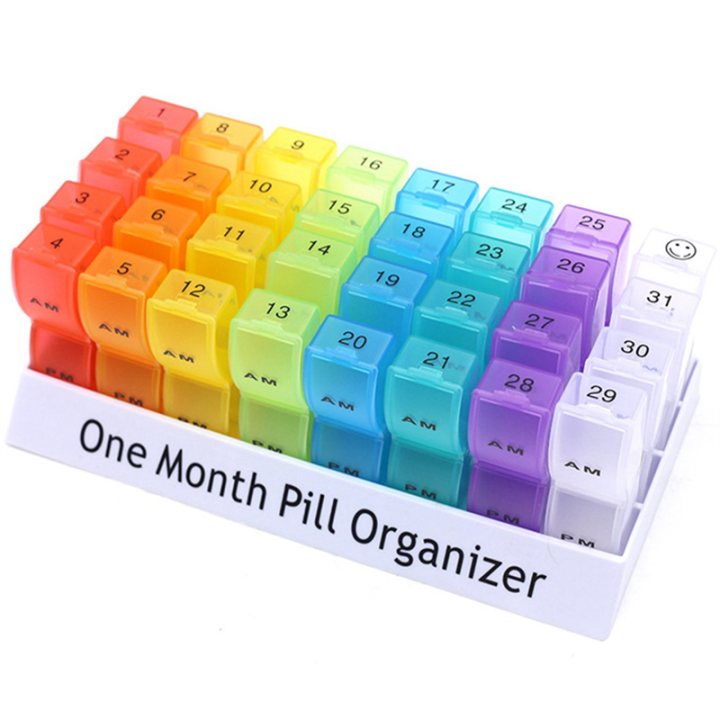
Electronic Pill Dispenser vs Pill Box At a Glance
Both options can organize daily medicines, but they solve slightly different problems.
| Feature | Electronic Pill Dispenser | Pill Box |
|---|---|---|
| Reminders | Often includes alarms | Usually none |
| Setup | More involved | Simple |
| Daily operation | Automated features | Manual |
| Power | Usually needs batteries or power | No power needed |
| Cost | Usually higher | Usually lower |
| Caregiver support | May offer more options | Limited |
| Portability | Depends on design | Usually easy |
| Maintenance | More parts to manage | Minimal |
Electronic Pill Dispenser Review
An electronic pill dispenser can be useful when remembering medication times is the main challenge. Its extra features can make a daily routine more structured.
Ease of Use
Electronic dispensers vary, but many use alarms, lights, sounds, or timed compartments to remind users about doses.
The setup can take more effort than filling a pill box. Someone may need to program times, load medication, and check the device regularly.
For a senior who is comfortable with basic electronic controls, this may be manageable. For someone who dislikes buttons or settings, the extra technology may feel like a burden.
Key Strengths
- Can provide scheduled reminders
- May reduce missed-dose confusion
- Can support a regular medication routine
- Some designs limit access to scheduled doses
- May be useful for caregiver oversight
Potential Drawbacks
- Costs more than a basic pill box
- Requires initial setup
- May need batteries or electrical power
- Electronic parts can add complexity
- Medication loading still requires care
Pill Box Review
A pill box takes a much simpler approach. It separates medicine into labeled sections so users can see what should be taken at different times.
For seniors who already have a reliable medication routine, this simplicity can be a major advantage.
Ease of Use
A traditional pill box normally requires no programming. The user or caregiver fills the compartments in advance.
Large labels and easy-to-open compartments can make some designs easier for older adults. However, compartment size and lid design vary widely.
A pill box does not normally remind the user when to take medicine. The user must remember the schedule or use another reminder.
Key Strengths
- Simple to understand
- Usually inexpensive
- No charging required
- Easy to carry
- Minimal maintenance
- Easy to check visually
Potential Drawbacks
- Usually has no automatic reminder
- Does not control access to doses
- Small compartments may be hard to open
- Filling compartments takes time
- Can be less helpful for complicated routines
Which Is Easier for Seniors to Use?
Ease of use depends on the user’s routine and comfort with technology.
A pill box has fewer steps. Fill it, place it somewhere convenient, and use the labeled compartment when needed.
An electronic dispenser adds more functions but also more setup. That trade-off matters.
| User Need | Electronic Dispenser | Pill Box |
|---|---|---|
| Simple daily routine | Good | Excellent |
| Reminder support | Strong | Limited |
| No technology | Less suitable | Suitable |
| Caregiver assistance | Often useful | Useful for filling |
| Easy visual checking | Depends on design | Strong |
| Minimal setup | Less suitable | Strong |
A pill box may be easier for seniors who prefer simple physical controls and do not need automatic reminders.
An electronic dispenser may be easier for seniors who benefit from scheduled alerts.
Performance Comparison
For these products, performance is less about mechanical power and more about medication organization and routine support.
An electronic dispenser can offer timed reminders and, depending on the design, controlled access to doses. These features can be useful when a person has trouble remembering scheduled doses.
A pill box performs one core job well: it separates medication into planned portions.
| Performance Area | Electronic Dispenser | Pill Box |
|---|---|---|
| Dose organization | Strong | Strong |
| Reminder support | Strong | Limited |
| Visual simplicity | Depends on design | Strong |
| Automation | Higher | None |
| Manual effort | Lower during dosing | Higher |
| Reliability without power | Depends on model | Strong |
Neither option replaces a proper medication schedule. The device should support the routine rather than determine whether a medicine is medically appropriate.
Comfort, Accessibility, and Senior-Friendly Design
The physical design matters as much as the features.
A senior with limited hand strength may find small lids or stiff compartments difficult to open. Large buttons and clear labels can make an electronic dispenser easier to operate.
A pill box can also be senior-friendly when it has large compartments, clear markings, and easy-open lids.
| Senior Need | Electronic Dispenser | Pill Box |
|---|---|---|
| Large controls | Depends on model | Usually simple |
| Easy labels | Depends on model | Common |
| Fine motor effort | Varies | Varies |
| Visual checking | Varies | Usually easy |
| Setup effort | Higher | Lower |
The best design is one the user can operate without unnecessary physical or mental effort.
Features Comparison
The main feature gap is automation. A basic pill box focuses on organization, while electronic models may add reminders and access controls.
| Feature | Electronic Dispenser | Pill Box |
|---|---|---|
| Daily compartments | Yes | Yes |
| Timed reminders | Often | No |
| Alerts | Often | No |
| Battery or power | Usually | No |
| Locking or controlled access | Some models | Rare |
| Programming | Often | No |
More features are not always better. A senior who only needs clear organization may gain little from a complex electronic system.
Price, Maintenance, and Long-Term Value
A basic pill box is normally the lower-cost option. It also has very little maintenance because there are no electronic components.
Electronic dispensers usually cost more because they add hardware and reminder functions. Some may also require batteries or other ongoing care.
| Cost Factor | Electronic Dispenser | Pill Box |
|---|---|---|
| Purchase cost | Usually higher | Usually lower |
| Batteries | May be needed | Not needed |
| Cleaning | Usually simple | Usually simple |
| Replacement parts | May apply | Rare |
| Long-term simplicity | Moderate | High |
Value depends on whether the extra features solve a real problem. Paying more for reminders may make sense when remembering dose times is difficult. Otherwise, a simple pill box may provide enough support.
Who Should Choose an Electronic Pill Dispenser?
Consider an electronic dispenser if:
- Scheduled reminders are important.
- The user often forgets medication times.
- A caregiver wants additional routine support.
- Controlled access is useful for the situation.
- The user is comfortable with basic electronic controls.
- The extra cost is reasonable for the added features.
Who Should Choose a Pill Box?
A pill box may be a better fit if:
- The user already follows a reliable schedule.
- Simple organization is the main goal.
- No electronic reminders are needed.
- Portability matters.
- The user wants a low-maintenance option.
- A caregiver already prepares the doses.
Electronic Pill Dispenser vs Pill Box — Final Verdict
For seniors who mainly need simple medication organization, a pill box is often enough. It is easy to understand, inexpensive, and does not need power.
For seniors who benefit from scheduled reminders or additional dose-management features, an electronic pill dispenser may offer more useful support.
The important point is not how many features a device has. It is whether those features make the medication routine easier without adding unnecessary complexity.
| Category | Electronic Pill Dispenser | Pill Box |
|---|---|---|
| Ease of Use | Strong | Strong |
| Reminder Support | Excellent | Limited |
| Simplicity | Moderate | Excellent |
| Maintenance | Moderate | Excellent |
| Senior-Friendly Design | Depends on model | Depends on model |
| Value | Strong when reminders matter | Strong for simple needs |
Scoring Summary
Scores are not used here because electronic dispensers and pill boxes serve different levels of need. A simple numerical score could hide an important trade-off between automation and simplicity.
How We Evaluate Products
This comparison focuses on practical factors that matter during daily use.
We consider:
- Ease of use
- Accessibility
- Medication organization
- Reminder support
- Setup
- Maintenance
- Physical effort
- Portability
- Safety
- Long-term practicality
- Overall value
The comparison does not assume hands-on testing or laboratory testing.
Senior-Specific Buying Considerations
The right choice should fit the user’s actual routine.
Physical Effort
Check whether lids, buttons, or compartments require too much finger strength or fine motor control.
Controls
Electronic models should have controls that are easy to understand. Clear labels and simple settings can make a big difference.
Maintenance
Consider how often the device must be cleaned, refilled, charged, or checked.
Storage
Keep the dispenser or pill box in a dry, convenient location that fits the user’s routine.
Setup
If an electronic dispenser requires programming, make sure the user or caregiver can set it up correctly.
Safety
Medication devices should be used according to their instructions. Keep medicines away from children and others who should not access them.
Common Buying Mistakes
Avoid these common mistakes when choosing between the two:
- Choosing an electronic dispenser only because it has more features
- Buying a pill box without checking compartment size
- Ignoring the user’s ability to open lids or press buttons
- Forgetting battery or power needs
- Assuming reminders remove the need for a proper medication routine
- Choosing a complicated device when a simple option would work
Safety
Medication organization is useful, but a dispenser or pill box does not decide which medicines should be taken or when they should be changed.
Check the medication schedule carefully when filling either device. If there is uncertainty about a dose, timing, interaction, or medication change, confirm it with a pharmacist or other qualified healthcare professional.
Electronic features can also fail because of depleted batteries, power problems, incorrect settings, or user error. Check the device regularly rather than assuming it will manage everything automatically.
Conclusion
An Electronic Pill Dispenser vs Pill Box comparison comes down to one main choice: automation or simplicity. Electronic dispensers can add reminders and other useful features, while pill boxes offer straightforward organization with very little maintenance.
For a senior who needs only a clear way to sort daily medicine, a pill box may be all that is needed. For someone who benefits from scheduled reminders or caregiver support, an electronic dispenser may be worth the extra setup and cost.
