
Compressor Nebulizer vs Portable Nebulizer


Raised Toilet Seat

Handheld Shower Head

Book Holder Stand
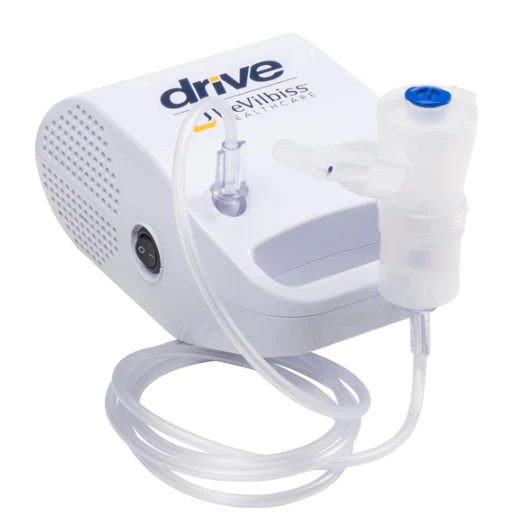
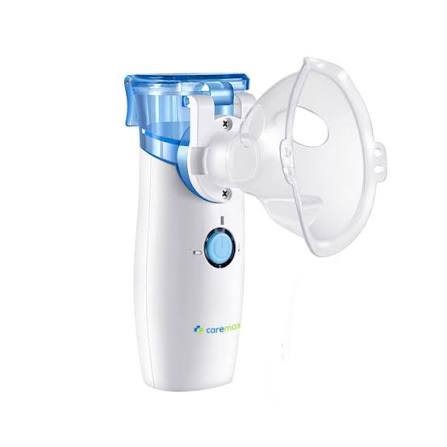
A Compressor Nebulizer vs Portable Nebulizer comparison can help seniors and caregivers choose a device that fits daily treatment needs. The key difference is not simply size. A compressor nebulizer usually uses compressed air to make the medicine mist, while a portable nebulizer may use a smaller compressor, mesh, or ultrasonic technology.
For seniors, the better choice depends on where the nebulizer will be used, how easy it is to handle, what power source is needed, and which device is compatible with the prescribed medicine. A healthcare professional should confirm that the chosen nebulizer is suitable for the prescribed treatment.
Quick Comparison
A compressor nebulizer can be a practical choice for regular home use. A portable nebulizer can be more convenient when size and mobility matter.
For a senior who mainly uses a nebulizer at home, a compressor model may offer a simple setup with a familiar design. For someone who needs treatment away from home, a portable model may be easier to carry.
The important point is that portable does not automatically mean better. Portable nebulizers use different technologies, so the specific model matters.
Compressor Nebulizer vs Portable Nebulizer At a Glance
Both types can deliver liquid medicine as an inhaled mist. The main difference is how the device is powered and designed for use.
| Feature | Compressor Nebulizer | Portable Nebulizer |
|---|---|---|
| Main use | Often home use | Home and travel |
| Power | Usually electrical power | Battery, USB, adapter, or other power depending on model |
| Size | Usually larger | Usually smaller |
| Portability | Limited | High |
| Noise | Often more noticeable | Often quieter, depending on technology |
| Setup | Tubing and medicine cup common | Varies by model |
| Technology | Commonly jet | May be jet, mesh, or ultrasonic |
| Best fit | Regular home treatments | Mobility and travel |
Compressor Nebulizer Review for Senior Use
A compressor nebulizer usually uses compressed air to turn liquid medicine into a mist. Jet nebulizers are a common example. The system normally includes a compressor, tubing, medicine cup, and mouthpiece or mask.
Ease of Use
A compressor model can be straightforward once it is set up. The user places the prescribed medicine in the cup, connects the tubing, attaches the mouthpiece or mask, and starts the compressor.
The main drawback is the number of parts. A senior may need to manage tubing, a medicine cup, and the compressor during each treatment.
Key Strengths
- Familiar setup
- Useful for regular home treatment
- Does not always require batteries
- Clear connection between compressor and medicine cup
- Can work with medicines designed for a standard jet nebulizer
Potential Drawbacks
- Usually less convenient to carry
- Needs a suitable power source
- Tubing adds another part to manage
- Compressor noise may be noticeable
- Takes more storage space than many portable units
Some medicines are specifically directed for use with a standard jet nebulizer and compressor. That is why the medication instructions matter more than portability alone.
Portable Nebulizer Review for Senior Use
Portable nebulizers are designed to make treatment easier to manage outside the home. But this category is broad. Some portable models use vibrating mesh technology, while others may use ultrasonic or compact compressor systems.
Ease of Use
A small portable unit may be easier to hold and store. Battery power can also remove the need to sit close to a wall outlet.
For a senior with limited hand strength or dexterity, however, a very small device is not automatically easier. Small buttons, small medicine cups, or tiny parts may make handling harder.
Key Strengths
- Easy to carry
- Useful for travel
- Often needs less storage space
- Some models can run on batteries
- Some mesh models are designed for quiet operation
Potential Drawbacks
- Battery charging may be required
- Small parts may be easier to misplace
- Cleaning can vary by technology
- Not every portable model is suitable for every medicine
- Replacement parts may differ by model
FDA records show that portable nebulizers can use different technologies, including ultrasonic and vibrating mesh systems.
Which Is Easier for Seniors to Use?
For home use, a compressor nebulizer may be easier for someone who prefers a stable setup and does not need to travel with the device.
For travel, a portable nebulizer may be easier because it can reduce the size and power requirements of the setup.
The easiest nebulizer is the one that fits the user’s treatment plan and daily routine.
Seniors who have trouble handling small parts should pay close attention to the medicine cup, buttons, mask, mouthpiece, and cleaning steps. A portable device can be small and still be difficult to handle.
Cleaning is important for both types. MedlinePlus recommends washing the medicine cup and mouthpiece after use and allowing them to dry properly.
Performance Comparison
Performance should not be judged by size alone.
A jet compressor uses compressed air to create the aerosol. Mesh nebulizers use a fine mesh to create the mist, while ultrasonic models use high-frequency vibration. These technologies can have different operating characteristics.
| Performance Area | Compressor Nebulizer | Portable Nebulizer |
|---|---|---|
| Mist production | Uses compressed air | Depends on technology |
| Treatment setup | Usually tubing-based | Often more compact |
| Noise | Can be noticeable | Some models are quieter |
| Power flexibility | Usually outlet-based | Often battery-friendly |
| Travel use | Less convenient | More convenient |
| Medicine compatibility | Depends on prescribed medicine | Must be checked by model |
Do not assume that a portable nebulizer will provide the same treatment experience as every compressor model. Check the device instructions and medication requirements before switching.
Comfort, Accessibility, and Senior-Friendly Design
A compressor nebulizer can be comfortable for a senior who normally sits in one place during treatment. Its larger size may not matter when the device stays on a table.
A portable model can be more convenient when the user needs to move between rooms or travel. Smaller size can also make storage easier.
For seniors with reduced dexterity, look for:
- Easy-to-press controls
- Clear instructions
- A stable medicine cup
- Easy-to-hold components
- Simple cleaning steps
- A readable power indicator
- A suitable mouthpiece or mask
The goal is not the smallest device. The goal is a device that the user can operate safely and consistently.
Features Comparison
The most useful features depend on the user’s routine. A large feature list does not necessarily mean easier treatment.
| Feature | Compressor Nebulizer | Portable Nebulizer |
|---|---|---|
| Cord-free use | Usually limited | Common on battery models |
| Compact design | Usually no | Usually yes |
| Tubing | Common | Depends on model |
| Quiet operation | Varies | Some mesh models are quiet |
| Travel convenience | Lower | Higher |
| Charging | Usually not required | Often required |
Price, Maintenance, and Long-Term Value
Price varies widely by model and technology, so a fixed price comparison would not be useful without specific models.
Compressor nebulizers may have filters and tubing that need replacement. The American Lung Association notes that many compressors have air filters that need replacement according to the manufacturer’s schedule.
Portable models may have batteries, charging components, or small mesh parts to consider. Replacement costs can vary greatly between models.
For long-term value, check:
- Replacement medicine cups
- Tubing
- Filters
- Mouthpieces
- Masks
- Batteries or charging equipment
- Manufacturer support
- Warranty
- Cleaning requirements
A lower purchase price is not always lower long-term cost.
Who Should Choose a Compressor Nebulizer?
- Choose a compressor model if most treatments happen at home.
- Choose it if a standard jet nebulizer is specified for the prescribed medicine.
- Choose it if a larger device is not a problem.
- Choose it if you prefer a traditional tubing-and-compressor setup.
- Choose it if easy access to electrical power is available.
Who Should Choose a Portable Nebulizer?
- Choose a portable model if travel is an important part of your routine.
- Choose it if you want a smaller device.
- Choose it if battery operation is useful.
- Choose it if storage space is limited.
- Choose it if a quieter design is important and the selected model supports it.
- Choose it only after confirming that the device is suitable for the prescribed medicine.
Compressor Nebulizer vs Portable Nebulizer — Final Verdict
There is no single winner for every senior.
A compressor nebulizer can make more sense for regular home treatment, especially when the prescribed medicine is intended for a standard jet nebulizer. A portable nebulizer can make more sense for seniors who need greater mobility and a smaller setup.
The most important factor is not simply portability. Check the prescribed medicine, device technology, power source, cleaning needs, and the user’s ability to handle the equipment.
Scoring Summary
Because “portable nebulizer” includes several different technologies, assigning fixed scores to the entire category could be misleading.
| Category | Compressor Nebulizer | Portable Nebulizer |
|---|---|---|
| Home convenience | Strong fit | Strong fit |
| Travel convenience | Lower | Strong fit |
| Compact storage | Lower | Strong fit |
| Power flexibility | Lower | Often stronger |
| Technology consistency | More predictable in jet models | Varies by model |
| Maintenance | Depends on model | Depends on model |
| Senior usability | Depends on setup | Depends on design |
These are comparison descriptions, not laboratory performance scores.
How We Evaluate Products
For this comparison, the main factors are ease of use, portability, setup, maintenance, comfort, power needs, and practical senior use.
Medical compatibility is also important. Nebulizer devices are not interchangeable simply because they all create a mist. The prescribed medicine and device instructions should be checked together.
No hands-on testing is claimed in this comparison.
Senior-Specific Buying Considerations
Before choosing a nebulizer, consider the user’s daily routine.
Physical Effort
Check whether the user can hold the medicine cup, attach tubing, open medication containers, and handle the mouthpiece or mask.
Controls
Large and simple controls may be easier to use than tiny buttons.
Maintenance
Cleaning is part of normal nebulizer care. A device that is hard to clean may be harder to use consistently.
Storage
A compressor may need more space. A portable model may fit more easily in a small drawer or travel bag.
Setup
Check how many parts need to be connected before treatment.
Safety
Use the device according to the manufacturer’s instructions. Keep electrical components dry. Follow the prescribed medication instructions, and ask a healthcare professional before changing the nebulizer type used with a medication.
Common Buying Mistakes
Avoid these common mistakes when comparing nebulizers:
- Choosing only by size
- Assuming every portable nebulizer works with every medicine
- Ignoring cleaning requirements
- Forgetting replacement parts
- Choosing a device with controls that are hard to see or press
- Buying a portable model without checking its power and charging needs
Safety
Nebulizers are used to deliver medication as an inhaled mist. The correct device depends on the prescribed treatment.
Some medications have specific nebulizer requirements. For example, MedlinePlus states that certain nebulized medicines should be used with a standard jet nebulizer connected to an air compressor.
Do not switch nebulizer types simply because one device is smaller or more convenient. Check with the prescribing healthcare professional or pharmacist when there is uncertainty.
Clean the medicine cup and mouthpiece as directed. Proper cleaning helps reduce the risk of bacterial growth.
Frequently Asked Questions
Is a portable nebulizer better than a compressor nebulizer?
Not for everyone. A portable model can be easier to carry, while a compressor model can be practical for regular home use.
Is a compressor nebulizer portable?
Some compressor systems can be made portable with battery power or adapters, but many traditional compressor units are designed mainly for stationary use.
Are portable nebulizers quieter?
Some are. Vibrating mesh and ultrasonic technologies can operate differently from traditional jet compressors. Check the specifications for the exact model.
Can every medicine be used in a portable nebulizer?
No. The correct device can depend on the medication. Always check the medicine instructions and device documentation.
Which nebulizer is easier to clean?
It depends on the model. Both types require regular cleaning, and the manufacturer may provide specific cleaning instructions.
Is a portable nebulizer good for travel?
It can be. Smaller size and battery operation can make some portable models convenient for travel. But the device must still be suitable for the prescribed treatment.
Conclusion
The main difference between a compressor nebulizer and a portable nebulizer is the balance between traditional home use and mobility. Compressor models can be practical for regular treatment at home, while portable models can make treatment easier to carry and manage away from home.
For seniors, the best choice depends on the prescribed medicine, device technology, ease of handling, cleaning, power needs, and daily routine. A smaller nebulizer is not automatically the better option. The right device is the one that fits the treatment plan and can be used correctly and consistently.
