
Mesh Nebulizer vs Compressor Nebulizer for Seniors


Smart Doorbell Camera

Raised Toilet Seat

Lightweight Aluminum Walker
Mesh Nebulizer vs Compressor Nebulizer is a common choice for seniors who need nebulized medicine at home or while traveling. The two types work in different ways, and that can change how easy they are to use.
A mesh nebulizer may suit someone who wants a small, quiet device. A compressor nebulizer may suit someone who mainly uses treatment at home and wants a simple, familiar setup. The right choice depends on the user’s routine, medicine, and comfort needs.
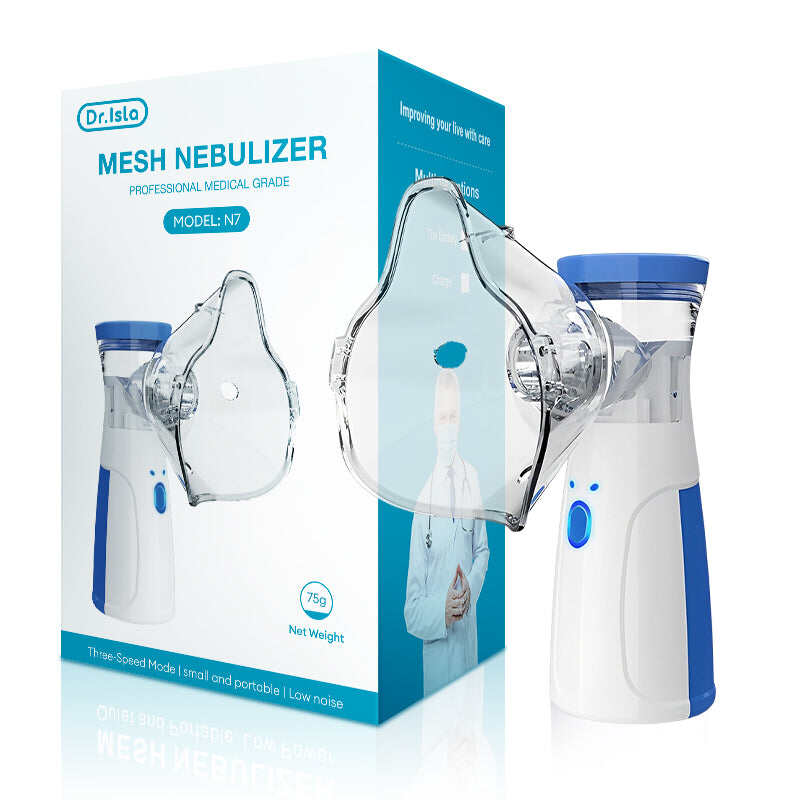
Quick Comparison
For many seniors, a mesh nebulizer is easier to carry and quieter to use. It can be a good fit for travel or shared rooms.
A compressor nebulizer may be better for regular home use. It usually has a larger base, tubing, and a power cord, but the setup can feel simple and familiar.
The key point is this: mesh favors portability and low noise, while compressor models favor a stable home setup.
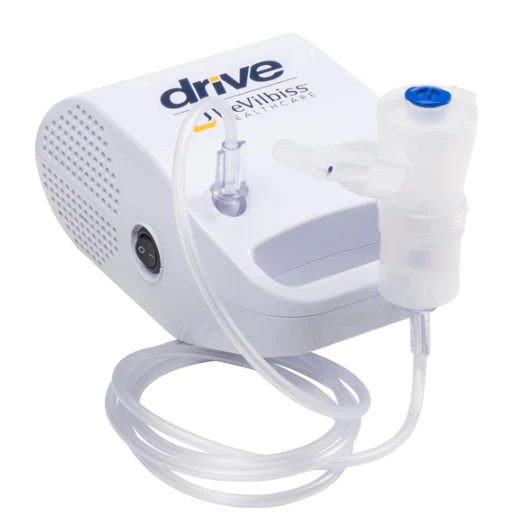
Mesh Nebulizer vs Compressor Nebulizer At a Glance
Both types turn liquid medicine into a mist for inhalation. The main difference is how that mist is made.
| Feature | Mesh Nebulizer | Compressor Nebulizer |
|---|---|---|
| Portability | Usually very good | Usually limited |
| Noise | Usually very quiet | Usually louder |
| Power | Battery or adapter on many models | Usually wall power |
| Tubing | Often little or none | Usually uses tubing |
| Home use | Very good | Excellent |
| Travel use | Excellent | Less convenient |
| Cleaning | Needs careful mesh care | Needs cup, tubing, and filter care |
Mesh Nebulizer Review for Senior Use
A mesh nebulizer is built around a small vibrating mesh. The mesh creates tiny droplets from the liquid medicine. Many models are compact and can run from batteries or a small power source.
That design can remove some of the bulk linked with a traditional compressor unit.
Ease of Use
For seniors, the biggest benefit is often simple handling. A small handheld unit is easier to move from one room to another.
Many mesh models also have fewer parts to connect during each treatment. Some have no long air tube.
That can help seniors who prefer less setup.
Still, the small size does not mean zero maintenance. The medication cup and mesh area must be cleaned as the manufacturer directs.
Key Strengths
- Small and easy to carry
- Usually quieter during treatment
- Good for travel
- Many models work on batteries
- Often needs less space on a table
- Can be easier to hold during treatment
Potential Drawbacks
- Mesh parts can need careful cleaning
- The mesh may be sensitive to dried medicine
- Battery models need charged or replacement batteries
- Replacement mesh parts can add cost
- Some medicines may not be approved for a specific mesh model
Compressor Nebulizer Review for Seniors
A compressor nebulizer uses compressed air to push liquid medicine through a nebulizer cup. This creates the mist for inhalation.
The compressor is usually larger than a mesh unit. It also needs a power source and often uses tubing between the compressor and the medicine cup.
Ease of Use
The setup is simple once the user knows the parts. Place the medicine in the cup, connect the tubing, attach the mouthpiece or mask, and start the compressor.
The main issue is size.
A senior with limited hand strength may not mind the larger unit if treatment always happens in one place. A senior who moves between rooms may find the tubing and base less convenient.
Key Strengths
- Familiar design
- Good for regular home treatment
- Stable on a table
- No internal battery needed
- Often simple to understand
- Easy to keep as a dedicated home device
Potential Drawbacks
- Usually louder
- Less convenient for travel
- Needs more space
- Uses tubing
- Power cord can add clutter
- Air filters and other parts may need care
Which Is Easier for Seniors to Use?
There is no single answer for every senior.
A mesh nebulizer may be easier for seniors who value portability, quiet operation, and fewer bulky parts. Its small size can also make storage easier.
A compressor nebulizer may be easier for seniors who use treatment at home and prefer a steady routine.
The best fit depends on how the device will be used.
| Senior Need | Mesh Nebulizer | Compressor Nebulizer |
|---|---|---|
| Limited space | Strong fit | Less convenient |
| Travel | Strong fit | Weak fit |
| Quiet room | Strong fit | Less ideal |
| Fixed home routine | Good | Strong fit |
| Less cord clutter | Strong fit | Less convenient |
| Simple storage | Strong fit | Needs more space |
Performance Comparison
Both device types are designed to turn liquid medicine into an inhaled mist. The important question is not simply which one is smaller.
The device must work with the medicine prescribed for the user. Follow the instructions for that exact model.
A compressor can be a practical choice for routine home treatment. It does not depend on a battery unless the specific model has another power system.
A mesh model can be convenient when portability matters. Some current models are designed for battery operation and handheld use. For example, OMRON’s NE-U100 is a vibrating mesh model that can use AA batteries and weighs about 120 g without batteries. That is one model, not a rule for every mesh device.
| Performance Area | Mesh Nebulizer | Compressor Nebulizer |
|---|---|---|
| Mist generation | Efficient on suitable models | Well established |
| Portability | Excellent on many models | Limited |
| Noise | Usually low | Usually higher |
| Long home sessions | Good | Very good |
| Battery use | Common on portable models | Not typical |
| Treatment setup | Often simpler | More parts |
Comfort, Accessibility, and Senior-Friendly Design
Comfort matters because nebulizer treatment can become part of a daily routine.
A lightweight mesh unit can be easier to hold. It can also be easier to store near a chair or bedside table.
A compressor can be more comfortable for a senior who prefers to sit at one fixed place. The unit can stay on a table while the user holds the mouthpiece or mask.
Noise is another factor. A quieter device may be more comfortable when treatment takes place around family members or in a shared room.
Do not assume that every older adult needs the smallest device. Some people prefer a larger unit because it stays in one place and feels easier to manage.
Features Comparison
Features matter only when they solve a real problem.
| Feature | Mesh Nebulizer | Compressor Nebulizer |
|---|---|---|
| Battery operation | Common | Less common |
| Tubeless design | Common on portable models | Usually no |
| Carrying case | Common | Sometimes included |
| AC power | Model dependent | Common |
| Compact body | Strong advantage | Usually larger |
| Mesh care | Important | Not applicable |
The best feature is often the one that makes treatment easier to repeat correctly.
Price, Maintenance, and Long-Term Value
Price can vary widely by brand and model. That makes a class-wide price winner hard to name.
Mesh models may cost more at the start. Some also use replaceable mesh caps or medication cups. Those replacement parts should be checked before buying.
Compressor models can have more basic hardware. But they still need cleaning and may require replacement filters or other parts.
The American Lung Association advises regular nebulizer cleaning and notes that many compressor units have air filters that need replacement on a schedule set by the manufacturer.
For long-term value, look beyond the purchase price.
| Cost Factor | Mesh Nebulizer | Compressor Nebulizer |
|---|---|---|
| Initial cost | Often higher | Often lower |
| Replacement parts | May include mesh parts | May include filters and tubing |
| Battery cost | Possible | Usually not needed |
| Cleaning | More delicate | Routine cleaning |
| Travel convenience | High | Lower |
| Long-term value | Strong for frequent travel | Strong for home use |
Who Should Choose a Mesh Nebulizer?
- Choose a mesh nebulizer if portability matters most.
- Choose it if loud equipment is a concern.
- Choose it if storage space is limited.
- Choose it if treatment happens in more than one location.
- Choose it if a battery-powered option fits your routine.
- Choose it when a lighter handheld design would make daily use easier.
Who Should Choose a Compressor Nebulizer?
- Choose a compressor if treatment mainly happens at home.
- Choose it if you prefer a fixed setup.
- Choose it if you do not want to manage batteries.
- Choose it if a larger base and tubing are not a problem.
- Choose it if you want a familiar, dedicated home device.
- Choose it when easy access to power matters more than portability.
Final Verdict
For many seniors, a mesh nebulizer is the more convenient choice for travel, quiet use, and small spaces. A compressor nebulizer is often a better fit for stable home use, especially when portability is not important.
Neither type is automatically right for everyone. The medicine being used, the exact device instructions, and the user’s daily routine all matter.
Scoring Summary
These scores are practical usability scores for the device type, not clinical ratings. Exact models can differ.
| Category | Mesh | Compressor |
|---|---|---|
| Ease of handling | 9/10 | 7/10 |
| Portability | 10/10 | 5/10 |
| Quiet use | 9/10 | 5/10 |
| Home routine | 8/10 | 10/10 |
| Storage | 9/10 | 6/10 |
How We Evaluate Products
We compare nebulizers based on practical daily use.
The main factors are ease of handling, setup, portability, noise, cleaning, storage, power needs, safety, and long-term practicality.
We do not treat a small size or a large feature list as proof that one device is better.
The goal is to find the better fit for a specific user.
Senior-Specific Buying Considerations
Physical Effort
Think about lifting, carrying, holding, and connecting parts. A small mesh model may reduce the effort needed to move the device. A compressor can stay on a table if treatment is done in one place.
Controls
Look for a clear power button and simple operation. Small buttons can be harder to manage. A simple design may be more useful than extra modes.
Maintenance
Check how the medication cup, mesh, tubing, and filters must be cleaned. Mesh systems need careful attention to the mesh area. Compressor systems need attention to tubing, cups, and filters.
Storage
A mesh model usually needs less room. A compressor needs space for the main unit, tubing, and accessories.
Setup
Before buying, check whether the exact model uses a mask, mouthpiece, tubing, batteries, or an AC adapter.
Safety
Use only medication prescribed and approved for nebulization with the selected device. Follow the device instructions for cleaning and operation.
For any medical condition or medication question, follow the advice of the prescribing healthcare professional.
Common Buying Mistakes
- Choosing by price alone
- Ignoring replacement parts
- Forgetting noise during daily use
- Buying a battery model without checking battery needs
- Ignoring cleaning requirements
- Choosing a device without checking medication compatibility
Safety
Nebulizers are medical devices, so proper use matters. Do not assume that every liquid medicine works with every nebulizer. Device instructions can specify which solutions are suitable.
Keep electrical parts away from water. Clean the medication cup and other parts as directed. Do not use damaged tubing, cups, masks, or electrical components.
When treatment is prescribed for a respiratory condition, follow the treatment plan from the appropriate healthcare professional.
Conclusion
Mesh and compressor nebulizers both have useful roles. A mesh nebulizer stands out for its small size, low noise, and travel-friendly design. A compressor nebulizer stands out for its stable home setup and familiar operation.
For a senior who travels or wants a quiet device, mesh may fit better. For a senior who mainly treats at home, a compressor may be the simpler choice.
