
Pill Organizer vs Pill Dispenser for Seniors


Folding Walking Cane

Non-Slip Bathroom Mat

Toilet Safety Rails
A Pill Organizer vs Pill Dispenser comparison comes down to one key point: how much help is needed with daily pills. Both can make medicine routines easier, but they work in very different ways.
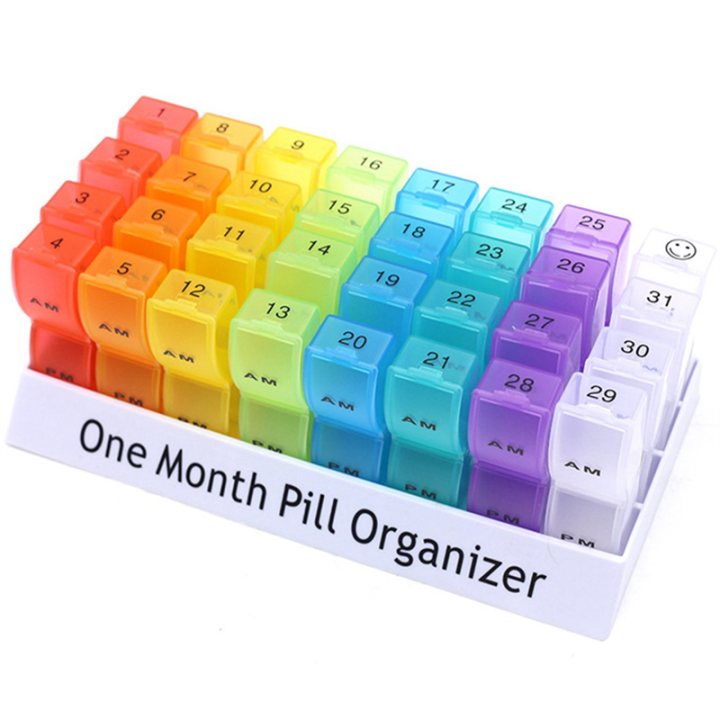
A pill organizer mainly sorts pills by day or time. A pill dispenser may do more. Depending on the design, it can help control access, remind the user, or release doses at set times.
Quick Comparison
For many seniors, a pill organizer is the simpler choice when they can manage their own pills. It is easy to set up and does not need power.
A pill dispenser may be a better fit when missed doses are a concern or when a caregiver wants more control over the routine. The trade-off is that it can take more setup and may cost more.
The right choice depends less on age and more on how much help the person needs.

Pill Organizer vs Pill Dispenser At a Glance
Here is the main difference in a simple view.
| Feature | Pill Organizer | Pill Dispenser |
|---|---|---|
| Basic use | Sorts pills | Helps release or manage doses |
| Setup | Usually simple | Can be more involved |
| Power | Usually not needed | May need power or batteries |
| Reminders | Usually none | Some models offer alerts |
| Caregiver help | Low to moderate | Moderate to high |
| Portability | Usually easy | Depends on design |
| Best for | Simple pill routines | More complex routines |
Pill Organizer for Simple Daily Routines
A pill organizer is a simple tool for keeping pills in order. Many have sections for each day. Some also have separate spaces for different times of day.
Ease of Use
A basic organizer is easy to understand. The user opens the right section and takes the pills inside.
This can work well for seniors who:
- Can read small labels
- Can open the compartments
- Can remember when to take each dose
- Can sort pills with help when needed
The main work happens before the daily routine. Pills must be sorted into the correct sections.
Key Strengths
- Simple design
- No complex controls
- Usually no power needed
- Easy to carry
- Often low cost
- Easy to see the dose schedule
Potential Drawbacks
- Does not usually give reminders
- Pills must be sorted ahead of time
- Easy to open compartments may not prevent mistakes
- Small compartments may be hard for some users
Pill Dispenser for More Support
A pill dispenser is designed to do more than hold pills. The exact features vary, but some devices can help manage when a dose becomes available.
Ease of Use
The biggest benefit is that the daily task can be more controlled.
Some designs may use:
- Timed release
- Audible alerts
- Visual alerts
- Locked compartments
- Dose controls
These features can help when a person needs more structure.
But more features can also mean more setup. The user or caregiver may need to learn how the device works.
Key Strengths
- Can add structure to medication routines
- Some models offer reminders
- Some can limit access to doses
- Can support caregiver involvement
- Useful for more complex routines
Potential Drawbacks
- May cost more than a basic organizer
- Setup can be harder
- Some models need batteries or power
- Electronics can add another point of failure
- Not every feature is useful for every user
Which Is Easier for Seniors to Use?
For basic use, a pill organizer is often easier. There are fewer steps and fewer controls.
A pill dispenser may be easier during the day when reminders or controlled access are useful. It may reduce the need to remember each dose time.
The better fit depends on the user’s routine.
A senior who already has a clear pill schedule may prefer the simple approach. Someone who often needs reminders may benefit from a dispenser with those features.
Performance Comparison
These products solve different problems, so “performance” means something different for each one.
A pill organizer performs its main job by keeping doses sorted. Its value comes from clear sections and easy access.
A pill dispenser may add another layer of support. It may help present the correct dose at the right time, depending on its design.
For a simple routine, extra functions may not add much value. For a more complex routine, they may be useful.
Comfort, Accessibility, and Senior-Friendly Design
The physical design matters more than it may seem.
A pill organizer should have compartments that are easy to open. Labels should also be easy to see.
A dispenser should have controls that are clear and simple. If it uses a screen or buttons, those controls should not create extra work.
Look for:
- Large and clear labels
- Easy-to-open sections
- Simple controls
- Good visibility
- Stable placement
- Easy refilling
- A size that fits the user’s space
Do not assume that every senior needs the same level of support. The best design is the one that matches the person’s actual routine.
Features Comparison
The useful features depend on how much help the user needs.
| Feature | Pill Organizer | Pill Dispenser |
|---|---|---|
| Dose sorting | Yes | Usually |
| Reminder | Usually no | Some models |
| Timed release | No | Some models |
| Locked access | Usually no | Some models |
| Caregiver support | Basic | May be stronger |
| Simple portability | Usually strong | Varies |
More features do not always mean a better choice. A simple tool can be easier to use when no extra support is needed.
Price, Maintenance, and Long-Term Value
A basic pill organizer is usually the simpler option to own. It does not normally need power, software, or complex parts.
A pill dispenser can have a higher upfront cost. Some designs may also need batteries or other replacement items.
When comparing long-term value, think about more than the purchase price.
Check:
- How often it needs refilling
- How easy it is to clean
- Whether batteries are needed
- Whether parts can be replaced
- How easy it is to operate
- Whether the extra features are actually useful
A cheaper product is not always better value if it does not fit the user’s routine.
Who Should Choose a Pill Organizer?
A pill organizer may suit you if:
- You want a simple pill routine.
- You can remember dose times.
- You want something easy to carry.
- You do not need electronic reminders.
- You prefer a low-tech solution.
- A caregiver can help with weekly setup when needed.
Who Should Choose a Pill Dispenser?
A pill dispenser may suit you if:
- You need more structure around dose times.
- Reminders would be useful.
- A caregiver helps manage medication.
- Controlled access to doses is important.
- Your routine is more complex.
- You are comfortable using a device with extra features.
Pill Organizer vs Pill Dispenser — Final Verdict
There is no single choice for every senior.
Best for simple routines: Pill Organizer
Best for added reminders or dose control: Pill Dispenser
Best for portability: Pill Organizer
Best for caregiver support: Pill Dispenser, when its features match the user’s needs
The main difference is simple: an organizer sorts pills, while a dispenser may help manage when and how doses are taken.
Scoring Summary
Because these are broad product categories, exact scores would suggest more precision than the evidence supports. The practical comparison is clearer this way.
| Category | Pill Organizer | Pill Dispenser |
|---|---|---|
| Simple operation | Strong | Varies |
| Portability | Strong | Varies |
| Reminders | Limited | Often stronger |
| Dose control | Limited | Often stronger |
| Setup | Usually simple | Can be more involved |
| Caregiver support | Basic | Often stronger |
The right choice should match the user’s actual needs, not the number of features on the box.
How We Evaluate Products
For this comparison, the key factors are ease of use, accessibility, comfort, safety, maintenance, setup, and long-term practicality.
The focus is on how each product may fit a senior’s daily routine. No hands-on testing is assumed.
Senior-Specific Buying Considerations
Before choosing either option, check these points.
Physical Effort
Can the user open each compartment without much force? Small lids can be hard for people with limited hand strength.
Controls
If you choose a dispenser, make sure the controls are clear. Extra buttons can add confusion.
Maintenance
Check how easy it is to clean and refill. A system that needs complex setup may not suit every household.
Storage
Make sure there is a safe, easy-to-reach place for the device.
Setup
Ask who will sort the pills or load the dispenser. A caregiver may need to handle this step.
Safety
Medication routines can be important to health. A device should not be treated as a replacement for professional medication guidance. If the user has a complex medication schedule or concerns about missed doses, discuss the routine with a pharmacist or other healthcare professional.
Common Buying Mistakes
Avoid these common mistakes:
- Choosing the most complex device without needing its features
- Ignoring the size of the compartments
- Forgetting who will refill the system
- Overlooking battery or power needs
- Choosing a design that is hard to read
- Focusing only on price
Frequently Asked Questions
Is a pill dispenser better than a pill organizer?
Not always. A dispenser may offer more support, while an organizer may be easier for a simple routine.
Can a pill organizer help prevent missed doses?
It can make doses easier to organize, but a basic organizer usually does not provide reminders.
Do pill dispensers need electricity?
Some do, while others may use batteries or have different power options. Check the specific model before buying.
Which is easier for travel?
A basic pill organizer is usually easier to carry. Some dispensers are portable, but size and power needs can vary.
Should a caregiver use a pill dispenser?
It may help when a caregiver needs more control or wants added reminders. The right choice depends on the person’s medication routine.
Conclusion
A pill organizer and a pill dispenser serve different needs. An organizer is simple, portable, and easy to understand. A dispenser can add reminders, dose control, or caregiver support.
For a straightforward routine, an organizer may be all that is needed. When the routine needs more structure, a dispenser may be worth considering. The best choice is the one that fits the user’s daily abilities, routine, and level of support.
