
Low Income Senior Housing Minneapolis Mn


Upright Walker

Tablet for Seniors

Digital Blood Pressure Monitor
Finding low income senior housing in Minneapolis, MN can provide safe, affordable living for older adults on fixed incomes. These programs offer more than just a place to stay—they support independence, health, and community connection. With the right information, navigating options is easier than you think.
Key Takeaways
- Low income senior housing in Minneapolis offers subsidized rent and supportive services. These programs are designed for adults aged 62+ who meet income requirements.
- Eligibility is based on age, income, and sometimes medical or disability status. Most programs cap income at 50% of the area median income.
- There are several types of low income senior housing: public housing, Section 202, and nonprofit-affiliated communities. Each has different waitlists and benefits.
- The waitlist for low income senior housing in Minneapolis can be long—sometimes over two years. Applying early and having backup options is wise.
- Resources like MnCHOICES and local Area Agencies on Aging can help you apply and stay informed. They assist with assessments and referrals.
- Some Minneapolis senior housing includes utilities, meals, transportation, and wellness programs. These added services make life easier for residents.
- Alternative housing options exist nearby in St. Paul and suburbs if Minneapolis listings fill up. Expanding your search increases your chances of finding a spot.
Finding safe, dignified, and affordable housing as a senior doesn’t have to feel overwhelming—especially in a vibrant city like Minneapolis. For many older adults on fixed incomes, the rising cost of living makes it hard to keep a roof over their heads without sacrificing other essentials. That’s where low income senior housing in Minneapolis, MN comes in. These specially designed communities provide more than just a place to sleep; they offer peace of mind, access to healthcare, social activities, and a supportive environment tailored to the needs of older adults.
Whether you’re a current Minneapolis resident looking to downsize, a family member helping a loved one relocate, or a senior planning ahead, understanding your options is the first step toward better living conditions. This guide walks you through everything you need to know about low income senior housing in Minneapolis—from eligibility rules and application processes to available amenities and nearby alternatives. We’ll also share practical tips to improve your chances of securing a spot, even when waitlists are long.
Key Takeaways
- Understanding low income senior housing minneapolis mn: Provides essential knowledge
📑 Table of Contents
- What Is Low Income Senior Housing?
- Types of Low Income Senior Housing in Minneapolis
- How to Qualify for Low Income Senior Housing in Minneapolis
- The Application Process: Step-by-Step Guide
- Amenities and Services in Minneapolis Low Income Senior Housing
- Trends and Challenges in Minneapolis Senior Housing
- Tips for Increasing Your Chances of Getting Into Low Income Senior Housing
- Conclusion: A Brighter Tomorrow Starts Today
What Is Low Income Senior Housing?
Low income senior housing refers to subsidized rental properties specifically reserved for adults aged 62 and older. These communities are funded by federal, state, or nonprofit organizations to ensure affordability for those with limited financial resources. Unlike market-rate apartments, these units often include rent assistance programs that cover a significant portion of monthly costs—sometimes leaving residents paying only 30% of their income toward rent.
In Minneapolis, most low income senior housing falls under one of three main categories: public housing administered by the Metropolitan Council, HUD-funded Section 202 developments, or privately managed nonprofits partnered with government agencies. Each type has its own rules, but all prioritize affordability, accessibility, and resident well-being.
One common misconception is that low income senior housing means poor quality or isolation. In reality, many of these communities are modern, clean, and equipped with features like emergency call systems, wheelchair ramps, and communal kitchens. Some even host weekly bingo nights, fitness classes, and volunteer-led storytelling sessions.
Types of Low Income Senior Housing in Minneapolis
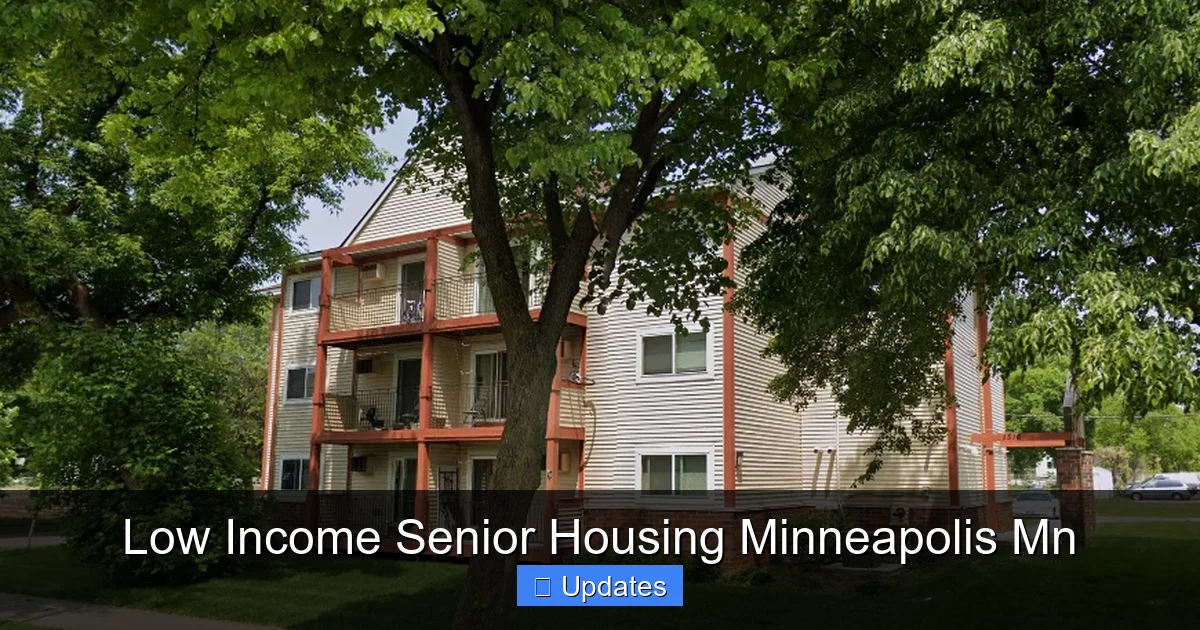
Visual guide about Low Income Senior Housing Minneapolis Mn
Image source: lowincomehousing.us
Minneapolis offers several pathways into affordable senior housing. Understanding each option helps you choose the best fit for your lifestyle and needs.
Public Housing for Seniors
Administered by the Metropolitan Council’s Housing and Redevelopment Authority (HRA), public housing in Minneapolis provides deeply subsidized rent based on household size and income. Residents typically pay no more than 30% of their adjusted gross income toward rent. These properties often feature shared laundry facilities, on-site maintenance, and basic social programming.
Examples include the Cedar Riverside Apartments and the Midtown Yards Community. While these aren’t luxury high-rises, they offer stability and predictability—key for seniors managing chronic conditions or mobility issues.
Section 202 Supportive Housing
Funded by the U.S. Department of Housing and Urban Development (HUD), Section 202 properties combine affordable rent with supportive services like meal delivery, housekeeping, and transportation assistance. These are ideal for seniors who want independence but may benefit from occasional help with daily tasks.
In Minneapolis, organizations like Lutheran Social Service operate such communities. Units are usually clustered in mid-rise buildings with elevators, accessible bathrooms, and community rooms. Rent is capped at 30% of income, and some utilities may be included.
Nonprofit-Affiliated Senior Communities
Many faith-based and secular nonprofits run affordable senior housing in partnership with HUD or Minnesota Housing Finance Agency (MHFA). These include places like the American Baptist Homes of the Midwest or the Jewish Family Service of Greater MetroWest (though branches exist across the Twin Cities).
These communities often emphasize values like compassion, intergenerational connection, or cultural continuity. Amenities vary—some have rooftop gardens, art studios, or partnerships with local clinics. Rent is still tied to income, and priority may go to veterans or those with disabilities.
How to Qualify for Low Income Senior Housing in Minneapolis

Visual guide about Low Income Senior Housing Minneapolis Mn
Image source: lowincomehousing.us
Eligibility hinges on three main factors: age, income, and residency. Let’s break them down.
Age Requirement
You must be at least 62 years old to qualify for most low income senior housing in Minneapolis. Exceptions exist for certain disability-related programs, but generally, this is non-negotiable.
Income Limits
Income limits are updated annually by HUD and vary by household size. For example, as of 2024, a single-person household must earn less than $48,700 to qualify for most programs. A couple would need combined income below $55,500. These thresholds ensure resources go to those who truly need them.
Note: Assets like savings accounts or retirement funds don’t always count toward income—but large sums could disqualify you if they push you above the limit.
Residency and Citizenship
Applicants must be legal U.S. residents or qualified non-citizens. Proof of Minnesota residency (like a driver’s license or utility bill) is required. Preference may be given to long-term Minneapolis residents or those displaced by redevelopment projects.
Additional Considerations
Some properties reserve units for specific groups—such as disabled seniors, LGBTQ+ elders, or veterans. Others require a medical certification if you’re applying under a “supplemental” program that prioritizes health-related needs.
The Application Process: Step-by-Step Guide
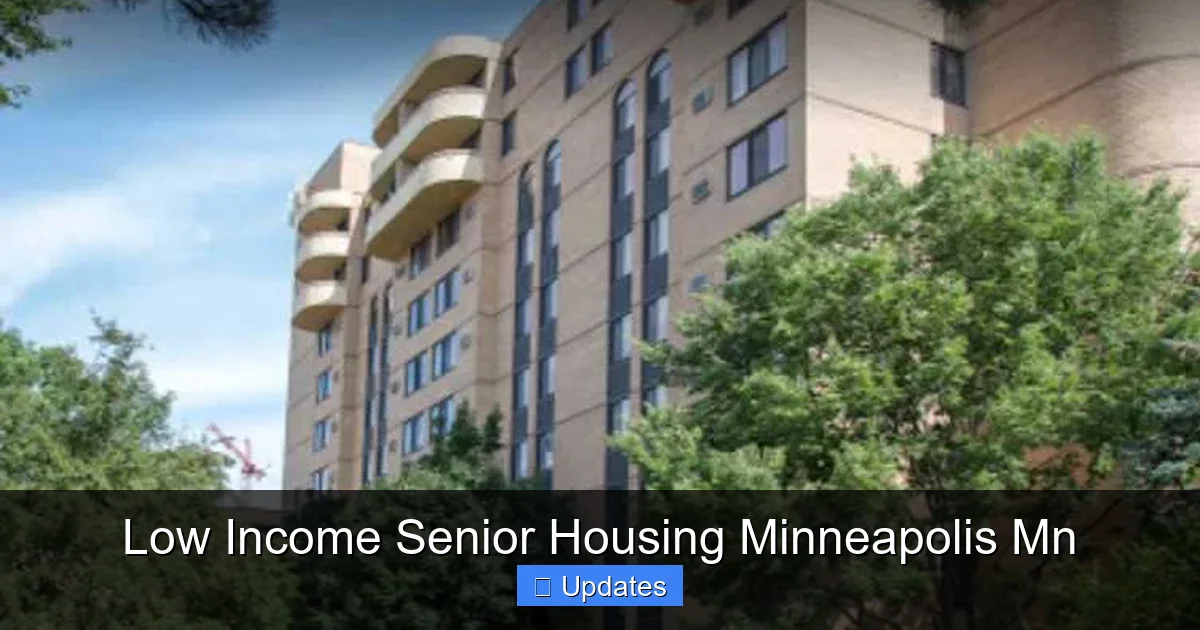
Visual guide about Low Income Senior Housing Minneapolis Mn
Image source: lowincomehousing.us
Applying for low income senior housing in Minneapolis can feel daunting, but breaking it into steps makes it manageable.
Step 1: Gather Required Documents
Before starting your application, collect:
– Proof of age (birth certificate or passport)
– Recent tax returns or pay stubs (last 90 days)
– Bank statements and asset documentation
– Proof of Minnesota residency
– Medical records (if applicable for disability waivers)
Having these ready speeds up processing and reduces back-and-forth delays.
Step 2: Complete the Application
Applications are submitted online via the Metropolitan Council’s portal or in person at an HRA office. You’ll need to list all household members, disclose income sources, and answer screening questions about criminal history or lease violations.
Tip: Double-check spelling and math—mistakes can delay approval.
Step 3: Attend an Interview
Most applicants meet with a caseworker to verify information and discuss preferences (like floor level or pet policies). Bring any additional docs requested during this meeting.
Step 4: Wait for Notification
Waitlists are common—and often long. Expect to wait anywhere from six months to two years. You’ll receive periodic updates via mail or email.
Step 5: Accept Your Unit
Once called off the list, you’ll tour the property, sign a lease, and pay a security deposit (usually one month’s rent). Move-in day is usually within 30 days.
Amenities and Services in Minneapolis Low Income Senior Housing
While affordability is the primary goal, many low income senior housing communities in Minneapolis go beyond basic shelter. Here’s what you might find:
On-Site Staff and Emergency Response
Many complexes employ full-time property managers, nurses, or social workers. Some have 24/7 emergency call buttons in bathrooms and bedrooms—a huge comfort for those living alone.
Meals and Nutrition Programs
Several communities partner with Meals on Wheels or offer subsidized communal dining. Weekly menus often include heart-healthy options, diabetic-friendly dishes, and vegetarian choices.
Transportation Assistance
Free or discounted rides to medical appointments, grocery stores, or senior centers are common. Some properties even organize group outings to museums or parks.
Social and Recreational Activities
From book clubs to yoga classes, these programs combat loneliness—which research links to better mental and physical health. Many communities host holiday celebrations or interfaith worship services.
Housekeeping and Maintenance
Basic cleaning services may be included in rent. Maintenance requests are typically addressed within 24–48 hours.
Trends and Challenges in Minneapolis Senior Housing
Like much of the U.S., Minneapolis faces a growing demand for affordable senior housing. The city’s population over 65 is projected to double by 2040, yet new construction hasn’t kept pace.
Long Waitlists Are the Norm
Due to high demand and limited funding, waitlists for low income senior housing in Minneapolis often exceed 18 months. Applicants are advised to apply to multiple properties simultaneously.
Gentrification Pressures
Rising property values in desirable neighborhoods like Northeast or Linden Hills make it harder to build new senior housing. Zoning laws and NIMBY attitudes also slow development.
Need for More Supportive Services
As seniors age in place longer, there’s increasing pressure to add memory care units, dementia-friendly designs, and telehealth options to existing complexes.
Despite challenges, advocates remain optimistic. Initiatives like the “Housing First” model and state-level grants aim to expand capacity and reduce barriers.
Tips for Increasing Your Chances of Getting Into Low Income Senior Housing
Here’s how to stand out in a competitive field:
- Apply to multiple properties: Don’t put all your eggs in one basket. Use the official Minneapolis Housing Resource Center to compare wait times and unit sizes.
- Update your application regularly: If your income changes or you move, notify the housing authority immediately—it can affect your priority ranking.
- Volunteer or participate in community events: Some nonprofits favor active residents who contribute positively to the community.
- Ask about expedited processing: If you have a documented disability or health crisis, request a hardship review.
- Stay connected: Join senior housing Facebook groups or attend city council meetings focused on aging services.
Also consider exploring nearby areas like St. Paul, which has slightly shorter waitlists and similar programs.
Conclusion: A Brighter Tomorrow Starts Today
Navigating low income senior housing in Minneapolis doesn’t have to be a solo journey. With persistence, the right preparation, and access to community resources, securing affordable, dignified housing is absolutely possible. Whether you’re seeking quiet independence or gentle companionship, Minneapolis offers options that respect your worth and support your well-being.
Remember: waiting lists are tough, but not insurmountable. Keep applying, stay informed, and lean on trusted advisors like your Area Agency on Aging. And if Minneapolis seems too competitive? Expanding your search to surrounding cities like Bloomington or Edina opens new doors.
Your golden years deserve more than survival—they deserve comfort, choice, and connection. Start today, and take that first step toward a home that feels like yours.
Frequently Asked Questions
How long is the waitlist for low income senior housing in Minneapolis?
Waitlists typically range from 6 months to over 2 years, depending on demand and property type. Applying to multiple locations increases your odds of earlier placement.
Can I bring my pet into low income senior housing in Minneapolis?
Pet policies vary by building, but many allow small dogs or cats with breed/size restrictions. Always ask during your application interview.
Are utilities included in the rent for low income senior housing?
It depends on the property. Some include water and heat; others charge separately. Check your lease carefully or ask the leasing office.
What if my income increases after I move in?
You must report income changes within 30 days. If you exceed income limits, you may be asked to move or pay higher rent—but protections exist for vulnerable seniors.
Is there transportation from low income senior housing to medical appointments?
Many communities offer free or subsidized rides through partnerships with local transit or nonprofits. Ask about scheduling when you tour.
Can I apply if I don’t speak English fluently?
Yes! Most housing offices provide interpreters or translated materials. Don’t let language barriers stop you from applying.