
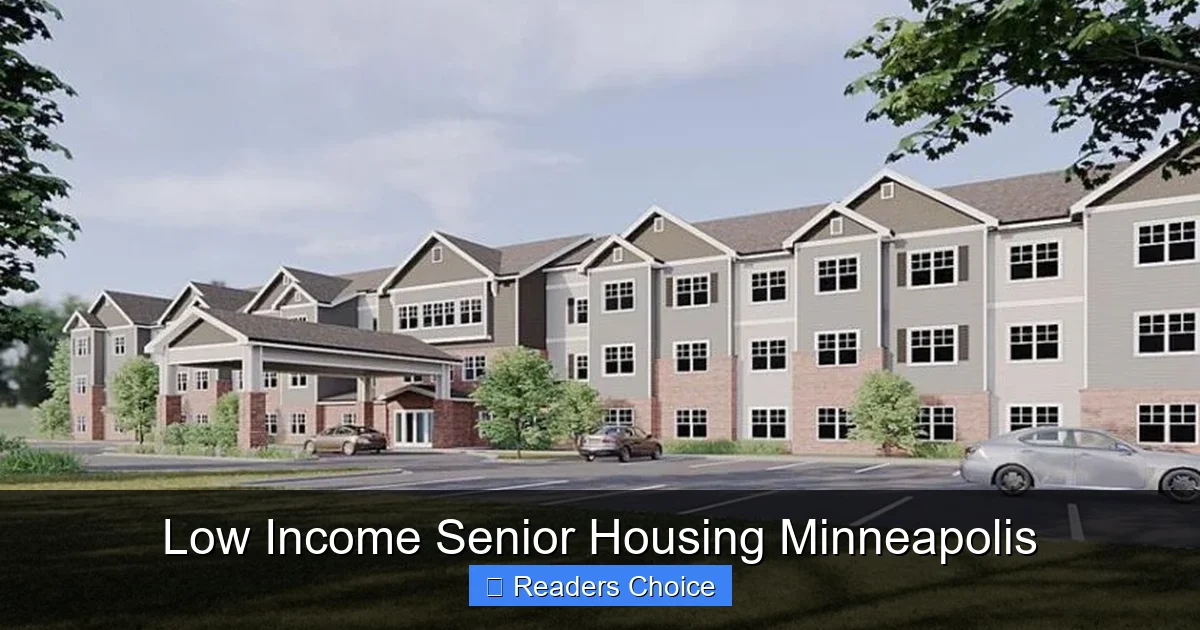
Low Income Senior Housing Minneapolis


Large Print Keyboard

Kitchen Timer with Large Display

Digital Blood Pressure Monitor
Finding safe and affordable housing as a senior in Minneapolis doesn’t have to be overwhelming. This guide breaks down low income senior housing options, eligibility requirements, application tips, and local resources to help you or your loved one secure a comfortable home without breaking the bank.
Finding a safe, comfortable, and affordable place to live is one of the most important decisions a senior can make—especially on a fixed income. In a city like Minneapolis, where the cost of living continues to rise, securing low income senior housing can feel like navigating a maze. But here’s the good news: there are real, practical solutions available. Whether you’re a senior looking for your next home or helping a parent or grandparent downsize, this guide is designed to simplify the process and empower you with the knowledge you need.
Minneapolis has long been committed to supporting its aging population. With a mix of government-funded programs, nonprofit initiatives, and community-driven housing projects, the city offers a range of options for seniors who qualify based on income and age. These aren’t just shelters or temporary fixes—they’re full-fledged communities where residents can thrive. From modern apartments with elevators and emergency call systems to buildings with communal dining and social events, today’s low income senior housing in Minneapolis is about dignity, safety, and connection.
In this article, we’ll walk you through everything you need to know: how to determine eligibility, where to find available units, what to expect during the application process, and how to avoid common pitfalls. We’ll also spotlight some of the top-rated communities and share insider tips from people who’ve successfully secured housing. By the end, you’ll feel confident and prepared to take the next step toward a stable, affordable home in the City of Lakes.
Key Takeaways
- Multiple housing types available: From subsidized apartments to nonprofit-run communities, Minneapolis offers diverse low income senior housing options tailored to different needs.
- Income and age requirements apply: Most programs require applicants to be 62+ and meet specific income limits, often based on Area Median Income (AMI).
- Apply early and be patient: Waitlists can be long—some stretch over a year—so it’s crucial to apply as soon as you’re eligible.
- Support services often included: Many communities offer on-site meals, transportation, wellness programs, and social activities to enhance quality of life.
- Nonprofits and government agencies assist: Organizations like the Minneapolis Public Housing Authority (MPHA) and AARP Minnesota provide guidance and advocacy.
- Scams exist—verify legitimacy: Always confirm a property is licensed and affiliated with reputable agencies before sharing personal or financial information.
- Location matters: Choose housing near healthcare, grocery stores, and public transit for greater independence and convenience.
📑 Table of Contents
Understanding Low Income Senior Housing in Minneapolis
When people hear “low income senior housing,” they often picture outdated buildings or crowded dormitories. But in Minneapolis, that stereotype couldn’t be further from the truth. Today’s affordable senior housing is designed with comfort, accessibility, and community in mind. These are permanent residences—often apartment-style—where seniors can live independently while benefiting from supportive services and a welcoming environment.
So, what exactly qualifies as low income senior housing? Generally, it refers to rental units that are subsidized by federal, state, or local governments, or operated by nonprofit organizations, to keep costs affordable for older adults with limited incomes. In Minneapolis, these units are typically available to individuals aged 62 and older, though some programs may accept younger seniors with disabilities.
The key feature of these housing options is affordability. Rent is usually calculated as a percentage of the resident’s income—often 30%—ensuring that housing costs don’t consume an unsustainable portion of a fixed budget. This model is especially helpful for seniors living on Social Security, pensions, or other limited sources of income.
But affordability isn’t the only benefit. Many of these communities are located in safe neighborhoods, close to public transportation, healthcare facilities, and shopping centers. They often include amenities like on-site laundry, community rooms, fitness centers, and even gardens. Some even offer meal programs, transportation services, and wellness checks—making them ideal for seniors who want to maintain independence without sacrificing support.
Types of Low Income Senior Housing Available
Not all low income senior housing is the same. In Minneapolis, you’ll find several different models, each designed to meet different needs and preferences. Understanding these options will help you choose the one that best fits your lifestyle.
One of the most common types is **public housing**, managed by the Minneapolis Public Housing Authority (MPHA). These are government-owned apartments specifically for low-income seniors and people with disabilities. Units are scattered throughout the city and typically include one- or two-bedroom layouts. Rent is based on income, and applications are accepted year-round—though waitlists are common.
Another popular option is **Section 202 Supportive Housing for the Elderly**, a federal program administered by the U.S. Department of Housing and Urban Development (HUD). These properties are developed and operated by private nonprofit organizations. They offer deeply affordable rents and often include supportive services like meals, housekeeping, and social activities. Examples in Minneapolis include the Lyndale Commons and the Heritage Apartments.
Then there are **Low-Income Housing Tax Credit (LIHTC) properties**, which are privately developed but receive tax incentives in exchange for offering below-market rents to qualifying seniors. These buildings often look and feel like market-rate apartments but come with income restrictions. Many are newer constructions with modern amenities.
Finally, some **nonprofit and faith-based organizations** run their own senior housing projects. For example, Catholic Charities of St. Paul and Minneapolis operates several affordable senior communities, including the Dorothy Day Residence and the St. Anthony Residence, which serve both seniors and individuals experiencing homelessness.
Each type has its own application process, eligibility rules, and wait times, so it’s important to research and apply to multiple options to increase your chances.
Eligibility Requirements and Income Limits

Visual guide about Low Income Senior Housing Minneapolis
Image source: lowincomehousing.us
Before you start browsing listings or touring apartments, it’s essential to understand whether you qualify for low income senior housing in Minneapolis. While the specifics can vary slightly between programs, most follow similar guidelines based on age, income, and residency.
First, **age requirements**: Nearly all low income senior housing programs require applicants to be at least 62 years old. Some may accept younger applicants if they have a qualifying disability, but the majority are reserved for older adults.
Next, **income limits**: This is where many people get tripped up. Eligibility is determined by comparing your household income to the Area Median Income (AMI) for Hennepin County. In 2024, the AMI for a one-person household is approximately $90,000. Most low income senior housing programs serve those earning 30% to 60% of AMI.
For example:
– 30% of AMI for one person = about $27,000 per year
– 50% of AMI = about $45,000 per year
– 60% of AMI = about $54,000 per year
If your annual income falls at or below these thresholds, you may qualify. Keep in mind that income includes Social Security benefits, pensions, retirement account withdrawals, and any other regular sources of money. Assets like savings accounts or investments may also be considered, though the focus is primarily on monthly income.
**Citizenship or legal residency** is another requirement. Applicants must be U.S. citizens or qualified non-citizens with valid documentation.
Finally, **background checks** are standard. Most housing providers will review criminal history, rental history, and credit reports. However, having a past issue doesn’t automatically disqualify you—many programs consider the nature, severity, and recency of any incidents.
How to Calculate Your Eligibility
To determine if you qualify, start by gathering your financial documents. Add up all sources of monthly income for your household. Then, compare that total to the current AMI limits published by HUD or the MPHA.
For example, if you’re a single senior receiving $1,800 per month from Social Security and $200 from a small pension, your annual income is $24,000. That’s well below the 30% AMI threshold, so you’d likely qualify for most programs.
If you’re unsure, don’t guess—reach out. The MPHA and local housing counselors can help you assess your eligibility and guide you through the process. Many also offer free workshops and one-on-one consultations.
Top Low Income Senior Housing Communities in Minneapolis

Visual guide about Low Income Senior Housing Minneapolis
Image source: assets.website-files.com
Minneapolis is home to several highly regarded low income senior housing communities. These aren’t just places to live—they’re vibrant neighborhoods where seniors can build friendships, stay active, and enjoy peace of mind. Below are a few standout options worth exploring.
Lyndale Commons
Located in the heart of the Lyndale neighborhood, Lyndale Commons is a HUD Section 202 property managed by Volunteers of America. This 100-unit building offers one-bedroom apartments designed for seniors aged 62 and older. Rent is based on 30% of monthly income, making it extremely affordable.
What sets Lyndale Commons apart is its strong sense of community. Residents enjoy weekly meals, fitness classes, art workshops, and transportation to medical appointments. The building is fully accessible, with elevators, wide doorways, and emergency pull cords in every unit. It’s also just a short walk from the Midtown Greenway, perfect for daily walks or bike rides.
Heritage Apartments
Another Section 202 property, the Heritage Apartments in Northeast Minneapolis, offers 80 affordable units for low-income seniors. Managed by Aeon, a local nonprofit developer, the building features modern finishes, in-unit laundry, and a community room with a full kitchen.
Residents praise the friendly staff and the variety of activities, from bingo nights to gardening clubs. The location is ideal—close to grocery stores, clinics, and the light rail, making it easy to get around without a car.
Dorothy Day Residence
Run by Catholic Charities, the Dorothy Day Residence is a unique option that serves both seniors and individuals experiencing homelessness. While not exclusively for seniors, it offers a safe, supportive environment with private rooms, shared bathrooms, and on-site counseling services.
The residence emphasizes dignity and stability, with a focus on helping residents transition to permanent housing. It’s a great choice for seniors who may need extra support or are rebuilding their lives.
MPHA Senior Housing Sites
The Minneapolis Public Housing Authority operates several senior-only buildings across the city, including the Cedar Riverside Apartments and the Elliot Park Senior Housing. These properties offer one- and two-bedroom units with income-based rent.
While waitlists can be long—sometimes over a year—these sites are well-maintained and located in convenient neighborhoods. Many are near parks, libraries, and community centers, encouraging an active lifestyle.
Tips for Choosing the Right Community
When evaluating different options, consider more than just rent. Ask yourself:
– Is the location safe and walkable?
– Are healthcare providers nearby?
– Does the building offer transportation?
– Are there social activities that interest me?
– Is the staff responsive and respectful?
Visiting in person—or attending a virtual tour—can give you a real sense of the community vibe. Talk to current residents if possible. Their experiences can be more telling than any brochure.
How to Apply for Low Income Senior Housing
Visual guide about Low Income Senior Housing Minneapolis
Image source: ecsi.org
Applying for low income senior housing in Minneapolis may seem daunting, but with the right preparation, it’s entirely manageable. The key is to start early, stay organized, and apply to multiple programs to increase your chances.
Step-by-Step Application Process
1. **Research and Make a List**: Begin by identifying all the housing options that interest you. Use resources like the MPHA website, HUD’s database, or local senior centers to compile a list.
2. **Gather Required Documents**: Most applications will ask for:
– Proof of age (birth certificate or ID)
– Proof of income (Social Security award letter, pension statements, tax returns)
– Proof of residency (utility bill or lease)
– Social Security card
– Immigration documents (if applicable)
3. **Complete Applications**: Fill out forms carefully and honestly. Double-check for errors or missing information. Some applications can be submitted online, while others require paper copies or in-person visits.
4. **Submit and Confirm**: Once submitted, ask for a confirmation number or receipt. Follow up within a week to ensure your application was received and is being processed.
5. **Join Waitlists**: If accepted, you’ll likely be placed on a waitlist. Ask how long the average wait is and whether you’ll be notified by mail, phone, or email.
6. **Stay in Touch**: Update your contact information if you move or change phones. Some programs remove applicants who can’t be reached.
Common Mistakes to Avoid
– **Waiting too long to apply**: Many seniors delay applying until they’re in crisis. Don’t wait—apply as soon as you think you might qualify.
– **Applying to only one program**: Diversify your options. Apply to MPHA, Section 202 properties, and LIHTC buildings.
– **Incomplete applications**: Missing documents are the #1 reason applications are delayed or denied.
– **Ignoring income changes**: If your income drops (e.g., due to retirement), notify the housing provider—you may move up the waitlist.
Getting Help with Applications
You don’t have to do this alone. Organizations like AARP Minnesota, the Metropolitan Area Agency on Aging, and local senior centers offer free application assistance. Trained volunteers can help you fill out forms, gather documents, and understand your rights.
Resources and Support Services
Securing housing is just the first step. Once you’re settled, you’ll want to take advantage of the support services available to help you thrive. Minneapolis offers a robust network of resources for seniors, from meal delivery to legal aid.
Local Agencies and Nonprofits
– **Minneapolis Public Housing Authority (MPHA)**: The go-to agency for public housing applications and tenant support.
– **AARP Minnesota**: Offers advocacy, workshops, and a housing helpline.
– **Metropolitan Area Agency on Aging (MAAA)**: Provides information on housing, healthcare, and transportation.
– **Senior LinkAge Line**: A free, statewide service that connects seniors to local resources (call 1-800-333-2433).
Supportive Services in Housing
Many low income senior housing communities include on-site services such as:
– **Meals on Wheels or community dining**
– **Health screenings and wellness programs**
– **Transportation to medical appointments**
– **Social activities and clubs**
– **Case management and counseling**
These services aren’t just conveniences—they’re lifelines that promote independence and reduce isolation.
Financial Assistance Programs
In addition to subsidized rent, seniors may qualify for other forms of aid:
– **Minnesota Supplemental Aid (MSA)**: Helps with rent, utilities, and personal needs.
– **Energy Assistance Program (EAP)**: Covers heating costs for low-income households.
– **SNAP (Food Stamps)**: Helps stretch your grocery budget.
Avoiding Scams and Staying Safe
Unfortunately, housing scams targeting seniors are on the rise. Fraudsters may pose as housing officials, demand upfront fees, or pressure you to sign documents quickly. Protect yourself by staying informed and vigilant.
Red Flags to Watch For
– Requests for cash payments or wire transfers
– Pressure to sign immediately
– Lack of a physical office or verifiable contact information
– Promises of “guaranteed” housing
– Unsolicited calls or emails about housing opportunities
How to Verify Legitimacy
Always check that a housing provider is affiliated with a recognized agency like HUD, MPHA, or a reputable nonprofit. Visit their official website, call their listed phone number, and confirm their license with the Minnesota Department of Health or Housing.
When in doubt, ask a trusted friend, family member, or housing counselor to review the offer with you.
Conclusion
Finding low income senior housing in Minneapolis is not only possible—it’s a realistic and achievable goal for thousands of older adults. With a variety of affordable, safe, and supportive options available, seniors can enjoy dignity, independence, and community well into their golden years.
The journey may require patience, paperwork, and persistence, but the payoff is immense. Imagine living in a clean, secure apartment where rent doesn’t stress your budget, where neighbors become friends, and where help is always nearby. That’s the reality for many seniors in Minneapolis who’ve successfully navigated the system.
Start by assessing your eligibility, researching your options, and reaching out for help. Apply early, stay organized, and don’t be afraid to ask questions. With the right information and support, you or your loved one can find a home that feels like just that—a true home.
Minneapolis is a city that values its elders. Let its housing programs reflect that care and commitment in your life.
Frequently Asked Questions
What is the average wait time for low income senior housing in Minneapolis?
Wait times vary by program and location, but most applicants can expect to wait between 6 months and 2 years. High-demand areas like downtown or near transit lines may have longer waits. Applying to multiple programs can help reduce overall wait time.
Can I apply for low income senior housing if I own a home?
Yes, but ownership may affect your eligibility. Some programs consider the value of your home as an asset, while others focus only on income. If you’re planning to sell your home to downsize, you may still qualify once the sale is complete.
Are pets allowed in low income senior housing?
Many communities allow small pets, such as cats or small dogs, but policies vary. Some buildings have weight limits, require pet deposits, or restrict certain breeds. Always check the specific rules before applying.
What happens if my income increases after I move in?
If your income rises above the program’s limit, you may be asked to move to a market-rate unit or leave the property. However, most programs allow a grace period and will work with you to find a solution. Always report income changes promptly.
Can family members visit or stay overnight?
Most senior housing communities allow short-term visits from family and friends. Overnight stays may be permitted with prior approval, especially for caregivers. Long-term residency by non-seniors is usually not allowed.
Is there help available for seniors who don’t qualify for traditional programs?
Yes. If you don’t meet income or age requirements, consider alternatives like shared housing, subsidized assisted living, or nonprofit shelters. Organizations like Catholic Charities and the Salvation Army offer transitional housing and support services.