
When Do Senior Discounts Start and How to Get Them


Back Massager with Heat

Book Holder Stand
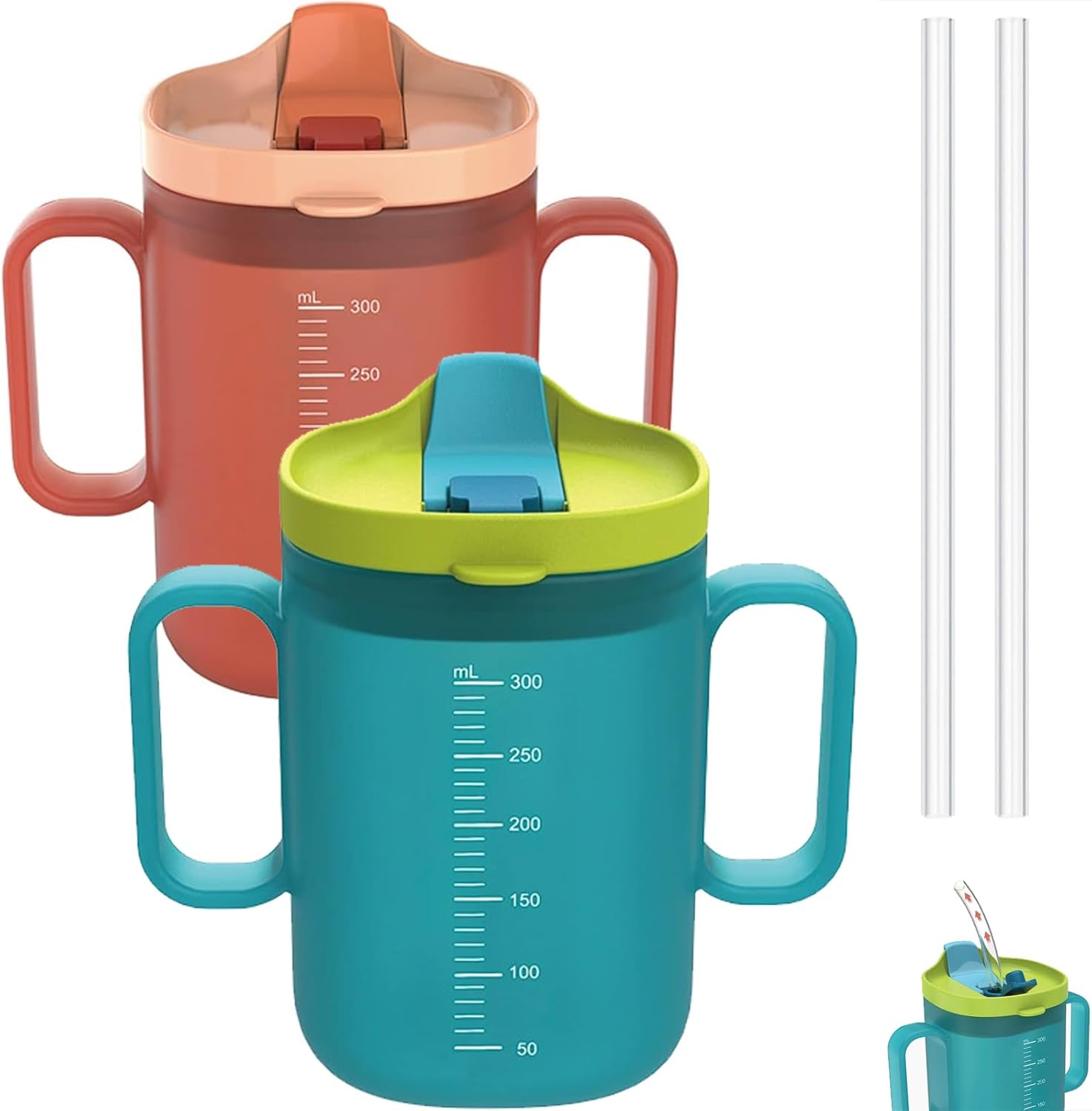
Spill-Proof Adult Cup
Senior discounts often start at ages 50, 55, 60, 62, 65, or 70+, depending on the business. The best way to save is to ask, compare prices, and verify the rules before you pay.
If you have ever wondered when do senior discounts start, the short answer is: it depends on the business. Many places begin at age 50, 55, 60, 62, 65, or even 70+, so the best approach is to ask before you pay.
- Common ages: Senior discounts often begin at 50, 55, 60, 62, 65, or 70+.
- Ask first: Many discounts are not automatic and must be requested.
- Compare prices: The senior rate is not always the lowest available deal.
- Check the rules: Location, membership, and product type can change eligibility.
- Verify health costs: For medical purchases, consult your doctor or pharmacist/healthcare provider.
When Do Senior Discounts Start? The Real Age Ranges in 2026
There is no single national rule for senior discounts. A store, restaurant, hotel, or travel company can set its own age requirement, and that is why one business may offer a discount at 50 while another waits until 65 or older.
If you want a broader look at the most common age cutoffs, our guide on senior discounts start at 50 explains why some businesses choose earlier eligibility. The main idea is simple: senior pricing is a business policy, not a government standard.
Why “senior” starts at different ages depending on the business
Businesses set their own rules based on their customers, pricing strategy, and local competition. Some use “senior” as a marketing term for adults 50 and older, while others reserve it for people closer to retirement age.
This is why you may see very different answers from one place to another. A chain may advertise one age, but a local franchise owner may decide not to offer the same deal at all.
Common age thresholds: 50, 55, 60, 62, 65, and 70+
The most common starting ages are 50, 55, 60, 62, 65, and 70+. Age 50 is often used by membership programs and some retail or dining discounts, while 55 and 60 are common in local offers and select travel deals.
Age 62 and 65 are also widely recognized because many people associate those ages with retirement planning. Some businesses wait until 70+, especially for special local promotions or limited senior days.
How age-based eligibility can vary by location, membership, and product type
Eligibility can change based on where you live, whether the business is a franchise, and what you are buying. A discount might apply in one city but not another, or it may only apply to certain menu items, services, or travel fares.
That is why it helps to check the fine print. If you are comparing local deals, our article on senior discounts in San Antonio shows how location can shape what is available.
Where Senior Discounts Are Most Common: Everyday Savings Categories
Senior discounts are easiest to find in places people visit often. Restaurants, pharmacies, grocery stores, travel companies, and entertainment venues are all common places to look.
Restaurants and coffee shops
Many restaurants offer a senior meal price, a smaller portion option, or a percentage off the bill. Coffee shops may also offer a small discount, but often only at participating locations.
Always ask before ordering if the menu does not mention senior pricing. Some chains advertise the discount clearly, while others only share it at the register or through a local store policy.
Retail stores, pharmacies, and grocery savings
Retail stores may offer senior days, special coupons, or age-based discounts on certain items. Pharmacies and grocery stores sometimes combine senior pricing with loyalty programs, which can create meaningful savings on regular household purchases.
If you shop at a chain store, it is worth checking whether the discount is national or local. For example, our guide on does Publix offer a senior discount can help you understand how store policies may differ.
Travel discounts: airlines, hotels, car rentals, cruises, and rail
Travel is one of the best-known areas for senior savings. Airlines, hotels, car rental companies, cruises, and rail services may offer reduced rates, but the rules can be strict and the availability can change quickly.
With travel, the senior rate is often tied to the booking method, travel dates, or seat availability. If you are planning a trip, compare the senior fare with the regular fare before you book, because a sale price may be better than the senior rate.
Entertainment, museums, and local attractions
Museums, theaters, zoos, parks, and local attractions often have senior admission pricing. Some offer a fixed discount, while others reduce the price only on certain days or for certain ticket types.
Local attractions are especially likely to have age-based savings that are not heavily advertised. It never hurts to ask at the ticket desk, even if the website does not mention a senior rate.
How to Get Senior Discounts Without Missing Out
The biggest mistake seniors make is assuming the discount will be automatically applied. In many cases, you have to ask for it, show proof of age, or choose the senior option during booking.
What ID or proof of age businesses may ask for
Businesses may ask for a driver’s license, state ID, passport, or another government-issued photo ID. Some places may simply ask your birth year, but others will want to verify eligibility more carefully.
Keep in mind that the exact proof needed can vary by store, region, or employee policy. If you are unsure, ask what type of ID is accepted before you place the order.
If you are traveling or managing several appointments in one day, keep your ID, insurance card, and a small list of important phone numbers in one easy-to-reach place. A simple system can reduce stress and help you move through checkout or check-in more smoothly.
How to ask politely and confidently at checkout
A simple question works best: “Do you offer a senior discount?” or “Is there a senior rate available today?” That sentence is clear, polite, and easy for staff to answer.
If the first employee says no, it can still help to ask whether a manager, customer service desk, or alternate booking option exists. Sometimes the discount is available only in a specific department or through a different payment screen.
Ask about the senior rate before the transaction is completed, especially for travel, services, and larger purchases.
Have your ID ready in case the cashier, clerk, or booking agent asks for age verification.
Make sure the senior price is actually better than the regular sale, coupon, or app offer.
Using loyalty programs, memberships, and app-based offers together with senior pricing
Some stores let you combine senior pricing with loyalty points, email coupons, or app-based offers. Others allow only one discount at a time, so the better deal may depend on the day.
If you already use a membership program, compare the member price and the senior price side by side. That is especially useful for travel, home services, and recurring purchases where the savings can add up over time.
Practical examples of real-world savings on common purchases
Here is how savings may look in everyday life: a restaurant may offer a lower lunch price, a pharmacy may give a small percentage off select items, and a hotel may reduce the nightly rate for older guests.
For larger purchases, even a modest discount can matter. If you are comparing home improvement quotes, for example, it may be worth checking whether a company offers a senior rate like the one discussed in our guide to does Lowe’s give a senior discount.
Senior Discount Age Compared to Other Savings Options
Senior discounts are only one way to save. Depending on the purchase, a coupon, promo code, loyalty offer, or membership benefit may be better than the senior rate.
Senior discounts vs. AARP and membership-based savings
Membership-based savings can sometimes beat a basic senior discount, especially on travel, insurance-related services, or national retail partners. The tradeoff is that memberships may require annual fees, so the value depends on how often you use them.
Senior discounts are simpler because they usually depend on age alone. If you want to compare the two, check whether the business offers both and see which one gives the lower final price.
Senior discounts vs. coupons, promo codes, and cashback offers
Coupons and promo codes are often available to anyone, while senior discounts are age-based. Cashback offers may not lower the price at checkout, but they can still improve your total savings after the purchase.
That means the “best” deal is not always the senior rate. In some cases, a public sale or digital promo can save more than the senior price, especially during seasonal promotions.
| Option | Best For | Note |
|---|---|---|
| Senior discount | Age-based savings | Usually simple, but not always the lowest price |
| Membership deal | Frequent shoppers and travelers | May require a fee or enrollment |
| Coupon or promo code | Short-term sales | Can beat the senior rate on sale days |
When the senior rate is better—and when another discount wins
The senior rate is often best when it is clearly posted and automatically applied. It can also be helpful when you are buying something without a coupon or when you want a simple, no-fuss discount.
Another discount wins when a sale price is deeper, a promo code stacks with loyalty rewards, or a membership benefit applies to a bigger purchase. The smartest shoppers compare before paying.
Common Mistakes That Cause Seniors to Miss Discounts
Many people miss savings not because the discount is unavailable, but because they do not ask or do not check the details. A few small habits can prevent that.
Assuming every business offers a senior rate
Not every business has a senior discount, even if a similar store across town does. Policies vary widely, and some companies only offer discounts during special promotions or at select locations.
It is better to ask than to assume. If you are planning a meal or shopping trip, a quick question can save you money and avoid disappointment.
Not asking at the register, booking screen, or service desk
Some discounts appear only if you select the senior option during online booking. Others are applied by staff at the counter, which means the discount may be missed if you do not mention it.
For travel in particular, check the booking screen carefully. A hidden fare type or age-based option may be available only after you click through a few pages.
Overlooking age minimums, blackout dates, and limited-time promotions
Even when a business offers a senior discount, there may be limits. Some deals require a minimum age, exclude holidays, or apply only on certain days of the week.
Blackout dates are especially common in travel and entertainment. If the fine print is confusing, ask for clarification before you complete the purchase.
Forgetting to compare the senior price with regular sale pricing
Senior pricing is not always the best deal available. A store sale, bundle offer, or online coupon may be lower than the senior rate on that day.
That is why a quick price check is worth the effort. The best savings habit is simple: compare, ask, and then pay only after you know which price is lowest.
Expert Tips and Help: When to Double-Check the Fine Print
Some discount policies are straightforward, but others change often. When in doubt, check the business website, call ahead, or ask for written confirmation if the purchase is important.
When discount policies change by franchise, region, or franchise owner
Chain stores and restaurants may have different rules from one location to another. A franchise owner can sometimes decide whether to offer the discount locally, which means a national brand may not have a universal policy.
If you see conflicting information online, trust the current location’s policy first. Older blog posts, outdated signage, and third-party listings may not reflect today’s rules.
Why travel and healthcare-related savings need extra verification
Travel discounts can depend on route, seat class, booking channel, and travel date. Healthcare-related savings can depend on insurance, pharmacy programs, and whether the item is covered at all.
If the savings involve medication, medical equipment, or a health service, consult your pharmacist or healthcare provider before assuming a discount changes the total cost. Coverage and out-of-pocket amounts can vary by plan, condition, and location.
If a discounted product or service affects your health, mobility, or medication routine, talk to your doctor or consult your pharmacist/healthcare provider before you buy. This is especially important if you have multiple conditions, take several medications, or need help understanding insurance coverage.
How to spot confusion, outdated signage, or misleading discount claims
Look for signs that the policy may be outdated, such as old posters, unclear age requirements, or conflicting website details. If the offer sounds vague, ask for the exact terms before you commit.
Be cautious with claims that sound too broad, such as “seniors save every day,” without an age requirement or a list of exclusions. Clear policies are easier to trust than vague promises.
Some discounts may only apply to specific products, specific times, or specific locations. Always check whether the advertised savings include taxes, fees, delivery costs, or service charges.
When to ask a manager or customer service for clarification
If a cashier is unsure, a manager or customer service representative may be able to confirm the policy. That is especially useful for larger purchases, travel bookings, or services that are expensive to change later.
Being calm and specific usually works best. Ask what age qualifies, whether the offer can be combined with another promotion, and whether the discount applies today.
Final Recap: The Best Way to Find Senior Discounts Starting Today
The answer to when do senior discounts start is that the starting age varies, but 50, 55, 60, 62, 65, and 70+ are the most common ranges. The real key is not just your age, but whether the business offers the discount and how it applies.
Quick summary of the most common starting ages
Age 50 is often used for broader savings programs, while 55 and 60 are common in retail and local promotions. Age 62, 65, and 70+ are also widely used, especially for travel, dining, and special senior days.
Simple action steps to save more in 2026
Ask before you pay, keep your ID ready, compare the senior rate with sale pricing, and check whether memberships or coupons give a better deal. If you travel, shop locally, or buy services often, a few minutes of checking can lead to steady savings.
- Senior discounts can start as early as age 50, but many begin at 55, 60, 62, 65, or older.
- Policies vary by business, location, and product type, so always ask and verify.
- The senior rate is not always the lowest price, so compare it with sales and coupons.
- For health-related purchases, talk to your doctor or consult your pharmacist/healthcare provider if coverage or safety is unclear.
Encouragement to compare, ask, and verify before paying
The easiest way to save is to stay curious and politely ask about the discount every time it might apply. When you compare, ask, and verify before paying, you are far more likely to keep more money in your pocket.
Frequently Asked Questions
Many senior discounts start at age 50, 55, 60, 62, 65, or 70+. The exact age depends on the business and its local policy.
No, not all businesses offer senior discounts. Some only provide them at certain locations or on specific days.
Sometimes yes. A business may ask for a driver’s license, state ID, passport, or another form of proof of age.
Sometimes you can, but many businesses allow only one discount at a time. Always compare the final price to see which option saves more.
It depends on the purchase. Membership deals can be better for frequent shoppers or travelers, while senior discounts are simpler and do not require a fee.
Yes. Some businesses offer senior pricing quietly or only at the register, booking screen, or service desk.