
Village Cooperative of Puyallup Senior Housing


Back Massager with Heat

Large Button TV Remote

Fall Detection Smart Watch
The Village Cooperative of Puyallup Senior Housing is a nonprofit, resident-owned cooperative that provides affordable housing and supportive services for seniors aged 62+ in Puyallup, WA. This innovative model emphasizes community ownership, cost savings, and lifelong connections, allowing residents to maintain independence while enjoying shared amenities and support networks.
Key Takeaways
- Affordable Senior Living: The cooperative model reduces monthly costs by eliminating profit margins, making housing more accessible for fixed-income seniors.
- Resident Ownership: Members purchase shares in the cooperative, giving them equity and a voice in decision-making through democratic governance.
- Community-Centered Design: Shared spaces like kitchens, gardens, and activity rooms foster social interaction and reduce isolation among residents.
- Supportive Services: On-site assistance includes meal programs, transportation, wellness checks, and access to healthcare coordination.
- Location Benefits: Situated in Puyallup, residents enjoy proximity to medical facilities, shopping, parks, and public transit.
- Sustainability Focus: Energy-efficient buildings and shared resource use lower utility costs and environmental impact.
- Application Process: Prospective residents must meet income guidelines, age requirements (62+), and participate in member orientation and training.
📑 Table of Contents
- Welcome to Village Cooperative of Puyallup Senior Housing
- What Is a Senior Housing Cooperative?
- The History and Mission of the Village Cooperative of Puyallup
- Daily Life at the Village Cooperative of Puyallup
- Financial Structure and Affordability
- Accessibility and Support Services
- How to Apply and Join the Community
- Challenges and Considerations
- Why the Village Cooperative Matters for Seniors Today
- Conclusion: A New Chapter Awaits
Welcome to Village Cooperative of Puyallup Senior Housing
Finding a safe, affordable, and supportive place to live as you age can feel overwhelming—especially when traditional senior housing options come with high costs or limited flexibility. That’s where Village Cooperative of Puyallup Senior Housing stands out. Nestled in the heart of Puyallup, Washington, this innovative housing model offers something truly special: a resident-owned, community-driven environment designed specifically for adults 62 and older who value independence, affordability, and connection.
Unlike conventional retirement communities or assisted living facilities, the Village Cooperative operates on a cooperative principle. This means residents don’t just rent units—they become members and shareholders. They have a say in how the community runs, share responsibilities, and benefit from collective cost savings. It’s not just housing; it’s a new way of aging together.
In this comprehensive guide, we’ll walk you through everything you need to know about the Village Cooperative of Puyallup Senior Housing—from its founding story and daily life inside the co-op to financial benefits, amenities, and how to apply. Whether you’re considering a move or simply curious about alternative senior housing models, this article will give you real insights into what makes this community so unique.
What Is a Senior Housing Cooperative?
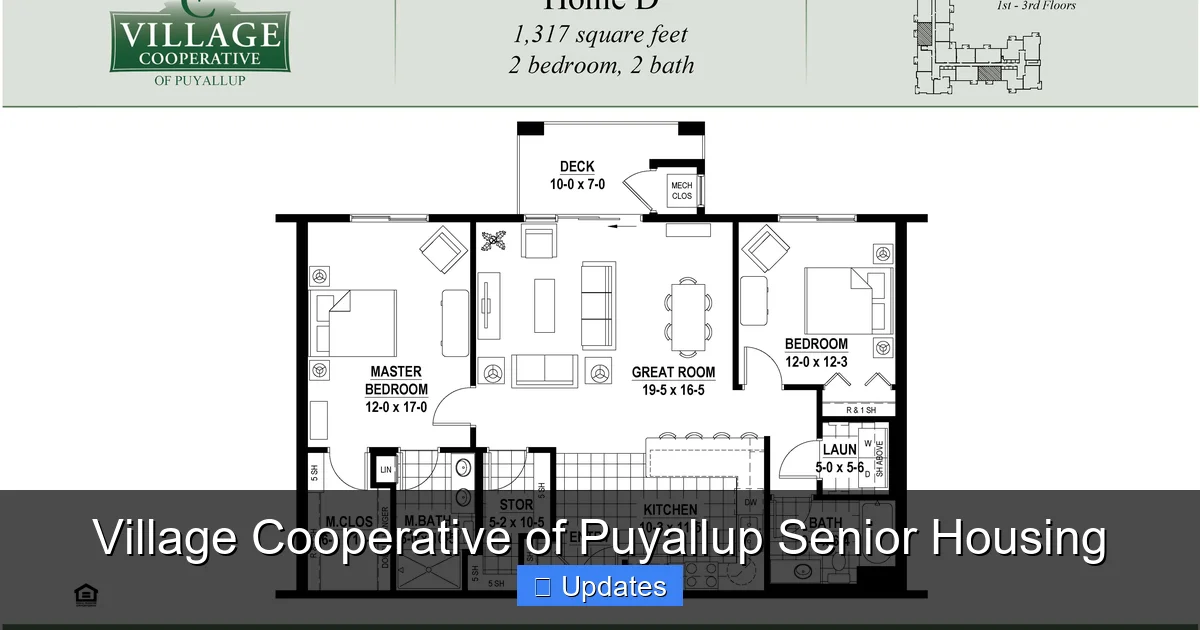
Visual guide about Village Cooperative of Puyallup Senior Housing
Image source: uploads-ssl.webflow.com
Before diving into specifics about the Village Cooperative of Puyallup, let’s clarify what “cooperative housing” really means—especially for seniors.
A senior housing cooperative is a type of affordable housing where residents collectively own and manage their building or complex. Instead of paying rent to a landlord or corporation, members buy shares in the cooperative (usually one per unit). These shares represent partial ownership and come with certain rights and responsibilities.
One of the biggest advantages? Lower operating costs. Because there’s no corporate profit taken out, money saved can go toward maintaining the property, subsidizing services, or reducing monthly fees. In many cases, co-ops offer lower monthly payments than market-rate apartments or senior complexes.
Another key feature is democratic governance. Residents elect a board of directors and vote on major decisions—like budget approvals, rule changes, or hiring staff. This gives seniors real control over their living environment.
For those concerned about rising housing costs or wanting to preserve generational wealth, cooperative ownership also builds equity. When you sell your unit, you may recoup part of your initial investment—unlike renting, where payments disappear into thin air.
The Village Cooperative of Puyallup embodies these principles while adding local flavor and tailored support for aging adults. Let’s explore why it matters so much to the Puget Sound region.
The History and Mission of the Village Cooperative of Puyallup
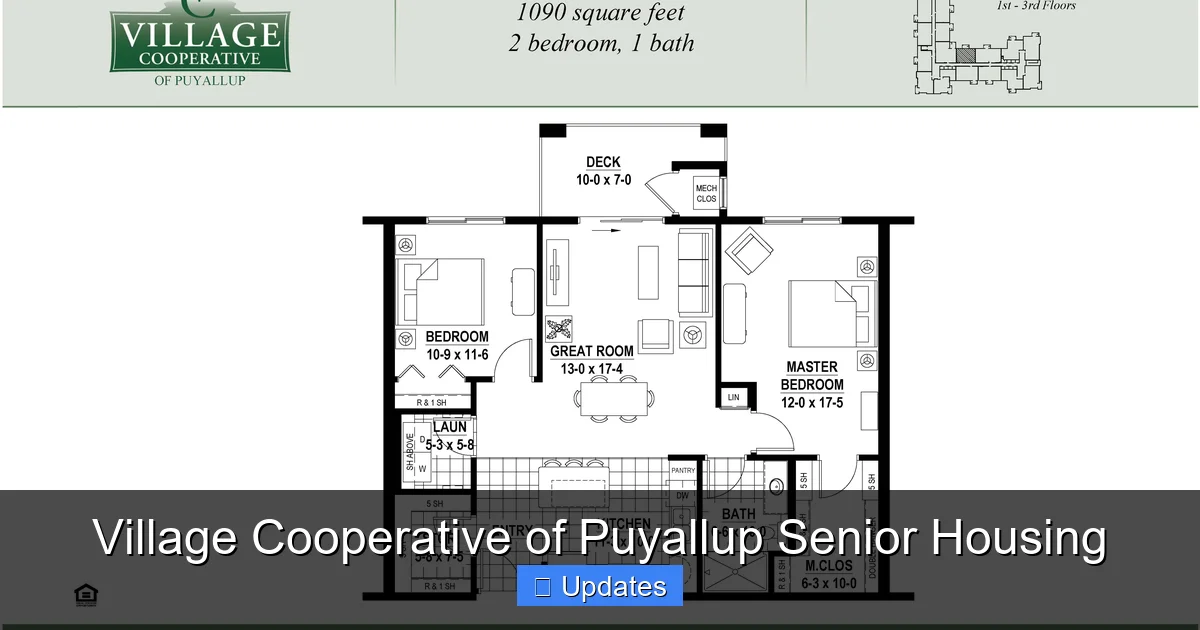
Visual guide about Village Cooperative of Puyallup Senior Housing
Image source: assets-global.website-files.com
Founded in 2008, the Village Cooperative of Puyallup emerged from a grassroots effort by local activists and seniors who saw a gap in affordable, dignified housing options. At the time, few resources existed in Pierce County for low-to-moderate-income seniors—particularly those without family nearby or access to high-cost assisted living.
The founders believed that housing shouldn’t be a privilege reserved only for the wealthy. Their vision was simple yet powerful: create a self-sustaining community where seniors could age in place, stay connected, and retain dignity—all at a price they could afford.
Today, the cooperative spans three buildings totaling 48 studio and one-bedroom units. All units are designed with accessibility in mind, featuring wide doorways, roll-in showers, and emergency call systems. But beyond physical design, the mission centers on empowerment: giving seniors agency over their lives and futures.
Partnerships with local nonprofits, faith groups, and government agencies have helped sustain operations over the years. Grants from the Washington State Housing Finance Commission and contributions from community donors ensure the cooperative remains financially stable.
Importantly, the Village Cooperative isn’t just about shelter—it’s about belonging. Regular potlucks, volunteer opportunities, educational workshops, and intergenerational events strengthen bonds between residents and the wider Puyallup community.
How It Compares to Traditional Senior Housing
Many people assume all senior housing works the same way. But comparing cooperative models to traditional options reveals significant differences:
| Feature | Village Cooperative | Traditional Assisted Living |
|——–|———————|—————————–|
| Ownership | Resident-owned (shares) | Landlord/operator-owned |
| Monthly Cost | Often lower due to no profit margin | Higher (includes care & profit) |
| Decision-Making | Votes on policies & budgets | Limited input |
| Equity Potential | Possible return on sale | No equity built |
| Amenities | Shared kitchens, gardens, common areas | Private units, fewer shared spaces |
While some assisted living facilities offer excellent care and luxury amenities, they often come with steep entrance fees and service charges. For seniors living on fixed incomes—like Social Security or pensions—these costs can quickly become unsustainable.
That’s why co-ops like the Village Cooperative fill such an important niche. They prioritize financial sustainability without sacrificing quality of life.
Daily Life at the Village Cooperative of Puyallup
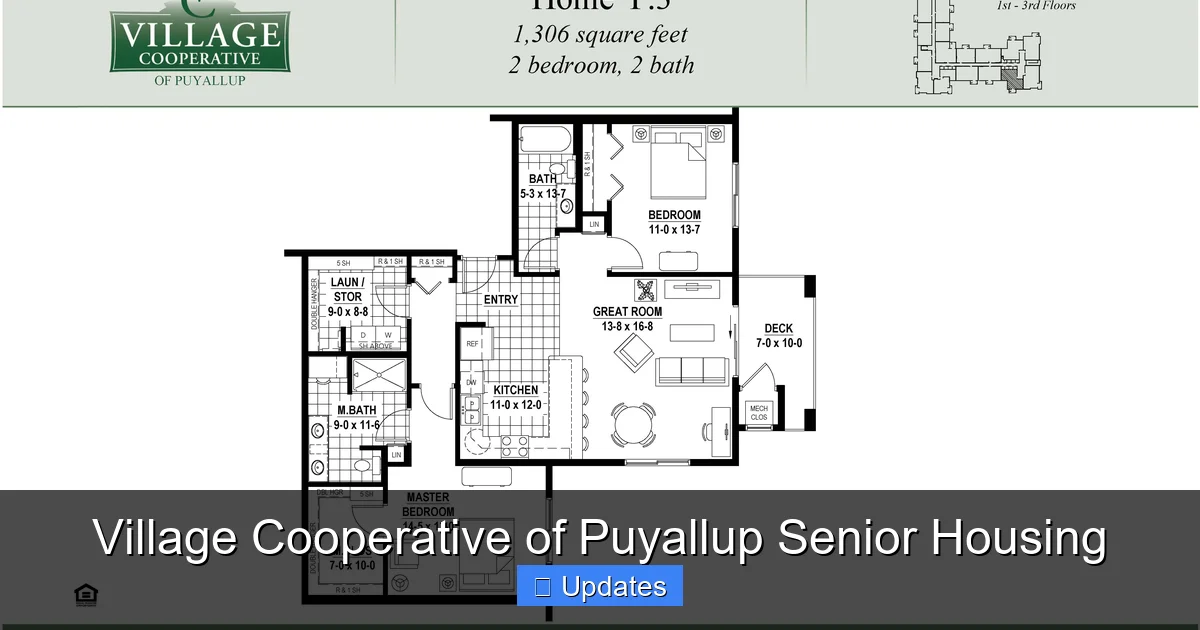
Visual guide about Village Cooperative of Puyallup Senior Housing
Image source: assets-global.website-files.com
Living in a cooperative isn’t dramatically different from apartment living—but the sense of community changes everything. Here’s what a typical day might look like for a resident:
Imagine waking up in your cozy studio apartment, stepping into a bright, shared kitchen where several neighbors are already brewing coffee. You help prepare breakfast for everyone—a weekly tradition that doubles as cooking class and conversation. After eating, you head to the garden shed to water the herbs or join a yoga session led by another resident.
Lunch might include a group outing to the local farmers market, organized through the cooperative’s transportation fund. In the afternoons, you attend a book club meeting or help tutor kids from a nearby elementary school—thanks to partnerships with local schools.
Evenings often involve board games, movie nights, or visiting hours with grandchildren. The cooperative hosts monthly “skill-share” days, where residents teach each other knitting, woodworking, or digital literacy.
This kind of engagement combats loneliness—a serious issue affecting one in four Americans over 65. Studies show strong social ties improve mental health, cognitive function, and even longevity.
Of course, privacy still matters. Each resident has their own private bedroom and bathroom. But the balance between personal space and communal life is intentional—and highly valued.
Amenities That Make Life Easier
The Village Cooperative invests heavily in shared amenities that make daily living easier and more enjoyable:
- Fully Equipped Kitchens: Two large kitchens allow residents to cook together, host meals, or practice new recipes.
- Laundry Facilities: On-site washers/dryers reduce trips off-site and accommodate larger loads.
- Garden Spaces: Raised beds and tools encourage gardening, which boosts mood and provides fresh produce.
- Common Room & Library: A comfortable lounge with books, puzzles, and TV access fosters relaxation and connection.
- Transportation Vouchers: Subsidized rides to doctors, grocery stores, or cultural events keep residents mobile.
- Emergency Response System: Pendant alarms link directly to staff during crises.
These features aren’t luxuries—they’re practical supports that enable aging in place. For example, having a shared kitchen means someone with mobility challenges doesn’t have to cook alone. And reliable transportation ensures medical appointments don’t get missed.
Financial Structure and Affordability
One of the most compelling reasons to consider the Village Cooperative is its financial model. Many seniors worry that affordable housing means sacrificing comfort or safety. But here, affordability comes without compromise.
Residents pay two main costs:
1. **Monthly Fees:** Cover utilities, maintenance, insurance, and administrative expenses.
2. **Cooperative Share Purchase:** A one-time fee (typically $5,000–$7,000) grants membership and voting rights.
Compared to similar-sized units in Tacoma or Seattle metro area, these costs are significantly lower. For context, a comparable assisted living facility in nearby Federal Way could cost $3,500+/month—plus entrance fees.
Income eligibility is based on federal HUD standards. Most residents earn under 50% of the area median income, ensuring the community remains inclusive.
Importantly, if you ever need to leave, you can sell your share back to the cooperative—subject to availability and board approval. This creates security: you’re not stuck in a costly lease forever.
Many residents also appreciate tax benefits. While not all cooperative expenses are deductible, some states allow deductions for homeowner association fees (which co-ops resemble).
Tips for Managing Finances in a Co-op
If you’re thinking about joining, here are a few smart tips:
- Budget for the Share Fee Early: Set aside funds before applying—don’t wait until move-in day.
- Review Monthly Statements Carefully: Track utility usage and identify cost-saving opportunities (e.g., unplugging electronics).
- Join Energy-Saving Initiatives: Suggest LED bulb replacements or weatherstripping doors to reduce bills.
- Take Advantage of Volunteer Roles: Some positions offer reduced fees or priority for future vacancies.
- Plan for Future Needs: Discuss long-term care options early with the board—they may partner with local agencies.
Remember: transparency is key. The cooperative holds regular financial meetings where members review budgets and suggest improvements.
Accessibility and Support Services
Physical accessibility is built into every aspect of the Village Cooperative. Units feature:
- Roll-in showers with grab bars
- Lowered countertops in kitchenettes
- Non-slip flooring throughout
- Emergency pull cords in bathrooms
- Visual fire alarms and strobes
But accessibility goes beyond ramps and rails. The cooperative offers soft supports too:
– Weekly wellness checks by trained volunteers
– Referrals to physical therapists or podiatrists
– Assistance navigating Medicare/Medicaid
– Help filing housing assistance applications
Staff and volunteers respond quickly to emergencies—even late at night. And because everyone knows each other, neighbors often spot signs of trouble before official systems kick in.
For residents with memory issues or early-stage dementia, the familiar routines and small-scale layout reduce confusion and anxiety. There’s no need to navigate sprawling hallways or unfamiliar lobbies.
Working with Local Healthcare Providers
The cooperative maintains relationships with clinics in Puyallup and nearby Tacoma. Residents receive discounted rates on blood pressure monitors, hearing aids, and vision screenings through partnership programs.
Nurses visit monthly for flu shots and health education. Pharmacies deliver medications directly to the building—no more forgotten prescriptions!
Importantly, the cooperative doesn’t provide skilled nursing care. But it does connect residents with trusted providers who understand senior needs. This collaborative approach prevents gaps in care and reduces hospital readmissions.
How to Apply and Join the Community
Interested in becoming a member? Here’s the step-by-step process:
1. **Submit an Application:** Available online or at the management office. Include proof of age (62+) and income documentation.
2. **Attend Orientation:** Learn about rules, responsibilities, and expectations.
3. **Interview with Board:** Discuss your goals, needs, and willingness to participate.
4. **Waitlist Placement:** Applications are prioritized by date and need (e.g., disability, veteran status).
5. **Move-In Preparation:** Complete background check, sign agreements, and schedule utility setup.
The waitlist typically ranges from 6 months to 2 years, depending on demand. But the cooperative occasionally opens new units due to renovations or relocations.
During orientation, expect discussions about:
– Financial obligations
– Noise policies
– Guest visitation rules
– Emergency procedures
– Sustainability practices
Becoming a member means more than moving into a building—it’s committing to being part of a team. Active participation strengthens the whole community.
Real Stories from Current Residents
Meet Eleanor, 74, who moved in after her husband passed away:
> “I was lonely and scared of losing my independence. But here, I wake up excited to see my friends. We grow tomatoes together and share recipes. Best decision ever.”
Then there’s Robert, 68, who uses a wheelchair:
> “The garden beds are at my height. My neighbor waters them when I’m sick. It feels like family—not just neighbors.”
These stories reflect a broader truth: the Village Cooperative works best when people show up, pitch in, and care for one another.
Challenges and Considerations
No housing model is perfect. The Village Cooperative faces ongoing challenges:
– **Funding Gaps:** Reliance on grants limits expansion plans.
– **Staffing Shortages:** Finding qualified aides affects response times.
– **Aging Infrastructure:** Some wiring and plumbing need updates (funded by member fees).
– **Balancing Privacy & Community:** Too many shared activities can overwhelm introverts.
However, the cooperative actively addresses these issues through member feedback sessions and transparent reporting. Residents aren’t passive recipients—they shape solutions.
Before deciding, ask yourself:
– Am I comfortable with shared decision-making?
– Do I value community over absolute privacy?
– Can I contribute time or skills to the cooperative?
If yes, you’re likely a great fit.
Why the Village Cooperative Matters for Seniors Today
With baby boomers hitting 65 at record rates and housing costs soaring nationwide, alternatives like the Village Cooperative of Puyallup are more important than ever. Traditional senior housing often excludes those with modest means or limited mobility. Meanwhile, independent living communities lack the financial safeguards and social depth residents crave.
Cooperative models prove that dignity and affordability aren’t mutually exclusive. By pooling resources, sharing labor, and democratizing governance, seniors reclaim control over their lives.
Moreover, these communities combat systemic isolation. Loneliness kills nearly as many people as smoking! Strong social networks improve mental health, reduce depression, and even strengthen immune function.
The Village Cooperative also sets a precedent for sustainable elder care. Rather than relying on expensive institutional models, it promotes aging in place—keeping seniors rooted in familiar environments with trusted neighbors.
As Washington state grapples with an aging population and shrinking caregiver workforce, innovations like this offer hope. They remind us that housing is a right, not a privilege.
Conclusion: A New Chapter Awaits
The Village Cooperative of Puyallup Senior Housing isn’t just another senior living option—it’s a movement. It shows that when people come together around shared values, incredible things happen. Affordable housing, meaningful work, lifelong friendships, and peaceful aging all coexist beautifully here.
Whether you’re exploring options for yourself or a loved one, take comfort knowing there’s a place where aging is celebrated, not feared. Where cost doesn’t dictate quality. Where every voice matters.
Ready to learn more? Visit their website or stop by during open house events. The next chapter of your life might just begin with a single shared meal—and a warm welcome from your new neighbors.
For additional resources on senior housing models, check out our guides on low-income senior housing in Mobile, Alabama, or explore Belmont Village of Memphis for a luxury comparison. Understanding your choices empowers you to choose wisely.
Frequently Asked Questions
Who is eligible to live at the Village Cooperative of Puyallup?
Residents must be at least 62 years old and meet income guidelines set by the Department of Housing and Urban Development (HUD). Preference is given to applicants with lower incomes and those with special needs.
Do I own my unit at the Village Cooperative?
Yes. As a member, you purchase a share in the cooperative, which grants you ownership of your unit and voting rights in community decisions.
Are pets allowed at the Village Cooperative?
Small, well-behaved pets are permitted with prior approval from the board. Service animals are always welcome regardless of size or breed.
What happens if I need more than basic support services?
The cooperative connects residents with external providers for skilled nursing, home health aides, or specialized therapies. Costs are paid separately by the resident or insurance.
Can I visit before applying?
Absolutely. Schedule a tour through their website or call the management office to arrange a visit. Open houses occur quarterly.
Is there parking available for visitors?
Yes, designated visitor spots are available near each building. Additional street parking is also accessible within walking distance.