
Traction Socks for Senior Dogs


Portable Radio with Large Buttons

Folding Walking Stick with Seat

Large Button TV Remote
Traction socks for senior dogs are specially designed to help older pets maintain balance and avoid falls on smooth surfaces. As dogs age, their coordination and muscle strength often decline, making everyday walks or indoor movement risky. These socks feature rubber grips and snug fits that provide stability without restricting circulation. Whether your pup struggles with arthritis, weak limbs, or just needs extra support, traction socks can make a real difference. They’re easy to use, washable, and come in fun colors—turning safety into something enjoyable.
Key Takeaways
- Prevent slips and falls: Traction socks add grip to hardwood, tile, linoleum, and other slick floors—key areas where senior dogs often lose footing.
- Support joint health: By reducing strain during movement, these socks ease pressure on arthritic joints and support overall mobility.
- Easy to put on and remove: Most models snap or velcro close quickly, even for dogs with limited neck mobility or stiff joints.
- Washable and durable: Made from breathable, machine-washable materials, they stay hygienic through regular use.
- Boost confidence: A sure-footed pet is a happy one—traction socks help older dogs move freely without fear of slipping.
- Customizable fit: Available in multiple sizes and adjustable closures, they suit small to large breeds commonly kept as senior companions.
- Complement care routines: Pair with proper nutrition, gentle exercise, and orthopedic bedding for holistic senior dog wellness.
📑 Table of Contents
- The Importance of Mobility in Senior Dogs
- How Traction Socks Work: Science Meets Comfort
- When Should You Consider Traction Socks?
- Top Features to Look For in High-Quality Traction Socks
- Maintaining Your Dog’s Paw Health Alongside Traction Socks
- Common Myths About Traction Socks Debunked
- Conclusion: Small Step, Big Difference
The Importance of Mobility in Senior Dogs
As our furry friends grow older, changes in their bodies become more noticeable. Joint stiffness, reduced muscle mass, and slower reflexes are common signs of aging in dogs. These shifts can turn a simple walk around the house into a nerve-wracking experience—especially on smooth flooring like hardwood or tile. One moment your dog is trotting confidently; the next, they slip, stumble, or freeze in fear.
This loss of confidence doesn’t just affect their physical safety—it impacts their emotional well-being too. Dogs are creatures of habit and routine, and when movement becomes uncertain, they may start avoiding stairs, jumping off furniture, or refusing to go outside. That’s where traction socks for senior dogs come in. Designed with grippy soles and secure fits, these socks act like tiny shoe aids that give your pup back their footing.
Think of them as a safety net for every step. Whether you’re helping your dog navigate a rainy porch or simply walking across a polished kitchen floor, traction socks add that crucial bit of grip. And because they’re made for comfort and breathability, your senior dog won’t feel restricted or irritated—just supported.
How Traction Socks Work: Science Meets Comfort
Visual guide about Traction Socks for Senior Dogs
Image source: shunvogue.com
At first glance, socks might seem like a simple solution. But behind every pair of traction socks lies thoughtful engineering tailored to canine anatomy. The magic happens at the sole: textured rubber dots or ridges create friction against flat surfaces. This micro-traction prevents sliding, especially when paws are wet from dew, snow, or rain.
But it’s not just about the bottom. The upper part of the sock hugs each paw gently, holding everything in place without pinching tendons or cutting off circulation. Many models use stretchy fabrics like nylon-spandex blends or neoprene, which adapt to different paw shapes while staying snug during movement.
For dogs with arthritis or hip dysplasia, even minor instability can cause pain. Traction socks reduce the need for sudden corrections—like lifting a leg awkwardly—which minimizes joint stress. Over time, this consistent support can contribute to better gait patterns and less discomfort during daily activities.
Another benefit? These socks are lightweight and unobtrusive. Unlike bulky braces or slings, they allow full range of motion. Your dog can still climb stairs, chase toys (carefully!), and explore safely—all while feeling secure.
When Should You Consider Traction Socks?

Visual guide about Traction Socks for Senior Dogs
Image source: thegreenhead.com
You don’t need to wait until your dog takes a tumble to try traction socks. Early adoption can prevent problems before they start. Here are some clear indicators that your senior pup could benefit:
– They hesitate before going down stairs
– They slip frequently on hardwood floors
– They limp after short walks
– They avoid jumping onto the couch or bed
– Their nails are overgrown due to lack of wear from slipping
Even if your dog seems fine now, consider seasonal changes. Wet weather increases slickness outdoors, and indoor heating can dry out floors, making them more slippery. Investing in traction socks year-round ensures your pet stays steady no matter the conditions.
It’s also worth noting that traction socks aren’t just for dogs with diagnosed mobility issues. Older dogs—even healthy ones—can gain peace of mind knowing they have extra grip. It’s like wearing seatbelts: you hope never to need them, but you’re glad they’re there when you do.
Choosing the Right Size and Style
Getting the right fit is essential. Too loose, and the sock will slide off or bunch up; too tight, and it restricts blood flow or rubs blisters. Most brands offer sizing charts based on paw measurements (length and width). Measure your dog’s paw while they’re relaxed—preferably when sitting calmly.
Look for adjustable closures: Velcro straps or snap-fastened tops make it easier to get the perfect fit, especially for dogs with sensitive skin or swollen joints. Some models even have reinforced toes for added durability if your dog chews or digs at their paws.
Color and design matter too! Bright colors not only look cheerful but also help you spot the sock if it gets lost under furniture. Plus, many owners enjoy matching sets or choosing fun patterns that reflect their dog’s personality.
Top Features to Look For in High-Quality Traction Socks
Visual guide about Traction Socks for Senior Dogs
Image source: m.media-amazon.com
Not all traction socks are created equal. When shopping, prioritize these features:
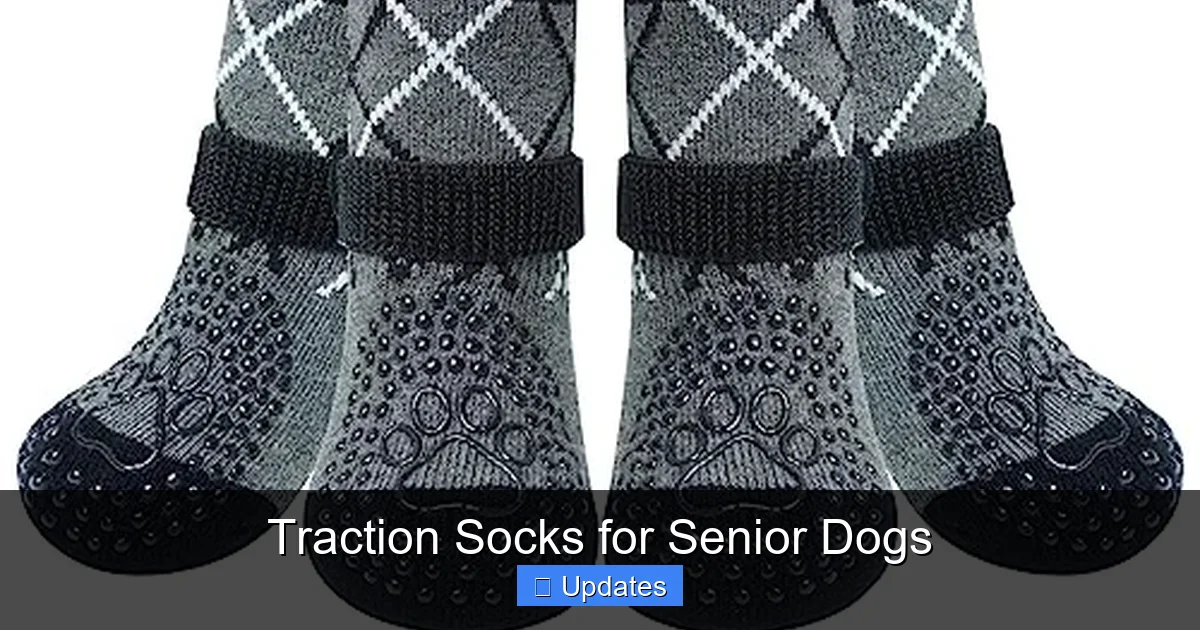
- Non-slip rubber treads: Deep, well-distributed dots ensure grip on various surfaces—from tile to concrete to grass.
- Breathable fabric: Mesh panels or moisture-wicking materials prevent overheating and keep paws dry.
- Secure closure system: Velcro, snaps, or elastic bands that stay fastened without constant readjustment.
- Machine-washable: Easy cleaning means hygiene isn’t compromised over time.
- Orthopedic-friendly padding: Extra cushioning in high-impact zones supports sensitive joints.
Avoid thin, flimsy socks that tear easily or lack grip altogether. Cheaper options might save money upfront but fail quickly—leaving your dog vulnerable again. Spend a little more for quality; your senior dog deserves reliable, long-lasting support.
Real-Life Examples: How Owners See Results
Many pet parents share heartfelt stories about how traction socks transformed their dogs’ lives. Take Bella, an 11-year-old Golden Retriever who developed mild arthritis in her hind legs. Her owner, Sarah, noticed she stopped playing fetch and avoided the backyard patio. After trying a set of traction socks, Bella began wagging her tail again—literally running (cautiously!) across the patio without slipping.
Then there’s Max, a 14-pound Chihuahua who lived entirely indoors on hardwood floors. His tiny paws couldn’t find enough traction, so he often skidded backward when startled. Once fitted with small-sized traction socks, Max gained confidence navigating the living room, greeting guests without fear, and even napping peacefully on his favorite rug.
These examples show that benefits extend beyond physical stability—they restore joy and independence.
Maintaining Your Dog’s Paw Health Alongside Traction Socks
While traction socks help with external stability, they work best as part of a broader care plan. Regular nail trimming keeps paws balanced and reduces strain on joints. Overgrown nails shift weight unevenly, increasing slip risk and discomfort.
Consider adding soft, supportive bedding to your dog’s favorite resting spots. Orthopedic beds distribute body weight evenly, easing pressure on hips and shoulders—complementing the ground-level support provided by socks.
Diet also plays a role. Senior dogs need balanced nutrition to maintain muscle tone and joint flexibility. If your dog has specific health concerns like kidney disease or dental issues, consult your vet about appropriate food choices. For instance, Best Dog Food For Senior Dogs With Sensitive Stomachs offers gentle formulas that support digestion without irritating aging systems.
Gentle exercise matters too. Short, frequent walks help keep muscles strong without overwhelming joints. Always monitor your dog’s energy levels and adjust activity accordingly.
And remember: hydration is key. Dehydrated joints are stiffer, and dry paws are more prone to cracking—both of which can make wearing socks uncomfortable. Fresh water should always be available.
Seasonal Tips for Using Traction Socks
Different seasons bring unique challenges:
- Winter: Snow and ice demand maximum grip. Use socks with deep treads and consider booties for extreme cold.
- Spring: Wet leaves and muddy trails require durable, quick-drying materials.
- Summer: Hot pavement can burn paws—opt for breathable fabrics and limit outdoor time during peak heat.
- Indoors: Even dry floors become slippery when polished or recently mopped. Keep socks handy year-round.
Rotating between indoor and outdoor pairs helps maintain hygiene and extends sock life.
Common Myths About Traction Socks Debunked
Some dog owners worry traction socks will confuse their pets or cause dependency. Let’s clear the air:
Myth 1: “My dog will refuse to walk without them.”
Reality: Most dogs adapt quickly. They learn the socks provide security, not restriction. With positive reinforcement (treats, praise), they’ll associate them with confidence.
Myth 2: “They’ll fall off constantly.”
Reality: Quality designs include secure closures and snug fits. If a sock keeps slipping, check sizing or try a different brand.
Myth 3: “Only dogs with severe arthritis need them.”
Reality: Prevention is wise. Even mildly stiff dogs benefit from extra grip, especially on smooth surfaces.
Don’t let myths stop you from giving your senior dog the support they deserve.
Conclusion: Small Step, Big Difference
Traction socks for senior dogs may seem like a simple accessory, but their impact runs deep. From preventing painful slips to restoring self-assurance, they empower older pets to live fuller, safer lives. Paired with good nutrition, comfortable bedding, and gentle care, these socks become part of a comprehensive wellness strategy.
Whether your dog is navigating a rainy morning walk or simply enjoying a quiet moment on the sofa, traction socks offer peace of mind—for both pet and owner. And because they’re easy to use, stylish, and highly effective, there’s really no downside to giving them a try.
Remember: aging doesn’t mean slowing down. With the right tools—like traction socks—your senior dog can continue exploring the world on their own terms. After all, every confident step counts.
—
Frequently Asked Questions
Are traction socks safe for dogs with arthritis?
Yes, traction socks are generally safe and beneficial for dogs with arthritis. They reduce slipping, minimizing strain on painful joints during movement. Just ensure proper fit and choose padded models for extra comfort.
How do I measure my dog’s paw for traction socks?
Measure the length and width of your dog’s paw while they’re standing naturally. Place a ruler across the widest part of the footpad and note the measurement. Compare it to the brand’s sizing chart for the best fit.
Can I leave traction socks on all day?
Yes, most traction socks are designed for all-day wear. However, monitor your dog for signs of irritation or overheating. Remove them during rest periods if needed, especially in warm weather.
Do traction socks work on carpet?
Most traction socks offer minimal benefit on thick carpet, as carpets already provide grip. Focus on using them primarily on hard surfaces like tile, hardwood, or linoleum where slipping is more likely.
Will my dog get used to wearing traction socks?
Absolutely. With patience and positive reinforcement (treats, praise), most dogs accept traction socks within a few days. Introduce them gradually, letting your dog sniff and inspect before putting them on.
How often should I clean traction socks?
Wash them after every few uses or whenever visibly dirty. Follow the manufacturer’s instructions—most are machine-washable on a gentle cycle with mild detergent. Air dry to preserve rubber treads.