
Shasta Senior Nutrition Programs Food Bank Food Distribution Center


GPS Tracker for Elderly

Pulse Oximeter Finger Monitor

Adjustable Walker with Wheels
The Shasta Senior Nutrition Programs Food Bank Food Distribution Center is a vital resource for older adults in Northern California, offering free, healthy meals, emergency food supplies, and supportive services to combat hunger and isolation. Through partnerships with local agencies and volunteers, this center ensures that seniors receive consistent access to nutritional food while also connecting them to wellness programs and social opportunities. Whether you’re a senior in need or a community supporter, understanding how this program works can make a meaningful difference in someone’s life.
When we think about supporting our aging population, one of the most immediate and impactful needs is access to nutritious food. For many seniors in rural and urban communities alike, especially in areas like Northern California’s Shasta County, the cost of groceries, limited transportation, chronic health conditions, and isolation can create serious barriers to getting enough healthy meals each day.
That’s where the Shasta Senior Nutrition Programs Food Bank Food Distribution Center steps in—not just as a place that hands out food, but as a lifeline for thousands of older adults who might otherwise face hunger and uncertainty. This dedicated facility operates under a mission rooted in dignity, compassion, and community resilience. It’s more than a pantry; it’s a hub where nutrition, care, and connection come together.
Whether you’re a senior looking for help, a caregiver searching for resources, or a local wanting to get involved, understanding how this system works can open doors to real change. Let’s walk through what makes the Shasta Senior Nutrition Programs so special—and why they matter now more than ever.
Key Takeaways
- Comprehensive Food Support: The center provides both meal programs and emergency food boxes, ensuring seniors never go hungry during tough times.
- Community Collaboration: It partners with local nonprofits, churches, and government agencies to maximize reach and impact across Shasta County.
- Senior-Specific Nutrition: Meals are designed with older adults’ dietary needs in mind—low sodium, high protein, and nutrient-dense options.
- Accessibility & Outreach: Mobile delivery and homebound services help those with mobility issues or transportation challenges.
- Holistic Support: Beyond food, the center connects seniors to health screenings, nutrition education, and social activities.
- Volunteer-Driven Model: A strong network of volunteers helps sort donations, pack meals, and deliver support daily.
- Funding & Donations Matter: Financial contributions and food drives directly fund operations and expand services to more families.
📑 Table of Contents
- What Is the Shasta Senior Nutrition Programs Food Bank?
- Why Nutrition Matters More for Seniors
- Partnerships That Make a Difference
- Challenges Facing Senior Nutrition Programs
- The Bigger Picture: Combating Senior Hunger Nationally
- Looking Ahead: Innovation and Expansion
- Conclusion: Dignity Through Nourishment
What Is the Shasta Senior Nutrition Programs Food Bank?
At its core, the Shasta Senior Nutrition Programs (SSNP) Food Bank is part of a statewide network funded by the California Department of Aging and administered locally through community-based organizations. Its primary goal is to eliminate senior hunger while promoting independence, health, and well-being among adults aged 60 and older.
Unlike traditional food banks that serve the general public, SSNP focuses exclusively on older adults. This targeted approach allows staff and volunteers to tailor services to the unique nutritional and emotional needs of seniors. From diabetes-friendly meals to low-sodium options, every effort is made to ensure that food not only fills stomachs but also supports long-term health.
The center doesn’t operate alone. It collaborates closely with local senior centers, healthcare providers, housing complexes, and faith-based groups to identify those most at risk. By building relationships within the community, SSNP ensures that no one slips through the cracks—even if they don’t know where else to turn.
The Role of the Food Distribution Center
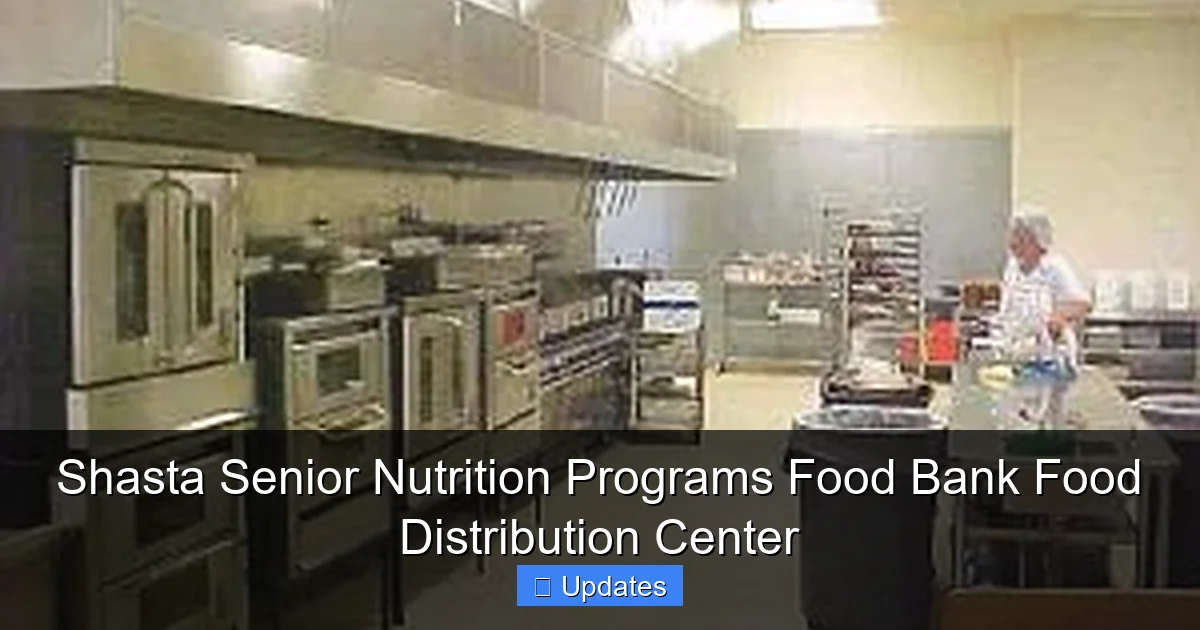
The physical location serves as the backbone of the operation. Here, volunteers sort, store, and distribute thousands of pounds of donated food monthly. But it’s not just about logistics—it’s about human connection.
Imagine walking into a warm, welcoming space filled with volunteers smiling at the door. You check in, maybe chat with someone who remembers your name, and then choose from a variety of fresh produce, shelf-stable goods, and even prepared meals. There’s dignity in choice. There’s comfort in routine.
For many seniors, visiting the distribution center isn’t just about getting groceries—it’s an opportunity to see familiar faces, share stories, and feel part of something bigger. In a world that can sometimes feel isolating, especially for older adults living alone, these moments matter deeply.
How Does It Work? A Step-by-Step Guide
Wondering how to access services? The process is simple and respectful:
- Eligibility: Anyone 60 or older living in Shasta County qualifies. Proof of age (like a driver’s license or birth certificate) may be requested, but no income verification is required.
- Registration: New clients sign up once and receive a reusable shopping bag and access card. They can return weekly or biweekly depending on their needs.
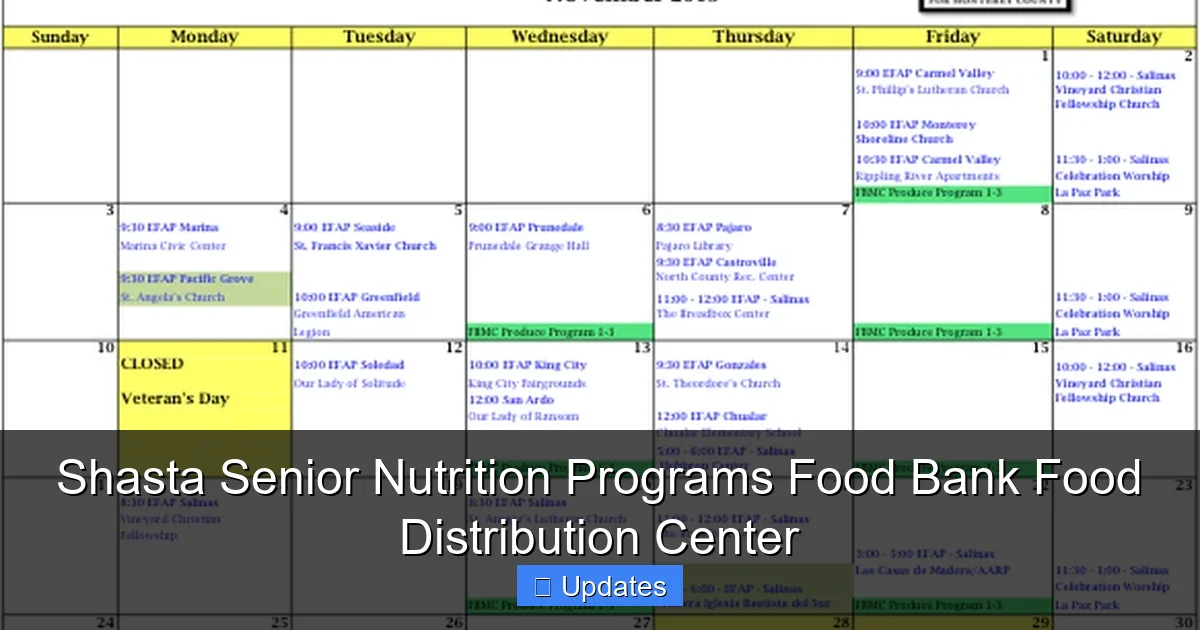
- Distribution Days: Most centers operate two to three days per week, typically mornings. Clients arrive early, form lines politely, and select items based on their preferences.
- Special Services: Home-delivery programs exist for seniors with disabilities, chronic illness, or transportation limitations. These deliveries often include not only food but also health reminders and friendly conversation.
It’s important to note that while the service is free, donations are always welcome—both food and funds help keep the lights on and shelves stocked.
Why Nutrition Matters More for Seniors
Visual guide about Shasta Senior Nutrition Programs Food Bank Food Distribution Center
Image source: s3-media0.fl.yelpcdn.com
As we age, our bodies change. Metabolism slows, muscle mass decreases, and certain medical conditions become more common—all of which affect how we absorb and use nutrients. That’s why simply giving someone a bag of canned goods isn’t always enough.
The Shasta Senior Nutrition Programs understand this. Their meal plans are developed with input from registered dietitians and reflect best practices for senior health. For example:
- High-protein foods: Help maintain muscle strength and aid recovery from illness.
- Low-sodium options: Reduce strain on kidneys and lower blood pressure risks.
- Fiber-rich grains and vegetables: Support digestive health and prevent constipation.
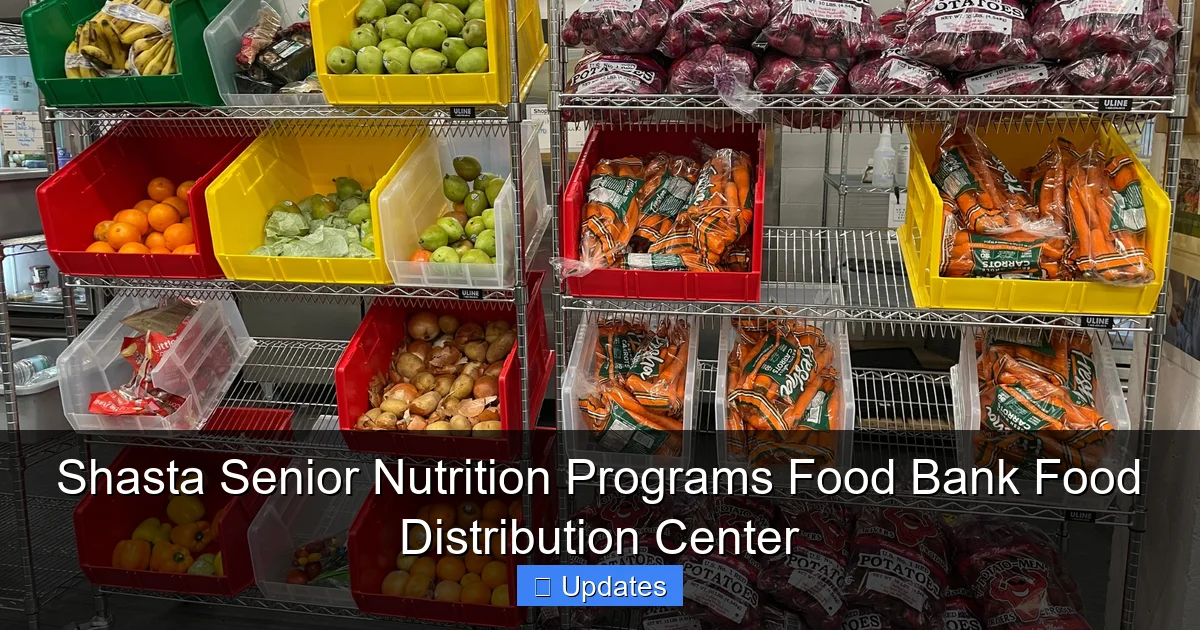
- Hydrating fruits and soups: Combat dehydration, a common issue among older adults.
In addition to regular distributions, many centers offer hot meals served on-site—think hearty stews, roasted chicken, seasonal salads, and homemade bread. These aren’t just sustenance; they’re shared experiences that reduce loneliness and encourage social interaction.
Consider Maria, a 78-year-old widow who lives 45 minutes away from town. Without reliable bus service, she struggled to visit grocery stores. After learning about the local food bank, she started receiving weekly deliveries. Not only did her diet improve, but she also began joining Tuesday morning calls with other seniors—a small group that became her lifeline during winter months.
Stories like Maria’s aren’t rare. They’re proof that good nutrition and community care go hand-in-hand.
Partnerships That Make a Difference
Visual guide about Shasta Senior Nutrition Programs Food Bank Food Distribution Center
Image source: i2.wp.com
One of the reasons the Shasta Senior Nutrition Programs thrive is its ability to bring people together. No single organization can solve hunger alone—but when nonprofits, faith groups, schools, and local businesses unite, magic happens.
For instance, St. Mary’s Church hosts monthly food drives, collecting nonperishable items and even organizing volunteer shifts. Meanwhile, the Shasta Regional Medical Center refers patients with malnutrition risks to the program. And Rotary Club members donate time to repackaging bulk purchases into family-sized portions.
These collaborations extend beyond food too. The center frequently partners with Meals on Wheels to deliver hot lunches, or links seniors to Medi-Cal benefits counselors right inside the building. By embedding health resources within the food service model, SSNP addresses root causes rather than just symptoms.
This ecosystem approach mirrors successful models seen elsewhere—such as the Federal Way Senior Center Food Pantry Food Distribution Center, which integrates nutrition counseling with mobility assistance for similar outcomes.
Volunteer Opportunities Abound
You don’t have to be a professional chef or logistics expert to help. Volunteers come from all walks of life—retirees, students, corporate teams—and contribute in ways that fit their schedules and skills.
Typical roles include:
- Serving meals at congregate sites
- Packing food boxes
- Driving delivery routes
- Managing inventory databases
- Hosting educational workshops (e.g., “Cooking on a Budget”)
Many volunteers report feeling more fulfilled after joining than before. One retiree said, “I used to sit at home watching TV. Now I’m here every Thursday, meeting new friends and knowing I’m making a difference.”
If you’re interested, contact the center directly—they’ll match your availability with current needs.
Challenges Facing Senior Nutrition Programs
Visual guide about Shasta Senior Nutrition Programs Food Bank Food Distribution Center
Image source: sabathani.org
Despite its success, the Shasta Senior Nutrition Programs isn’t immune to challenges. Like many nonprofit food initiatives, it faces:
- Rising food costs: Inflation has made sourcing quality ingredients harder and more expensive.
- Supply chain disruptions: Recent years saw delays in receiving bulk shipments from national distributors.
- Limited volunteer retention: Many helpers leave after six months due to burnout or scheduling conflicts.
- Aging infrastructure: Some storage facilities lack refrigeration capacity, risking spoilage.
To address these issues, the center relies heavily on community fundraising events—like annual galas or online crowdfunding campaigns—and applies for grants targeting rural senior services. Transparency is key: donors can track exactly how their money is spent, whether it’s buying pallets of apples or upgrading freezer units.
Still, demand continues to grow. With the U.S. Census projecting a doubling of the 65+ population by 2050, programs like SSNP will only become more critical.
Tips for Seniors and Caregivers
If you or someone you love is eligible, here are some practical tips:
- Bring ID and proof of residence: Even if not strictly required, it helps speed up registration.
- Ask about home delivery: If driving is hard, call ahead to schedule a pickup.
- Attend nutrition workshops: Learn how to stretch groceries further without sacrificing taste or safety.
- Invite a friend: Going with a buddy reduces anxiety and builds camaraderie.
- Don’t hesitate to ask questions: Staff are trained to respond with patience and empathy.
Remember: reaching out for help isn’t a sign of weakness—it’s a step toward greater independence and peace of mind.
The Bigger Picture: Combating Senior Hunger Nationally
While Shasta County has its own unique context, its story reflects broader national trends. According to Feeding America, over 5 million seniors experience food insecurity annually—a number that rose sharply during the pandemic.
Programs like SSNP prove that localized solutions can scale effectively. Similar models exist across the country, from Florida’s Ormond Beach Senior Center to Arizona’s Paradise Valley Senior Center. Each adapts core principles—accessibility, dignity, partnership—to fit local cultures and infrastructures.
What unites them all is recognition: older adults deserve reliable access to healthy food, not because they’re helpless, but because they’ve earned it through decades of contribution to society.
How You Can Help
You don’t have to live in Shasta County to support this cause. Consider:
- Organizing a food drive at your workplace or church
- Making a tax-deductible donation via the center’s website
- Spreading awareness on social media or in neighborhood newsletters
- Advocating for policy changes that increase federal funding for senior nutrition
Every action adds up. As one longtime donor put it, “I give $20 a month. It doesn’t seem like much—until I realize it means one extra loaf of bread for Mrs. Thompson next door.”
Looking Ahead: Innovation and Expansion
The future holds promise. The Shasta Senior Nutrition Programs are exploring new technologies—like mobile apps for appointment scheduling—and expanding partnerships with telehealth providers to monitor nutritional status remotely.
There’s also talk of creating “nutrition hubs” in underserved rural towns, using converted school buses as mobile pantries that travel weekly to isolated communities. Such innovations could dramatically widen access while reducing logistical overhead.
Ultimately, the vision remains unchanged: no senior in Shasta County should wake up wondering where their next meal comes from.
Conclusion: Dignity Through Nourishment
The Shasta Senior Nutrition Programs Food Bank Food Distribution Center is far more than a place that gives out food. It’s a beacon of hope, a testament to what communities can achieve when they prioritize the well-being of their oldest members.
From the moment a senior walks through its doors—whether picking up groceries, sharing a meal, or simply chatting with a friendly volunteer—they’re reminded that they belong. That they matter. That their health and happiness are worth investing in.
And for volunteers, donors, and advocates? This center offers a powerful reminder: kindness isn’t passive. It’s active, intentional, and deeply transformative.
If you’re reading this and thinking, “I wish I could do more,” start small. Talk to your neighbors. Share this article. Reach out to learn how you can help. Because in the end, feeding seniors isn’t just about calories—it’s about preserving humanity, one meal at a time.
Frequently Asked Questions
Who qualifies for the Shasta Senior Nutrition Programs?
Adults aged 60 and older who reside in Shasta County are eligible. No income requirements apply, though proof of age and residency may be needed during registration.
Is there a fee to use the food bank services?
No, all services provided by the Shasta Senior Nutrition Programs are completely free of charge to qualifying seniors.
Can seniors receive food if they can’t leave their homes?
Yes, the program offers home-delivery services for homebound individuals, including those with mobility issues or transportation barriers.
What types of food are available?
The center provides fresh produce, canned goods, dairy products, whole grains, proteins, and occasionally prepared meals—all selected for senior nutritional needs.
How often can I visit the distribution center?
Most clients visit weekly or biweekly, depending on their household size and personal preferences. Frequency is flexible to accommodate different lifestyles.
Are volunteers needed at the center?
Absolutely! Volunteers help with sorting, packing, delivering, and serving meals. Training is provided, and shifts can usually be customized to individual schedules.
