
Senior Programs at the Ymca


Handheld Shower Head

Adjustable Walker with Wheels

Leg Massager for Circulation
The YMCA offers vibrant senior programs that support physical health, mental well-being, and meaningful social connections. From low-impact fitness classes to lifelong learning workshops, these programs are tailored to meet the unique needs of older adults in a supportive, inclusive environment.
Key Takeaways
- Comprehensive wellness offerings: The YMCA provides a wide range of senior programs focused on physical activity, nutrition, and mental stimulation.
- Social engagement opportunities: Seniors can connect through group classes, clubs, and events that reduce isolation and build community.
- Accessible and inclusive: Most programs are designed for all mobility levels, with modifications available for beginners or those with health concerns.
- Affordable membership options: Many YMCA locations offer reduced rates for seniors, making wellness accessible regardless of budget.
- Lifelong learning integrated: Educational workshops on technology, health literacy, and hobbies help seniors stay curious and informed.
- Partnerships with local organizations: The YMCA often collaborates with healthcare providers and senior centers to expand resources.
- Safe, welcoming environments: Facilities are staffed by trained professionals who prioritize safety, dignity, and respect.
📑 Table of Contents
- Welcoming Every Generation: Why Senior Programs at the YMCA Matter
- Fitness Programs Designed for Strength and Balance
- Mental Stimulation Through Lifelong Learning
- Building Community Through Social Events
- Health and Wellness Support Services
- Accessibility and Affordability for All
- How to Get Started with Senior Programs at Your Local YMCA
- Conclusion: Thriving Together at the YMCA
Welcoming Every Generation: Why Senior Programs at the YMCA Matter
Have you ever walked into a community center and seen a room full of people laughing, moving, and learning together? That’s the magic of the YMCA’s senior programs. For decades, the Y has been a cornerstone of community life—not just for kids and families, but especially for older adults. These programs aren’t just about staying active; they’re about thriving. Whether it’s a gentle yoga class, a lively game of pickleball, or a workshop on using smartphones, the Y understands that aging well means staying engaged, connected, and healthy.
The beauty of the YMCA’s approach is its emphasis on whole-person wellness. This means looking beyond exercise to include mental stimulation, emotional support, and social interaction. Loneliness and isolation are real challenges for many seniors, but the Y combats them by creating spaces where people feel valued and included. Think of it as a second family—supportive, encouraging, and always ready with a smile.
What makes these programs truly special is their adaptability. No matter your age, background, or ability level, there’s something here for you. The Y doesn’t believe in a one-size-fits-all model. Instead, it offers customizable experiences that honor each individual’s journey. And because the Y is deeply rooted in local communities, many programs reflect the unique interests and needs of the areas they serve.
Fitness Programs Designed for Strength and Balance
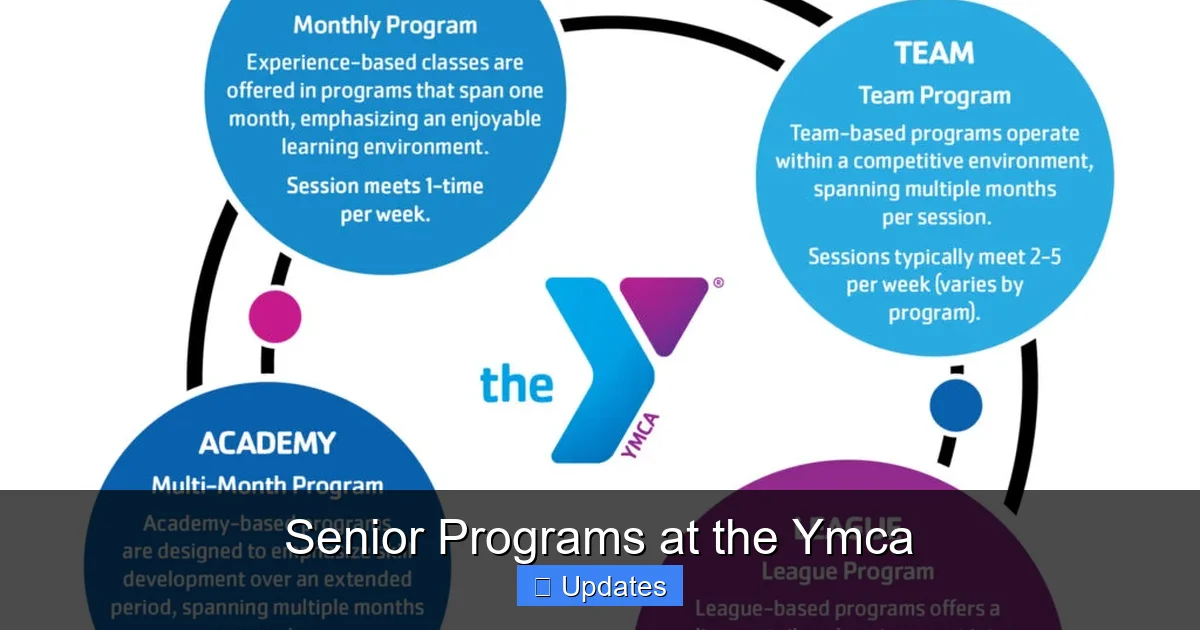
Staying physically active is one of the most powerful tools for maintaining independence and quality of life as we age. That’s why the YMCA offers a variety of fitness programs specifically tailored for seniors. These aren’t high-intensity workouts—they’re gentle, effective, and fun.
Visual guide about Senior Programs at the Ymca
Image source: reclique-core-toledo.s3.amazonaws.com
Low-Impact Aerobics and Water Exercise
Imagine exercising without straining your joints. That’s the benefit of water-based classes like aqua aerobics or water walking. Held in warm pools, these sessions reduce stress on knees and hips while improving cardiovascular health. Participants often report feeling lighter and more energized after just a few sessions.
In addition to water workouts, many YMCA branches offer chair-based aerobics. Perfect for those with limited mobility, these classes use seated movements to boost heart rate, improve circulation, and maintain muscle tone. A typical session might include arm circles, leg lifts, and rhythmic clapping—all done safely from a sturdy chair.
Strength Training for Bone Health
As we age, bone density naturally decreases, increasing the risk of osteoporosis. Resistance training can slow this process and even help rebuild bone strength. The Y’s senior strength classes use light weights, resistance bands, or body-weight exercises to target major muscle groups.
For example, a 68-year-old woman named Margaret joined her local Y’s strength class to help manage arthritis pain. With guidance from certified instructors, she learned how to perform modified squats and wall push-ups. Within three months, she noticed less stiffness in her hands and could walk farther without fatigue. “It’s not about lifting heavy,” she says. “It’s about feeling strong again.”
Tai Chi and Yoga for Flexibility and Calm
Mind-body practices like Tai Chi and gentle yoga are staples of senior fitness at the Y. These slow, flowing movements improve balance, reduce anxiety, and enhance flexibility. Research shows that regular practice can lower blood pressure and improve sleep quality.
A popular Tuesday morning class at a suburban YMCA draws a mix of beginners and longtime practitioners. Under the watchful eye of instructor Carlos Mendez, participants move through sequences that resemble graceful storytelling—each pose building on the last. “We focus on breath and presence,” Carlos explains. “It’s not about perfection. It’s about being here, now.”
Mental Stimulation Through Lifelong Learning
Keeping your mind sharp is just as important as keeping your body active. The YMCA recognizes this and offers educational programs that challenge the brain while fostering curiosity and creativity.
Visual guide about Senior Programs at the Ymca
Image source: reclique-core-duneland.s3.amazonaws.com
Technology Workshops for Digital Inclusion
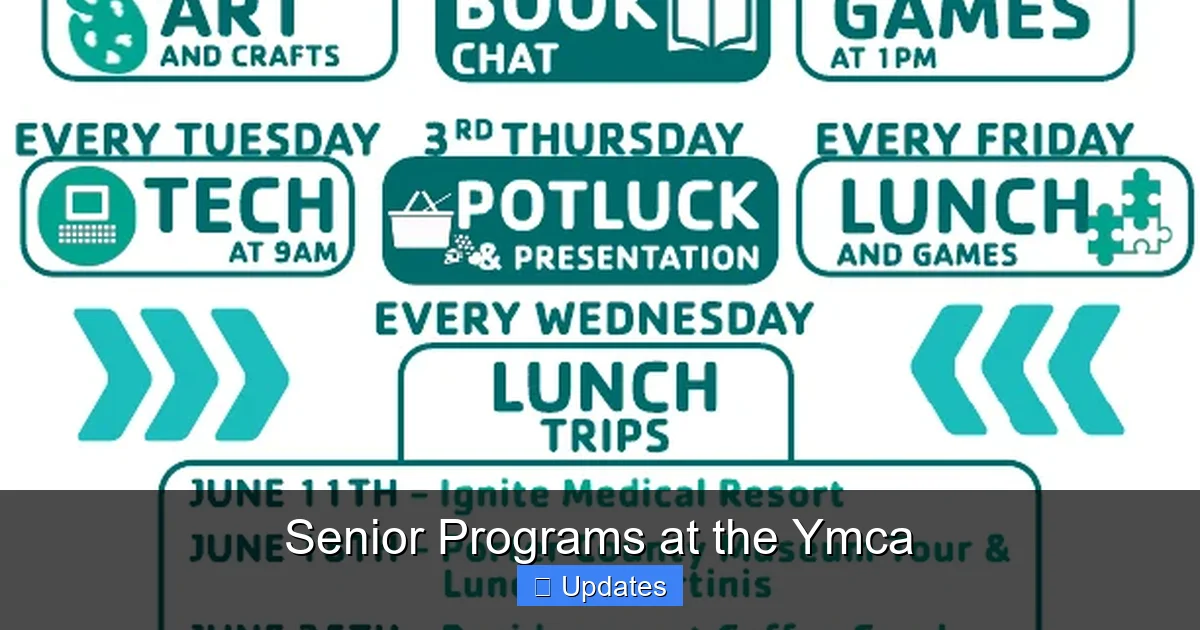
In today’s world, digital literacy is essential. Yet many seniors struggle with smartphones, email, or video calls. The Y hosts free workshops to bridge this gap. Topics range from setting up Zoom meetings to protecting against online scams.
At a recent session in Portland, Oregon, retiree Robert Liu learned how to send photos to his grandchildren via WhatsApp. “I used to feel left behind,” he admits. “Now I can share pictures of my garden and see my kids’ faces in real time. It’s brought me so much joy.”
Book Clubs and Discussion Groups
Reading and discussing books is a timeless way to spark conversation and deepen understanding. Many YMCA branches host book clubs that explore everything from classic literature to contemporary memoirs. These gatherings often include themed snacks and guest speakers.
The “Golden Years Readers” at a Chicago YMCA recently finished a novel about resilience during wartime. “It reminded me of my own grandmother’s stories,” said club member Evelyn Carter. “We laughed, we cried—and we made new friends.”
Crafts and Creative Expression
Art isn’t just for young people. Painting, knitting, woodworking—these activities stimulate creativity and provide a sense of accomplishment. Some YMCA locations even partner with local artists to lead monthly workshops.
Last winter, a group of women in Austin, Texas, created felted wool scarves during a crafting class. “I haven’t felt this proud since I made my daughter’s graduation cap,” shared 72-year-old Helen Tran. “The Y gave me a place to learn, laugh, and create.”
Building Community Through Social Events
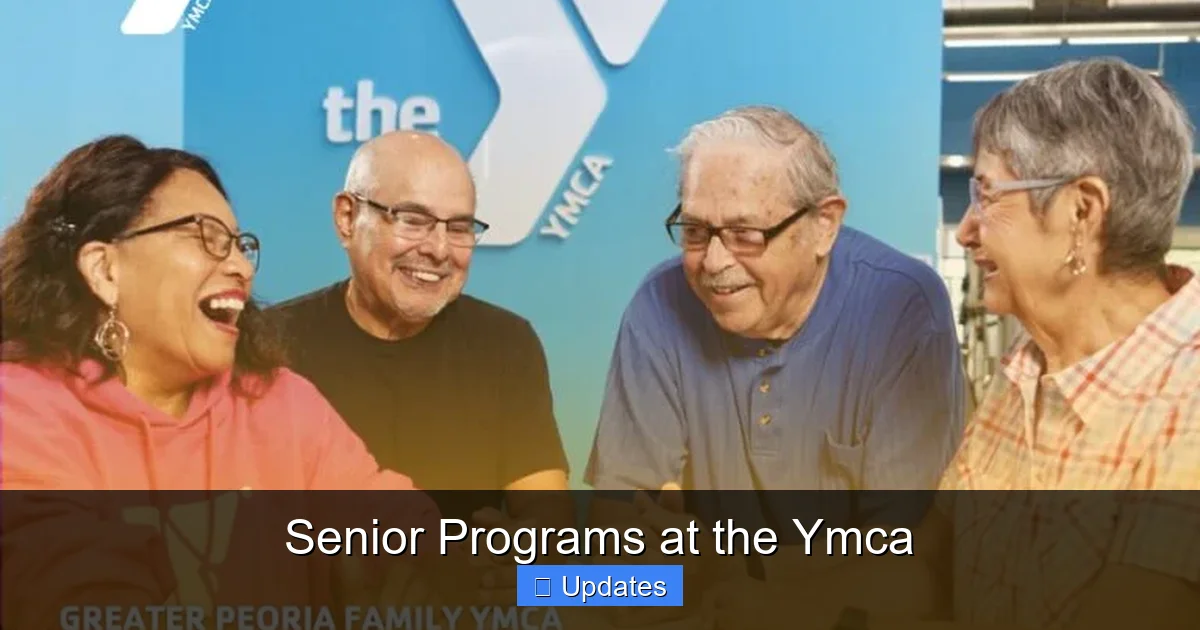
One of the biggest benefits of senior programs at the YMCA is the friendships that form. Isolation is a silent epidemic among older adults, but the Y turns loneliness into connection.
Visual guide about Senior Programs at the Ymca
Image source: peoriaymca.org
Monthly Game Nights and Potlucks
From bingo to bridge, board games bring people together across generations. Many YMCA branches host monthly game nights followed by potluck dinners. These events are relaxed, inclusive, and always welcoming.
At a recent gathering in Denver, seniors played Scrabble while sharing stories about raising children and traveling the world. “It’s like family reunions every month,” said regular attendee Frank Delgado. “You know everyone will show up with homemade tamales or apple pie.”
Outings to Local Attractions
The Y doesn’t just stay indoors. Organized outings to museums, botanical gardens, or theaters broaden horizons and create lasting memories. Transportation is often provided, making it easy for those without cars to join.
Last spring, a group from a Florida YMCA visited the Kennedy Space Center. “Seeing the rockets up close reminded me of my engineering days,” recalled 75-year-old engineer Doris Miller. “It was inspiring and fun—all thanks to the Y.”
Intergenerational Activities
Some YMCA programs actively involve younger generations. For instance, senior volunteers mentor teens in financial literacy, or youth-led tech tutors help elders navigate apps. These exchanges build empathy and mutual respect.
At a Minneapolis branch, retired teacher Barbara Reed now leads storytime for preschoolers once a week. “They ask such smart questions,” she beams. “It keeps my mind young, and I love seeing their eyes light up when I read aloud.”
Health and Wellness Support Services
Beyond fitness and fun, the YMCA provides practical resources to help seniors live healthier lives. These services often include partnerships with healthcare providers and nutrition experts.
Nutrition Education and Cooking Classes
Eating well becomes more important as we age, but it can also be more challenging due to dietary restrictions or loss of appetite. The Y offers cooking demos focusing on affordable, nutritious meals that taste great.
A recent class taught seniors how to prepare salmon with roasted vegetables using minimal prep time. “I never thought I’d enjoy cooking again,” said participant James Wu. “Now I look forward to meal planning each Sunday.”
Chronic Disease Management Programs
For those managing conditions like diabetes or hypertension, the Y offers structured programs with goal tracking, education, and peer support. These evidence-based initiatives have helped countless individuals reduce medication reliance and improve outcomes.
After joining a diabetes prevention program at his local Y, Richard Alvarez lost 15 pounds and lowered his HbA1c level significantly. “The counselors checked in weekly,” he recalls. “They cared about me—not just my numbers.”
Health Screenings and Vaccination Clinics
Many YMCA locations host seasonal flu shots or blood pressure checks during open hours. Staff nurses often collaborate with local clinics to offer these services at no extra cost.
Last fall, a pop-up clinic at a Virginia YMCA vaccinated over 100 seniors against the flu. “I didn’t have to leave town or wait in long lines,” said attendee Eleanor Hart. “It was convenient and professional.”
Accessibility and Affordability for All
Everyone deserves access to quality senior programs—regardless of income or ability. The YMCA strives to make its offerings inclusive and affordable.
Sliding Scale Fees and Scholarships
Most YMCA branches operate on a sliding scale based on income. Need-based scholarships cover full or partial membership costs for qualifying seniors. Application processes are simple and confidential.
Adaptive Equipment and Modified Classes
Not every facility is fully ADA-compliant, but many YMCA locations invest in ramps, handrails, and adaptive equipment. Instructors receive training in modifying exercises for diverse abilities.
When Maria Gonzalez moved to a walker after knee surgery, her therapist recommended aquatic therapy at the Y. “The pool had a lift chair,” she says. “I felt safe and supported every step of the way.”
Transportation Assistance
For members without reliable transport, some YMCA branches offer van services or coordinate carpools. Others partner with ride-share companies to provide discounted trips to classes.
How to Get Started with Senior Programs at Your Local YMCA
Ready to join the fun? Getting started is easier than you think.
First, visit YMCA.net and search for your city or zip code. Most branches have dedicated pages listing senior-specific offerings. You’ll find details on class schedules, instructor bios, and registration deadlines.
Next, schedule a tour or call the front desk. Staff are happy to answer questions about accessibility, pricing, or health considerations. If you’re unsure where to begin, ask about beginner-friendly options or introductory trial classes.
Finally, bring a friend! Many seniors hesitate to try something new alone. Invite a neighbor or relative—you’ll double your chances of success and make instant friends.
Conclusion: Thriving Together at the YMCA
The YMCA’s senior programs prove that aging doesn’t mean slowing down—it means evolving. Whether you want to improve your balance, learn a new skill, or simply enjoy good company, the Y offers a place where you belong.
These programs are more than just activities; they’re lifelines to health, happiness, and hope. They remind us that every stage of life deserves dignity, purpose, and joy. And in the YMCA’s warm, inclusive spaces, that’s exactly what you’ll find.
If you’re a senior—or caring for one—consider exploring what your local Y has to offer. You might just discover a passion you never knew you had… or rediscover an old one.
Frequently Asked Questions
Are senior programs at the YMCA only for active seniors?
No. The YMCA designs programs for all ability levels, including those with chronic conditions or limited mobility. Classes are often modified to be inclusive and safe.
Do I need to be a member to participate?
Many classes are open to non-members on a drop-in basis, though members typically pay less. Check with your local branch for details.
Are there age requirements?
Programs are generally for adults 55+, though some intergenerational events welcome younger participants. Exact ages vary by location.