
Senior Mobile Home Park Rules California


Folding Walking Stick with Seat

Digital Thermometer

Page Magnifier Sheet
Senior mobile home parks in California offer affordable, community-focused living for residents 55 and older—but they come with specific rules and regulations. Understanding these guidelines helps ensure a smooth, respectful, and legally compliant experience for all residents.
Key Takeaways
- Age Requirements: Most senior mobile home parks in California require at least one resident to be 55 or older, with some enforcing a stricter 62+ policy.
- Rent Control Protections: California’s Mobilehome Residency Law (MRL) and local ordinances often limit rent increases and protect tenants from unfair evictions.
- Pet Policies Vary: While many parks allow pets, rules on breed, size, and number differ—always check your park’s handbook.
- Quiet Hours and Community Standards: Senior parks emphasize peace and quiet, with common rules about noise, visitors, and vehicle storage.
- Right to Organize: Residents have the legal right to form or join a homeowners’ association to advocate for their interests.
- Maintenance Responsibilities: Clarify who handles repairs—landlords typically manage infrastructure, while residents maintain their homes and yards.
- Eviction Protections: California law provides strong safeguards against wrongful eviction, requiring proper notice and valid reasons.
📑 Table of Contents
Understanding Senior Mobile Home Parks in California
If you’re approaching retirement or already enjoying your golden years, you might be considering a move to a senior mobile home park in California. These communities offer an appealing blend of affordability, social connection, and low-maintenance living—especially for those looking to downsize without sacrificing comfort. But before you sign a lease or purchase a home, it’s crucial to understand the rules that govern these unique neighborhoods.
Senior mobile home parks are specifically designed for adults aged 55 or older (sometimes 62+), creating a peaceful environment where residents can enjoy their independence while being part of a close-knit community. Unlike traditional apartment complexes or single-family neighborhoods, mobile home parks operate under a distinct set of laws and regulations tailored to protect both residents and park owners. In California, these rules are shaped by state legislation like the Mobilehome Residency Law (MRL), local rent control ordinances, and individual park policies.
What makes these communities special isn’t just the age restriction—it’s the lifestyle. Think quiet streets, well-kept common areas, organized social events, and neighbors who look out for one another. But this tranquility comes with expectations. Every park has its own rulebook, and understanding those rules upfront can save you headaches down the road. From pet policies to guest limits, from noise restrictions to maintenance duties, knowing what’s allowed—and what’s not—helps ensure you’ll thrive in your new home.
Age Requirements and Eligibility
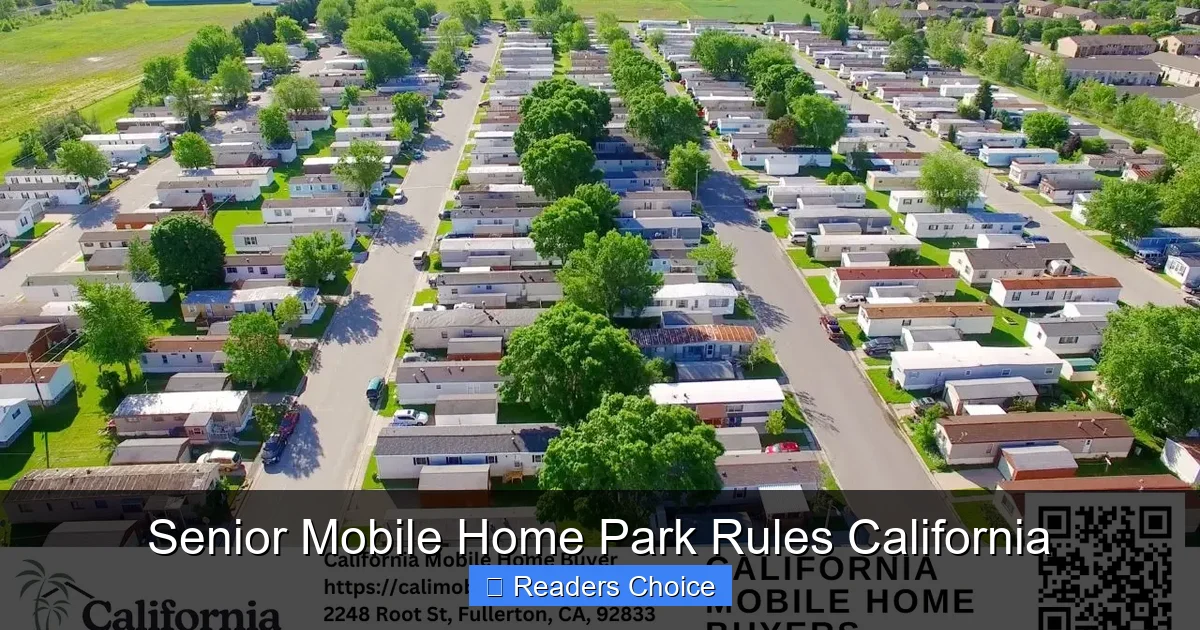
Visual guide about Senior Mobile Home Park Rules California
Image source: patch.com
One of the first things you’ll encounter when exploring senior mobile home parks in California is the age requirement. Nearly all such communities enforce a minimum age policy, typically requiring at least one resident per household to be 55 years or older. Some parks go even further, setting the bar at 62 or older—especially those affiliated with HUD or offering subsidized housing options.
But why the age restriction? The answer lies in the Housing for Older Persons Act (HOPA), a federal law that allows communities to legally limit residency to older adults if they meet certain criteria. To qualify as a “55 and older” community, at least 80% of the occupied homes must have at least one resident who is 55 or older. Parks must also publish and enforce age-related policies and provide verification of compliance to the Department of Housing and Urban Development (HUD).
So what does this mean for you? If you’re 55 and your spouse is 50, you’re likely eligible—as long as you’re the primary resident. However, if you’re planning to live with adult children or younger family members, you’ll need to check the park’s specific rules. Most senior parks do not allow permanent residency by anyone under 18, and some prohibit residents under 55 altogether, even as secondary occupants.
It’s also important to note that age verification is standard practice. When you apply to live in a senior mobile home park, you’ll typically need to provide government-issued ID (like a driver’s license or passport) to prove your age. Some parks may also require annual re-verification to maintain compliance with HOPA standards.
Exceptions and Flexibility
While the 55+ rule is strict, there are occasional exceptions. For example, a spouse or domestic partner under 55 may be allowed to live in the home if the primary resident meets the age requirement. Similarly, caregivers—such as a home health aide—may be permitted to reside on-site if their presence is medically necessary and approved by park management.
However, these exceptions are not automatic. You’ll need to submit a formal request, often accompanied by documentation (like a doctor’s note), and approval is at the park owner’s discretion. It’s always best to discuss your situation with management before making any assumptions.
Why Age Matters in Senior Parks
The age restriction isn’t just about legal compliance—it’s about lifestyle. Senior mobile home parks are designed to foster a calm, respectful environment where residents can enjoy retirement without the noise and activity of younger families. This focus on tranquility is a major draw for many retirees, especially those seeking relief from the hustle and bustle of traditional neighborhoods.
Additionally, age-restricted communities often offer amenities tailored to older adults, such as accessible walking paths, community centers with fitness classes, and organized trips to local attractions. These features enhance quality of life and promote social engagement, which is vital for mental and emotional well-being in later years.
Rent Control and Financial Protections
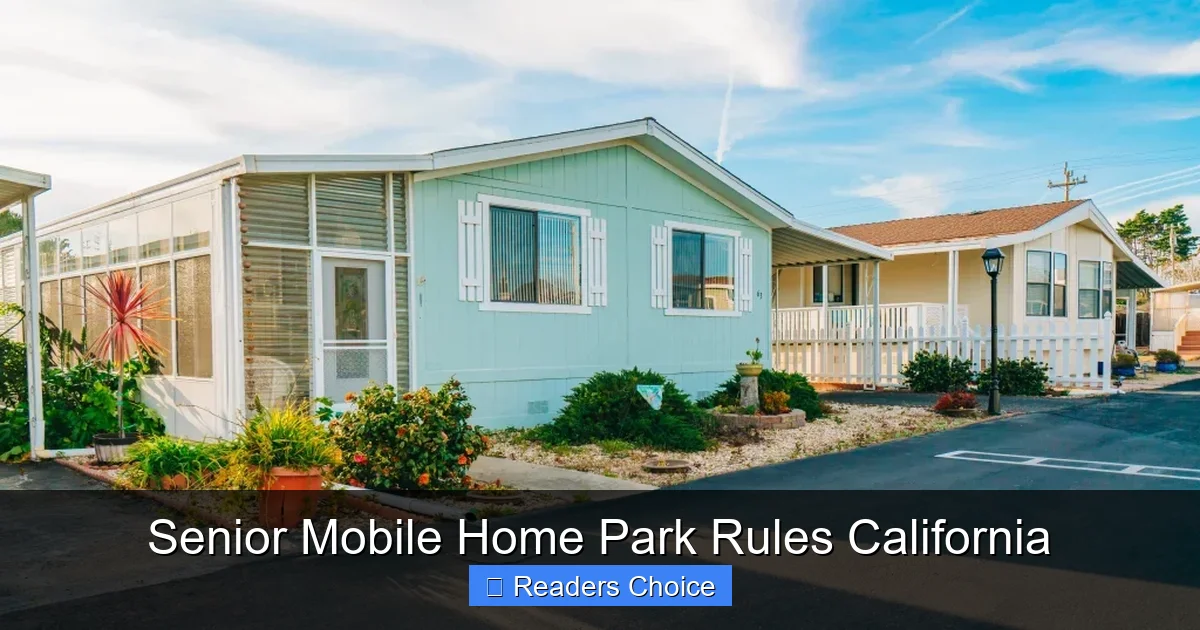
Visual guide about Senior Mobile Home Park Rules California
Image source: seniorresource.com
One of the biggest concerns for mobile home park residents is rent stability. Unlike traditional renters, mobile home owners in California often own their homes but lease the land beneath them—a setup known as a “pad lease.” This means your monthly rent goes toward land use, utilities, and park maintenance, not the structure itself.
Thankfully, California offers strong protections for mobile home residents through the Mobilehome Residency Law (MRL), enacted in 1978 and regularly updated. The MRL gives tenants significant rights, including limits on rent increases, protections against retaliation, and the right to receive proper notice before eviction.
How Rent Increases Work
Under the MRL, park owners must provide at least 90 days’ written notice before increasing rent. The increase must be “reasonable” and cannot be used as a form of retaliation or discrimination. What counts as “reasonable” varies by location—some cities and counties have adopted stricter rent control ordinances that cap annual increases (often tied to inflation or a fixed percentage).
For example, in cities like San Jose, Oakland, and Santa Monica, mobile home park rent increases are subject to local rent control boards. In these areas, park owners must apply for approval before raising rents, and tenants have the right to challenge excessive hikes. Even in areas without local rent control, the MRL still requires that increases be justified and not arbitrary.
It’s also worth noting that rent increases cannot be used to force out long-term residents. If you’ve lived in the park for years and suddenly face a steep rent hike, you may have grounds to dispute it—especially if the increase coincides with complaints about park conditions or attempts to organize a tenants’ group.
Security Deposits and Fees
When moving into a senior mobile home park, you’ll typically pay a security deposit, usually equal to one month’s rent. This deposit is held to cover any damages beyond normal wear and tear. Under California law, the deposit must be returned within 21 days of move-out, along with an itemized list of any deductions.
Be aware of additional fees, such as application fees, pet deposits, or charges for extra parking. While some fees are standard, others may be negotiable or even prohibited under local laws. Always ask for a written breakdown of all costs before signing a lease.
Financial Assistance and Subsidies
For low-income seniors, financial assistance may be available through programs like Section 8 or local housing authorities. Some mobile home parks participate in these programs, offering reduced rent to eligible residents. Additionally, nonprofit organizations and senior advocacy groups can help connect you with resources for utility assistance, home repairs, or legal aid.
Pet Policies and Animal Guidelines
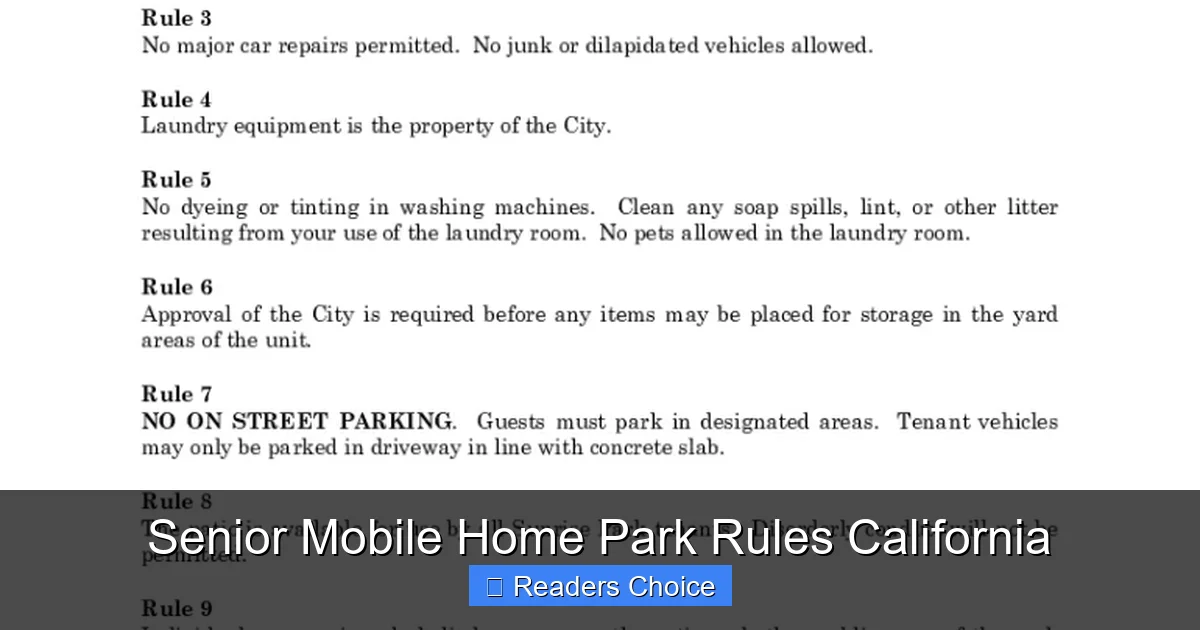
Visual guide about Senior Mobile Home Park Rules California
Image source: pdffiller.com
Pets are a beloved part of many seniors’ lives—providing companionship, reducing loneliness, and encouraging daily activity. Fortunately, most senior mobile home parks in California welcome pets, but rules vary widely from one community to another.
Common Pet Rules
Most parks allow dogs and cats, but restrictions often apply. Common rules include:
– Maximum number of pets per household (usually 1–2)
– Weight limits (often under 25–30 pounds)
– Breed restrictions (some parks ban “aggressive” breeds like Pit Bulls or Rottweilers)
– Leash requirements in common areas
– Clean-up rules (you must immediately dispose of pet waste)
Some parks also require pets to be spayed or neutered and up-to-date on vaccinations. You may need to provide proof of licensing and rabies shots upon move-in.
Service and Emotional Support Animals
It’s important to distinguish between pets and service or emotional support animals (ESAs). Under the Fair Housing Act, residents with disabilities have the right to keep service animals—even in parks with no-pet policies—as long as they provide proper documentation (such as a letter from a licensed healthcare provider).
Service animals are trained to perform specific tasks (like guiding a blind person or alerting to seizures), while ESAs provide comfort for mental health conditions. Both are legally protected, and park managers cannot charge extra fees or deny residency based on their presence.
However, you must still follow basic rules—like keeping the animal under control and cleaning up after it. If your animal becomes a nuisance (e.g., excessive barking or aggression), the park may request behavioral training or, in extreme cases, ask you to remove the animal.
Tips for Pet Owners
If you’re bringing a pet to a senior mobile home park, here are a few tips:
– Read the park’s pet policy carefully before applying.
– Introduce your pet to neighbors early to build goodwill.
– Keep your pet well-trained and socialized to avoid conflicts.
– Carry waste bags and clean up immediately—this shows respect for shared spaces.
– Consider pet insurance to cover unexpected vet bills.
Community Standards and Quiet Living
One of the main reasons seniors choose mobile home parks is the promise of peace and quiet. These communities are designed for relaxation, not rowdiness. As a result, most parks enforce strict rules about noise, visitors, and behavior.
Quiet Hours
Nearly all senior mobile home parks have designated quiet hours—typically from 10 p.m. to 7 a.m. During this time, loud music, power tools, parties, or any disruptive activity is prohibited. Some parks may extend quiet hours on weekends or holidays.
Even outside quiet hours, residents are expected to be considerate. For example, mowing the lawn at 6 a.m. or playing music at high volume in the afternoon may still be frowned upon. The goal is to maintain a respectful, neighborly atmosphere.
Visitor and Guest Policies
Most parks allow guests, but there are usually limits. Common rules include:
– Guests may stay for a maximum of 7–14 consecutive days
– Overnight guests must be registered with management
– Visitors under 18 may not stay overnight (in 55+ parks)
– Guests must follow all park rules
These policies help prevent unauthorized long-term residents and maintain the age-restricted nature of the community. If you plan to have family visit for an extended period, check with management in advance.
Vehicle and Parking Rules
Parking is another area with strict guidelines. Most parks provide one or two assigned parking spaces per home. Additional vehicles (like RVs, trailers, or boats) may not be allowed unless stored in designated areas—and even then, permits may be required.
Some parks prohibit commercial vehicles, oversized trucks, or vehicles in disrepair. If your car is broken down or leaking fluids, you may be asked to repair or remove it promptly.
Yard and Home Maintenance
While the park owner typically maintains roads, sidewalks, and common areas, residents are responsible for their own homes and yards. This includes lawn care, exterior painting, roof repairs, and general upkeep.
Most parks have aesthetic standards to preserve property values and community appeal. For example, you may be required to keep your lawn mowed, remove clutter, and avoid excessive decorations. Some parks even have rules about holiday lights or garden gnomes.
If you’re unable to perform maintenance due to age or disability, ask about available services. Many parks offer yard work assistance or can connect you with local volunteers.
Resident Rights and Legal Protections
Living in a senior mobile home park doesn’t mean giving up your rights. In fact, California law provides robust protections to ensure fair treatment and prevent exploitation.
The Mobilehome Residency Law (MRL)
The MRL is your go-to resource for understanding your rights. It covers everything from rent increases and eviction procedures to the right to organize and receive proper notice of rule changes.
Key protections include:
– 90-day notice for rent increases
– 30-day notice for lease termination (with valid reason)
– Right to receive a copy of the park’s rules and regulations
– Protection against retaliation for complaining or organizing
– Right to install certain modifications (like ramps or grab bars) for accessibility
If your park violates these rights, you can file a complaint with the California Department of Housing and Community Development (HCD) or seek legal assistance.
Right to Organize
Residents have the legal right to form or join a homeowners’ association (HOA) or tenants’ group. These organizations can advocate for better services, negotiate with park management, and educate members about their rights.
Many senior parks have active resident councils that meet regularly to discuss issues like maintenance, safety, and community events. Getting involved is a great way to have a voice in how your community is run.
Eviction Protections
Eviction from a mobile home park is not easy—and for good reason. California law requires park owners to have a valid, documented reason for eviction, such as nonpayment of rent, violation of rules, or illegal activity.
Even then, the process is lengthy. The owner must provide written notice, allow time for correction (if applicable), and file for eviction through the courts. You have the right to contest the eviction and present your case before a judge.
This legal safeguard is especially important for seniors, who may be vulnerable to unfair treatment or pressure to leave.
Choosing the Right Senior Mobile Home Park
With so many options across California, finding the right senior mobile home park takes research. Here are some tips to help you make an informed decision:
– Visit multiple parks in person—don’t rely solely on photos or websites.
– Talk to current residents about their experiences.
– Review the park’s rules, fees, and lease agreement carefully.
– Check for nearby amenities like grocery stores, medical facilities, and public transit.
– Ask about future development plans that could affect noise or traffic.
– Confirm the park’s compliance with state and local laws.
Remember, this is your home—and your retirement. Take the time to find a community that fits your lifestyle, budget, and values.
Conclusion
Senior mobile home parks in California offer a unique blend of affordability, community, and peace of mind for retirees. But enjoying this lifestyle means understanding and respecting the rules that keep these neighborhoods running smoothly. From age requirements and rent control to pet policies and resident rights, knowing the guidelines helps you avoid conflicts and make the most of your golden years.
Whether you’re downsizing, relocating, or simply seeking a quieter way of life, a senior mobile home park could be the perfect fit. Just remember: do your homework, ask questions, and don’t hesitate to advocate for your rights. With the right knowledge and preparation, you can enjoy a safe, respectful, and fulfilling retirement in a community that truly feels like home.
Frequently Asked Questions
Can I live in a senior mobile home park if I’m under 55?
Generally, no—most senior parks require at least one resident to be 55 or older. However, a spouse or partner under 55 may be allowed if the primary resident meets the age requirement.
Are rent increases in senior mobile home parks regulated in California?
Yes. The Mobilehome Residency Law requires 90 days’ notice for rent increases, and many cities have additional rent control ordinances that limit how much and how often rent can go up.
Can I be evicted from a senior mobile home park without cause?
No. California law requires a valid reason for eviction, such as nonpayment of rent or rule violations, and the process must follow strict legal procedures, including court involvement.
Are pets allowed in all senior mobile home parks?
Most parks allow pets, but rules vary. Always check the park’s pet policy for restrictions on breed, size, number, and behavior.
Do I have the right to form a homeowners’ association in my park?
Yes. California law protects your right to organize and form a residents’ group to advocate for your interests and improve community conditions.
What should I do if my park violates my rights?
First, document the issue and communicate with management. If unresolved, you can file a complaint with the California Department of Housing and Community Development or consult a tenant rights attorney.