
Senior Home Care in Limerick


Portable Wheelchair

Gardening Kneeler Bench

Book Holder Stand
Senior home care in Limerick provides elderly residents with personalized, in-home support to maintain independence, health, and quality of life. From daily living assistance to specialized dementia care, local providers offer flexible, compassionate services tailored to individual needs—right in the comfort of home.
When it comes to aging, most of us want the same thing: to stay in our own homes, surrounded by familiar faces and cherished memories. For seniors in Limerick, that dream is not only possible—it’s increasingly supported by a growing network of compassionate, professional home care services. Whether it’s helping with daily tasks, managing medications, or simply offering a friendly chat over a cup of tea, senior home care in Limerick is transforming how older adults live their later years.
Imagine your parent or grandparent still enjoying their morning walk along the River Shannon, tending to their garden in Castleconnell, or hosting Sunday dinners with family—without the worry of falling behind on chores or feeling isolated. That’s the reality for many Limerick seniors who choose home care. It’s not just about assistance; it’s about empowerment. With the right support, aging in place becomes not just feasible, but fulfilling.
But what exactly does senior home care in Limerick entail? How do you choose the right provider? And what should families expect in terms of cost, quality, and flexibility? This guide will walk you through everything you need to know—from the types of services available to tips for finding a trusted caregiver—so you can make informed decisions with confidence.
Key Takeaways
- Personalized Care Plans: Services are customized to each senior’s health, mobility, and lifestyle needs, ensuring comfort and dignity.
- Trained and Vetted Caregivers: Limerick-based agencies employ qualified, Garda-vetted professionals with experience in elderly care.
- Wide Range of Services: Includes personal care, medication management, meal prep, housekeeping, and companionship.
- Support for Families: Relieves caregiver stress and provides peace of mind with regular updates and 24/7 support lines.
- Flexible Scheduling: Options range from a few hours a week to 24/7 live-in care, adapting to changing needs.
- Local Expertise: Limerick providers understand regional healthcare systems, community resources, and cultural nuances.
- Cost-Effective Alternative: Home care is often more affordable than nursing homes while offering greater personalization.
📑 Table of Contents
- What Is Senior Home Care in Limerick?
- Why Choose Home Care Over Nursing Homes?
- How to Choose the Right Home Care Provider in Limerick
- Understanding Costs and Funding Options
- Specialized Care for Dementia and Chronic Conditions
- The Role of Technology in Modern Home Care
- Tips for Families: Making the Most of Home Care
- Conclusion
What Is Senior Home Care in Limerick?
Senior home care in Limerick refers to professional support services delivered to elderly individuals in their own homes. Unlike residential care facilities, home care allows seniors to remain in a familiar environment while receiving personalized assistance tailored to their unique needs. These services are typically provided by trained caregivers, nurses, or support workers employed by local agencies or independent contractors.
The goal is simple: to help older adults maintain their independence, health, and quality of life for as long as possible. Whether someone needs help getting dressed in the morning, managing chronic conditions like diabetes or arthritis, or simply wants someone to talk to, home care can fill the gap.
In Limerick, home care services are especially valuable due to the city’s strong sense of community and family-oriented culture. Many seniors have lived in the same neighborhoods for decades, and leaving home can feel like losing a part of their identity. Home care respects that connection, enabling them to age in place with dignity.
Types of Home Care Services Available
Home care in Limerick isn’t one-size-fits-all. Services can be broadly categorized into personal care, medical care, and companionship support.
Personal care includes assistance with activities of daily living (ADLs) such as bathing, dressing, grooming, toileting, and mobility. For example, a caregiver might help a senior with arthritis get dressed each morning or accompany them on a short walk to prevent stiffness.
Medical care, often referred to as clinical or nursing care, involves tasks like administering medications, monitoring blood pressure, managing wound care, or coordinating with healthcare providers. This level of care is typically provided by qualified nurses and may be covered under certain health insurance plans or the HSE’s Home Care Package scheme.
Companionship care focuses on emotional and social well-being. Loneliness is a significant issue among older adults, and regular visits from a caregiver can make a world of difference. This might include playing cards, watching RTÉ together, going to Mass at St. Mary’s Cathedral, or simply sharing stories over a cup of Barry’s Tea.
Who Can Benefit from Home Care?
Home care isn’t just for those with serious health issues. It’s beneficial for a wide range of seniors, including:
– Those recovering from surgery or illness (e.g., after a fall or hospital stay)
– Individuals managing chronic conditions like COPD, heart disease, or Parkinson’s
– Seniors experiencing mild cognitive decline or early-stage dementia
– Older adults who are socially isolated or at risk of depression
– Families needing respite from caregiving duties
For instance, consider Mary, a 78-year-old widow from Thomondgate who lives alone. After her hip replacement, she struggled with cooking and cleaning. A home care worker now visits three times a week to help with meals and light housekeeping, allowing Mary to focus on her recovery and enjoy her independence.
Why Choose Home Care Over Nursing Homes?

Visual guide about Senior Home Care in Limerick
Image source: curranalu.ie
The decision between home care and a nursing home is deeply personal, but for many Limerick families, home care offers compelling advantages.
One of the biggest benefits is emotional well-being. Staying at home reduces stress and anxiety associated with moving to an unfamiliar environment. Seniors can keep their pets, continue routines, and remain close to neighbors and local services. This sense of continuity is especially important for those with dementia, who often thrive in familiar settings.
Another advantage is cost. While nursing homes in Limerick can cost upwards of €4,000 per month, home care is often significantly more affordable. Depending on the level of support needed, families might pay between €15 and €25 per hour for a caregiver. Even 24/7 live-in care can be less expensive than full-time residential care, especially when shared between siblings or covered partially by government support.
Flexibility is another key benefit. Home care services can be adjusted as needs change. If a senior starts needing more help in the evenings, the schedule can be modified without uprooting their entire life. This adaptability is crucial in managing progressive conditions like Alzheimer’s.
Real-Life Example: The O’Brien Family
The O’Brien family in Adare faced a tough decision when their father, Patrick, began showing signs of dementia. He was resistant to the idea of moving into a care home, fearing he’d lose touch with his garden and his daily routine at the local GAA club. After consulting with a Limerick-based home care agency, they arranged for a caregiver to visit twice a day—once in the morning to help with breakfast and medication, and again in the evening to ensure he was safe and settled.
Within weeks, Patrick’s mood improved. He still tended to his roses, attended club meetings (with a caregiver nearby), and enjoyed weekly visits from his grandchildren. The family felt relieved knowing he was safe, and Patrick felt respected and in control.
How to Choose the Right Home Care Provider in Limerick

Visual guide about Senior Home Care in Limerick
Image source: curranalu.ie
With so many options available, selecting the right home care provider can feel overwhelming. But with a few key steps, you can find a service that’s reliable, compassionate, and well-suited to your loved one’s needs.
1. Assess Your Loved One’s Needs
Start by evaluating what kind of support is required. Make a list of daily tasks they struggle with—such as bathing, cooking, or remembering to take pills. Consider their medical conditions, mobility, and social needs. This assessment will help you determine whether you need personal care, nursing support, or companionship.
For example, if your mother has diabetes and lives alone, she may need help with blood sugar monitoring and meal planning. If your father is mostly independent but feels lonely, a few hours of social visits per week might be sufficient.
2. Research Local Agencies
Limerick has several reputable home care providers, including national chains with local offices and independent agencies. Look for companies that are registered with the Health Information and Quality Authority (HIQA) or affiliated with industry bodies like the Irish Association of Care Workers (IACW).
Check online reviews on platforms like Google, Facebook, or CareChoice.ie. Ask for recommendations from friends, neighbors, or your GP. Many Limerick residents rely on word-of-mouth when choosing care services.
3. Interview Potential Providers
Once you’ve narrowed down your options, schedule consultations—either in person or over the phone. Ask questions like:
– Are your caregivers trained and Garda-vetted?
– What is your staff-to-client ratio?
– Do you offer 24/7 emergency support?
– Can you provide references from current clients?
– How do you handle scheduling changes or caregiver absences?
A good provider will be transparent, responsive, and willing to customize a care plan.
4. Meet the Caregiver
Before finalizing arrangements, arrange a meeting between your loved one and the assigned caregiver. Chemistry matters—especially for companionship roles. The caregiver should be respectful, patient, and able to communicate clearly.
Some agencies offer trial periods or introductory visits to ensure a good match. This is a great way to test the waters without long-term commitment.
5. Review Contracts and Costs
Carefully read the service agreement. Understand what’s included (e.g., travel time, holiday rates) and what’s extra (e.g., overnight stays, specialized equipment). Ask about payment methods and whether they accept HSE Home Care Packages or private insurance.
Transparency about pricing builds trust. Avoid providers who pressure you into signing contracts without clear explanations.
Understanding Costs and Funding Options
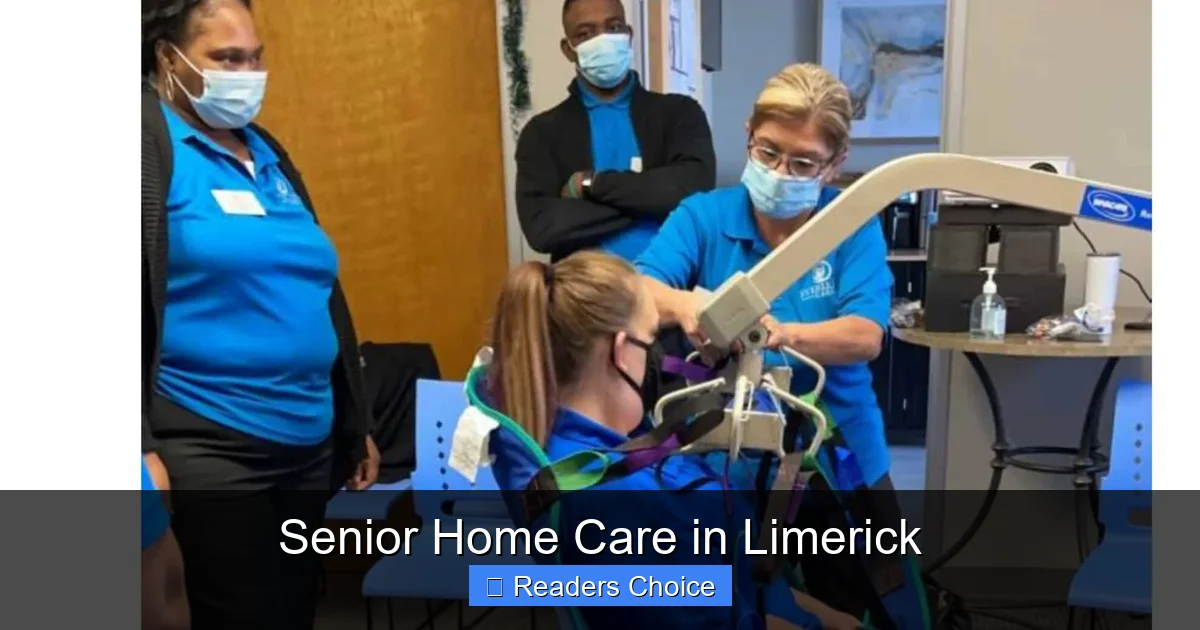
Visual guide about Senior Home Care in Limerick
Image source: everlightcare.com
One of the most common concerns about senior home care in Limerick is cost. While it’s true that professional care comes with a price tag, there are several ways to make it more affordable.
Hourly Rates and Packages
Most agencies charge by the hour, with rates typically ranging from €15 to €25. Some offer discounted packages for regular visits—for example, 10 hours per week at a reduced rate. Live-in care, where a caregiver stays in the home full-time, may cost between €1,200 and €2,000 per week, depending on the level of support.
It’s important to note that prices can vary based on location within Limerick. Urban areas like the city center may have slightly higher rates than rural villages like Patrickswell or Bruff.
Government Support: The HSE Home Care Package
The Health Service Executive (HSE) offers financial assistance through the Home Care Package scheme. This program provides funding to help cover the cost of home care for eligible seniors. Packages are means-tested and can range from €200 to over €1,000 per month, depending on income and needs.
To apply, contact your local HSE office or visit the HSE website. A care needs assessment will be conducted to determine eligibility. If approved, you can use the funding to pay for services from approved providers.
Private Insurance and Savings
Some private health insurance plans, such as those offered by VHI, Laya, or Irish Life Health, may cover part of the cost of home nursing or physiotherapy. Check your policy details or speak with your insurer.
Many families also use personal savings, pensions, or property equity to fund care. It’s wise to consult a financial advisor to explore options like equity release or long-term care insurance.
Community and Charitable Support
Local charities and community groups in Limerick sometimes offer grants or volunteer support for seniors in need. Organizations like Age Action, ALONE, or the Limerick Senior Citizens’ Forum may provide information or assistance.
Specialized Care for Dementia and Chronic Conditions
As the population ages, more seniors in Limerick are living with dementia, Alzheimer’s, or other chronic illnesses. Home care providers are increasingly equipped to support these individuals with specialized training and compassionate approaches.
Dementia-Friendly Care
Dementia care requires patience, consistency, and understanding. Caregivers are trained to manage behaviors like confusion, agitation, or wandering. They use techniques such as reminiscence therapy, structured routines, and sensory stimulation to promote calm and engagement.
For example, a caregiver might play traditional Irish music from the 1950s to help a dementia patient feel connected to their past. They might also use visual cues, like labeled drawers or photo albums, to support memory.
Many Limerick agencies offer dementia-specific training and can coordinate with memory clinics or neurologists to ensure holistic care.
Managing Chronic Illnesses at Home
Conditions like diabetes, heart disease, and COPD require ongoing management. Home care nurses can monitor vital signs, administer insulin, or assist with oxygen therapy. They also educate seniors and families on symptom recognition and emergency response.
For instance, a senior with congestive heart failure might receive daily weight checks and fluid intake monitoring to prevent hospitalization. A caregiver can alert the family or GP if there’s a sudden change.
Palliative and End-of-Life Care
Some providers offer palliative care services, allowing seniors to receive comfort-focused support at home during serious illness. This includes pain management, emotional support, and coordination with hospice teams.
Staying at home during end-of-life care can provide immense comfort to both the patient and their family, surrounded by love and familiarity.
The Role of Technology in Modern Home Care
Technology is playing an increasingly important role in senior home care in Limerick. From safety devices to communication tools, innovations are helping seniors stay safe, connected, and independent.
Personal Alarms and Fall Detectors
Devices like pendant alarms or wearable fall detectors can alert a monitoring center or family member if a senior takes a tumble. Many Limerick providers offer these as part of their service package.
Medication Reminders and Smart Pill Dispensers
Forgetting to take medication is a common issue. Smart pill dispensers can release doses at set times and send alerts if a dose is missed. Some even connect to apps that notify caregivers.
Video Calls and Remote Monitoring
Tablets or smart speakers with video calling allow seniors to stay in touch with family and doctors. Remote monitoring systems can track movement, sleep patterns, or vital signs, giving families peace of mind.
GPS Trackers for Wandering
For seniors with dementia, GPS trackers can help locate them if they wander. These devices are discreet and can be worn as a watch or clipped to clothing.
Tips for Families: Making the Most of Home Care
If you’re considering or currently using home care services, here are some practical tips to ensure a positive experience:
– **Communicate openly** with the caregiver and agency. Share preferences, routines, and concerns.
– **Create a care journal** to track medications, appointments, and observations.
– **Involve your loved one** in decisions as much as possible to maintain their autonomy.
– **Schedule regular check-ins** with the provider to review the care plan and make adjustments.
– **Take care of yourself**—caregiver burnout is real. Use respite care when needed.
Conclusion
Senior home care in Limerick is more than a service—it’s a lifeline for older adults who wish to age with dignity, comfort, and connection. Whether it’s helping with daily tasks, managing health conditions, or simply offering a listening ear, professional caregivers make it possible for seniors to thrive in their own homes.
With a range of flexible, affordable options and strong community support, Limerick is well-equipped to meet the growing demand for quality home care. By choosing the right provider, understanding funding options, and embracing technology, families can ensure their loved ones receive the care they deserve—on their own terms.
Aging doesn’t have to mean leaving home. With the right support, it can mean staying right where the heart is.
Frequently Asked Questions
What is the average cost of senior home care in Limerick?
The average hourly rate for home care in Limerick ranges from €15 to €25, depending on the level of support needed. Live-in care typically costs between €1,200 and €2,000 per week.
Is home care covered by the HSE?
Yes, eligible seniors may receive financial support through the HSE Home Care Package, which provides funding based on income and care needs. Contact your local HSE office to apply.
How do I know if my loved one needs home care?
Signs include difficulty with daily tasks, frequent falls, memory issues, social withdrawal, or increased caregiver stress. A professional assessment can help determine the right level of support.
Are home care workers in Limerick trained and vetted?
Reputable agencies employ trained, Garda-vetted caregivers with experience in elderly care. Always ask about qualifications and background checks before hiring.
Can I choose my own caregiver?
Many agencies allow families to request specific caregivers or participate in the selection process to ensure a good match.
What happens if the caregiver is sick or unavailable?
Established agencies have backup caregivers and emergency protocols to ensure continuity of care. Always confirm their policy on absences before signing a contract.