
Senior Helpers of the Triangle


Hearing Aid Cleaning Kit

Tablet for Seniors

Sudoku Puzzle Book
Senior Helpers of the Triangle provides trusted, compassionate in-home care for seniors across North Carolina’s Research Triangle. With over 20 years of experience, their certified caregivers offer personal support, companionship, and skilled assistance tailored to each individual’s needs. From medication reminders to mobility support, they empower seniors to age safely at home with peace of mind for families.
Key Takeaways
- Comprehensive In-Home Care: Senior Helpers of the Triangle offers a full range of non-medical services including bathing, dressing, meal preparation, transportation, and light housekeeping—all designed to help seniors maintain independence.
- Certified & Trusted Professionals: All caregivers undergo rigorous screening, background checks, and ongoing training to ensure they meet high standards of professionalism and compassion.
- Personalized Care Plans: Every client receives a customized care plan developed in collaboration with family members and healthcare providers to address unique physical, emotional, and cognitive needs.
- Respite Care Support: The service helps family caregivers by providing temporary relief, allowing them to rest while knowing their loved one is in capable hands.
- 24/7 Availability & Emergency Response: Round-the-clock support ensures help is available whenever needed, including emergency response coordination and on-call assistance.
- Specialized Programs: Services include dementia care, Parkinson’s support, post-surgical recovery aid, and transitional care to ease transitions between living environments.
- Community Engagement: Beyond direct care, Senior Helpers promotes social interaction through outings, recreational activities, and connections to local senior resources.
📑 Table of Contents
- Welcoming Aging With Compassion: Meet Senior Helpers of the Triangle
- Why Choose In-Home Care Over Facility-Based Options?
- Core Services Offered by Senior Helpers of the Triangle
- Specialized Programs Tailored to Unique Needs
- How Senior Helpers Ensures Quality & Trust
- Real Stories: Impact in the Triangle Community
- Practical Tips for Families Considering Home Care
- Looking Ahead: The Future of Senior Care in the Triangle
- Conclusion: More Than Care—A Partnership
Welcoming Aging With Compassion: Meet Senior Helpers of the Triangle
The journey of aging brings both challenges and opportunities. For many families across North Carolina’s vibrant Research Triangle—spanning Raleigh, Durham, Chapel Hill, Cary, Apex, and surrounding communities—the desire to keep loved ones safe, healthy, and happy at home remains a top priority. That’s where Senior Helpers of the Triangle steps in. Since 2003, this locally rooted organization has been dedicated to transforming lives by offering dignified, person-centered care that respects every individual’s autonomy and values.
What sets Senior Helpers apart isn’t just their commitment to excellence—it’s how deeply they listen. Each caregiver becomes more than an assistant; they become a trusted companion, a familiar face during uncertain times, and a steady presence in daily routines. Whether it’s helping someone dress after a fall, preparing nutritious meals, or simply sitting down for coffee and conversation, these professionals understand that aging well begins with feeling seen and supported.
Why Choose In-Home Care Over Facility-Based Options?
Many families face difficult choices when considering care options for elderly relatives. While assisted living facilities and nursing homes offer structure and medical oversight, they often come with high costs, limited privacy, and a loss of personal space. In contrast, in-home care allows seniors to remain in the comfort of their own homes—surrounded by cherished belongings, memories, and the people who love them.
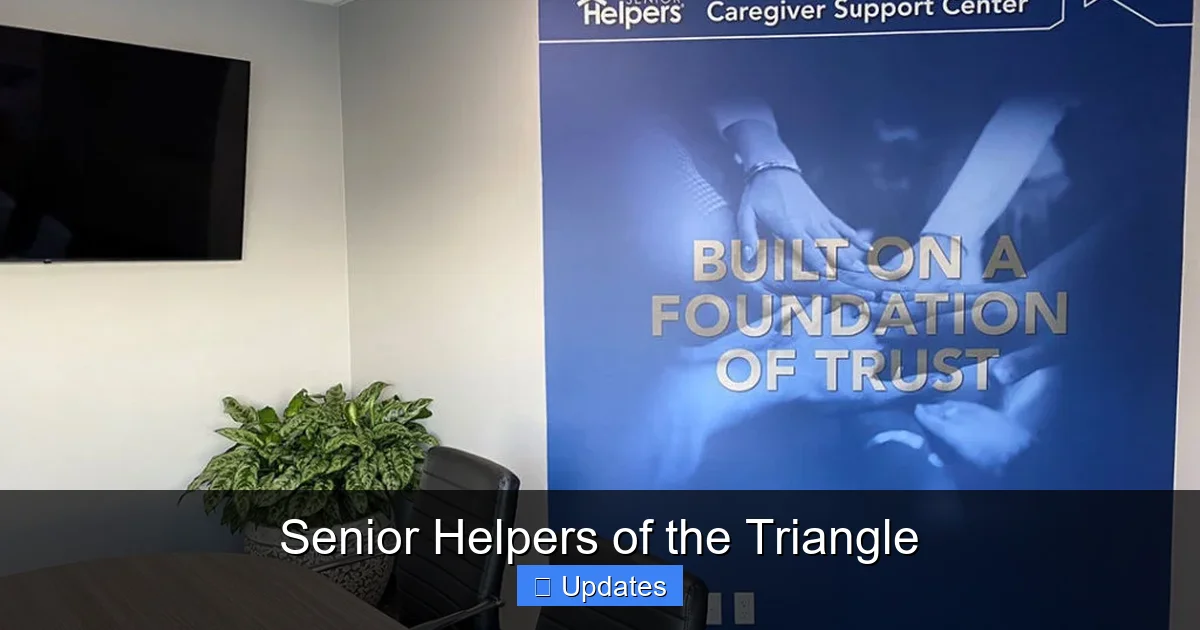
Visual guide about Senior Helpers of the Triangle
Image source: seniorstrong.org
The Emotional Benefits of Staying at Home
Research consistently shows that older adults who age in place report higher levels of happiness, reduced anxiety, and better mental health outcomes. Familiar environments reduce confusion—especially important for those managing dementia or cognitive decline. Plus, being near family and friends strengthens emotional bonds and reduces feelings of isolation.
Cost Considerations and Flexibility
In-home care can be more affordable than institutional options, especially when only occasional assistance is needed. Families appreciate the ability to scale services up or down based on changing needs—whether it’s weekday help while caregivers work or 24-hour support after a hospital discharge.
Customization Is Key
Unlike standardized facility schedules, in-home care adapts to your loved one’s rhythms. Want breakfast served at 8 AM instead of 9? Need extra help on Mondays due to doctor appointments? Senior Helpers adjusts accordingly—because no two days are exactly alike.
Core Services Offered by Senior Helpers of the Triangle
At the heart of Senior Helpers’ mission is providing holistic support that goes beyond basic tasks. Their team delivers comprehensive, non-medical assistance designed to enhance quality of life while preserving independence.
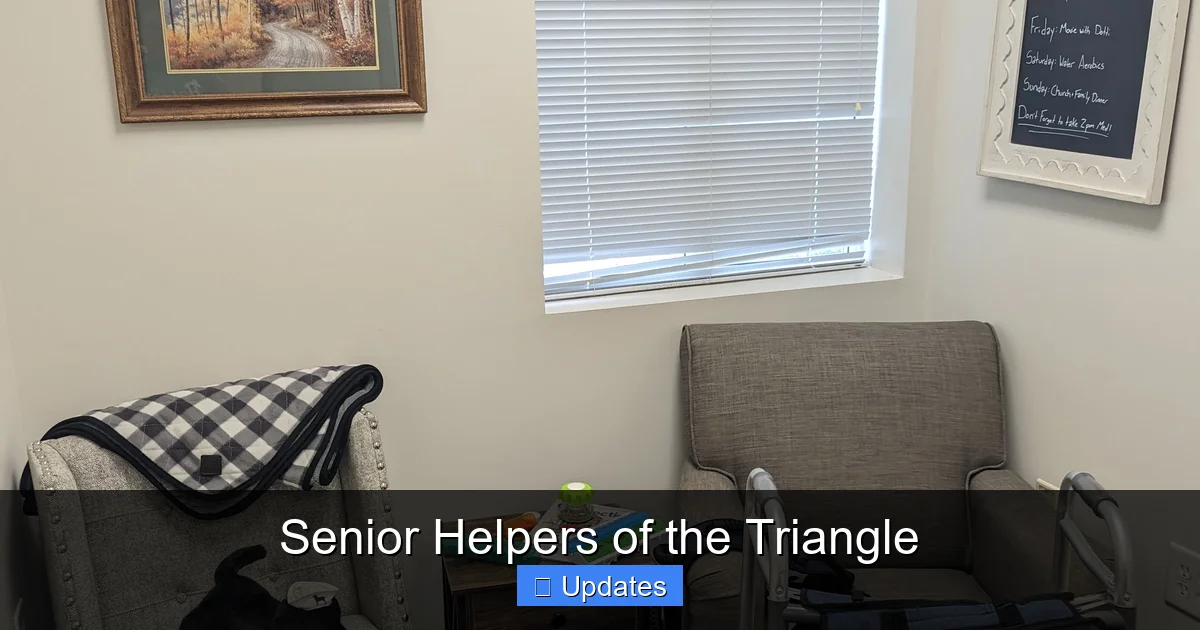
Visual guide about Senior Helpers of the Triangle
Image source: seniorhelpers.com
Personal Care Assistance
This includes help with Activities of Daily Living (ADLs) such as bathing, grooming, oral hygiene, toileting, and transferring (e.g., from bed to wheelchair). Caregivers use gentle techniques and adaptive equipment to ensure safety without compromising dignity. For example, if a senior has arthritis affecting hand mobility, a caregiver might demonstrate how to securely hold a toothbrush or open medication bottles.
Companionship & Social Engagement
Loneliness affects nearly half of all seniors over 65, according to the National Council on Aging. To combat this, Senior Helpers encourages meaningful interactions through conversation, board games, reading aloud, or even watching favorite TV shows together. Regular social contact improves mood, cognitive function, and overall well-being.
Meal Preparation & Nutrition Support
Proper nutrition is vital for maintaining strength and preventing chronic conditions like diabetes or heart disease. Caregivers prepare balanced meals using recipes tailored to dietary restrictions (low-sodium, diabetic-friendly, etc.), shop for groceries, and assist with feeding if necessary. They also remind clients to drink enough water throughout the day—a simple yet crucial habit often overlooked.
Light Housekeeping & Errands
A clean, organized home supports health and reduces stress. Tasks may include vacuuming, laundry, dishwashing, changing linens, and tidying living spaces. Errands like picking up prescriptions, banking, or running grocery trips keep daily life moving smoothly.
Medication Reminders & Organization
For seniors juggling multiple medications, missed doses can lead to serious complications. Caregivers verify pill organizers weekly, set alarms, and accompany clients to pharmacy pickups. They also document adherence patterns to share with healthcare providers during check-ups.
Transportation & Mobility Aid
Getting to medical appointments, religious services, or family gatherings should never be a barrier. Senior Helpers provides safe, reliable transportation using vehicles equipped for wheelchairs or walkers. Drivers are trained in defensive driving and patient handling techniques.
Technology Support
From setting up video calls with grandchildren to troubleshooting smartphones, caregivers bridge the digital divide. This fosters connection and enables access to telehealth services—critical during times when in-person visits aren’t feasible.
Specialized Programs Tailored to Unique Needs
Recognizing that aging experiences vary widely, Senior Helpers offers targeted programs addressing specific health challenges.
Dementia & Alzheimer’s Care
Caregivers receive specialized training in memory care strategies, including creating calm environments, using validation therapy (acknowledging emotions rather than correcting facts), and minimizing triggers like loud noises or complex instructions. Activities focus on reminiscence, sensory stimulation, and routine-building to reduce agitation.
Parkinson’s Disease Support
Motor symptoms like tremors and stiffness require patience and precision. Caregivers assist with exercises recommended by physical therapists, repositioning to prevent pressure sores, and adapting kitchen tools for easier use. They also collaborate closely with neurologists to align home care with treatment plans.
Post-Surgical Recovery Assistance
After procedures ranging from joint replacements to cataract surgery, patients need temporary support. Senior Helpers helps with wound care (if delegated by a nurse), monitoring for signs of infection, and gradually reintroducing independence through supervised movement.
Transitional Care Management
Moving from hospital to home can be overwhelming. Transitional care coordinators work with discharge planners to create step-by-step recovery plans, schedule follow-up appointments, and educate families on warning signs requiring immediate attention.
How Senior Helpers Ensures Quality & Trust
Trust is earned—not given. That’s why transparency and accountability are woven into every aspect of Senior Helpers’ operations.
Rigorous Screening Process
All potential caregivers undergo criminal background checks, reference verifications, drug testing, and skills assessments. Only candidates demonstrating empathy, reliability, and relevant experience proceed to interviews with regional directors.
Ongoing Training & Certification
Continuous education covers topics like fall prevention, nutrition basics, end-of-life communication, and cultural competency. Many staff members hold certifications from organizations like the National Institute for Aging or the Alzheimer’s Association.
Family Communication & Feedback Loops
Families receive regular updates via phone calls, emails, or secure apps. Quarterly reviews allow adjustments to care plans based on evolving needs. Satisfaction surveys help refine service delivery year after year.
Licensing & Accreditation
Senior Helpers operates under North Carolina state licensing requirements and adheres to industry standards set by the Joint Commission and the Better Business Bureau. These credentials assure families that safety protocols and ethical practices are strictly followed.
Real Stories: Impact in the Triangle Community
The true measure of any service lies in the stories behind it. Here’s how Senior Helpers has made a difference:
- Mrs. Henderson (Raleigh): After hip surgery, her daughter struggled balancing her job and caregiving duties. Senior Helpers provided three hours of daily assistance for six weeks—helping Mrs. Henderson walk short distances, bathe independently, and enjoy lunch with neighbors again. “I couldn’t have done it without them,” her daughter shared.
- Mr. Thompson (Durham): Diagnosed with early-stage Parkinson’s, he feared losing his ability to cook. His caregiver now prepares soft-food meals, organizes his pillbox, and reminds him to stretch each morning. “He feels hopeful again,” said his wife.
- The Rodriguez Family (Cary): Grandmother Mildred has advanced dementia. The team uses music therapy and keeps her engaged in storytelling sessions. “She lights up when Maria sings her favorite songs,” says her granddaughter.
These narratives reflect Senior Helpers’ core belief: aging doesn’t mean declining. With the right support, seniors can thrive, laugh, and continue contributing meaningfully to their communities.
Practical Tips for Families Considering Home Care
If you’re exploring options for a loved one, here are actionable steps to get started:
- Assess Needs Honestly: List daily challenges—mobility issues, forgetfulness, loneliness—to determine required services.
- Interview Multiple Agencies: Ask about caregiver-to-client ratios, turnover rates, and complaint histories. Visit offices if possible.
- Meet Potential Caregivers: Observe compatibility during trial visits. Do they listen? Are they respectful?
- Review Contracts Carefully:
- Budget Realistically: Costs vary by service level but typically range from $20–$35/hour in the Triangle area.
- Coordinate with Healthcare Providers: Share care schedules with doctors to ensure alignment with medical advice.
Remember: asking for help isn’t a sign of failure—it’s an act of love.
Looking Ahead: The Future of Senior Care in the Triangle
As life expectancy rises and Baby Boomers enter retirement, demand for flexible, compassionate care will grow. Senior Helpers continues investing in technology—like remote monitoring tools and mobile apps—to streamline communication and track wellness trends. They’re also partnering with local hospitals and aging networks to expand outreach.
Ultimately, their vision remains unchanged: every senior deserves to live with grace, purpose, and the freedom to choose how they spend each day. Whether that means gardening, volunteering, or simply enjoying quiet mornings with tea and bird-watching, Senior Helpers stands ready to support those milestones.
Conclusion: More Than Care—A Partnership
Choosing Senior Helpers of the Triangle means choosing more than assistance. It means choosing respect, continuity, and hope. In a world that often rushes through aging, they pause. They sit down. They ask questions. And most importantly, they show up—consistently, kindly, and without judgment.
For families navigating the complexities of elder care, this partnership can transform stress into confidence, worry into gratitude. Because when your loved one is thriving at home, everyone benefits.
Ready to explore how Senior Helpers can support your family? Contact their friendly intake team today for a free, no-obligation consultation tailored to your unique situation.
Frequently Asked Questions
What services does Senior Helpers of the Triangle provide?
Senior Helpers offers comprehensive non-medical in-home care including personal assistance, companionship, meal prep, light housekeeping, medication reminders, transportation, and specialized programs for dementia, Parkinson’s, and post-surgical recovery. All services are customized to individual needs.
How much does in-home care cost with Senior Helpers?
Hourly rates typically range from $20 to $35 depending on location, service type, and caregiver qualifications. Many clients use private pay, long-term care insurance, or veteran benefits. Payment plans and sliding-scale options may be available—contact their office for detailed pricing.
Are Senior Helpers’ caregivers licensed or certified?
While not medical professionals, all caregivers complete state-mandated background checks, CPR/first aid training, and ongoing education. Some hold certifications in dementia care or mobility assistance through recognized institutions like the National Institute for Aging.
Can I request a specific caregiver?
Yes! Families can express preferences during intake interviews. If a particular caregiver leaves or transfers, Senior Helpers works to match you with someone similar based on personality, experience, and availability.
How quickly can Senior Helpers start providing care?
Most requests are honored within 24–48 hours. Emergency placements (e.g., after hospital discharge) receive priority scheduling. Initial assessments usually occur within 24 hours of contact to expedite setup.
Do they serve areas outside the Triangle?
Currently, Senior Helpers of the Triangle focuses on Raleigh, Durham, Chapel Hill, Cary, Apex, Morrisville, Holly Springs, Garner, Fuquay-Varina, Wake Forest, and surrounding Wake County regions. Expansion plans exist but depend on staffing and community demand.