
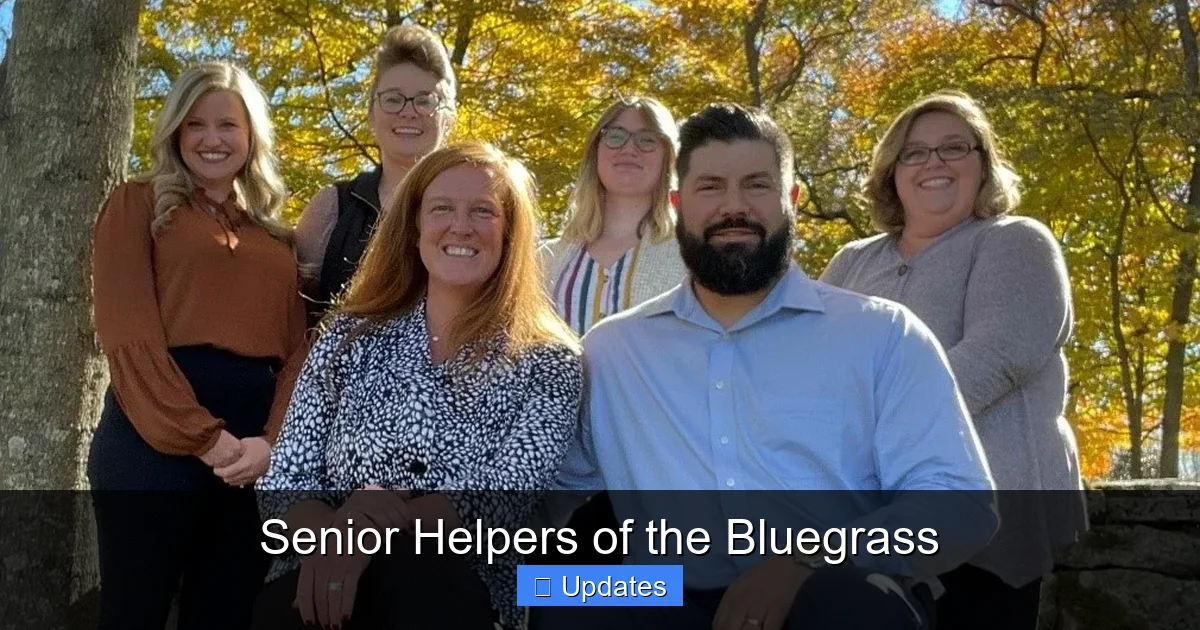
Senior Helpers of the Bluegrass


Quad Cane for Seniors

Upright Walker

Glucose Monitor Kit
Senior Helpers of the Bluegrass is a trusted provider of personalized in-home care services across Kentucky’s Bluegrass Region. With a team of trained, compassionate professionals, they help seniors maintain independence while receiving the support they need at home. From daily living assistance to specialized memory care, their mission centers on dignity, comfort, and peace of mind for both clients and families.
In today’s fast-paced world, many families face the difficult decision of how best to care for aging loved ones. As parents grow older, they often prefer to age in place—staying in familiar surroundings with cherished memories, neighbors, and routines. But maintaining independence can become challenging when physical limitations, chronic health conditions, or cognitive changes begin to interfere with daily life. That’s where Senior Helpers of the Bluegrass steps in. As one of Kentucky’s most respected in-home care providers, they offer more than just assistance—they deliver compassionate, individualized support designed to honor each senior’s dignity, autonomy, and quality of life.
Operating primarily in central Kentucky—including Lexington, Louisville, and surrounding communities—Senior Helpers of the Bluegrass combines professional expertise with deep empathy. Their caregivers aren’t just aides; they’re trusted companions who build meaningful relationships, adapt to evolving needs, and work closely with families to create seamless care plans. Whether it’s helping with bathing, managing medications, preparing nutritious meals, or simply offering conversation during quiet afternoons, their approach centers on respect, reliability, and real human connection.
What truly sets Senior Helpers apart is their commitment to understanding the unique culture of the Bluegrass region—a place known for hospitality, tradition, and strong community ties. This local insight allows them to tailor services not only to medical requirements but also to personal preferences, religious practices, dietary habits, and even favorite local restaurants. It’s this blend of professionalism and heartfelt care that makes Senior Helpers of the Bluegrass a beacon of hope for families navigating the complexities of aging.
Key Takeaways
- Comprehensive In-Home Care: Senior Helpers of the Bluegrass offers a full range of services—personal care, mobility support, meal preparation, medication reminders, and more—tailored to each senior’s unique needs.
- Trained & Compassionate Staff: All caregivers undergo rigorous background checks, ongoing training, and certification programs to ensure high-quality, empathetic service delivery.
- Focus on Independence: The agency emphasizes helping seniors remain in their own homes as long as possible, supporting daily routines and promoting autonomy with dignity.
- Specialized Memory Care: They provide dementia and Alzheimer’s support through structured activities, behavioral management strategies, and family education.
- Family Support & Peace of Mind: Families receive regular updates, care coordination, and access to 24/7 support, ensuring loved ones are never alone in the care journey.
- Community Engagement: Senior Helpers partners with local organizations to promote healthy aging, social connection, and access to resources throughout central Kentucky.
- Flexible Scheduling: Services are available for hourly, live-in, or respite care, making it easy for families to customize support based on changing needs.
📑 Table of Contents
- Understanding the Role of Senior Helpers in Modern Aging
- Core Services Offered by Senior Helpers of the Bluegrass
- The Importance of Professional Training and Certification
- How to Choose the Right Care Provider for Your Loved One
- Supporting Families Through the Caregiving Journey
- Looking Ahead: The Future of Senior Care in Kentucky
- Frequently Asked Questions
Understanding the Role of Senior Helpers in Modern Aging
As populations age globally, the demand for reliable, compassionate senior care continues to rise. In the United States, nearly 70% of adults over 65 will require some form of long-term care during their lifetime—and most prefer to receive that care at home rather than in institutional settings (AARP, 2023). This preference isn’t surprising: home-based care preserves privacy, reduces stress, and supports emotional well-being. However, coordinating such care can be overwhelming without proper guidance or support.
This is where agencies like Senior Helpers of the Bluegrass play a vital role. Unlike traditional nursing homes or assisted living facilities, in-home care providers operate flexibly within private residences. They don’t replace family caregivers but rather supplement their efforts—offering respite, additional supervision, or specialized skills that may be beyond what relatives can safely provide. For instance, if a spouse has advanced arthritis and struggles to lift a partner out of bed, a trained aide from Senior Helpers can perform safe transfers using proper techniques and equipment. Similarly, children working full-time jobs can rest assured knowing their parent is receiving consistent, professional attention while they’re away.
Moreover, modern technology enhances these services. Many Senior Helpers locations use digital platforms to schedule visits, track progress notes, alert families to concerns, and coordinate with healthcare providers. This transparency builds trust and ensures continuity of care. And because they’re locally owned and operated, decisions are made quickly, without red tape or distant corporate oversight—something especially important when emergencies arise.
Core Services Offered by Senior Helpers of the Bluegrass
At its foundation, Senior Helpers of the Bluegrass provides Personal Care, which includes assistance with Activities of Daily Living (ADLs) such as dressing, grooming, bathing, toileting, and mobility support. These tasks can become increasingly difficult due to arthritis, balance issues, or neurological conditions like Parkinson’s disease. A caregiver might help someone put on shoes before a doctor’s appointment or accompany them on short walks around the neighborhood to improve circulation and mood.
Beyond basic ADLs, they offer Companionship & Social Engagement. Loneliness is a silent epidemic among seniors—up to 40% report feeling isolated (CDC, 2022). Regular visits from a friendly face can boost mental health, reduce depression, and even lower blood pressure. Caregivers often read books aloud, play card games, watch movies together, or simply chat about old memories. For seniors with mild cognitive impairment, engaging in conversation can stimulate brain function and slow decline.
Another critical service is Meal Preparation & Nutrition Support. Proper nutrition is essential for managing diabetes, hypertension, osteoporosis, and other age-related conditions. Senior Helpers staff can plan balanced meals, shop for groceries, and cook dishes tailored to dietary restrictions—such as low-sodium or diabetic-friendly options. They also remind clients to drink water throughout the day, which combats dehydration—a common yet preventable issue in older adults.
Medication Management is another cornerstone. Seniors often take multiple prescriptions daily, increasing confusion and overdose risks. Caregivers verify pill bottles, set up organizers, administer doses at scheduled times, and document adherence. This reduces hospitalizations and improves treatment outcomes. Additionally, they assist with Light Housekeeping—changing linens, washing dishes, vacuuming, and organizing cluttered spaces—all while respecting personal belongings and routines.
For those needing temporary relief, Respite Care gives primary caregivers a much-needed break. Whether it’s a few hours per week or several days, this service prevents burnout and maintains family harmony. Meanwhile, Transportation Assistance helps seniors attend medical appointments, church services, grocery runs, or social events without relying solely on family members or public transit.
Perhaps most notably, Senior Helpers of the Bluegrass provides Specialized Memory Care for individuals living with Alzheimer’s, vascular dementia, or other forms of cognitive decline. Unlike generic senior care, memory care involves structured routines, sensory stimulation, validation therapy (acknowledging emotions instead of correcting facts), and environmental modifications to reduce agitation. Staff are trained to de-escalate challenging behaviors calmly and redirect focus toward positive experiences.
The Importance of Professional Training and Certification
You might wonder: “Can’t my neighbor or cousin just help out?” While well-meaning, untrained helpers lack the knowledge to handle complex situations safely. Consider falls—the leading cause of injury among seniors. Without proper lifting techniques, an untrained person could injure themselves *and* the senior during a transfer. Or imagine a diabetic senior whose blood sugar drops dangerously low; only a certified aide would recognize symptoms like shakiness, confusion, or sweating and know how to respond.
That’s why Senior Helpers of the Bluegrass insists on hiring only licensed, vetted professionals. Every caregiver completes state-mandated certifications in CPR/AED, First Aid, and dementia care. They’re also trained in infection control, nutrition basics, medication safety, and communication strategies for people with hearing loss or vision impairments. Ongoing education ensures they stay current on best practices—like new fall-prevention guidelines or updated diabetes protocols.
Background screenings go beyond criminal history checks. Agencies verify references, driving records (for those providing transport), and employment eligibility. Some even conduct personality assessments to ensure candidates possess patience, emotional intelligence, and cultural sensitivity. After hire, caregivers shadow experienced team members before working independently—a process called “probationary pairing” that guarantees competence before solo assignments.
Importantly, training isn’t just technical—it’s relational too. Staff learn how to communicate respectfully with seniors who may resist help, use “person-first” language (e.g., “Mr. Johnson, let’s get you dressed” vs. “Dressing the patient”), and navigate sensitive topics like end-of-life wishes or financial decisions. This holistic preparation fosters trust and minimizes frustration for everyone involved.
How to Choose the Right Care Provider for Your Loved One
Selecting a senior care agency is one of the most important decisions a family will make. Start by assessing your loved one’s specific needs. Does he struggle with stairs? Has she developed arthritis in her hands? Is there a history of wandering or sundowning (increased confusion in late afternoon)? Knowing these details helps narrow down whether hourly aid suffices or if 24/7 supervision is necessary.
Next, interview potential providers thoroughly. Ask about their experience with similar cases, staffing ratios, emergency procedures, and how they handle scheduling conflicts. Reputable companies like Senior Helpers of the Bluegrass welcome questions and provide detailed care plans before starting service. Be wary of vague answers or pressure to sign immediately.
Also consider logistics: Is the office nearby? Do they accept your insurance or offer sliding-scale fees? Can they accommodate weekend visits? Flexibility matters, especially if family caregivers have irregular schedules.
Finally, observe interactions during trial visits. Notice how the caregiver treats your loved one—is he kind, attentive, and adaptable? Does she listen actively and adjust activities based on mood or energy levels? Chemistry counts as much as credentials.
Remember, you’re entrusting someone with your family member’s safety, privacy, and happiness. Take your time, seek referrals from doctors or senior centers, and don’t hesitate to switch providers if things aren’t working out.
Supporting Families Through the Caregiving Journey
Caregiving is emotionally taxing. Studies show 70% of family caregivers experience anxiety or depression (Family Caregiver Alliance, 2021). Add financial strain, sleep deprivation, and relationship tension, and it’s no wonder so many feel overwhelmed. That’s why Senior Helpers of the Bluegrass doesn’t just serve seniors—they support entire households.
Through regular phone calls, email updates, and in-person meetings, families stay informed about their loved one’s condition, progress, and any concerns. Care coordinators act as liaisons between doctors, therapists, and home aides, ensuring everyone speaks the same language. If a sudden change occurs—like increased confusion or weight loss—the agency mobilizes quickly to investigate and intervene.
They also connect families with valuable resources: support groups, legal advisors specializing in elder law, nutritionists, and transportation networks. For example, if Medicaid applications seem daunting, staff can walk you through paperwork step-by-step. Or if grief counseling is needed after a spouse’s passing, they’ll refer you to trauma specialists.
Most importantly, they normalize asking for help. Many assume they must handle everything alone—but that’s neither realistic nor healthy. By sharing responsibilities, families preserve their own well-being while still honoring their commitments to aging parents.
Looking Ahead: The Future of Senior Care in Kentucky
As Baby Boomers continue aging, the landscape of senior care will evolve rapidly. Telehealth integration, wearable health monitors, and AI-driven risk prediction tools promise to enhance safety and efficiency. But technology alone cannot replace human touch—especially in emotionally charged moments like goodbyes, celebrations, or crisis interventions.
Agencies like Senior Helpers of the Bluegrass are already adapting. Imagine smart pill dispensers that sync with caregiver apps, automatically alerting staff when doses are missed. Or virtual reality systems that transport lonely seniors to tropical beaches or childhood homes, sparking joy and reducing agitation. These innovations complement—not replace—the irreplaceable bond between caregiver and client.
Meanwhile, policy shifts aim to expand access. Proposals for national paid leave programs and Medicare coverage for in-home services could dramatically reduce financial barriers. Community-based models—where neighbors volunteer time, shared kitchens serve meals, and intergenerational programs connect youth with elders—also gain traction nationwide.
In Kentucky specifically, rural areas face unique challenges: fewer clinics, longer travel distances, and workforce shortages. Local agencies must innovate creatively, perhaps partnering with churches, libraries, or mobile vet clinics to extend reach. Education campaigns targeting younger generations about aging issues could foster greater empathy and preparedness.
Ultimately, the goal remains unchanged: to enable seniors to live fully, safely, and with purpose in environments they love. Whether that means gardening on the porch, attending weekly bingo nights, or teaching grandchildren math lessons, every moment matters.
—
Conclusion
Choosing in-home care is never easy, but it’s often the right choice for preserving dignity, independence, and joy in later years. Senior Helpers of the Bluegrass exemplifies what excellence in senior care looks like: skilled professionals delivering personalized support rooted in compassion, accountability, and local understanding. For families across Kentucky, they’re more than a service provider—they’re partners in aging well.
If you’re considering options for yourself or a loved one, start by reaching out. Most agencies offer free consultations and assessments. You’ll likely discover that peace of mind begins with a simple conversation—and ends with a trusted companion walking beside your family every step of the way.
—
Frequently Asked Questions
What types of senior care services does Senior Helpers of the Bluegrass provide?
Senior Helpers of the Bluegrass offers comprehensive in-home care including personal assistance with bathing, dressing, and mobility; meal preparation; medication reminders; light housekeeping; companionship; transportation; and specialized memory care for dementia patients. Services are customized to meet individual needs and can range from hourly visits to 24/7 live-in support.

Visual guide about Senior Helpers of the Bluegrass
Image source: seniorhelpers.com

Visual guide about Senior Helpers of the Bluegrass
Image source: seniorhelpers.com
Visual guide about Senior Helpers of the Bluegrass
Image source: seniorhelpers.com
Are the caregivers at Senior Helpers of the Bluegrass properly trained and insured?
Yes, all caregivers undergo extensive background checks, state-mandated certifications in CPR, First Aid, and dementia care, plus ongoing training in infection control, nutrition, and communication. The agency is fully bonded and insured, ensuring liability protection for clients.
How do I know if my loved one qualifies for Senior Helpers services?
Eligibility depends on functional limitations affecting daily living—such as difficulty walking, preparing meals, managing medications, or increased fall risk. Most families qualify regardless of income level since payment options include private pay, long-term care insurance, and occasionally veterans benefits or Medicaid waivers.
Can Senior Helpers of the Bluegrass accommodate special dietary needs or medical conditions?
Absolutely. Staff are trained to follow prescribed diets (e.g., low-sodium, diabetic-friendly) and can assist with medical equipment like walkers or oxygen tanks. They also coordinate with dietitians and physicians to ensure nutritional goals align with overall health plans.
What happens if my loved one develops new health issues after starting care?
Senior Helpers employs care coordinators who monitor changes closely. If new concerns arise—like increased confusion, weight loss, or mobility decline—they reassess the care plan promptly, consult healthcare providers, and adjust services accordingly to maintain safety and comfort.
Is respite care available, and how does it benefit family caregivers?
Yes, respite care provides temporary relief for primary caregivers by offering supervised care for hours or days at a time. This prevents burnout, reduces stress, and allows family members to recharge while knowing their loved one is in capable, loving hands.
Frequently Asked Questions
What is senior helpers of the bluegrass?
senior helpers of the bluegrass is an important topic with many practical applications.