
Senior Height Chaise Lounge with Arms


Toilet Seat Bidet Attachment

Voice Assistant Smart Speaker

Upright Walker
Senior height chaise lounges with arms are specially designed seating solutions that combine ergonomic support with ease of use for older adults. These chairs provide height elevation, reducing strain on knees and hips, while built-in arms offer crucial balance during standing or sitting. Ideal for homes, assisted living, or rehabilitation centers, they promote independence and safety without sacrificing comfort.
If you’re helping a loved one age in place—or planning ahead for your own mobility needs—you’ve probably heard about senior height furniture. But what exactly is a senior height chaise lounge with arms? And why should it matter?
Simply put, it’s a thoughtfully designed piece of seating that sits higher off the ground than standard armchairs or sofas. It often reclines into a near-flat position (like a chaise) and features supportive side arms. For older adults, this isn’t just about comfort—it’s about safety, dignity, and freedom. Whether someone has arthritis, low bone density, balance issues, or simply wants less strain on their joints, this type of furniture can make everyday life significantly easier.
In this article, we’ll walk you through everything you need to know about choosing, using, and caring for a senior height chaise lounge with arms. We’ll cover design features, material options, placement tips, and how to integrate it seamlessly into home environments—especially those focused on aging in place.
Key Takeaways
- Improved Accessibility: The elevated seat height allows seniors to rise from a seated position with minimal effort, reducing fall risks and joint stress.
- Built-in Support Arms: Side arms provide leverage and stability, making it easier to push up or steady oneself when moving.
- Enhanced Comfort: Many models include plush cushioning, reclining options, and lumbar support tailored for long-term relaxation.
- Safety-First Design: Non-slip feet, rounded edges, and sturdy construction prevent tipping and minimize injury from accidental bumps.
- Versatile Placement: These chairs fit well in living rooms, bedrooms, sunrooms, or even outdoor patios with weather-resistant options.
- Promotes Independence: By reducing reliance on caregivers for mobility assistance, users maintain dignity and confidence in their daily routines.
📑 Table of Contents
- Why Senior Height Matters
- Features That Make a Difference
- Material Choices: Style Meets Function
- Placement Tips for Maximum Benefit
- Integrating Into Aging-In-Place Homes
- Maintenance and Longevity
- Real-Life Examples and Testimonials
- Cost vs. Value: Is It Worth the Investment?
- Final Thoughts: Comfort That Respects Aging
Why Senior Height Matters
As we age, simple tasks like getting up from a chair become more challenging. Standard seats—whether in couches, dining chairs, or regular armchairs—force seniors to bend at the waist, twist their torso, and rely heavily on leg strength. Over time, this puts extra pressure on knees, hips, and lower back muscles.
A senior height chaise lounge with arms, however, raises the seat so that when you sit down and stand up, your legs stay close to 90 degrees. This reduces the demand on your quadriceps and spine. Think of it like using a step stool when reaching high shelves—except instead of lifting your body upward, you’re lowering yourself gently into a stable position.
Moreover, many modern designs come with reclining mechanisms. That means you can stretch out fully for reading, watching TV, or resting after a meal—all while maintaining the same safe, upright posture needed for rising later.
The Science Behind the Seat Height
Research shows that optimal chair height for seniors is between 18 and 20 inches from floor to seat surface. Most standard chairs fall below 16 inches, forcing users to hunch forward. In contrast, senior-height furniture brings the seat closer to knee level, minimizing spinal flexion.
For example:
– A 70-year-old with mild osteoarthritis might struggle to rise from a 15-inch dining chair.
– The same person could navigate a 19-inch senior chaise lounge with arms by simply pushing off with their hands and straightening their legs.
This small difference translates to fewer falls, less pain, and greater confidence.
Features That Make a Difference
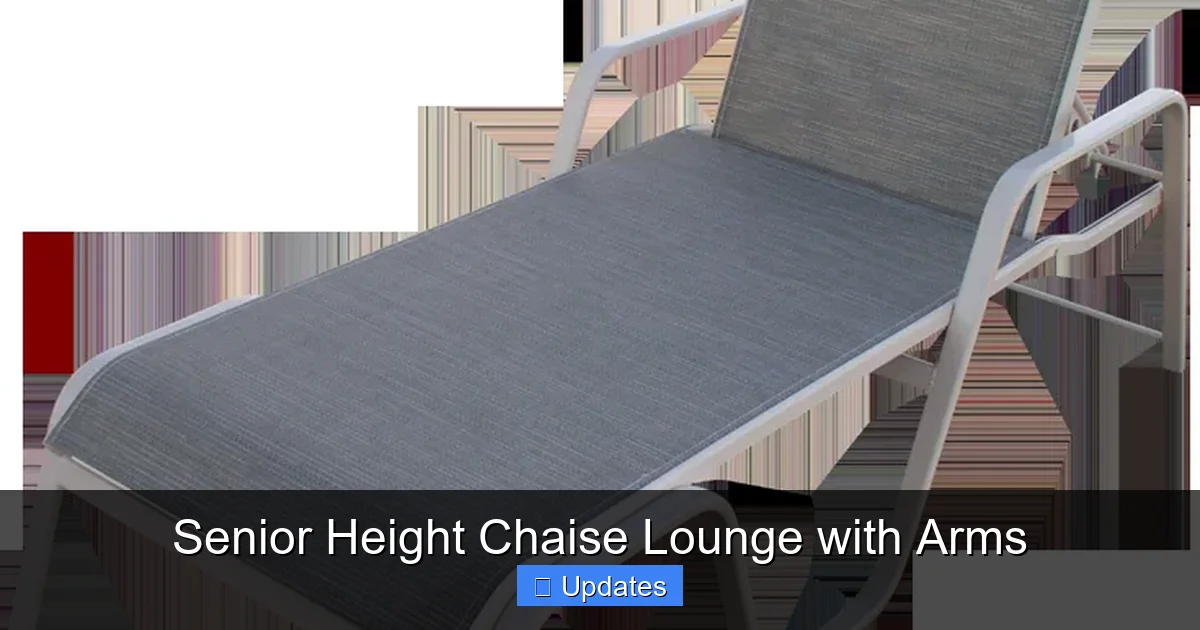
Visual guide about Senior Height Chaise Lounge with Arms
Image source: seabreezepatio.com
Not all senior chaise lounges are created equal. To truly benefit older adults, a quality model must include several key features:
Elevated Seat with Optimal Height
Look for chairs with seat heights between 18–20 inches. This range supports proper alignment and reduces joint strain.
Sturdy Armrests
Wide, padded arms give users something solid to push against when rising. They also prevent slipping if clothing snags or balance wavers.
Reclining Functionality
Many models recline up to 135 degrees, allowing users to lie nearly flat—ideal for naps or post-meal rest. Always check weight limits and ensure smooth, controlled movement.
Non-Slip Base
Rubberized or textured feet prevent sliding on hardwood, tile, or carpeted floors. This is especially important for those with Parkinson’s or neuropathy who may have shaky movements.
Lumbar and Head Support
Contoured cushions that cradle the lower back and neck reduce fatigue during extended use.
Easy-to-Reach Controls
For motorized versions, side-mounted buttons or wireless remotes let users adjust positions without stretching.
Weight Capacity & Durability
Choose models rated for at least 300 pounds. Steel frames with reinforced joints last longer and feel safer under pressure.
Material Choices: Style Meets Function
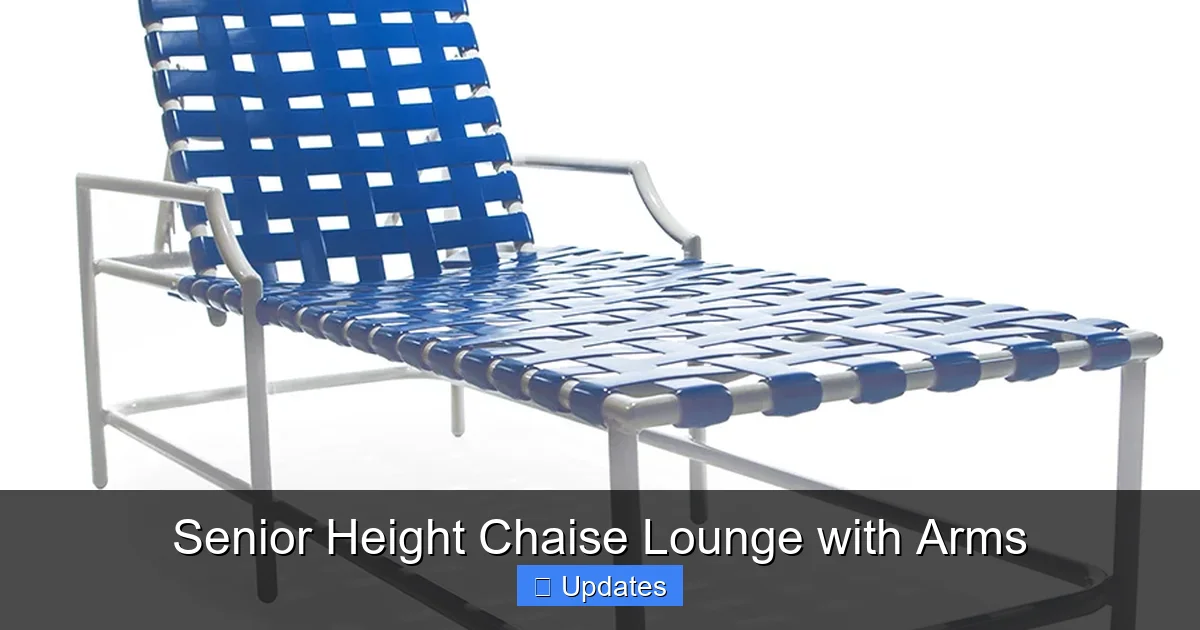
Visual guide about Senior Height Chaise Lounge with Arms
Image source: robertsaluminum.com
When selecting a senior height chaise lounge with arms, consider both aesthetics and practicality. Materials affect durability, maintenance, and comfort.
Fabric Options
– **Microfiber**: Resistant to stains and fading; easy to wipe clean.
– **Leather/Vinyl**: Smooth surface prevents crinkling noise; ideal for incontinence concerns.
– **Cotton Blend**: Breathable but requires spot cleaning.
Avoid delicate fabrics like silk or untreated wool—they wear out quickly and attract dust mites.
Frame Construction
Steel or hardwood frames offer superior stability compared to particleboard or plastic. Look for welded joints rather than screws, which loosen over time.
Outdoor Models
Aluminum frames with UV-resistant fabric withstand sun and rain. These are perfect for covered patios or screened porches.
Remember: even the most beautiful chair won’t help if it wobbles or breaks under normal use. Prioritize structural integrity over decorative details.
Placement Tips for Maximum Benefit

Visual guide about Senior Height Chaise Lounge with Arms
Image source: floridapatio.net
Where you put your senior height chaise lounge with arms makes a big difference in usability and safety.
Near Entryways
Placing it near an entrance lets users transition smoothly from shoes indoors to comfortable seating. Pair it with a grab bar for extra security.
In Bedroom Corners
A chaise by the bed allows easy morning get-ups or evening rests without climbing out of bed. Some models even double as footrests.
Living Room Centers
Position it away from walls so caregivers can approach from both sides. Ensure pathways are clear of rugs or clutter.
Sunroom or Porch Areas
Weatherproof models bring tranquility outdoors. Add side tables for books, water, or medications.
Always test placement with your loved one before finalizing. Ask: “Does it feel natural to reach the arms? Is there enough space to stand safely?”
Integrating Into Aging-In-Place Homes
Many families choose senior height furniture as part of broader “aging in place” strategies—designing homes so older adults can live independently longer. Here’s how a chaise lounge fits into that vision:
Reducing Caregiver Burden
By enabling self-sufficiency, these chairs decrease the need for constant physical assistance. Your mom can now watch TV without waiting for help to get up.
Preventing Falls
Falls account for over 95% of serious injuries among seniors. Stable seating with arm support cuts fall risk dramatically.
Encouraging Social Engagement
Comfortable seating invites conversation. Grandchildren visiting will find it easy to sit alongside grandparents without straining.
Supporting Medical Needs
For diabetics, heart patients, or those recovering from surgery, lying flat periodically aids circulation and digestion.
If you’re redesigning a room, consider pairing the chaise with adjustable lighting, voice-activated controls, or emergency call buttons for holistic safety.
Maintenance and Longevity
To keep your senior height chaise lounge with arms in top shape:
– Vacuum seams weekly to remove dust and pet hair.
– Spot-clean spills immediately with mild soap and water.
– Rotate cushions monthly to maintain shape.
– Tighten loose bolts every 6 months.
– Cover during harsh weather if placed outside.
Avoid harsh chemicals or abrasive scrubbers—they damage fabric and weaken adhesives.
Most reputable brands offer warranties covering frame defects and mechanical parts. Save receipts and registration info just in case.
Real-Life Examples and Testimonials
Don’t take our word for it. Consider Maria, 78, who struggled to rise from her old couch until her daughter installed a senior height chaise lounge with arms in the living room. “I used to dread movie nights,” she says. “Now I relax fully and still get up whenever I want—no pain, no struggle.”
Or Robert, 82, who added a reclining model to his sunroom. “After lunch, I nap right here under the trees. My doctor says it helps my blood pressure.”
These stories aren’t unusual. Thousands of seniors report improved mood, energy, and sleep quality after switching to properly designed seating.
Cost vs. Value: Is It Worth the Investment?
Prices vary widely—from $400 for basic models to over $2,000 for luxury motorized versions. While it may seem pricey upfront, remember:
– Preventing one fall saves thousands in medical bills.
– Increased independence reduces long-term care costs.
– Quality lasts 10+ years with proper care.
Check with local Area Agencies on Aging (AAA)—some programs subsidize home modifications. Medicare doesn’t cover furniture, but Medicaid sometimes does through waiver programs.
Final Thoughts: Comfort That Respects Aging
A senior height chaise lounge with arms isn’t just a chair—it’s a statement. It says: *Your comfort matters. Your safety matters. You deserve to age gracefully at home.*
Whether you’re buying for yourself or a family member, focus on features that prioritize function: height, support, stability, and ease of use. Don’t compromise on materials or construction.
And remember—this isn’t about limiting mobility. It’s about empowering it. With the right furniture, seniors can enjoy evenings curled up with a book, mornings sipping coffee in peace, and weekends laughing with friends—all without fear or frustration.
Make the switch today. Your future self (or your loved one) will thank you.
For more tips on creating safe, accessible homes for seniors, explore our guides on in-home care providers and active intergenerational communities. And if dietary needs are part of the equation, check out our guide on soft foods for sensitive seniors—because comfort extends beyond seating.
Frequently Asked Questions
What makes a chaise lounge suitable for seniors?
A senior-friendly chaise lounge features elevated seat height (18–20 inches), sturdy armrests for leverage, reclining capability, non-slip base, and durable materials. These elements reduce strain and prevent falls during sitting and standing.
Can a senior height chaise lounge be used outdoors?
Yes! Weather-resistant models made with aluminum frames and UV-protected fabric can be placed on covered patios or in screened porches. Always ensure drainage to avoid water pooling.
How do I clean my senior chaise lounge?
Vacuum regularly, spot-clean spills with mild soap and water, rotate cushions monthly, and tighten hardware every six months. Avoid harsh chemicals that degrade fabric.
Is assembly difficult for senior height chaise lounges?
Most models require minimal assembly—typically attaching legs or recliner mechanisms with included tools. Clear instructions and pre-drilled holes make setup straightforward even for those with limited dexterity.
Do I need special flooring for a senior chaise lounge?
No. Non-slip rubber feet work on hardwood, tile, carpet, and vinyl. However, thick rugs can enhance comfort and reduce noise. Avoid slippery surfaces like polished marble unless using anti-fatigue mats.
Are motorized senior chaise lounges worth the cost?
Motorized versions offer convenience for those with severe mobility limitations, allowing effortless positioning via remote. While pricier, they’re justified for users unable to operate manual mechanisms independently.