
Senior Drivers City Driving Guide Stay Safe and Confident


Sock Aid for Seniors

Slow Cooker Crock Pot
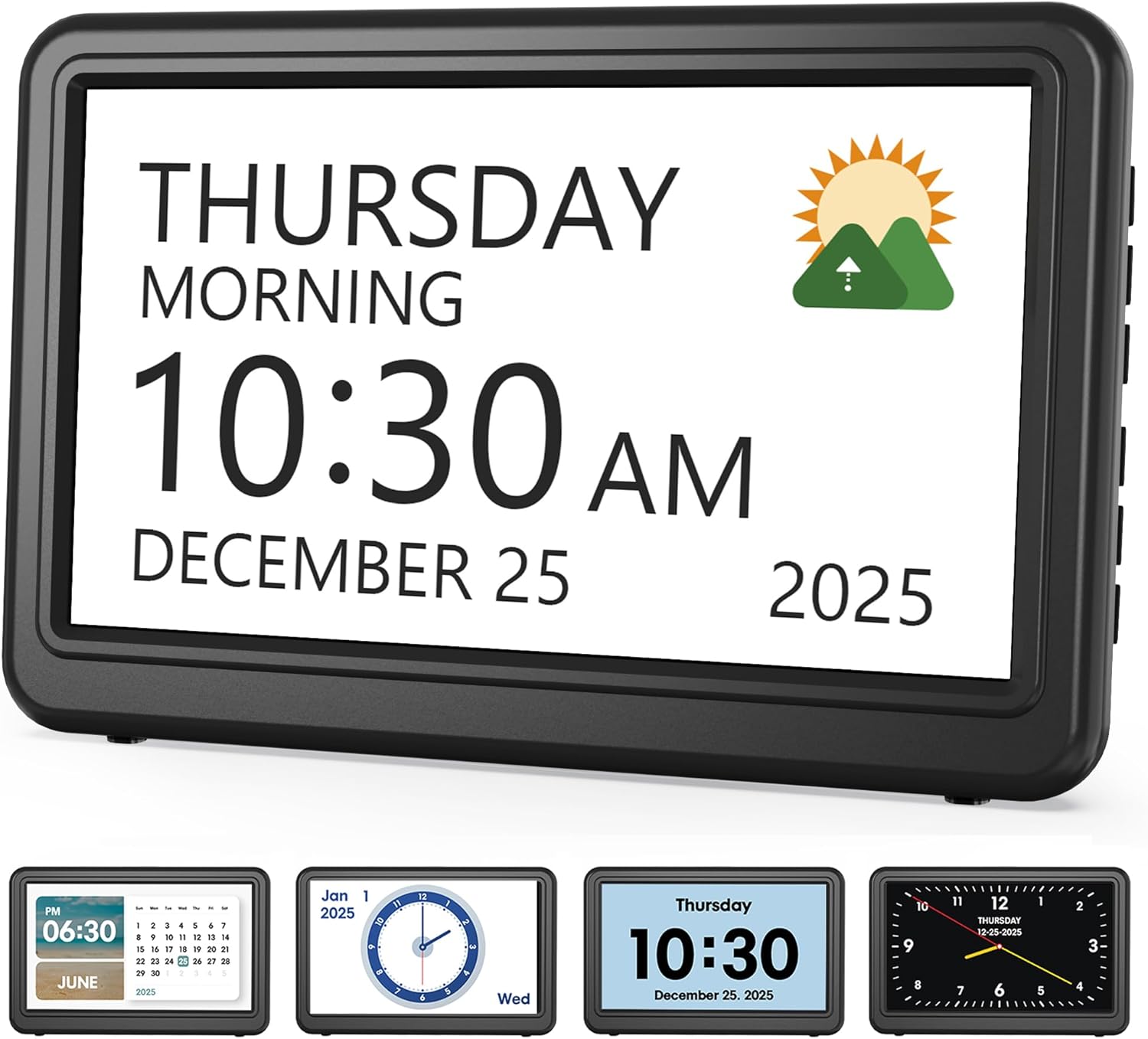
Medication Reminder Alarm
Senior drivers can stay safe and confident in city driving by understanding urban challenges, maintaining their vehicle, practicing defensive driving, and being aware of their physical and cognitive abilities.
City driving can be a rewarding way to maintain independence, offering access to amenities, social activities, and familiar routes. However, for senior drivers, urban environments present unique challenges. This guide is designed to equip you with the knowledge and strategies to navigate city streets safely and confidently, ensuring you can continue to enjoy the freedom of the road.
- Understand Challenges: Be aware of busy intersections, pedestrians, cyclists, and unpredictable traffic in cities.
- Vehicle Readiness: Ensure your car is well-maintained, with focus on tires, brakes, and visibility systems.
- Defensive Driving: Practice techniques like scanning ahead, maintaining safe following distances, and checking blind spots.
- Navigate Complexity: Use GPS wisely and be prepared for construction zones, one-way streets, and roundabouts.
- Self-Assessment: Regularly evaluate your driving skills and consult your doctor or consider refresher courses if.
Senior Drivers City Driving Guide: Stay Safe and Confident on the Road in 2025
As we age, our driving abilities can change. While many seniors remain excellent drivers, it’s important to acknowledge the evolving demands of driving, especially in busy city settings. Understanding these challenges and preparing accordingly can make a significant difference in your safety and peace of mind.
Understanding the Unique Challenges of City Driving for Senior Drivers
Cities are dynamic places, and their roadways reflect this. Unlike quieter suburban or rural roads, city driving involves a constant interplay of diverse road users, complex infrastructure, and unpredictable events.
Navigating Busy Intersections and Traffic Lights
Intersections are often the most complex part of city driving. They involve multiple lanes, changing traffic signals, and the need to yield to various directions of traffic. Senior drivers may find it challenging to process all the visual information quickly, especially during peak hours.
The timing of traffic lights can also be a concern. A light that changes from green to yellow or red very quickly might not leave enough time for a senior driver to react safely. This requires heightened awareness and sometimes, a willingness to wait for a safer gap.
Dealing with Pedestrians and Cyclists
Cities are bustling hubs for pedestrians and cyclists. They can appear suddenly from sidewalks, crosswalks, or blind corners. Senior drivers need to be particularly vigilant for these vulnerable road users, as they are less protected than vehicle occupants.
Cyclists often share the road or use dedicated lanes, and their movements can be less predictable than those of other vehicles. Always be aware of cyclists when turning or changing lanes, and give them ample space.
Parking in Tight Urban Spaces
Finding parking in cities can be a daunting task, often involving parallel parking on busy streets or maneuvering into compact parking garage spots. Limited visibility and the proximity of other vehicles and obstacles can make this stressful.
Parallel parking, in particular, requires precise control and spatial judgment. If this is a particular challenge, consider planning trips to areas with easier parking options or utilizing parking garages with clear signage and ample space.
Adapting to Unpredictable Traffic Flow
City traffic is rarely static. It can change from smooth sailing to a complete standstill in moments due to accidents, events, or construction. Senior drivers need to be prepared to adjust their speed and anticipate sudden stops.
Lane changes are also more frequent and often more assertive in city driving. It’s crucial to signal intentions clearly and ensure there’s a safe gap before merging or changing lanes, rather than feeling pressured to keep up with faster-moving traffic.
Essential Vehicle Maintenance for City Driving Confidence
A well-maintained vehicle is a cornerstone of safe and confident driving, especially when navigating the demands of urban environments. Regular checks ensure your car is performing optimally and that critical safety systems are in good working order.
Pre-Drive Checks: Ensuring Your Car is Ready
Before embarking on any journey, especially a city drive, take a moment to perform a quick walk-around and interior check. This includes looking for any obvious issues like flat tires or leaks.
Inside, ensure all your mirrors are properly adjusted, your seat is comfortable and positioned correctly for optimal control, and that you’re familiar with all your vehicle’s controls.
Tire Pressure and Tread: Safety First
Properly inflated tires are crucial for handling, braking, and fuel efficiency. Under-inflated tires can affect steering and increase stopping distances, a significant risk in city traffic.
Check your tire pressure regularly, ideally once a month, and ensure the tread depth is sufficient. Worn tires can significantly reduce grip, especially in wet conditions, which are common in urban areas.
Your vehicle’s owner’s manual will specify the correct tire pressure for your car. You can find tire pressure gauges at most auto parts stores.
Brake System: Your Most Important Safety Feature
Your brakes are arguably the most critical safety component in your vehicle. In city driving, with frequent stops and starts, your brakes are used more intensely.
Listen for any unusual noises, such as grinding or squealing, when you apply the brakes. If you notice the brake pedal feels spongy or takes longer to stop your vehicle, it’s time to have your brake system inspected by a qualified mechanic.
Certain medications can affect reaction time and alertness. Discuss any concerns about how your prescriptions might impact your driving ability with your doctor or pharmacist.
Visibility: Lights, Wipers, and Clean Windows
Good visibility is paramount in city driving, where hazards can appear quickly. Ensure all your exterior lights—headlights, taillights, brake lights, and turn signals—are functioning correctly.
Keep your windshield and windows clean, both inside and out. Worn wiper blades can smear water, reducing visibility during rain. Regularly check and replace them as needed.
Mastering Defensive Driving Techniques for Urban Environments
Defensive driving is about anticipating potential hazards and making safe decisions to avoid them. In the complex environment of city streets, these techniques are not just helpful—they are essential.
The “Four-Second Rule” and Maintaining Safe Following Distances
The “four-second rule” is a simple yet effective way to ensure you maintain a safe following distance. Pick a fixed object (like a sign or bridge) that the vehicle ahead passes. Start counting “one-thousand-one, one-thousand-two, one-thousand-three, one-thousand-four” as they pass it. If you pass the same object before you finish counting, you are following too closely.
This rule is especially important in city traffic, where sudden braking is common. A larger gap gives you more time to react if the car in front stops abruptly.
Scanning Ahead: Anticipating Potential Hazards
Don’t just focus on the car directly in front of you. Train yourself to scan the road well ahead. Look for potential hazards like pedestrians about to step into the street, cyclists, cars preparing to turn, or brake lights several vehicles ahead.
This proactive approach allows you to adjust your speed or position early, avoiding sudden maneuvers or hard braking. It’s about seeing problems before they become immediate threats.
Blind Spot Awareness: A Crucial Skill for City Streets
Blind spots are areas around your vehicle that you cannot see in your mirrors. These are particularly dangerous in city driving, where other vehicles, cyclists, and pedestrians can be present.
Always check your blind spots before changing lanes or turning. A quick head check (turning your head to look over your shoulder) is the most reliable way to ensure the space is clear.
Understanding and Using Your Mirrors Effectively
Your mirrors are vital tools for situational awareness. Regularly adjust your rearview and side mirrors to maximize your field of vision.
Learn to use your mirrors in conjunction with scanning. Glance at your mirrors frequently to monitor traffic behind and beside you, which helps when planning lane changes or anticipating merging traffic.
Studies show that older drivers often exhibit excellent hazard perception skills, but may take longer to respond to unexpected events. Defensive driving techniques help bridge this gap.
Strategies for Safer Navigation in Complex City Scenarios
Cities often feature intricate road layouts, construction, and unique traffic control devices. Knowing how to approach these situations can prevent confusion and ensure safety.
Dealing with One-Way Streets and Complex Road Markings
One-way streets can be confusing, especially when signs are not prominently displayed. Look for arrows on signs and road markings indicating traffic flow. Always ensure you are traveling in the correct direction to avoid a head-on collision.
Complex lane markings, such as those in areas with multiple turning lanes or bike lanes, require careful attention. Read the signs and pavement markings well in advance to select the correct lane for your intended path.
Handling Construction Zones and Detours
Construction zones often mean narrowed lanes, unexpected lane shifts, reduced speed limits, and detours. Pay close attention to temporary signage and flaggers.
Be prepared for sudden stops and changes in road surface. It’s often best to reduce your speed significantly and increase your following distance in these areas.
Navigating Roundabouts and Multi-Lane Turns
Modern cities frequently incorporate roundabouts, which can be challenging if you’re not accustomed to them. Remember to yield to traffic already in the roundabout and signal your exit.
Multi-lane turns, especially left turns across multiple lanes of oncoming traffic, require careful judgment. Ensure you have a clear path and adequate time before committing to the turn.
Using GPS and Navigation Apps Wisely
GPS devices and navigation apps can be invaluable tools for city driving. They help with route planning and can alert you to upcoming turns or traffic issues.
However, never rely solely on them. Always keep aware of your surroundings, and if the GPS suggests a turn that seems unsafe or incorrect, trust your judgment and find a safe place to re-evaluate your route.
Practice using your GPS or navigation app in familiar areas before relying on it in a complex city environment. Setting your destination before you start driving is safest.
Common Mistakes Senior Drivers Make in City Driving and How to Avoid Them
Recognizing potential pitfalls is the first step to avoiding them. While these are common for many drivers, they can be amplified in the city environment for senior drivers.
Overestimating Abilities or Underestimating Risks
A long history of safe driving can sometimes lead to overconfidence. It’s important to regularly assess your current abilities and the risks of the driving environment.
Be honest with yourself about your comfort level. If a particular driving situation feels overwhelming, it might be a sign to adjust your approach or seek additional training.
Hesitation at Intersections or Merging
Hesitation can be as dangerous as aggressive driving. If you’re unsure about whether it’s safe to proceed at an intersection or merge into traffic, it’s better to wait for a larger, clearer gap.
However, prolonged hesitation can disrupt traffic flow and potentially create a hazardous situation. Practice makes perfect, and familiarizing yourself with common city routes can build confidence.
Distracted Driving: The Dangers of In-Car Gadgets
Anything that takes your attention away from the road—talking on the phone, adjusting the radio, or fiddling with GPS—is a distraction. In the city, even a few seconds of distraction can lead to an accident.
Set your GPS, music, and climate controls before you start driving. If you need to make a call or adjust something, pull over to a safe location first.
Using a mobile phone while driving, even with a hands-free device, is a significant distraction. Avoid it whenever possible, especially in busy city traffic.
Ignoring Vehicle Maintenance or Warning Signs
Skipping regular maintenance or ignoring dashboard warning lights can lead to unexpected breakdowns or, worse, system failures while driving.
Address any unusual noises, smells, or warning lights promptly. A small issue now can prevent a major problem and a dangerous situation later.
When to Seek Professional Help or Consider Driving Adjustments
Maintaining your driving independence is important, but safety must always come first. Recognizing when your skills may need a boost or when to consider alternatives is a sign of responsible decision-making.
Recognizing Signs of Declining Driving Skills
Be aware of changes in your driving. Do you find yourself getting lost more often, having trouble judging distances, or feeling more anxious behind the wheel? These can be indicators that your skills are changing.
Other signs include frequent near-misses, difficulty seeing at night, or needing more time to react to situations. Acknowledging these changes is the first step toward ensuring continued safety.
Consulting Your Doctor About Vision and Health
Vision and physical health are critical for driving. Changes in eyesight, hearing, or physical mobility can significantly impact driving ability.
Schedule regular eye exams and discuss any health concerns with your doctor. They can advise on any conditions or medications that might affect your driving and suggest necessary adaptations.
Ensure your vision prescription is up-to-date and that you have no underlying health conditions, such as glaucoma or cataracts, that could impair your vision for driving. Discuss any new medications with your doctor.
Exploring Driving Refresher Courses and Assessments
Many organizations offer driving refresher courses specifically designed for senior drivers. These courses can help you brush up on modern driving techniques, learn about new road rules, and identify areas for improvement.
A professional driving assessment by a certified instructor can provide an objective evaluation of your driving skills and offer personalized recommendations for improvement or necessary modifications.
Considering Alternative Transportation Options
If city driving becomes too challenging or unsafe, various alternative transportation options can help you maintain your mobility and independence. These might include ride-sharing services, public transportation, senior shuttle services, or relying on friends and family.
Exploring these options doesn’t mean giving up driving entirely; it means having a reliable backup plan and ensuring you can still get where you need to go safely. For those considering a move, resources like Delmar Gardens of Gwinnett or Celebrate Senior Living of Niles offer a way to live closer to amenities, potentially reducing the need for frequent driving.
Recap: Key Takeaways for Confident and Safe City Driving
City driving for senior drivers requires preparation, awareness, and a commitment to safety. By understanding the unique challenges, maintaining your vehicle, employing defensive driving techniques, and knowing when to seek help, you can continue to drive with confidence and independence.
- Understand city driving challenges like busy intersections and pedestrians.
- Maintain your vehicle with regular checks on tires, brakes, and visibility.
- Employ defensive driving strategies such as scanning ahead and maintaining safe distances.
- Be aware of complex scenarios like construction zones and roundabouts.
- Seek professional assessments or consider alternative transport if needed.
Frequently Asked Questions
Key challenges include navigating busy intersections, dealing with unpredictable traffic flow, being aware of pedestrians and cyclists, and parking in tight urban spaces. Senior drivers may also find it harder to process rapidly changing information.
Regular vehicle maintenance is crucial. This includes checking tire pressure and tread, ensuring brakes are in good working order, and verifying that all lights, wipers, and windows provide clear visibility.
Defensive driving involves scanning the road well ahead, maintaining a safe following distance (like the four-second rule), being highly aware of blind spots, and using mirrors effectively to monitor your surroundings.
Approach construction zones with increased caution, reduced speed, and increased following distance. For roundabouts, yield to traffic within and signal your exit. Always pay close attention to road signs and markings.
Avoid overestimating abilities, hesitating excessively at intersections, becoming distracted by in-car gadgets, and ignoring vehicle maintenance or warning signs. Be realistic about your current driving capabilities.
If you notice signs of declining driving skills, such as increased anxiety or difficulty with navigation, it’s time to consider adjustments. Consult your doctor about vision and health, explore refresher courses, or investigate alternative transportation options.