
Senior Dog Throwing Up Undigested Food


Jar Opener for Weak Hands

Shower Chair for Elderly

Hearing Aid Cleaning Kit
If your senior dog is throwing up undigested food, it’s often a sign of slowed digestion, eating too fast, or an underlying health issue. While occasional vomiting may be normal, frequent episodes warrant a vet visit to rule out serious conditions like kidney disease or gastrointestinal disorders.
Key Takeaways
- Slowed digestion is common in older dogs: As dogs age, their metabolism slows, which can lead to food staying in the stomach longer and being vomited up undigested.
- Eating too fast contributes to vomiting: Senior dogs may gulp food due to dental pain or competition habits, leading to regurgitation of undigested meals.
- Underlying health conditions are a major cause: Kidney disease, liver issues, pancreatitis, and gastrointestinal obstructions can all cause vomiting in senior dogs.
- Hydration and diet adjustments help: Switching to smaller, more frequent meals and using slow-feed bowls can reduce vomiting episodes.
- Monitor for red flags: Persistent vomiting, weight loss, lethargy, or blood in vomit require immediate veterinary attention.
- Regular vet checkups are essential: Senior dogs should have biannual exams to catch health problems early, especially those affecting digestion.
- Home care supports recovery: Keep your dog calm, hydrated, and on a bland diet during recovery, and reintroduce food gradually.
📑 Table of Contents
Understanding Why Your Senior Dog Is Throwing Up Undigested Food
As our beloved dogs enter their golden years, their bodies undergo many changes—some subtle, others more noticeable. One concerning behavior many pet parents observe is their senior dog throwing up undigested food. It’s unsettling to see your loyal companion retch up what looks like a whole meal, especially when they seemed fine just minutes before. While occasional vomiting might not be a crisis, frequent episodes of regurgitating undigested food can signal deeper issues that need attention.
Senior dogs—typically those over seven years old, depending on breed and size—experience a natural decline in organ function, metabolism, and digestive efficiency. Their stomachs may not empty as quickly, their teeth may hurt, or their sense of smell might weaken, all of which can affect how they eat and digest food. When food isn’t broken down properly or stays in the stomach too long, it can come back up largely unchanged. This isn’t just messy—it’s a clue that something in your dog’s system isn’t working as it should.
It’s important to distinguish between vomiting and regurgitation. Vomiting is an active process involving abdominal contractions, nausea, and effort. Regurgitation, on the other hand, is passive—food comes up easily, often right after eating, without warning or strain. If your senior dog is bringing up food that looks exactly like what they just ate, it’s more likely regurgitation, which points to issues in the esophagus or upper digestive tract. But if they’re gagging, retching, or showing signs of discomfort before vomiting, it’s true vomiting, often linked to stomach or intestinal problems.
Understanding the difference helps you communicate better with your vet and take the right steps at home. While one-off incidents might be harmless—like eating too fast or a sudden change in diet—repeated episodes of your senior dog throwing up undigested food should never be ignored. It’s your dog’s way of saying, “Something’s not right.”
Common Causes of Undigested Food Vomiting in Senior Dogs
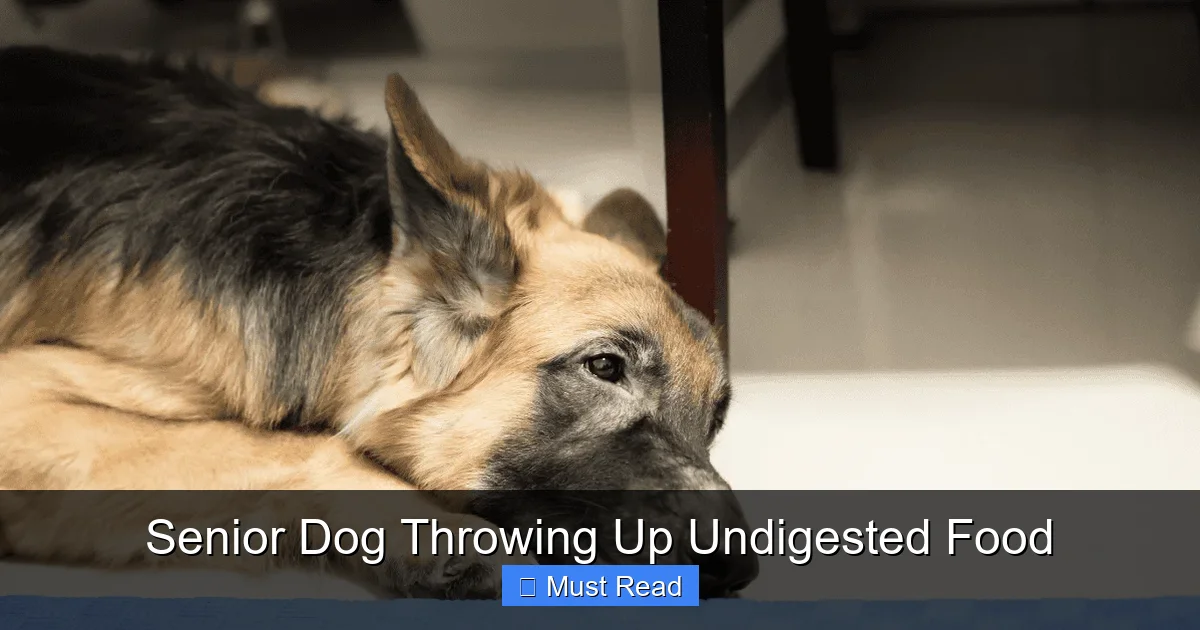
Visual guide about Senior Dog Throwing Up Undigested Food
Image source: joypetproducts.com
There are several reasons why a senior dog might throw up undigested food, ranging from benign habits to serious medical conditions. Let’s break down the most common causes so you can better understand what might be going on with your furry friend.
Slowed Digestive System
As dogs age, their gastrointestinal tract slows down. This means food takes longer to move through the stomach and intestines. In senior dogs, the stomach may not empty efficiently, leading to food sitting too long and being vomited up before digestion begins. This is especially common in dogs with reduced stomach motility or conditions like gastroparesis, where the stomach muscles don’t contract properly.
For example, a 12-year-old Labrador might eat dinner and then vomit it up two hours later, still in large chunks. This delay in digestion isn’t always painful, but it’s inefficient and can lead to malnutrition over time if not addressed.
Eating Too Fast
Many senior dogs, especially those who’ve lived with other pets or had to compete for food earlier in life, continue the habit of gulping down meals quickly. When food is swallowed in large pieces without proper chewing, it’s harder for the stomach to break it down. This can lead to regurgitation shortly after eating.
Imagine your dog inhaling their kibble in 30 seconds flat—then lying down for a nap. The sudden inactivity after rapid eating can cause the food to come back up, undigested. This is more common in dogs with missing teeth or dental pain, who can’t chew properly and thus swallow larger pieces.
Dental Problems and Pain
Dental disease is rampant in senior dogs. According to the American Veterinary Dental College, over 80% of dogs show signs of oral disease by age three, and it only worsens with age. Painful gums, loose teeth, or abscesses make chewing uncomfortable, so dogs may swallow food whole to avoid pain. This leads to larger food particles entering the stomach, increasing the chance of vomiting undigested meals.
A dog with severe periodontal disease might avoid hard kibble altogether, but if forced to eat it, they’ll gulp it down and later vomit it up. Switching to soft, wet food or soaked kibble can help, but a dental cleaning under anesthesia is often necessary to resolve the root issue.
Underlying Medical Conditions
Sometimes, vomiting undigested food is a symptom of a more serious health problem. Senior dogs are more prone to chronic diseases that affect digestion. Some of the most common include:
– **Kidney disease:** Damaged kidneys can’t filter toxins effectively, leading to nausea and vomiting. Dogs with kidney issues often vomit food, drink excessively, and lose weight.
– **Liver disease:** The liver plays a key role in digestion and detoxification. When it’s compromised, dogs may vomit, have yellowing gums (jaundice), and show lethargy.
– **Pancreatitis:** Inflammation of the pancreas can cause severe vomiting, abdominal pain, and loss of appetite. It’s often triggered by high-fat foods.
– **Gastrointestinal obstructions:** Tumors, foreign bodies, or intussusception (when part of the intestine slides into another) can block food passage, leading to vomiting.
– **Addison’s disease:** A hormonal disorder that can cause vomiting, weakness, and low energy, especially after eating.
These conditions require prompt veterinary diagnosis and treatment. If your senior dog is vomiting frequently, especially with other symptoms like diarrhea, weight loss, or changes in behavior, it’s time for a vet visit.
Medications and Supplements
Some medications commonly prescribed to senior dogs—such as NSAIDs for arthritis, antibiotics, or steroids—can irritate the stomach lining and cause vomiting. Even certain supplements, like fish oil in high doses, may lead to digestive upset.
If your dog started vomiting after beginning a new medication, talk to your vet. They may adjust the dosage, switch medications, or recommend giving the drug with food to reduce stomach irritation.
When to Worry: Red Flags to Watch For

Visual guide about Senior Dog Throwing Up Undigested Food
Image source: petvblog.com
Not every episode of vomiting in a senior dog is an emergency, but it’s crucial to know when to seek help. Occasional vomiting—once every few weeks—might be manageable at home. But frequent or severe vomiting is a red flag.
Frequency and Duration
If your dog is throwing up undigested food more than once a week, or if episodes last for several days in a row, it’s time to call the vet. Persistent vomiting can lead to dehydration, electrolyte imbalances, and malnutrition—especially dangerous in older dogs with weaker immune systems.
Signs of Dehydration
Dehydration is a serious concern with repeated vomiting. Check your dog’s gums—they should be moist and pink. If they’re sticky or dry, or if the skin on the back of the neck doesn’t snap back quickly when gently pinched, your dog may be dehydrated. Other signs include lethargy, sunken eyes, and reduced urination.
Blood in Vomit
Seeing blood in your dog’s vomit is always alarming. Bright red blood suggests recent bleeding in the stomach or esophagus, possibly from ulcers or irritation. Dark, coffee-ground-like material indicates older blood, which may point to internal bleeding. Either way, this requires immediate veterinary attention.
Weight Loss and Lethargy
If your senior dog is losing weight despite eating normally, or if they seem unusually tired, weak, or uninterested in activities they once enjoyed, it could signal a chronic illness. Vomiting combined with these symptoms is especially concerning.
Abdominal Pain or Distension
Watch for signs of pain when you touch your dog’s belly—whining, growling, or pulling away. A swollen or hard abdomen could indicate a blockage or bloat, which is a life-threatening emergency.
Changes in Appetite or Behavior
A sudden loss of appetite, refusal to eat, or changes in drinking habits (drinking much more or less than usual) can accompany digestive issues. So can behavioral changes like hiding, restlessness, or aggression—often signs of discomfort or pain.
If you notice any of these red flags, don’t wait. Call your vet or visit an emergency clinic right away. Early intervention can make a huge difference in your dog’s prognosis.
How to Help Your Senior Dog at Home

Visual guide about Senior Dog Throwing Up Undigested Food
Image source: theseniordogs.com
While some causes of vomiting require veterinary treatment, there are several things you can do at home to support your senior dog and reduce episodes of throwing up undigested food.
Adjust Feeding Habits
One of the simplest and most effective changes is modifying how and when you feed your dog.
– **Smaller, more frequent meals:** Instead of one or two large meals, try feeding three to four smaller portions throughout the day. This reduces the workload on the stomach and helps prevent overloading.
– **Slow-feed bowls:** These specially designed bowls have ridges or obstacles that force dogs to eat more slowly. They’re great for fast eaters and can significantly reduce regurgitation.
– **Elevated feeders:** Raising your dog’s food and water bowls can improve digestion by using gravity to help food move down the esophagus. This is especially helpful for dogs with megaesophagus or arthritis.
For example, a 10-year-old German Shepherd who vomits after dinner might do better with two small meals at 7 a.m. and 5 p.m., using a slow-feed bowl and an elevated stand.
Choose the Right Diet
Not all dog foods are created equal, especially for seniors. Look for high-quality, easily digestible diets formulated for older dogs. These often contain:
– Highly digestible proteins (like chicken, turkey, or fish)
– Moderate fat levels
– Added fiber for gut health
– Joint support (glucosamine, chondroitin)
– Antioxidants for immune support
Avoid foods with fillers, artificial preservatives, or excessive grains. If your dog has specific health issues—like kidney disease—your vet may recommend a prescription diet.
You might also consider soaking dry kibble in warm water or low-sodium broth to make it softer and easier to chew and digest. This is especially helpful for dogs with dental pain.
Encourage Hydration
Dehydration worsens digestive issues. Make sure your senior dog always has access to fresh, clean water. Some dogs prefer running water, so a pet fountain might encourage drinking. You can also add water or broth to their food to increase fluid intake.
Manage Stress and Activity
Stress can trigger vomiting in dogs. Changes in routine, loud noises, or new pets can upset their digestive system. Try to keep your senior dog’s environment calm and predictable.
Also, avoid vigorous exercise right after meals. A short walk is fine, but running or playing can increase the risk of vomiting, especially if your dog ate quickly.
Monitor and Record
Keep a simple log of when your dog vomits, what they ate, how much, and any other symptoms. This information is invaluable for your vet and can help identify patterns or triggers.
Veterinary Diagnosis and Treatment Options
If home care doesn’t improve your dog’s vomiting, or if you notice red flags, it’s time for a vet visit. Your veterinarian will start with a thorough physical exam, checking your dog’s weight, hydration, abdomen, and overall condition.
Diagnostic Tests
To determine the cause of vomiting, your vet may recommend:
– **Blood work:** A complete blood count (CBC) and chemistry panel can reveal kidney, liver, or pancreatic issues, as well as signs of infection or anemia.
– **Urinalysis:** Helps assess kidney function and hydration status.
– **Fecal exam:** Rules out parasites or bacterial overgrowth.
– **X-rays or ultrasound:** Imaging can detect obstructions, tumors, or abnormalities in the stomach and intestines.
– **Endoscopy:** In some cases, a camera is inserted to examine the esophagus and stomach directly.
These tests help pinpoint the root cause so treatment can be targeted and effective.
Treatment Plans
Treatment depends on the diagnosis:
– **For slowed digestion:** Your vet might prescribe medications like metoclopramide to stimulate stomach motility.
– **For infections or inflammation:** Antibiotics or anti-inflammatory drugs may be used.
– **For kidney or liver disease:** Special diets, fluid therapy, and medications can help manage symptoms.
– **For obstructions or tumors:** Surgery may be necessary.
– **For dental disease:** A professional cleaning and possible tooth extractions under anesthesia are often needed.
In many cases, a combination of medical treatment and dietary changes leads to the best outcomes.
Follow-Up Care
After treatment, regular follow-ups are important. Your vet may want to recheck blood work or adjust medications. Continue monitoring your dog’s eating, drinking, and vomiting habits at home.
Preventing Future Episodes
Prevention is key to keeping your senior dog healthy and comfortable. While you can’t stop aging, you can take steps to reduce the risk of vomiting and support overall digestive health.
– **Schedule biannual vet checkups:** Senior dogs should see the vet every six months for early detection of health issues.
– **Maintain dental health:** Brush your dog’s teeth regularly and schedule professional cleanings as recommended.
– **Feed a consistent, high-quality diet:** Avoid frequent food changes, which can upset the stomach.
– **Use puzzle feeders or slow bowls:** These promote slower eating and mental stimulation.
– **Keep a calm environment:** Reduce stressors that might trigger digestive upset.
– **Supplement wisely:** Talk to your vet before adding supplements, especially for joint or digestive support.
By being proactive, you can help your senior dog enjoy their later years with fewer digestive troubles.
Conclusion
Seeing your senior dog throwing up undigested food can be distressing, but it’s often a manageable issue with the right approach. While occasional vomiting may be normal, frequent episodes—especially when paired with weight loss, lethargy, or other symptoms—warrant a closer look. Slowed digestion, eating too fast, dental pain, and underlying health conditions are all common culprits in older dogs.
The good news is that many of these causes can be addressed with simple changes at home, like adjusting feeding routines, using slow-feed bowls, and choosing the right diet. However, don’t hesitate to consult your veterinarian if vomiting persists or worsens. Early diagnosis and treatment can prevent complications and improve your dog’s quality of life.
Remember, your senior dog relies on you to advocate for their health. By staying observant, informed, and proactive, you can help them stay comfortable, happy, and by your side for as long as possible.
Frequently Asked Questions
Why is my senior dog throwing up undigested food every morning?
This could be due to bilious vomiting syndrome, where stomach acid builds up overnight. Feeding a small snack before bed or switching to a morning and evening meal schedule may help. Consult your vet if it continues.
Can arthritis cause my senior dog to vomit undigested food?
Indirectly, yes. Pain from arthritis may make it hard for your dog to bend down to eat, leading to rushed meals or swallowing air. Using an elevated feeder can reduce strain and improve digestion.
Is it normal for a senior dog to vomit once a week?
Occasional vomiting (once every few weeks) may be normal, but weekly episodes are too frequent and could signal an underlying issue. Monitor for other symptoms and consult your vet.
Should I withhold food if my senior dog vomits?
Withhold food for 12–24 hours to let the stomach rest, but always provide water. After fasting, reintroduce a bland diet like boiled chicken and rice in small amounts. If vomiting continues, see your vet.
Can stress cause my senior dog to throw up undigested food?
Yes, stress and anxiety can disrupt digestion and lead to vomiting. Changes in routine, loud noises, or new pets can trigger it. Creating a calm, predictable environment may help reduce episodes.
What dog food is best for senior dogs prone to vomiting?
Choose highly digestible, senior-specific formulas with moderate fat, high-quality protein, and added fiber. Prescription diets for sensitive stomachs or kidney support may also be recommended by your vet.