
Senior Dog Losing Weight but Still Eating


Shower Chair for Elderly

Easy Grip Kitchen Utensils

LED Clip Reading Light
Senior dogs can lose weight even while eating normally, which often signals an underlying health issue. This condition requires prompt veterinary attention to rule out serious diseases like diabetes, cancer, or kidney problems. Early detection and proper care can significantly improve your dog’s quality of life.
As a longtime dog owner, I remember the day I noticed my 10-year-old golden retriever, Max, was looking thinner than usual—but he still gobbled up his dinner like nothing was wrong. At first, I assumed it was just part of aging. But when his ribs became noticeably visible and he started panting more during walks, I knew something deeper was going on. Senior dogs often hide illness well, and what looks like normal aging can actually be a warning sign. In fact, many pet parents face this exact dilemma: their beloved older dog is losing weight but still eating normally. This paradoxical behavior—weight loss with continued appetite—can be confusing and alarming. It’s not uncommon for owners to dismiss it as “just how senior dogs are,” but that mindset can delay critical diagnosis and treatment.
The truth is, a senior dog losing weight while maintaining an appetite deserves immediate attention. While some gradual thinning is normal in old age, sudden or significant weight loss is rarely benign. Your dog’s body may be struggling with metabolic imbalances, nutrient malabsorption, or systemic disease that isn’t immediately obvious. The good news? With early intervention, many causes are treatable. Understanding why this happens empowers you to act quickly and advocate effectively for your furry friend. Let’s explore what could be behind your senior dog’s unexpected weight loss—even when he’s still happily munching on kibble.
Key Takeaways
- Disease is the most common cause: Conditions like diabetes, kidney disease, hyperthyroidism, or cancer can cause weight loss despite normal appetite.
- Metabolic changes occur with age: Senior dogs burn calories differently, and muscle loss (sarcopenia) may not show as belly fat but still affects body condition.
- Appetite doesn’t always reflect nutrition: Dogs may eat more but absorb fewer nutrients due to digestive enzyme decline or dental issues.
- Veterinary check-up is essential: Bloodwork, urinalysis, and imaging help identify hidden illnesses early.
- Nutrition adjustments can help: High-calorie, easily digestible senior diets or supplements may support healthy weight regain.
- Monitor food intake carefully: Weigh portions precisely and track daily consumption to ensure adequate calories.
- Behavioral changes matter: Lethargy, vomiting, or altered bathroom habits alongside weight loss warrant immediate vet visit.
📑 Table of Contents
- Why Is My Senior Dog Losing Weight Despite Eating Normally?
- When to See the Veterinarian Immediately
- Nutritional Strategies to Support Healthy Weight
- Lifestyle Adjustments for Comfort and Mobility
- Monitoring Progress and Quality of Life
- Preventative Care for Future Wellness
- Conclusion: You’re Not Alone
Why Is My Senior Dog Losing Weight Despite Eating Normally?
When your dog maintains a strong appetite yet loses weight, several physiological and medical factors come into play. Unlike younger animals, senior dogs undergo subtle but impactful changes in metabolism, digestion, and organ function. These shifts can disrupt energy balance, leading to unintentional weight loss. One primary reason is reduced muscle mass—a condition known as sarcopenia—which becomes prominent after age 7. Even if your dog appears thin, muscle loss might not be visually obvious unless you run your hands along his sides. Another factor is decreased digestive efficiency. As dogs age, their pancreas produces fewer enzymes, making it harder to break down and absorb nutrients from food. So even though your dog eats a full bowl, he’s not getting enough calories or protein to maintain his weight.
Additionally, hormonal imbalances can interfere with weight regulation. For instance, hyperadrenocorticism (Cushing’s disease) or hypothyroidism—both more common in older dogs—can alter how the body processes fat and glucose. Cushing’s, in particular, often presents with increased appetite but paradoxically leads to weight gain around the abdomen, while some dogs may lose muscle tone elsewhere. On the flip side, certain cancers stimulate hunger through cytokine release while simultaneously consuming the body’s resources. That’s why weight loss with normal eating patterns demands investigation. It’s not just about diet; it’s about internal signaling gone awry.
Common Underlying Health Issues
Several serious conditions mimic this symptom profile. Chronic kidney disease (CKD), for example, is extremely prevalent in senior dogs and frequently causes weight loss despite good appetite. CKD damages filtering units in the kidneys, leading to toxin buildup and metabolic waste accumulation. Dogs compensate by drinking more water and eating more to flush toxins, yet they lose weight due to protein wasting and poor nutrient absorption. Similarly, diabetes mellitus alters insulin function, forcing the body to break down fat stores for energy—hence weight loss despite high caloric intake. Pancreatitis, dental disease, gastrointestinal tumors, and heart disease also fall into this category. Each has distinct symptoms, but all share one red flag: unexplained weight loss paired with continued food consumption.
It’s important not to assume your dog is simply “skinny” or “getting old.” Veterinary diagnostics such as complete blood count (CBC), biochemistry panel, urinalysis, thyroid testing, and abdominal ultrasound can uncover these hidden issues. Ignoring persistent weight loss risks irreversible damage or missed opportunities for remission.
Normal Aging vs. Pathological Changes
Differentiating between normal aging and disease-related weight loss is tricky but crucial. Healthy senior dogs may become leaner over time, especially if activity levels drop slightly. However, they usually maintain stable weight within a narrow range and show no other signs of distress. If your dog suddenly loses 10% or more of his body weight in six weeks—even if he keeps eating—it crosses into pathological territory. Also consider behavior: is he playful, alert, and interactive? Or lethargic, disoriented, or refusing favorite foods? Normal aging includes mild stiffness or occasional forgetfulness, but not dramatic physical decline.
Another clue lies in coat condition and skin elasticity. Malnourished dogs often have dull coats, dry skin, and poor wound healing—signs absent in healthy seniors who are merely slender. Always weigh your dog monthly using a kitchen scale and record measurements. Visual estimates are notoriously inaccurate. Tracking trends provides objective data your vet can use during exams.
When to See the Veterinarian Immediately
Visual guide about Senior Dog Losing Weight but Still Eating
Image source: static.wixstatic.com
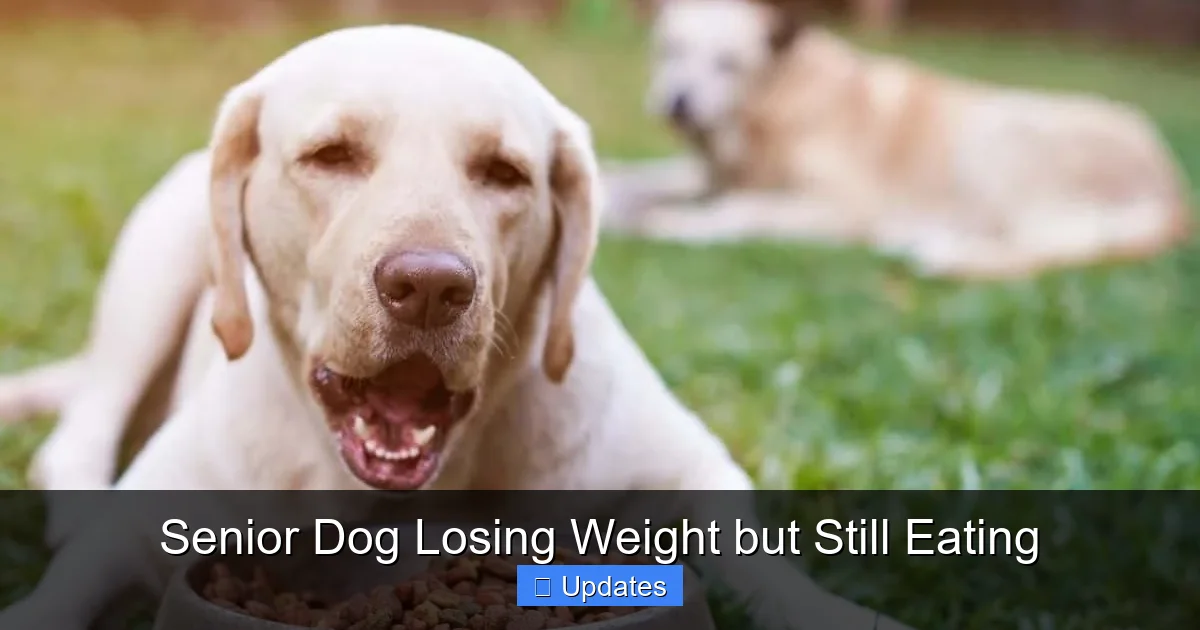
Don’t wait for weight loss to progress further. Schedule a veterinary appointment within 1–2 weeks if your senior dog exhibits any combination of these symptoms:
- Unexplained weight loss exceeding 5–10% of body mass
- Persistent vomiting, diarrhea, or regurgitation
- Excessive thirst or frequent urination
- Loss of interest in activities or social withdrawal
- Labored breathing, coughing, or weakness
- Visible discomfort when touched or moved
Early detection dramatically improves outcomes for treatable conditions like diabetes, cancer, or infections. Many diseases progress silently at first, so don’t rely solely on appetite as an indicator of wellness. A thorough physical exam plus diagnostic tests offers peace of mind—and possibly life-saving intervention.
Your vet may recommend starting with baseline bloodwork and urine analysis. Based on findings, they might suggest advanced imaging (X-rays, ultrasound) or specialist referrals. Remember, catching illness early doesn’t mean aggressive treatment; sometimes managing a chronic condition gently preserves comfort and quality of life far longer than waiting until crisis point.
What to Expect During the Vet Visit
Prepare for your appointment by noting:
– Exact timeframe when weight loss began
– Changes in eating habits (more/less/food preferences)
– Bathroom routine modifications
– Energy level fluctuations
– Any new behaviors or vocalizations
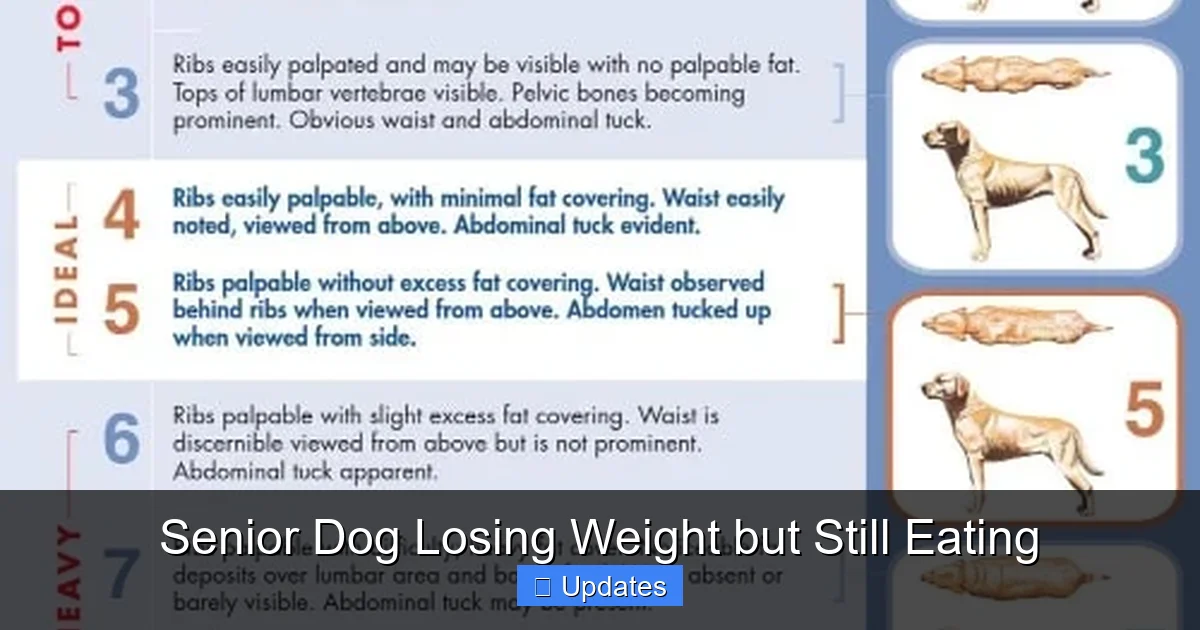
Bring a stool sample if possible, and bring your dog’s food bag—label ingredients and feeding instructions. The vet will likely perform a comprehensive exam, checking heart rate, respiration, gum color, lymph nodes, abdomen palpation, joint mobility, and neurological response. They’ll also assess body condition score (BCS), a standardized method rating fat and muscle coverage from 1 (emaciated) to 9 (obese).
Diagnostic plan varies by individual risk factors but commonly includes:
– CBC and chemistry panel (liver, kidney, glucose, electrolytes)
– Urinalysis with sediment exam
– Thyroid hormone test (TSH or free T4)
– Fecal exam for parasites
– Abdominal ultrasound (if indicated)
Be honest about your dog’s lifestyle: diet, exercise, environment, and household changes. Stressors like relocation, new pets, or routine disruptions can mimic illness symptoms. Your input helps paint the full clinical picture.
Nutritional Strategies to Support Healthy Weight
Visual guide about Senior Dog Losing Weight but Still Eating
Image source: toegrips.com
Once underlying disease is ruled out or managed, nutrition plays a pivotal role in helping your senior dog regain strength. Senior-specific diets are formulated with higher calorie density, enhanced protein quality, and added fiber or prebiotics to support gut health. Look for formulas featuring real meat as the first ingredient, limited fillers, and no artificial preservatives. Wet food increases palatability and hydration, which benefits dogs with dental pain or reduced thirst drive.
Consider consulting a veterinary nutritionist for custom meal planning, especially if your dog has comorbidities like arthritis, heart disease, or diabetes. Supplements like omega-3 fatty acids (from fish oil) reduce inflammation, while probiotics aid digestion. Joint-support ingredients (glucosamine, chondroitin) improve mobility without adding bulk. Avoid overfeeding—senior dogs metabolize calories less efficiently, increasing obesity risk if unrestricted access is given.
High-Calorie Senior Dog Foods
These commercial options boost energy intake without overwhelming small stomachs:
- Iams Proactive Health Adult Large Breed Chicken & Rice Formula – Balanced protein-carb ratio, supports muscle maintenance
- Wellness CORE Grain-Free Senior Dry Dog Food – High-protein, grain-free, ideal for picky eaters
- Blue Buffalo Life Protection Formula Senior Chicken & Brown Rice Recipe – Contains antioxidants and DHA for cognitive health
- Rachael Ray Nutrish PREMIUM Natural Adult Dry Dog Food – Affordable, widely available, moderate protein content
For dogs reluctant to eat dry kibble, try canned versions like Wellness Complete Health Sensitive Stomach & Skin Senior Wet Dog Food or Blue Buffalo Homestyle Recipe Natural Adult Wet Dog Food. Mix wet and dry foods enhances moisture content and flavor variety. Always transition gradually over 7–10 days to prevent upset stomach.
Home-Cooked Meals for Picky Eaters
If commercial food isn’t appealing, home-prepared meals under veterinary guidance can work wonders. A simple recipe might include boiled chicken breast, cooked sweet potato, green beans, and a teaspoon of olive oil per serving. Avoid onions, garlic, grapes, xylitol, and excessive salt—all toxic to dogs. Consult your vet before starting homemade diets to ensure balanced nutrition.
Supplement with calcium powder if feeding bones (never raw), and add multivitamins designed for dogs. Freeze portions for convenience. Offer smaller, more frequent meals throughout the day to combat low appetite or sensitive digestion.
Lifestyle Adjustments for Comfort and Mobility
Visual guide about Senior Dog Losing Weight but Still Eating
Image source: koala.sh
Beyond nutrition, environmental tweaks enhance your dog’s ability to consume adequate calories. Soft bedding prevents pressure sores if mobility declines. Non-slip mats in eating areas reduce anxiety and encourage relaxed mealtime. Elevated feeders benefit dogs with neck or back stiffness—they shouldn’t hunch over their bowls.
Exercise remains vital but should be gentle and tailored to your dog’s stamina. Short, frequent walks, swimming, or fetch sessions keep muscles active without strain. Mental stimulation through puzzle toys or scent games distracts from discomfort and encourages calorie expenditure.
Social interaction also matters. Isolation worsens depression, which suppresses appetite. Include your dog in family routines, offer verbal praise during meals, and avoid punishing negative behaviors related to hunger or thirst. Positive reinforcement builds trust and strengthens bond.
Managing Dental Pain
Poor dentition often goes unnoticed but severely impacts eating. Tartar buildup, gum recession, or loose teeth make chewing painful. Signs include drooling, pawing at face, bad breath, or preferring soft food. Annual dental cleanings under anesthesia are safest, but daily brushing and dental chews help maintain oral hygiene. If your dog refuses hard treats, soak kibble in warm broth or use softened senior food.
Creating a Calm Feeding Environment
Stress reduces appetite. Choose quiet, draft-free spots away from noisy appliances or other pets. Remove distractions like televisions or children running nearby during mealtimes. Use slow-feeder bowls if your dog gulps food too quickly, which can cause bloating or vomiting. Consider warming food slightly to release aroma—dogs rely heavily on smell to trigger hunger.
Monitoring Progress and Quality of Life
Track progress systematically. Weigh your dog weekly using a digital kitchen scale (grams precision). Record food intake, stool consistency, activity level, and any behavioral changes. Photograph from the same angle monthly to compare body contour objectively. Share logs with your vet during visits.
Quality of life (QoL) assessment tools exist to guide difficult decisions. Factors include appetite, pain level, mobility, grooming ability, fearfulness, and enjoyment of life. Score each area 1–10; if scores drop below 6 consistently, discuss prognosis with your veterinarian. Remember, comfort trumps longevity—sometimes palliative care provides better outcomes than aggressive treatment.
When to Consider Humane End-of-Life Choices
No one wants to think about this, but recognizing suffering is compassionate. Persistent weight loss with no improvement despite treatment may signal terminal illness. Signs include inability to stand, constant pain, refusal of all food/water, or labored breathing. Euthanasia prevents prolonged suffering and allows dignified closure. Discuss options early with your vet to avoid emergency situations.
Preventative Care for Future Wellness
Prevention starts now. Annual wellness exams for dogs over 7 include bloodwork panels even if asymptomatic. Vaccinations, parasite control, and nutritional counseling form the foundation of senior health. Keep vaccinations current per your vet’s schedule, and administer flea/tick/mouthworm prevention year-round in endemic areas.
Consider holistic approaches like acupuncture, massage therapy, or CBD oil (under supervision) to manage chronic pain. Monitor weight monthly and adjust food portions accordingly. Never assume “he’s just skinny”—early action saves lives.
Building a Stronger Bond Through Observation
Being attentive to subtle cues deepens connection. Note tail wags, eye contact, vocalizations, and body language. Respond promptly to changes—your vigilance is your dog’s best defense against hidden illness.
Conclusion: You’re Not Alone
Watching your senior dog lose weight while still eating is frightening, but knowledge is power. Most causes are manageable with timely veterinary care and loving support. Whether it’s diabetes, kidney disease, or simple aging, your proactive approach makes all the difference. Trust your instincts—if something feels off, seek professional advice. And remember, quality of life matters more than quantity. By combining medical oversight with thoughtful nutrition and comfort measures, you give your dog the gift of dignity and joy in golden years. Stay observant, stay connected, and cherish every moment together.
Frequently Asked Questions
Can senior dogs lose weight from stress or anxiety?
Yes, chronic stress can suppress appetite indirectly or lead to muscle wasting through elevated cortisol levels. Environmental changes, loud noises, or separation anxiety may contribute. Address underlying triggers and consult your vet about calming aids or pheromone diffusers.
Is it safe to increase food portions to help a senior dog gain weight?
Temporarily increasing portions under veterinary guidance is generally safe for healthy seniors. However, overfeeding risks obesity and exacerbates joint or cardiac issues. Always monitor closely and adjust based on weight trends rather than guesswork.
How often should I weigh my senior dog?
Weigh your dog once weekly using a digital scale. Record results in a journal or app. Sudden drops indicate concern; steady minor losses may reflect natural aging. Share logs with your vet during exams.
Can dental disease cause weight loss in senior dogs?
Absolutely. Painful teeth, gums, or oral tumors make chewing difficult, leading to reduced food intake or preference for soft, low-calorie foods. Regular dental cleanings and daily care prevent this common but avoidable problem.
Are there supplements that help senior dogs gain weight?
Omega-3 fatty acids, probiotics, and high-quality protein powders can support appetite and nutrient absorption. Consult your vet before adding supplements to avoid imbalance. Never replace prescribed medications with unregulated products.
Will my senior dog ever stop eating altogether?
While some dogs experience reduced appetite as part of aging, complete cessation is abnormal and urgent. Immediate veterinary attention is required if your dog refuses food for 24+ hours. Early intervention improves survival odds for many conditions.