
Senior Dog Food for Small Dogs


Adult Coloring Book

Gardening Kneeler Bench

Jar Opener for Weak Hands
As your small dog enters their golden years, their nutritional needs shift dramatically. Senior dog food for small dogs is specially formulated to support joint health, maintain lean muscle, and ease digestion. Choosing the right formula can mean the difference between a comfortable retirement and ongoing discomfort.
When your little companion reaches their senior years, you notice subtle changes—maybe they’re not chasing squirrels quite like they used to, or they hesitate before jumping onto the couch. These aren’t just signs of aging; they’re clues that your small dog’s body is asking for something different. That’s where senior dog food for small dogs comes in. It’s not just another bag of kibble—it’s a carefully crafted diet designed to meet the unique needs of older, smaller breeds.
Small dogs mature faster and live longer than larger breeds, which means their senior years arrive earlier and last longer. By age seven, many small dogs are considered seniors—sometimes even younger. During this stage, metabolism slows, mobility can decrease, and organs begin working less efficiently. Without the right nutrients, these changes can accelerate health problems like arthritis, obesity, kidney issues, and digestive troubles. But with proper nutrition, you can help your pup stay vibrant, active, and comfortable well into their twilight years.
Choosing the right senior dog food isn’t about guessing. It’s about understanding what your aging small breed really needs: fewer calories but more nutrients, joint-friendly ingredients, easy-to-digest proteins, and support for cognitive and immune function. In this guide, we’ll walk you through everything you need to know—from decoding ingredient lists to spotting top-rated brands—so you can make an informed choice that keeps your furry friend thriving.
Key Takeaways
- Small breed seniors need calorie-dense but low-fat diets. Their metabolism slows, so high-calorie foods lead to weight gain and arthritis.
- Joint support is essential. Look for glucosamine, chondroitin, and omega-3 fatty acids to protect hips and knees.
- Easier digestion matters more than ever. Senior small dogs often struggle with food sensitivities and weaker enzyme systems.
- Dental health declines with age. Soft or kibble designed for dental care helps reduce plaque buildup.
- Hydration is key—even in dry food. Wet food or adding water increases fluid intake, vital for kidney function.
- Transition slowly to avoid upset stomachs. A 7–10 day switch helps maintain digestive balance.
- Always consult your vet before switching. Underlying conditions like diabetes or heart disease may require special formulas.
📑 Table of Contents
- Why Small Dogs Need Specialized Senior Nutrition
- What to Look for in Senior Dog Food for Small Dogs
- Top Brands for Senior Dog Food for Small Dogs
- Wet vs. Dry: Which Is Better for Senior Small Dogs?
- Special Dietary Needs for Aging Small Dogs
- How to Transition Your Senior Small Dog Safely
- Signs Your Senior Small Dog Isn’t Getting Enough Nutrition
- The Role of Supplements in Senior Dog Nutrition
- Making Senior Years Comfortable and Joyful
Why Small Dogs Need Specialized Senior Nutrition
While all senior dogs benefit from adjusted diets, small dogs have distinct nutritional requirements that differ from both large breeds and medium-sized seniors. For starters, small dogs typically have higher metabolisms relative to their size, but as they age, that metabolic fire dims quickly. This makes them prone to rapid weight gain if fed adult or puppy formulas meant for higher-energy animals.
Additionally, small breed dogs often suffer from dental issues, mobility challenges, and sensitive stomachs earlier than bigger dogs. Their teeth wear down faster, making hard kibble painful. Their joints—especially knees and elbows—are under constant stress due to compact anatomy. And because their digestive tracts are shorter, they absorb nutrients differently and react more strongly to food changes.
That’s why general-purpose senior foods don’t cut it for most small dogs. You need a formula specifically engineered for senior dog food for small dogs, one that balances lower fat content with higher protein quality, includes anti-inflammatory agents, and offers softer textures when needed.
What to Look for in Senior Dog Food for Small Dogs
Not all senior dog foods are created equal—and certainly none are made equal for small breeds. When shopping, focus on these critical factors:
Calorie Control Without Sacrificing Nutrients
Senior small dogs need fewer calories to maintain a healthy weight, but they still require high-quality protein to preserve muscle mass. Avoid foods with excessive fillers like corn or wheat, which add empty calories. Instead, look for animal-based proteins such as chicken meal, salmon, or turkey as the first ingredient.
Joint Support Ingredients
Glucosamine and chondroitin are must-haves for protecting cartilage and reducing inflammation. Omega-3 fatty acids from fish oil also play a crucial role. These compounds help lubricate joints, ease stiffness, and improve mobility—especially important for breeds like Chihuahuas, Pomeranians, and Dachshunds prone to disc disease.
Digestive Health Formulas
Many older small dogs experience gastrointestinal slowdowns or food intolerances. Foods containing prebiotics (like chicory root) and probiotics support gut flora, while easily digestible proteins reduce strain on the pancreas and liver. If your dog has a sensitive stomach, consider limited-ingredient diets or hypoallergenic options.
Dental Care Integration
Hard kibble can actually help clean teeth, but if your dog has bad breath, loose teeth, or refuses to eat crunchy food, soft or wet senior formulas may be better. Some dry foods come with dental benefits built-in—look for kibble shaped to scrape plaque off tooth surfaces.
Balanced Electrolytes and Hydration
Kidney function naturally declines with age. Wet food increases overall fluid intake, which supports kidney health. Dry foods should contain balanced levels of phosphorus and sodium to prevent strain on aging kidneys.
Top Brands for Senior Dog Food for Small Dogs
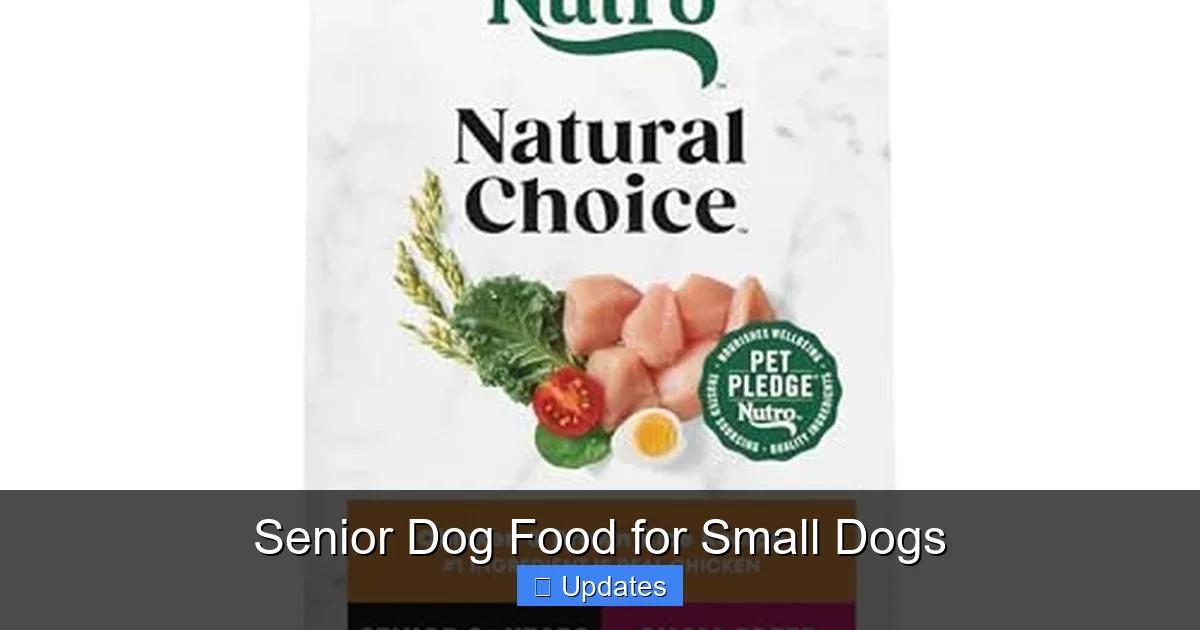
Visual guide about Senior Dog Food for Small Dogs
Image source: m.media-amazon.com
Several reputable brands specialize in senior formulas tailored to small breeds. Here are some standout choices:
- Iams ProActive Health Senior Small Breed: Known for its balanced macronutrients and added L-carnitine to maintain lean muscle. Contains antioxidants for immune support.
- Royal Canin Small Adult 8+: One of the most trusted names, this formula uses precise kibble dimensions to encourage chewing while supporting urinary tract health.
- Hill’s Science Diet Small Paws Senior: Veterinarian-recommended, with omega-6 fatty acids for skin health and reduced phosphorus for kidney care.
- Blue Buffalo Life Protection Formula Senior Small Breed: Features real chicken, brown rice, and includes LifeSource Bits—a blend of vitamins and minerals.
- Rachael Ray Nutrish Natural Senior Small Breed: Affordable yet nutritious, using farm-raised meats and no artificial preservatives.
Each of these brands offers both dry and wet options, giving you flexibility based on your dog’s preferences and dental needs. For example, if your senior small dog struggles with chewing, pairing a soft canned food with slightly softened dry kibble can be ideal.
Wet vs. Dry: Which Is Better for Senior Small Dogs?

Visual guide about Senior Dog Food for Small Dogs
Image source: m.media-amazon.com
The debate between wet and dry senior dog food isn’t new—but it’s especially relevant for small breed seniors. Both have advantages:
Benefits of Wet Food
Wet food provides up to 70% moisture, which is excellent for hydration and kidney function. It’s also gentler on sensitive teeth and easier to chew for dogs with gum disease. Many owners mix wet food with dry kibble to boost palatability without sacrificing crunch.
Advantages of Dry Food
Dry kibble helps scrub plaque from teeth as dogs chew, supports dental health, and stays fresh longer on shelves. It’s also more economical per meal. However, if your dog drinks little water or has advanced dental issues, dry food alone may not suffice.
Ultimately, the best approach often combines both. Try offering a half-and-half ratio initially, then adjust based on your dog’s appetite, stool quality, and energy levels. You might also consider fresh dog food for senior dogs—a growing trend offering human-grade ingredients with minimal processing.
Special Dietary Needs for Aging Small Dogs
Every senior dog is unique, but small breeds often face specific health concerns that influence food choices:
Dental Sensitivity
If your dog resists eating or drools excessively after meals, dental pain could be the culprit. Switch to best soft dog food for senior dogs or consider grinding dry kibble into a crumble. Dental chews (like those reviewed at https://seniorsprotalk.com/dental-chews-for-senior-dogs/) can complement nutrition by mechanically cleaning teeth.
Weight Management
Obesity accelerates joint damage and shortens lifespan. Use measuring scoops strictly—don’t free-feed—and opt for portion-controlled kibble. Treats should make up no more than 10% of daily caloric intake.
Food Allergies and Sensitivities
Common allergens include beef, dairy, wheat, and soy. Limited-ingredient diets with novel proteins (like duck or venison) can help identify triggers. If your dog throws up frequently or develops chronic ear infections, an elimination diet supervised by your vet may be necessary.
Kidney and Liver Support
As dogs age, organ efficiency drops. Foods with controlled phosphorus, moderate sodium, and added antioxidants help protect these vital systems. Wet foods naturally aid kidney health through increased hydration.
How to Transition Your Senior Small Dog Safely
Switching foods too fast can cause diarrhea, vomiting, or loss of appetite. Follow this gradual plan over 7–10 days:
- Days 1–3: Mix 25% new food with 75% old food.
- Days 4–6: Increase to 50% new, 50% old.
- Days 7–9: Go to 75% new food.
- Day 10+: Fully transition to the new formula.
Monitor stool consistency, energy levels, and coat condition throughout. If issues arise, slow the process down. Remember, patience pays off—your dog’s comfort is worth the wait.
Signs Your Senior Small Dog Isn’t Getting Enough Nutrition
Even with premium dog food for small senior dogs, deficiencies can sneak up if formulas aren’t matched to individual needs. Watch for:
- Lethargy or decreased interest in walks
- Thinning coat or dull fur
- Increased thirst or frequent urination
- Difficulty rising or reluctance to climb stairs
- Bad breath or pawing at the mouth
- Sudden weight loss or gain
If you notice any of these, schedule a vet visit. Bloodwork can reveal hidden issues like thyroid imbalance or early-stage kidney disease that affect dietary requirements.
The Role of Supplements in Senior Dog Nutrition
While whole-food nutrition should always come first, supplements can fill gaps—especially for aging small dogs. Common beneficial additions include:
- Fish oil: Boosts omega-3s for skin, coat, and joint health.
- Green-lipped mussel extract: Natural anti-inflammatory with no side effects.
- CBD oil (consult your vet): May reduce anxiety and pain perception.
- Vitamin E and C: Powerful antioxidants that combat oxidative stress.
Avoid giving human multivitamins—they’re toxic to dogs. Always discuss supplementation with your veterinarian to ensure compatibility with medications or existing conditions.
Making Senior Years Comfortable and Joyful
Nutrition isn’t the only piece of the puzzle. Combine great food with regular vet checkups, gentle exercise, mental stimulation, and plenty of love. Short daily walks, interactive puzzles, and cozy resting areas all contribute to a higher quality of life.
Remember, every small dog ages differently. What works for one Chihuahua might not suit another. Stay observant, stay flexible, and prioritize your pet’s comfort above rigid routines.
Frequently Asked Questions
Is senior dog food necessary for small dogs?
Yes, absolutely. As small dogs age, their metabolism slows, joints wear down, and organ function declines. Regular adult food lacks the targeted nutrients needed to support these changes. Senior dog food for small dogs provides balanced calories, joint support, and digestive aids essential for comfort and longevity.
Can I feed my senior small dog the same food as my young small dog?
No. Young small dogs need high-calorie, energy-rich foods for growth and activity. Senior dogs require fewer calories but higher concentrations of certain vitamins and minerals. Feeding adult food to an older dog can lead to weight gain, joint strain, and nutrient imbalances.
How do I know if my senior small dog is overweight?
Try the “rib test”: gently run your hands along your dog’s sides. You should feel ribs without pressing hard, but not see them prominently. A healthy weight allows easy movement and visible waistline when viewed from above. Consult your vet for a professional assessment, especially if mobility is affected.
Should I choose wet or dry senior food for my small dog?
It depends on your dog’s needs. Wet food supports hydration and is gentler on teeth, ideal for dogs with dental issues. Dry food aids dental health and is more convenient. Many owners combine both—or opt for grain-free dog food for senior dogs if allergies are suspected.
How long does it take to see benefits after switching to senior dog food?
Most dogs show improvements within 2–4 weeks—better coat, more energy, easier digestion. Joint mobility and appetite usually improve sooner than coat quality. Consistency is key; avoid switching again unless advised by your vet.
Are grain-free options safe for senior small dogs?
Grain-free diets aren’t inherently unsafe, but recent FDA investigations linked some grain-free foods to canine dilated cardiomyopathy (DCM). Unless your dog has a diagnosed grain allergy, choose a balanced senior formula with whole grains like oats or barley. Always check with your vet before making major dietary shifts.