
Senior Dog Breathing Sounds Like Snoring


Spill-Proof Adult Cup

Adjustable Bed Wedge Pillow

Folding Walking Cane
Senior dogs often snore or make breathing sounds similar to human snoring due to age-related changes in their airways, weight, or soft tissue. While mild snoring can be normal, persistent loud noises, labored breathing, or other symptoms may signal serious health issues like laryngeal paralysis, heart disease, or respiratory infections. Monitoring your dog’s breathing patterns and consulting your vet early can make a big difference in comfort and quality of life.
Key Takeaways
- Normal vs. concerning snoring: Light snoring during sleep is common in older dogs, especially small breeds, but persistent, loud, or labored breathing needs veterinary attention.
- Common causes include obesity, airway collapse, and soft tissue changes: As dogs age, cartilage weakens, excess weight puts pressure on the throat, and tissues relax, all contributing to snoring-like sounds.
- Laryngeal paralysis is a serious condition: It affects vocal cords and can cause choking, gagging, or difficulty breathing—especially when excited or lying down.
- Pollutants and allergies can worsen breathing: Dust, smoke, mold, or strong odors may irritate airways and increase snoring or coughing in sensitive senior dogs.
- Weight management and environmental adjustments help: Maintaining a healthy weight, using elevated beds, and reducing allergens can reduce snoring and improve sleep quality.
- Vet evaluation is key for diagnosis: A veterinarian can determine if snoring stems from treatable conditions like infections, tumors, or heart issues requiring intervention.
- Quality of life matters most: If breathing problems interfere with eating, sleeping, or daily activity, it’s important to discuss options with your vet.
📑 Table of Contents
- Why Does My Senior Dog Sound Like They’re Snoring?
- Is Snoring Normal for Older Dogs?
- Top Causes of Snoring-Like Breathing in Senior Dogs
- How to Tell If Your Dog’s Snoring Is Serious
- Simple Ways to Help Your Senior Dog Breathe Easier
- When to See a Veterinarian
- Improving Quality of Life for Your Senior Dog
- Conclusion: You’re Not Alone
Why Does My Senior Dog Sound Like They’re Snoring?
As our furry companions grow older, we begin to notice subtle—and sometimes not-so-subtle—changes in their behavior, movement, and even their breath. One of the most common concerns among pet parents is hearing their senior dog breathe with a sound reminiscent of human snoring. This might seem harmless at first, but understanding what’s behind that noise can help you keep your dog comfortable, healthy, and happy in their golden years.
In this article, we’ll explore the reasons why senior dogs snore, when it’s something to worry about, and what you can do to help. Whether you’re dealing with a tiny terrier who snores like a chainsaw or a large breed who just hums softly in their sleep, you’re not alone—and there are steps you can take to ease your mind and your dog’s discomfort.
Is Snoring Normal for Older Dogs?
Visual guide about Senior Dog Breathing Sounds Like Snoring
Image source: dogdiscoveries.com
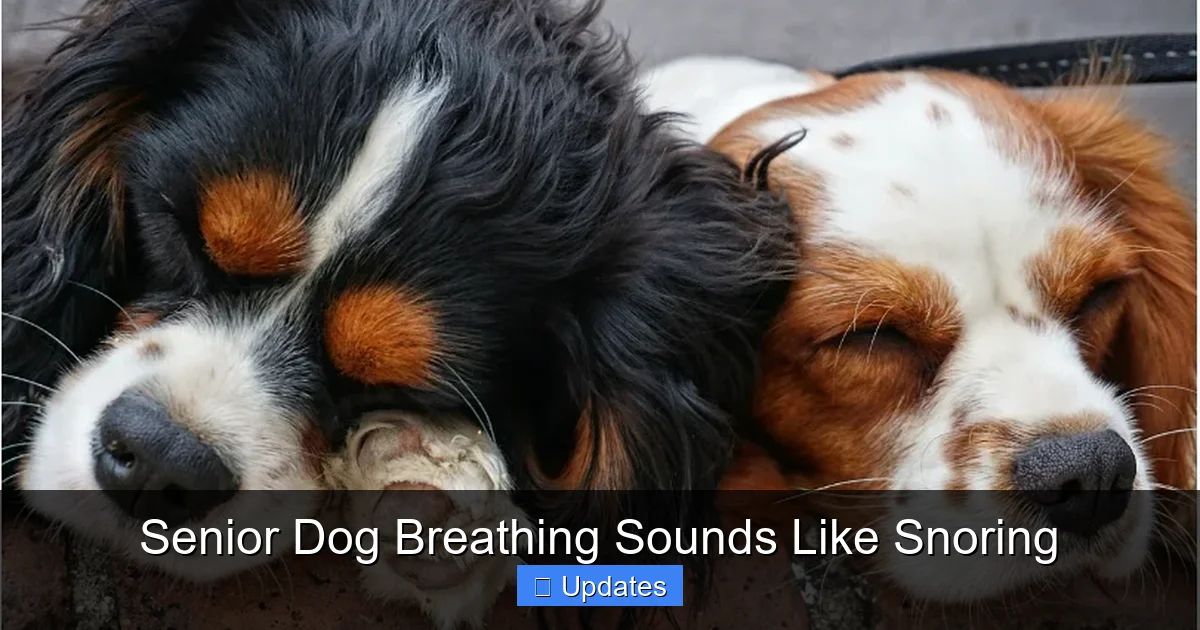
Let’s start with the good news: some level of snoring in senior dogs is completely normal. Just like humans, older dogs can experience changes in their respiratory system due to aging. Their airways may narrow slightly, muscles supporting the throat can weaken, and excess fat around the neck area can put pressure on the trachea (windpipe). All these factors contribute to vibrations that produce snoring sounds—especially during sleep.
Smaller breeds such as poodles, Maltese, Yorkshire terriers, and Chihuahuas are particularly prone to snoring because they have shorter airways. But don’t assume only little dogs do it—large breeds like Great Danes or bulldogs can also snore heavily due to brachycephalic anatomy (flat faces) or weight gain over time.
Still, while occasional light snoring isn’t usually a red flag, you should pay attention if the sound becomes louder, more frequent, or is accompanied by other symptoms like coughing, wheezing, gasping, or difficulty breathing. These could indicate an underlying medical issue needing prompt attention.
Top Causes of Snoring-Like Breathing in Senior Dogs
Visual guide about Senior Dog Breathing Sounds Like Snoring
Image source: nextfitlife.com
Understanding the root cause helps determine whether treatment is needed and what kind of support your dog might need. Here are the most common culprits behind senior dog snoring:
1. Weight Gain and Obesity
Extra pounds around the neck and chest can compress the trachea and make breathing noisier. Over time, even a modest weight gain can significantly affect airflow. Obesity also increases strain on joints and the cardiovascular system, which can indirectly impact breathing efficiency.
If your senior dog has always been active but recently gained weight, consider reviewing their diet and exercise routine. Reducing calorie intake slightly and increasing low-impact activities like short walks can make a big difference. For dogs struggling with weight management, switching to a high-protein, low-fat senior formula may help. Consider exploring options like Iams Senior Dog Food For Small Breeds or Grain Free Dog Food For Senior Dogs, both designed to support lean muscle mass while minimizing fillers that contribute to weight gain.
2. Airway Collapse or Soft Tissue Relaxation
With age, cartilage in the trachea can weaken and lose elasticity. In some cases, the windpipe partially collapses during inhalation, creating turbulent airflow that leads to snoring or even a honking cough. This condition is more common in smaller breeds but can occur in any dog over 7–8 years old.
Soft tissues in the throat may also become looser, allowing more vibration when your dog inhales. While this is often harmless, it can occasionally lead to partial blockages, especially during excitement or when lying flat.
3. Laryngeal Paralysis
Laryngeal paralysis is a serious neurological disorder where the vocal cords don’t open properly during breathing. Instead of moving outward to allow air in, they stay closed or fold inward—causing noisy, labored breaths and sometimes gagging or choking sounds.
Symptoms include:
– Loud snoring or raspy breathing
– Gagging after meals or drinking
– Difficulty breathing when excited or sleeping on their back
– Blue-tinged gums (a sign of low oxygen)
This condition requires veterinary intervention. In mild cases, weight loss, humidified air, and avoiding stress may help. More advanced cases might need surgery called a tie-back procedure, where the larynx is permanently opened wider. Early detection dramatically improves outcomes, so never ignore sudden changes in breathing patterns.
4. Respiratory Infections or Chronic Conditions
Just like people, senior dogs are more susceptible to sinus infections, bronchitis, or pneumonia. These can cause mucus buildup, inflammation, and narrowed airways—all leading to snoring-like sounds. Signs to watch for include:
– Persistent coughing
– Nasal discharge (clear, yellow, or green)
– Loss of appetite
– Lethargy
If your dog shows any of these symptoms alongside snoring, schedule a vet visit immediately. Antibiotics or anti-inflammatory medications may be necessary depending on the diagnosis.
5. Environmental Irritants and Allergies
Dust, cigarette smoke, mold spores, strong perfumes, or even new cleaning products can irritate your dog’s airways. Senior dogs with weakened immune systems are especially vulnerable. Allergic reactions can cause swelling in the throat or nasal passages, making breathing noisier and more difficult.
Try eliminating potential triggers at home. Use HEPA filters, avoid scented candles or sprays near your dog, and ensure good ventilation. If allergies are suspected, your vet may recommend antihistamines or allergy testing.
6. Dental Issues and Oral Disease
Believe it or not, bad teeth or gum disease can contribute to noisy breathing! When bacteria from infected teeth spread into the throat or sinuses, it can cause swelling or infection that blocks airflow. Plus, painful chewing may cause your dog to swallow less efficiently, increasing saliva and mucus production.
Regular dental checkups and cleanings are crucial for senior dogs. Ask your vet about safe toothbrushing routines or dental chews. Foods like Best Canned Dog Food Senior or Fresh Dog Food For Senior Dogs with softer textures can also reduce strain on sore gums.
How to Tell If Your Dog’s Snoring Is Serious
Visual guide about Senior Dog Breathing Sounds Like Snoring
Image source: dogbreedpro.com
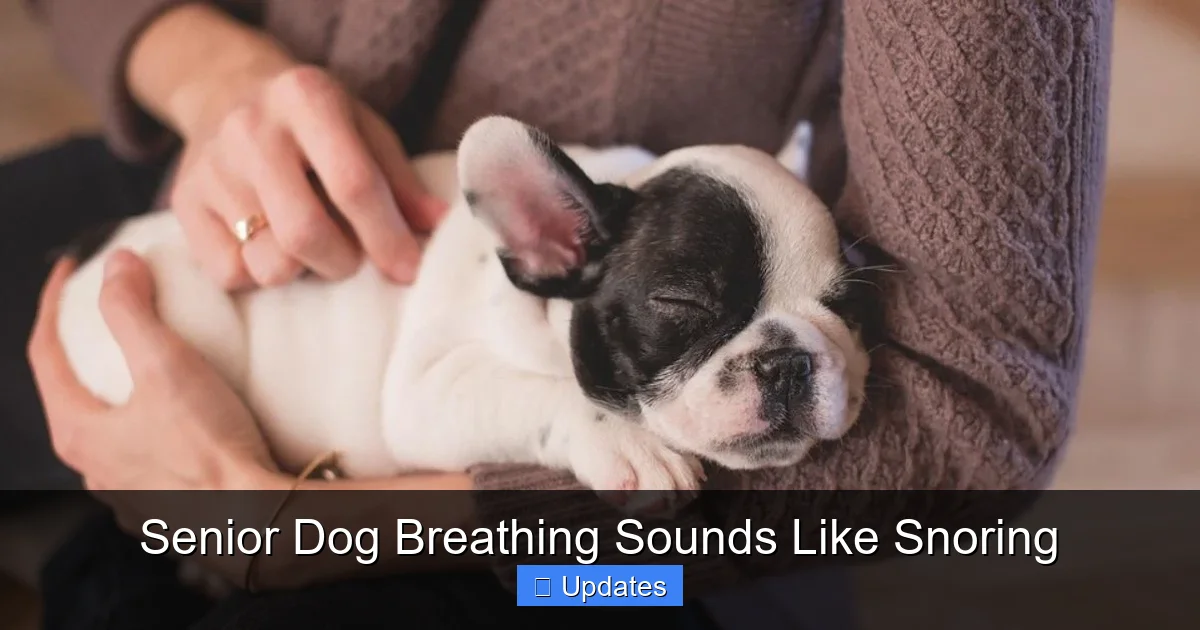
Not every snore means trouble—but knowing the difference between normal aging and warning signs saves lives. Here’s how to assess the situation:
When to Worry:
- The snoring started suddenly and hasn’t improved over days
- Your dog makes choking, gagging, or wheezing sounds
- They pant excessively even when resting or sleeping
- Gums appear pale blue or gray (cyanosis)
- Loss of appetite or difficulty eating/drinking
- Reluctance to lie down or walk
What’s Likely Safe:
- Light snoring only during sleep
- No change in energy levels or appetite
- Breathing returns to normal when sitting upright
- Snoring occurs infrequently (e.g., once every few nights)
If you’re unsure, trust your instincts. A quick call to your vet can prevent unnecessary anxiety—or catch a problem early.
Simple Ways to Help Your Senior Dog Breathe Easier
Even if your dog’s snoring isn’t caused by a serious illness, there are plenty of ways to improve their comfort and reduce noise. Small lifestyle tweaks can make a surprising difference.
Maintain a Healthy Weight
Obesity is one of the biggest modifiable risk factors for snoring. Talk to your vet about a tailored diet plan. Wet foods like Wellness Senior Dog Food Wet offer hydration and easy digestion, which supports overall respiratory health. Avoid overfeeding treats; opt for low-calorie options instead.
Elevate Their Bed
Sleeping flat on their back can worsen airway obstruction. Try placing your dog’s bed on a slight incline using books, foam wedges, or a specially designed raised bed. This keeps the head above the chest, easing breathing.
Keep the Air Clean and Humid
Dry, dusty environments irritate airways. Run a cool-mist humidifier in your bedroom at night. Also, vacuum regularly, wash bedding weekly, and eliminate smoking indoors.
Minimize Stress and Excitement Before Bed
Stressed dogs breathe differently—and often louder. Create a calm pre-sleep routine: quiet play, gentle massage, or soothing music. Avoid vigorous exercise right before bedtime.
Monitor for Changes
Keep a log of when snoring occurs, how long it lasts, and any accompanying symptoms. Share this info with your vet during checkups—it helps track progression and guide treatment.
When to See a Veterinarian
While many cases of senior dog snoring are benign, certain scenarios demand professional evaluation. Schedule a vet appointment if your dog:
– Shows signs of distress while breathing
– Has recurrent episodes of gagging or choking
– Develops nasal discharge or persistent cough
– Seems lethargic or uninterested in food/water
– Panting continues beyond normal post-exercise recovery
Your vet may perform a physical exam, listen to lung and heart sounds, or recommend imaging (X-rays, CT scan) or bloodwork to rule out infections, heart disease, or tumors. In rare cases, referral to a veterinary specialist (like a pulmonologist or neurologist) might be needed.
Remember: early intervention improves both prognosis and quality of life. Don’t wait until symptoms escalate.
Improving Quality of Life for Your Senior Dog
Ultimately, the goal isn’t just to stop the snoring—it’s to ensure your dog remains comfortable, engaged, and pain-free. Even if the cause is chronic, simple adjustments can keep them happy:
– Offer softer, easily chewable food if dental issues exist
– Provide cozy, supportive bedding with orthopedic padding
– Spend quiet time together—reading, cuddling, or short strolls
– Celebrate small victories: a full night’s sleep, a playful romp, a relaxed sigh
And remember: love is the best medicine. Your presence alone can reduce anxiety and make breathing feel easier.
For deeper insights into managing senior dog care, consider exploring resources like the Senior Dog Quality Of Life Calculator, which helps you objectively assess your pet’s well-being.
Conclusion: You’re Not Alone
Hearing your senior dog breathe like they’re snoring can be unsettling—but it doesn’t always mean something’s wrong. Many older dogs naturally develop louder breathing due to age, breed traits, or minor anatomical shifts. With proper monitoring, supportive care, and timely vet visits when needed, most dogs continue enjoying good health and happiness well into their senior years.
Stay observant, stay proactive, and don’t hesitate to reach out for help. After all, your dog relies on you to speak up when something feels off—even if it’s just a little extra rasp in their breath.
—
Frequently Asked Questions
Is it normal for senior dogs to snore?
Yes, mild snoring in older dogs is common due to airway changes, weight gain, or relaxed throat tissues. However, if it’s loud, persistent, or accompanied by coughing or gagging, consult your vet.
Can I prevent my senior dog from snoring?
You can reduce snoring by maintaining a healthy weight, elevating their bed, keeping air clean, and minimizing irritants like smoke or dust. Dietary changes, like feeding Best Dry Dog Food For Senior Dog, may also help.
Should I be worried if my senior dog snores every night?
Nightly snoring isn’t automatically dangerous, but monitor for other symptoms like choking, blue gums, or lethargy. If concerned, a vet exam can rule out serious conditions like laryngeal paralysis.
What does laryngeal paralysis look like in dogs?
Symptoms include loud raspy breathing, gagging after drinking, difficulty breathing when lying down, and reluctance to exercise. Surgery may be recommended for severe cases.
Can allergies cause snoring in senior dogs?
Yes, inhaled allergens like pollen, mold, or household chemicals can inflame airways and lead to noisy breathing. Eliminating triggers and using air purifiers may provide relief.
How can I tell if my dog’s snoring is serious?
Seek veterinary care if your dog shows signs of distress, has trouble eating, appears blue around the gums, or exhibits repeated gagging/choking episodes alongside snoring.