
Senior Dog Brain Tumor Progression Timeline


Spill-Proof Travel Mug

Slow Cooker Crock Pot

Electric Mobility Scooter
Brain tumors in senior dogs can develop rapidly and often go unnoticed until symptoms become severe. Understanding the progression timeline helps owners make informed decisions about care and quality of life. Early detection and veterinary intervention significantly improve outcomes and comfort for both dogs and their families.
When our senior dogs start acting differently—walking in circles, bumping into furniture, or seeming confused—it can break our hearts. These aren’t just quirks; they might be early signals of something serious, like a brain tumor. As loving pet parents, we want answers fast, but knowing what to look for and how quickly things can change makes all the difference.
Brain tumors in older dogs are more common than many realize. They can develop quietly at first, then progress rapidly once symptoms appear. The good news? Recognizing the senior dog brain tumor progression timeline empowers you to act sooner, seek the right treatments, and keep your furry friend as comfortable as possible during this tough time.
In this article, we’ll walk through each stage of tumor development, explain what symptoms to watch for, and share practical tips to help you navigate this journey with confidence and compassion.
Key Takeaways
- Early signs are subtle: Behavioral changes like confusion or altered sleep patterns may be mistaken for normal aging.
- Seizures are a red flag: Sudden seizures or head tilting often indicate neurological involvement and require immediate vet attention.
- Progression accelerates: Tumors typically grow from weeks to months, with symptom severity increasing as pressure builds in the skull.
- Treatment depends on location: Surgical removal, radiation, or chemotherapy may be options based on tumor type and accessibility.
- Quality of life matters most: Monitoring your dog’s comfort and daily function helps guide care decisions.
- End-stage care is compassionate: Knowing when to focus on comfort rather than cure reduces suffering for all involved.
📑 Table of Contents
What Is a Brain Tumor in Dogs?
A brain tumor occurs when abnormal cells grow uncontrollably inside the skull. In senior dogs, most brain tumors are called gliomas—they originate from glial cells that support nerve tissue. Unlike cancers in humans, these tumors rarely spread elsewhere in the body, but they still cause big problems because the skull has no room to expand.
Because the brain controls everything from movement to memory to emotion, even small tumors can disrupt normal function. Over time, increased pressure inside the skull leads to swelling (edema), reduced blood flow, and damage to healthy brain tissue. That’s why understanding how quickly these tumors grow and how symptoms evolve is so critical.
Types of Canine Brain Tumors
Not all brain tumors are alike. Some grow slowly and may never cause major issues if caught early. Others grow aggressively and need urgent care. Here are the most common types seen in older dogs:
– **Meningiomas**: Usually slow-growing and attached to the protective membranes around the brain. Often treatable with surgery.
– **Gliomas**: Come from brain tissue itself—more aggressive and harder to remove surgically.
– **Metastatic tumors**: Rare, but sometimes cancers from other organs (like the lung or skin) travel to the brain.
– **Lymphoma**: A type of cancer that can invade the central nervous system.
Knowing the likely type helps veterinarians plan the best course of action. For example, meningiomas have a better prognosis when removed completely, while gliomas may require ongoing management.
The Senior Dog Brain Tumor Progression Timeline
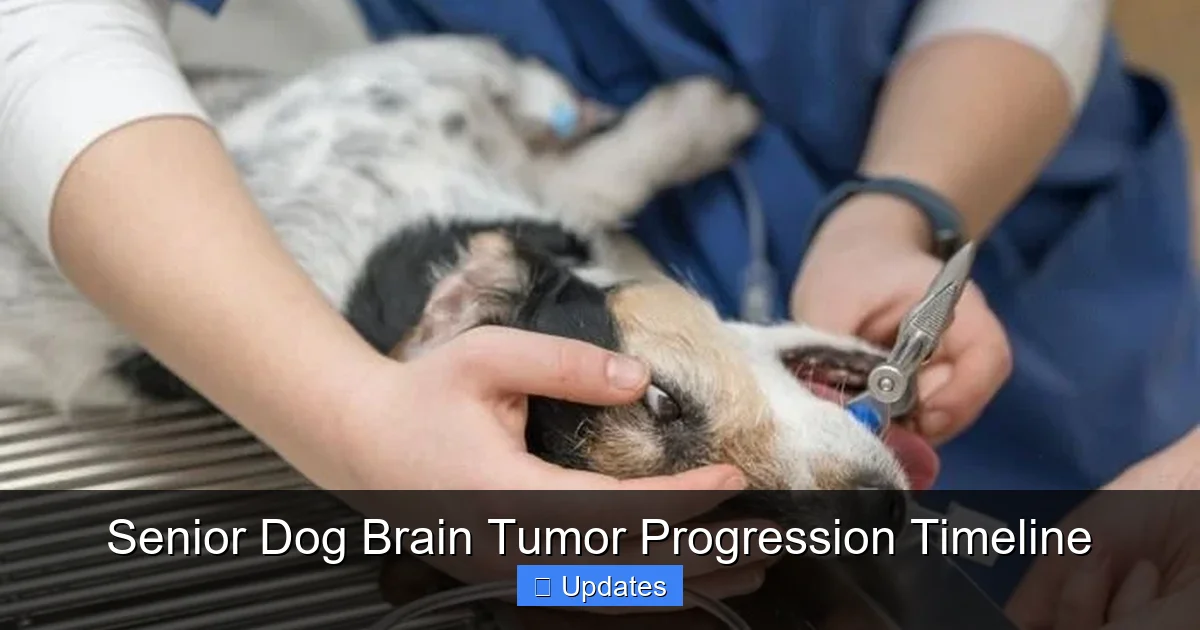
Visual guide about Senior Dog Brain Tumor Progression Timeline
Image source: wewantdogs.co.uk
Every dog is different, but most brain tumors follow a recognizable pattern over several weeks or months. Below is a general timeline based on clinical observations and owner reports. Keep in mind that some dogs remain stable for years, while others decline quickly—especially if the tumor blocks fluid drainage or invades key brain regions.
Stage 1: Early or Subclinical Phase (Weeks to Months)
At this point, your dog may show no obvious symptoms. The tumor is tiny and not pressing hard enough to affect behavior or movement yet. However, subtle clues might start appearing:
– Increased anxiety or restlessness at night
– Mild disorientation after naps
– Slight preference for one side of the house
– Changes in grooming habits—maybe less attention to coat or paws
These signs are easy to dismiss as part of aging. But if you notice them persisting or worsening, it’s worth scheduling a vet visit. Early detection gives you more treatment choices later.
For instance, Buddy, a 10-year-old Golden Retriever, started chewing his front paw obsessively. His owner thought he had arthritis—until Buddy began walking backward down the hallway. An MRI revealed a small meningioma near the cerebellum. Surgery saved his life and mobility.
Stage 2: Mild Neurological Signs (2–6 Weeks)
As the tumor grows, pressure increases, and symptoms become clearer. Your dog might:
– Walk in tight circles or veer to one side
– Have trouble standing up or sitting down
– Show weakness in one limb or facial droop
– Seem unsteady or clumsy during walks
– Lose interest in favorite toys or activities
Behavioral shifts are common too:
– Becoming clingy or unusually quiet
– Sleeping more or having fragmented sleep
– Not recognizing family members or familiar places
This stage is often when owners finally take action. Unfortunately, many wait until seizures occur—a sign the tumor has reached a critical size.
If your senior dog starts panting excessively at night or seems restless, consider checking for underlying causes beyond normal aging. Sometimes, discomfort from a growing mass triggers these reactions.
Stage 3: Moderate to Severe Symptoms (1–3 Months)
Now the tumor is large enough to cause significant neurological damage. Expect:
– Frequent seizures (grand mal or focal)
– Blindness or dilated pupils
– Loss of appetite or sudden weight loss
– Inability to control bladder or bowels
– Aggression or extreme fear due to confusion
Your dog may also develop hydrocephalus—fluid buildup in the brain—which worsens balance and coordination. Without treatment, this stage usually leads to rapid decline.
Take Bella, a 12-year-old Border Collie. She began circling endlessly, then stopped eating entirely. Her vet diagnosed an aggressive glioma and recommended palliative radiation. While not curative, it bought her another month of good days, allowing her family to say goodbye with dignity.
Stage 4: End-Stage Disease (Days to Weeks)
In the final phase, the tumor overwhelms the brain’s ability to function. Symptoms include:
– Continuous seizures or unresponsive state
– Coma or inability to swallow
– Severe weight loss and dehydration
– Labored breathing or vocalizations when distressed
– Refusal to move or eat despite encouragement
At this point, the focus shifts from treatment to comfort. Most owners choose hospice care, pain management, and gentle support. It’s heartbreaking, but letting go with love prevents unnecessary suffering.
Understanding where your dog falls on this timeline helps you prepare emotionally and practically. You’ll know whether to pursue aggressive therapy or prioritize quality of life.
Symptoms to Watch For in Senior Dogs
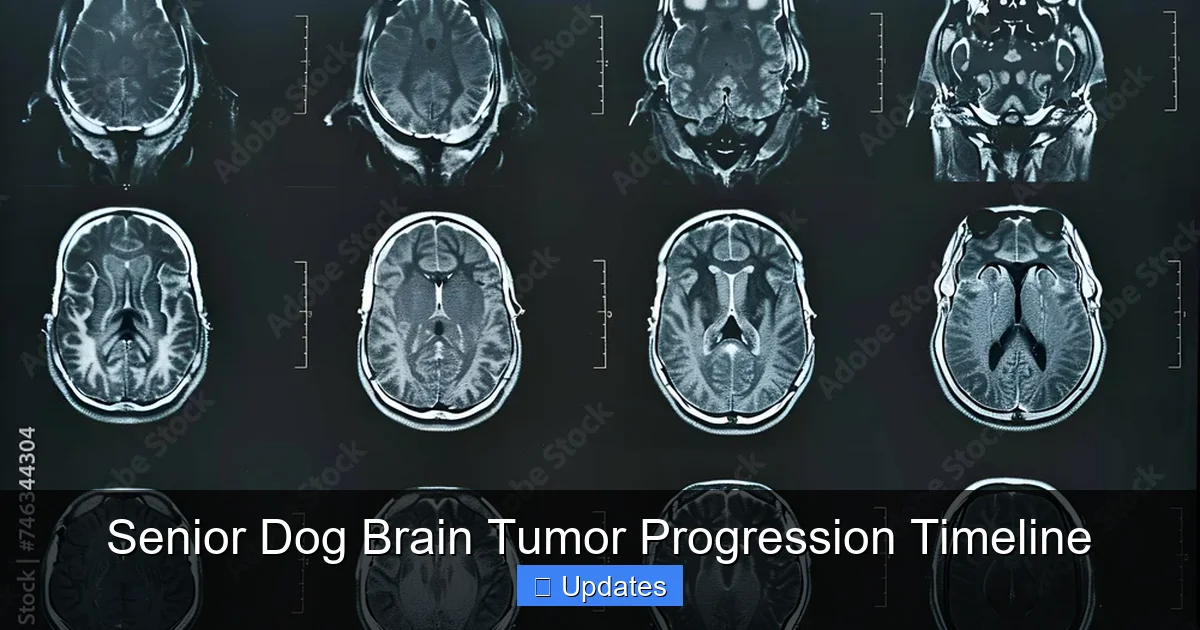
Visual guide about Senior Dog Brain Tumor Progression Timeline
Image source: as2.ftcdn.net
While every case is unique, certain red-flag behaviors demand immediate attention. Keep a simple log noting changes in appetite, sleep, mood, and mobility. Even small entries add up over time.
Common Early Warning Signs
– Head tilting or circling: Indicates inner ear or cerebellar dysfunction.
– Sudden disorientation: Walking into walls or getting stuck in corners.
– Changes in barking or vocalization: More whining, growling, or silence.
– Poor coordination: Tripping on stairs or dropping food repeatedly.
Don’t assume these are “just old dog things.” If they persist beyond two weeks, consult your vet. Early imaging (MRI or CT scan) can confirm or rule out tumors before symptoms escalate.
Also, monitor hydration and bathroom habits. Senior dogs with brain tumors often lose bowel control earlier than expected—another reason to track daily routines closely.
When to Seek Emergency Care
Go straight to the clinic if your dog experiences:
– A seizure lasting more than 2 minutes
– Collapse or loss of consciousness
– Sudden blindness or unresponsiveness
– Vomiting repeatedly or unable to keep water down
These could signal a medical emergency requiring stabilization. Waiting risks permanent injury or death.
Remember, even if the vet suspects a tumor, they’ll need advanced diagnostics to pinpoint the problem. Don’t delay—early intervention saves lives.
Diagnosis and Treatment Options

Visual guide about Senior Dog Brain Tumor Progression Timeline
Image source: d2zp5xs5cp8zlg.cloudfront.net
Diagnosing a brain tumor involves imaging, physical exams, and sometimes spinal taps. Once confirmed, treatment depends on tumor type, location, and overall health.
Diagnostic Process
Your vet will likely recommend:
– Neurological exam to test reflexes, eye movement, and balance
– MRI or CT scan for detailed pictures of the brain
– Bloodwork to check organ function and rule out infections
Sometimes, a biopsy is needed, but surgery carries risks. In many cases, imaging alone provides enough info to plan next steps.
Treatments Available
Options vary widely:
– Surgery: Best for accessible tumors like meningiomas. Goal is complete removal.
– Radiation therapy: Helps shrink tumors and delay regrowth. Requires multiple sessions.
– Chemotherapy: Less effective for brain tumors due to blood-brain barrier, but may slow growth.
– Palliative care: Pain meds, steroids, and supportive measures to maintain comfort.
Cost and recovery time matter too. Large-breed seniors may struggle with anesthesia risks. Discuss pros/cons openly with your vet.
For example, Max, a 9-year-old Boxer, had a removable meningioma. After surgery, he recovered well and lived comfortably for another year with regular checkups.
Supporting Your Senior Dog Through Treatment
Caring for a dog with a brain tumor takes patience, flexibility, and emotional strength. Here’s how to ease the journey:
– Create a safe space: Remove sharp corners, rugs, and stairs. Use non-slip mats.
– Stick to routines: Consistent feeding, walks, and bedtime reduce stress.
– Monitor seizures: Note duration, frequency, and triggers. Keep a journal.
– Offer soft foods: If swallowing is hard, try canned senior dog food or homemade meals (see our guide on homemade dog food for senior dogs).
– Limit stimulation: Loud noises or too much activity can confuse or agitate your dog.
Nutrition plays a big role. Senior dogs with brain tumors often lose interest in dry kibble. Wet food or blended diets make mealtime easier. Always consult your vet before switching formulas.
Also, consider mobility aids like dog wagons for large senior dogs if walking becomes impossible. Comfort shouldn’t come at the cost of dignity.
Quality of Life and End-of-Life Decisions
No one wants to think about saying goodbye, but preparing early reduces guilt and regret. Ask yourself: Is my dog happy today? Eating? Interacting? Or is he struggling constantly?
Use a senior dog quality of life scale to track daily function. If scores drop consistently, it may be time to discuss humane euthanasia. Many vets offer home visits—a gentler option than the clinic.
Compassionate end-of-life care includes:
– Administering comfort medication as prescribed
– Providing soft bedding and quiet surroundings
– Allowing family to spend time together
– Saying goodbye without rushing
You’re not giving up—you’re choosing love over prolonging pain.
Prevention and Long-Term Outlook
There’s no guaranteed way to prevent brain tumors, but staying vigilant helps. Regular vet visits, a balanced diet, and mental stimulation support overall brain health in aging pets.
If your dog is diagnosed, ask about recurrence rates. Some tumors come back, requiring new strategies. Stay connected with your vet team—they’re your best ally.
And remember: even with a diagnosis, many dogs enjoy meaningful time afterward. With proper care, you can cherish every moment.
Conclusion
Navigating a senior dog brain tumor timeline is never easy, but knowledge brings peace of mind. By understanding how quickly symptoms progress, what to expect, and how to respond, you give your pup the gift of dignity—and yourself the chance to grieve with grace.
Whether you’re researching early signs, exploring treatment paths, or preparing for difficult conversations, you’re doing everything right. Lean on your vet, trust your instincts, and hold your dog close.
After all, love isn’t measured by time—it’s measured by the moments we choose to cherish together.
Frequently Asked Questions
How long does it take for a brain tumor to develop in a senior dog?
Most canine brain tumors develop gradually over weeks to months. Symptoms typically appear only after the tumor reaches a significant size, which is why early behavioral changes should never be ignored. Some slow-growing tumors may remain stable for years, while aggressive types can cause rapid decline within weeks.
Can a senior dog live with a brain tumor?
Yes, many senior dogs live comfortably with brain tumors, especially if caught early and treated appropriately. Treatment options like surgery, radiation, or palliative care can extend life and improve quality of life. The key is working closely with your veterinarian to monitor symptoms and adjust care as needed.
What are the first signs of a brain tumor in an older dog?
Early signs include subtle behavioral shifts such as confusion, restlessness, head tilting, or altered sleep patterns. As the tumor grows, symptoms like circling, weakness, seizures, or loss of coordination become more apparent. Always consult your vet if you notice persistent changes in your dog’s behavior.
Is there pain associated with brain tumors in dogs?
Dogs don’t show pain the way humans do, but brain tumors can cause discomfort indirectly through seizures, nausea, or increased intracranial pressure. Steroids and pain medications are often used in treatment to keep your dog comfortable. Never hesitate to ask your vet about managing your pet’s discomfort.
Should I consider euthanasia for my senior dog with a brain tumor?
This decision is deeply personal and should be guided by your veterinarian using tools like a quality of life scale. Focus on whether your dog is enjoying life—eating, moving, interacting—rather than just counting days. Compassionate end-of-life care ensures dignity and reduces suffering for both you and your dog.
Are there any dietary changes that help dogs with brain tumors?
Senior dogs with brain tumors often benefit from easily digestible, nutrient-rich foods. Wet senior dog food or blended meals can encourage eating when appetite wanes. Consult your vet before making changes, and consider recipes tailored to aging pets—see our guide on best wet senior dog food for recommendations.