
Does Sunrise Senior Living Accept Medicaid


Back Massager with Heat

Pulse Oximeter Finger Monitor

Automatic Pill Dispenser
Sunrise Senior Living does not directly accept Medicaid as a primary form of payment for its private-pay assisted living and memory care services. However, residents may use Medicaid to help cover certain costs, depending on state-specific programs and individual circumstances. It’s important to understand that each community operates differently, and financial planning should include exploring all available resources.
When you’re looking into senior living options for yourself or a loved one, one of the first questions you might ask is: Does Sunrise Senior Living accept Medicaid? This is a very practical concern—especially if you’re managing limited income or relying on government assistance programs. After all, senior care costs can add up quickly, and knowing what forms of payment are accepted helps you make informed decisions.
Let’s walk through everything you need to know about Medicaid and Sunrise Senior Living. We’ll break down how these two systems interact, why it matters, and what steps you can take to figure out your best path forward.
Key Takeaways
- Medicaid acceptance varies by state: While Sunrise Senior Living communities generally operate as private-pay providers, some states offer Medicaid waiver programs that allow residents to receive financial assistance for assisted living services.
- Not all Sunrise locations accept Medicaid: Each facility has its own admission and payment policies, so it’s essential to contact the specific community you’re interested in.
- Medicare does not cover long-term senior living: Unlike hospital or skilled nursing stays, Medicare typically does not pay for the cost of assisted living or memory care at Sunrise.
- Private insurance and veterans benefits may help: In addition to Medicaid, other financial tools like long-term care insurance, life settlements, or VA Aid and Attendance benefits can support payments.
- Financial counseling is available: Sunrise offers free consultations with financial specialists to help families explore payment options and create personalized plans.
- Planning ahead improves access: Starting conversations early about funding and eligibility increases your chances of securing a spot in a preferred community.
📑 Table of Contents
- What Is Sunrise Senior Living?
- Does Sunrise Senior Living Accept Medicaid Directly?
- How Do Medicaid Waiver Programs Work With Sunrise?
- What About Other Payment Options?
- How To Apply For A Sunrise Community
- Tips For Maximizing Your Chances Of Affording Sunrise
- Frequently Asked Questions About Medicaid And Sunrise Senior Living
What Is Sunrise Senior Living?
Sunrise Senior Living is one of the largest and most respected names in the senior living industry across North America. With over 260 communities in the U.S. and Canada, Sunrise offers a range of services including independent living, assisted living, and specialized memory care units for individuals with Alzheimer’s or dementia.
What sets Sunrise apart is its focus on person-centered care. That means each resident’s preferences, routines, and dignity are respected throughout their stay. From gourmet meals prepared on-site to engaging activities and 24/7 support staff, Sunrise aims to create a warm, home-like environment where seniors thrive.
But while Sunrise provides top-tier care and amenities, it’s important to note that most of its communities operate on a private-pay basis. This means residents pay out-of-pocket using personal savings, retirement income (like pensions or 401(k)s), or other assets unless they qualify under special circumstances—such as certain Medicaid waiver programs.
Does Sunrise Senior Living Accept Medicaid Directly?
The short answer is no—Sunrise Senior Living does not accept Medicaid as a direct form of payment for its standard assisted living or memory care services. Unlike skilled nursing facilities (SNFs) or hospitals, which often bill Medicaid directly, Sunrise operates outside this model.
Instead, when someone applies to move into a Sunrise community, they must demonstrate the ability to pay privately. This usually involves showing proof of sufficient liquid assets, income, or insurance coverage to cover monthly fees, which typically range from $3,500 to $7,000+ depending on location and level of care needed.
However, there’s an important exception: some states have implemented Medicaid waiver programs that allow individuals receiving Medicaid benefits to live in private-pay settings like Sunrise. These waivers are designed to give more flexibility than traditional Medicaid-funded SNFs, letting people stay closer to family or choose higher-quality environments.
So while Sunrise itself doesn’t bill Medicaid directly, residents *may* be able to use Medicaid funds indirectly through these state-run programs—but only if they meet strict eligibility requirements.
How Do Medicaid Waiver Programs Work With Sunrise?
Medicaid waiver programs vary widely from state to state, but they generally aim to expand access to community-based care rather than institutionalized nursing homes. Some states now allow Medicaid recipients to use those funds to pay for assisted living services—including at private providers like Sunrise—as long as certain conditions are met.
For example, in states such as California, Colorado, Illinois, and Virginia, residents may qualify for programs that cover part or all of the cost of staying at a Sunrise community. But here’s the catch: each community must agree to participate in the program, and availability can be limited due to enrollment caps or funding constraints.
To find out if your local Sunrise accepts Medicaid through a waiver program:
– Call the community directly and ask about their participation status.
– Request details about required documentation (e.g., income verification, asset limits).
– Ask whether they coordinate with Medicaid case managers or social workers.
Keep in mind that even if a community participates, there may be waiting lists or priority given to applicants based on medical needs or geographic proximity.
What About Other Payment Options?
If Medicaid isn’t available or doesn’t fully cover costs, don’t panic. There are several alternative ways to fund a stay at Sunrise Senior Living:
Long-Term Care Insurance: If you purchased a policy years ago, it may cover daily assisted living expenses. Review your policy carefully—some only cover memory care, while others require a 90-day waiting period before benefits kick in.
Veterans Benefits: The U.S. Department of Veterans Affairs offers Aid and Attendance (A&A) benefits to eligible veterans or surviving spouses. This supplemental pension can significantly increase monthly income and may be used toward senior living fees. Learn more about qualifying at the VA website or through a certified benefits counselor.
Life Settlements or Reverse Mortgages: Converting part of your home equity into cash can provide a steady stream of income to offset care costs. Speak with a licensed financial advisor before making any major decisions.
Supplemental Security Income (SSI): While SSI alone won’t cover full-time assisted living, it can be combined with other sources (like a spouse’s income) to reach the minimum threshold required by many communities.
Sunrise also offers financial counseling services at no charge. Their team can help you map out a realistic budget, explore legal strategies (like annuities or trusts), and connect you with external resources.
How To Apply For A Sunrise Community
The application process begins with a simple phone call or online inquiry. Most communities will schedule a tour, assess your loved one’s needs, and discuss pricing. During this visit, ask specifically about:
– Acceptance of Medicaid or waiver programs
– Minimum financial requirements
– Required deposits or entrance fees
– What’s included in the monthly rate (medications, transportation, activities)
Once you decide to move forward, expect to complete paperwork related to finances, health history, and emergency contacts. Be sure to bring copies of bank statements, tax returns, insurance cards, and any legal documents (powers of attorney, advance directives).
It’s also wise to involve a trusted family member or elder law attorney during this stage. They can help interpret complex policies and ensure your rights are protected.
Tips For Maximizing Your Chances Of Affording Sunrise
Navigating senior living finances can feel overwhelming—but starting early gives you time to explore every option. Here are some actionable tips:
– Begin planning 12–18 months before anticipated move-in date. Many communities place applicants on waitlists well in advance.
– Review all insurance policies annually. Even if you think long-term care coverage is outdated, it might still offer partial benefits.
– Talk to a reverse mortgage specialist. If you own a home with substantial equity, this could unlock funds without selling the property.
– Contact your state’s Medicaid office. Eligibility rules change frequently, and new waiver programs are introduced regularly.
– Consider downsizing assets strategically. Some families transfer non-exempt assets into irrevocable trusts to preserve Medicaid eligibility later.
Remember: transparency is key. Don’t hide financial information from the community—they’re trained to work with families through tough transitions.
Frequently Asked Questions About Medicaid And Sunrise Senior Living
Can I use Medicaid to pay for memory care at Sunrise?
Possibly—if your state runs a Medicaid waiver program that covers memory care services and your local Sunrise participates. Contact the community and your state Medicaid agency to confirm eligibility and requirements.

Visual guide about Does Sunrise Senior Living Accept Medicaid
Image source: mss-p-045-delivery.stylelabs.cloud

Visual guide about Does Sunrise Senior Living Accept Medicaid
Image source: mss-p-045-delivery.stylelabs.cloud
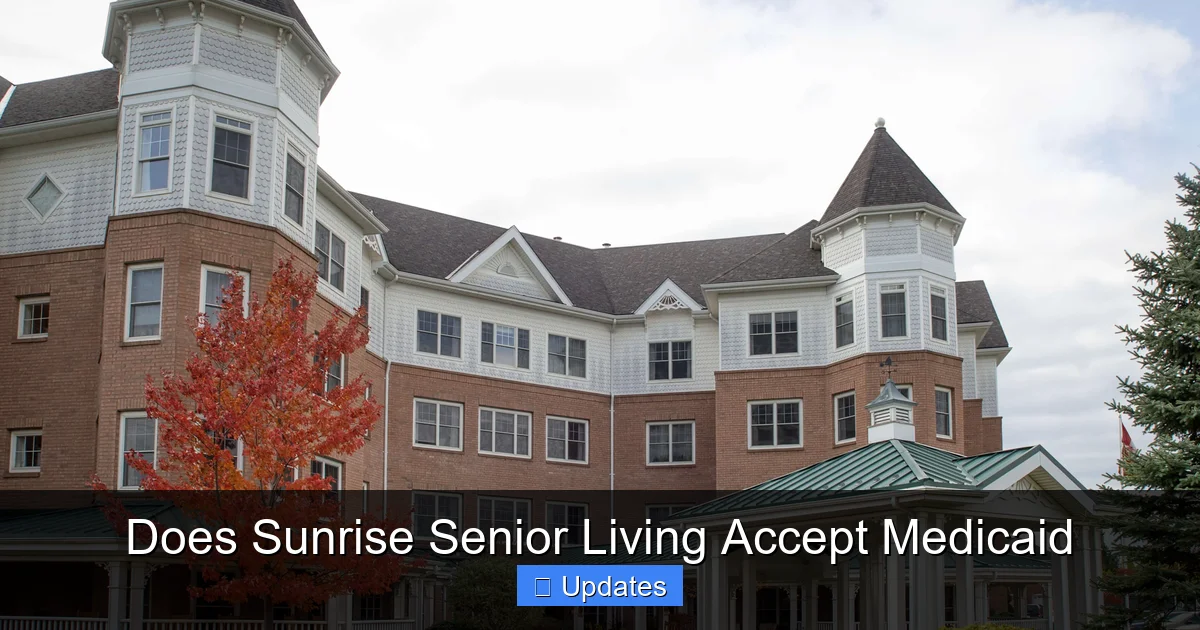
Visual guide about Does Sunrise Senior Living Accept Medicaid
Image source: mss-p-045-delivery.stylelabs.cloud
Is there a minimum age requirement to live at Sunrise?
Most Sunrise communities welcome residents aged 60 and older, though exceptions exist based on health status or family situation. Check with individual locations for specifics.
Do Sunrise communities charge extra for medication management?
Many include basic medication reminders in the base rate, but additional fees may apply for dispensing or coordination with pharmacies. Ask during your tour.
Are pets allowed at Sunrise Senior Living?
Yes, many communities welcome service animals and small companion pets—though policies vary. Bring a copy of vaccination records and verify pet rules beforehand.
How soon can I apply if my loved one needs immediate placement?
Same-day admission is rare, especially for memory care units. However, Sunrise offers respite stays (short-term temporary housing) that can buy time while you explore long-term solutions.
What happens if my income drops after moving in?
Communities cannot evict residents solely due to financial hardship, but they may request updated financial info. Explore options like VA benefits or Medicaid retroactively if circumstances change.
In summary, while Sunrise Senior Living doesn’t directly accept Medicaid, there are pathways to make quality senior living affordable for those who qualify. By understanding your options, asking the right questions, and seeking professional guidance, you can secure a safe, supportive environment for your loved one—without breaking the bank.
Don’t hesitate to reach out to your preferred Sunrise community today. Their admissions team is ready to guide you through every step of the journey.
—
*Related Reading:*
For more insights into senior living costs and alternatives, check out our guides on How Much Does Balfour Senior Living Cost and How Much Does American House Senior Living Cost.
If you’re exploring career opportunities within the industry, learn about Sunrise Senior Living Jobs Near Me and Sunrise Senior Living Careers Near Me.
Frequently Asked Questions
What is does sunrise senior living accept medicaid?
does sunrise senior living accept medicaid is an important topic with many practical applications.