
Senior Dog Bleeding from Mouth Treatment


Orthopedic Sandals

Non-Slip Slippers

Smart Health Watch for Seniors
A senior dog bleeding from the mouth can signal serious dental or systemic issues. Immediate veterinary evaluation is crucial, as symptoms like blood in saliva, bad breath, or difficulty eating may point to gum disease, tumors, or infections. Early diagnosis and treatment improve quality of life and prevent complications.
Your senior dog has always been your loyal companion through thick and thin—now it’s your turn to be there for them. But when you notice blood in their saliva or around their mouth, it can be deeply unsettling. Senior dog bleeding from mouth is not something to overlook. While it might seem minor at first, this symptom often points to underlying health concerns that require prompt attention. Understanding what’s happening and how to respond can make all the difference in keeping your furry friend comfortable and healthy.
As dogs age, they become more susceptible to a range of health issues—especially those related to oral health. The mouth is a gateway to the body, and infections or inflammations here can spread quickly if left untreated. Whether it’s due to gum disease, trauma, or something more serious like cancer, recognizing early signs and knowing how to act gives you the best chance of helping your senior dog feel better.
In this guide, we’ll walk you through everything you need to know about senior dog bleeding from mouth treatment. From common causes to practical home care tips and when to rush to the vet, you’ll get clear, compassionate advice tailored to your aging dog’s needs. Let’s dive in and help your best friend live their golden years with dignity and comfort.
Key Takeaways
- Immediate vet visit is essential: Bleeding from the mouth in older dogs isn’t normal and should never be ignored. It could indicate dental disease, oral tumors, or clotting disorders.
- Dental disease is a top cause: Periodontal disease affects most senior dogs and leads to loose teeth, gum inflammation, and painful bleeding during eating or grooming.
- Home care supports healing: Gentle brushing, soft food, and oral rinses can help, but only under vet guidance—never delay professional assessment.
- Watch for secondary signs: Lethargy, weight loss, bad breath, or refusing food often accompany mouth bleeding and signal deeper health issues.
- Prevention matters: Regular dental checkups, clean teeth, and appropriate senior dog diets reduce risks of future problems.
- Quality of life guides decisions: If treatment is too invasive or ineffective, humane options exist to keep your dog comfortable and pain-free.
📑 Table of Contents
- Why Is My Senior Dog Bleeding From Their Mouth?
- Common Causes of Mouth Bleeding in Older Dogs
- When to See a Veterinarian Immediately
- Initial Steps for Home Care and Monitoring
- Medical Treatments for Senior Dog Mouth Bleeding
- Long-Term Care and Prevention Strategies
- Quality of Life Considerations for Senior Dogs
Why Is My Senior Dog Bleeding From Their Mouth?
When you see blood coming from your senior dog’s mouth, it’s natural to feel alarmed. This symptom rarely appears without reason, and identifying the root cause is key to effective treatment. Unlike young dogs who might bleed from a chew toy or rough play, bleeding in older dogs often signals chronic or systemic issues that worsen over time.
One of the most frequent culprits is **periodontal disease**, a painful condition affecting the gums, tooth roots, and jawbone. By age 3, many dogs show early signs of gum recession, and by age 5, over 80% have some form of dental disease. In senior dogs, these problems are far more advanced—leading to loose teeth, abscesses, and constant irritation that results in bleeding.
Other possible causes include:
– Oral tumors (benign or malignant)
– Trauma from chewing hard objects
– Bleeding disorders like thrombocytopenia
– Severe infections spreading from the mouth
It’s also important to note that bleeding may not always be visible right away. Sometimes, you’ll only notice pink-tinged drool or blood spots on toys or your hands after petting their face. These subtle clues shouldn’t be ignored.
If your senior dog is also panting excessively, drooling more than usual, or avoiding one side of their mouth while eating, those are red flags. Always document when you first noticed the bleeding and any changes in behavior—this helps your vet make an accurate diagnosis.
Common Causes of Mouth Bleeding in Older Dogs

Visual guide about Senior Dog Bleeding from Mouth Treatment
Image source: dogdiscoveries.com
Understanding why your senior dog is bleeding from their mouth starts with knowing the most likely causes. As dogs grow older, their bodies undergo numerous changes, and their mouths are no exception. Many of these conditions are treatable—but only if caught early.
Periodontal Disease (Gum Disease)
This is the number one reason for senior dog bleeding from mouth. Plaque builds up daily and hardens into tartar, which irritates the gums and causes inflammation. Over time, bacteria penetrate below the gumline, leading to infection, tooth loss, and even bone damage. Dogs with periodontal disease often have foul-smelling breath, swollen cheeks, and visible blood when they eat or chew.
Tumors and Growths
Oral cancers, such as squamous cell carcinoma or melanoma, commonly affect older dogs. These growths can bleed easily because they’re fragile and poorly vascularized. You might notice persistent sores that don’t heal, difficulty swallowing, or a noticeable lump near the jaw or tongue. Tumors are aggressive and require immediate veterinary intervention.
Infections and Abscesses
An infected tooth or gum pocket can create a pus-filled abscess that ruptures and bleeds. This usually happens suddenly and is often accompanied by fever, lethargy, and refusal to eat. If your dog chews on sharp objects or gets bitten by another animal, they may develop a localized infection that leads to mouth bleeding.
Bleeding Disorders
Some senior dogs suffer from low platelet counts or clotting factor deficiencies, making them prone to spontaneous bleeding—even from minor cuts or gum irritation. Blood tests can reveal whether this is the case, and treatments like platelet transfusions or medications may be necessary.
Trauma or Foreign Objects
Even small items like splinters, thorns, or pieces of plastic can lodge in the mouth and cause irritation or lacerations. Dogs love to chew, but sometimes they swallow things that scratch delicate tissues. Check your dog’s mouth gently if you suspect this—look for anything unusual stuck between teeth or on the tongue.
Each of these causes requires a different approach to treatment. That’s why visiting your veterinarian is the first and most critical step. They’ll perform a full oral exam, possibly take X-rays, and recommend next steps based on your dog’s overall health.
When to See a Veterinarian Immediately
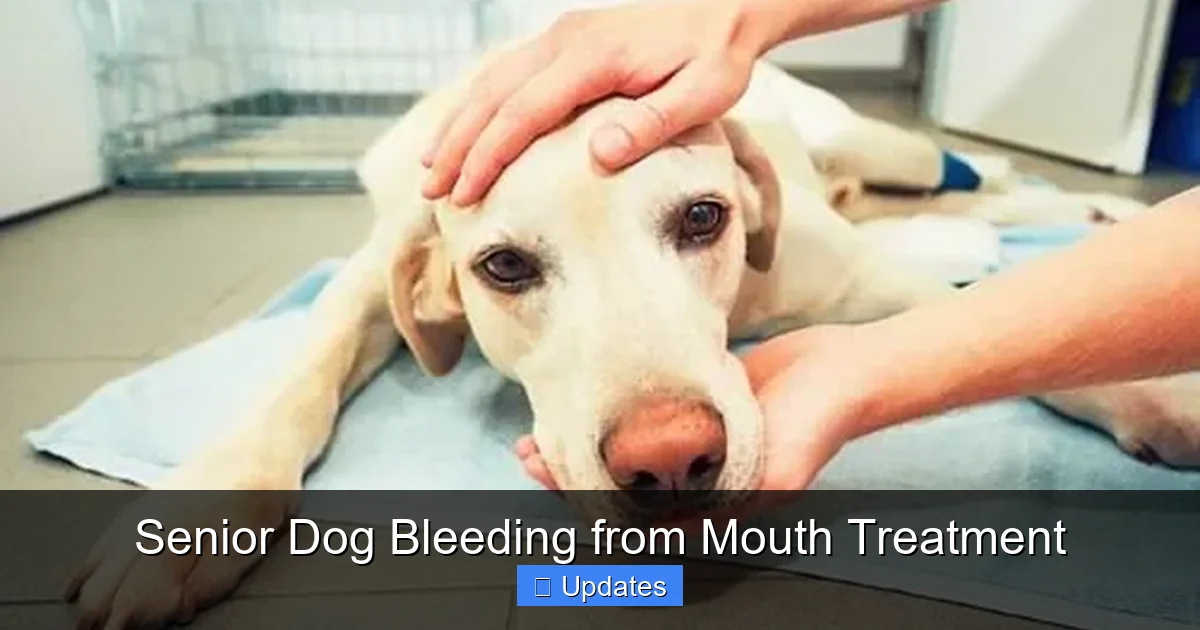
Visual guide about Senior Dog Bleeding from Mouth Treatment
Image source: embassylakesanimalhospital.com
You know your dog better than anyone else. So when something feels off—like unexplained bleeding from the mouth—trust your instincts. While mild gum irritation might resolve with care, certain situations demand urgent medical attention.
Seek emergency vet care if your senior dog:
– Has continuous bleeding that won’t stop after 10 minutes
– Shows signs of shock (pale gums, weak pulse, rapid breathing)
– Can’t swallow or refuses water
– Is unusually lethargic or unresponsive
These symptoms suggest severe internal bleeding, infection, or systemic illness. Time is critical in emergencies, so don’t wait.
Even if the bleeding seems minor, schedule a vet appointment within 24 hours. Delaying care increases the risk of pain, infection spread, or irreversible damage. Your vet will likely perform a thorough physical exam, including checking the mouth for ulcers, swelling, or loose teeth. They may also run bloodwork to assess organ function and rule out diseases like kidney failure or liver disease that could mimic oral symptoms.
Don’t try to diagnose or treat serious conditions at home. For example, applying human toothpaste or harsh antiseptics can worsen inflammation. Instead, follow your vet’s instructions closely and ask questions until you fully understand the plan.
Remember: senior dogs heal slower and recover less efficiently than younger ones. What might be manageable in a puppy could become life-threatening in an older dog. Proactive care now saves both stress and expense later.
Initial Steps for Home Care and Monitoring
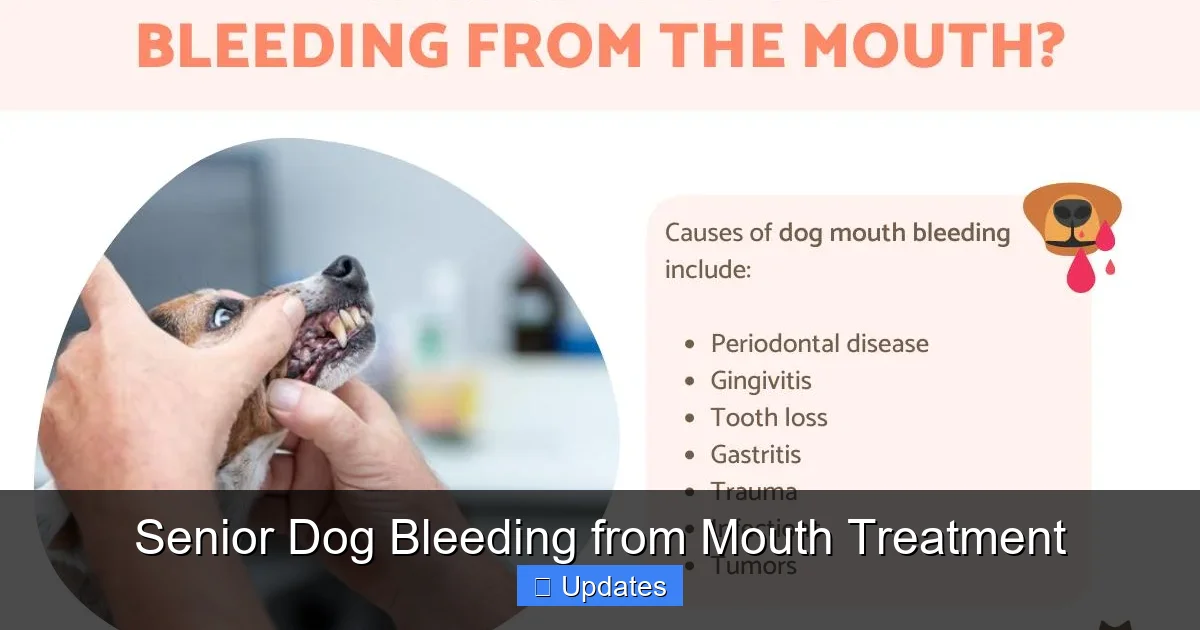
Visual guide about Senior Dog Bleeding from Mouth Treatment
Image source: cdn0.animalwised.com
Once your vet has ruled out emergencies, you can support your senior dog’s recovery at home. The goal is to keep them comfortable, reduce discomfort, and prevent further irritation while waiting for professional treatment or during healing.
Start by creating a calm, quiet space where your dog can rest without stress. Avoid sudden movements around their head and discourage rough play. Offer soft, moist food like cooked chicken with rice or commercial senior wet food—hard kibble can aggravate sore gums.
Gentle oral hygiene is essential. Use a soft-bristled baby toothbrush or gauze wrapped around your finger to wipe their teeth twice daily. Never use alcohol-based mouthwashes; instead, ask your vet for a safe canine-specific rinse. Some owners mix a few drops of hydrogen peroxide (3%) with water as a temporary solution, but only under veterinary supervision.
Monitor closely for changes. Note how much they’re eating, whether they’re drinking normally, and if the bleeding persists or worsens. Keep a log to share with your vet at follow-up visits. Also, watch for behavioral shifts—dogs hide pain well, so increased grumpiness or hiding might signal discomfort.
Avoid giving bones, pig ears, or other hard chews until the issue resolves. Stick to prescribed medications and avoid NSAIDs unless specifically approved by your vet, as many over-the-counter pain relievers are toxic to dogs.
Above all, stay patient and reassuring. Senior dogs thrive on routine and emotional security. Your calm presence can ease anxiety during recovery.
Medical Treatments for Senior Dog Mouth Bleeding
While home care provides comfort, medical treatment addresses the root cause. Your vet will tailor the approach based on diagnosis—whether it’s cleaning teeth, removing tumors, or managing infection.
Dental Cleaning and Extractions
For periodontal disease, professional dental cleaning under anesthesia is often necessary. Vets use ultrasonic scalers to remove tartar above and below the gumline, then polish teeth to smooth rough surfaces. Any severely damaged or loose teeth may need extraction. Afterward, your dog may need antibiotics and pain medication.
Antibiotics and Anti-Inflammatories
If infection is present, your vet will prescribe antibiotics like amoxicillin-clavulanate for 7–14 days. Anti-inflammatory drugs such as meloxicam help reduce swelling and pain. Always complete the full course of antibiotics—even if symptoms improve—to prevent antibiotic resistance.
Surgical Intervention
Tumors or large abscesses typically require surgery. Depending on size and location, your vet may perform biopsy, excision, or palliative procedures. In cases of advanced cancer, radiation or chemotherapy might be recommended. Discuss prognosis and quality-of-life considerations carefully with your veterinarian.
Supportive Therapies
Nutritional supplements like omega-3 fatty acids or probiotics can aid healing and support immune function. Some vets recommend ozone therapy or laser treatments to promote tissue repair. Ask about integrative options during your consultation.
Follow-up appointments are vital. Your vet will reassess healing progress, adjust medications, and monitor for recurrence. Don’t skip these visits—they ensure long-term success.
Long-Term Care and Prevention Strategies
Preventing future episodes of mouth bleeding involves consistent dental care and attention to your senior dog’s changing needs. Just like humans, dogs benefit from regular checkups and proactive health management.
Schedule annual (or biannual) dental exams starting at age 7. Early detection prevents costly procedures later. During visits, request a full oral screen and discuss scaling if needed. Even if your dog shows no symptoms, plaque accumulates daily—so prevention is key.
Feed a high-quality senior dog food that promotes dental health. Look for formulas designed to reduce tartar buildup, such as those with added enzymes or kibble shaped to scrape teeth. Wet foods are easier to chew and less abrasive. Consider exploring options like grain-free senior dog food or fresh dog food for senior dogs, which often contain anti-inflammatory ingredients beneficial for aging pets.
Regular brushing remains the gold standard. Aim for 2–3 times per week if daily isn’t possible. Start slowly if your dog resists—use positive reinforcement with treats and praise. There are also enzymatic tooth gels and water additives that help reduce bacteria without brushing.
Environmental enrichment matters too. Provide soft bedding, easy-access feeding stations, and gentle exercise to maintain muscle strength and joint health. A happy, active dog is less likely to engage in destructive chewing that damages the mouth.
Lastly, stay alert to subtle changes. Senior dogs mask pain instinctively, so trust your observations. If your dog suddenly stops eating, limps, or avoids their favorite toy, investigate promptly.
By combining professional care with loving home support, you give your senior dog the best shot at a comfortable, joyful life—free from painful mouth bleeding.
Quality of Life Considerations for Senior Dogs
At some point, treating chronic conditions like recurring mouth bleeding may become challenging. Pain management, frequent vet visits, or expensive surgeries can strain both your budget and your emotional reserves. That’s when quality-of-life discussions become essential.
Ask yourself: Is my dog still enjoying life? Are they eating, moving, and interacting meaningfully? If the answer is no—and especially if treatment causes more distress than relief—it may be time to focus on comfort rather than cure.
Palliative care emphasizes pain control, nutrition, and emotional well-being. This might include hospice protocols, appetite stimulants, or simply adjusting your environment to minimize stress. Many owners find peace in knowing they prioritized their dog’s happiness over prolonged suffering.
Always involve your veterinarian in these decisions. They can offer objective assessments and guide you toward humane, compassionate choices. Remember: saying goodbye with dignity is one of the greatest gifts you can give your lifelong companion.
—
Frequently Asked Questions
Can I treat my senior dog’s mouth bleeding at home?
Minor gum irritation may respond to gentle brushing and soft foods, but persistent or heavy bleeding always requires veterinary evaluation. Never apply human products like toothpaste or hydrogen peroxide without vet approval.
How do I clean my senior dog’s mouth safely?
Use a soft-bristled brush or gauze with warm water. Avoid harsh chemicals. Consult your vet for safe oral rinses or gels designed for dogs. Start slowly and reward calm behavior with treats.
Is mouth bleeding in senior dogs always serious?
Not always—but it’s never normal. Minor trauma or gingivitis may cause brief bleeding, but chronic or recurrent episodes often signal deeper issues like disease or cancer that need treatment.
What senior dog foods help prevent dental problems?
Look for dental-formulated kibble that scrapes plaque off teeth. Wet foods reduce chewing strain. Consider grain-free senior dog food or fresh dog food for senior dogs with anti-inflammatory benefits.
How often should seniors have dental checkups?
At least once yearly, preferably twice. Early detection prevents painful and expensive procedures. Even symptom-free dogs accumulate plaque daily and benefit from professional cleanings.
When should I consider euthanasia for mouth-related suffering?
If your dog is in constant pain despite treatment, loses interest in eating or socializing, or shows declining mobility, discuss quality-of-life options with your vet. Palliative care may extend comfort before making end-of-life decisions.