
Reputation Management for Senior Living

Medical Alert System

Large Button TV Remote

Electric Heating Pad
Reputation management for senior living isn’t just about fixing problems—it’s about building lasting trust. With families making life-changing decisions, a strong online presence and positive reviews can make all the difference. This guide covers everything you need to manage, monitor, and grow your community’s reputation effectively.
Key Takeaways
- Online reviews directly impact occupancy rates: Families rely heavily on Google, Facebook, and A Place for Mom when choosing a community.
- Proactive monitoring prevents small issues from becoming crises: Catching negative feedback early allows for swift, compassionate responses.
- Authentic storytelling builds emotional connections: Sharing real resident stories and staff highlights humanizes your brand.
- Consistent messaging across platforms strengthens credibility: Align your website, social media, and review sites with the same values and tone.
- Staff engagement is key to reputation success: Empower caregivers and frontline workers to be brand ambassadors.
- Transparency during challenges builds long-term trust: How you handle complaints matters more than avoiding them.
- Regular audits keep your reputation strategy fresh: Review your online presence quarterly to stay ahead of trends and issues.
📑 Table of Contents
- Why Reputation Management Matters in Senior Living
- How Families Research Senior Living Options
- Common Reputation Challenges in Senior Living
- Building a Proactive Reputation Management Strategy
- Leveraging Reviews to Build Trust and Fill Beds
- Crisis Communication: Protecting Your Reputation When It Matters Most
- The Role of Leadership in Reputation Management
- Measuring the Impact of Your Reputation Efforts
- Conclusion: Reputation Is Your Most Valuable Asset
Why Reputation Management Matters in Senior Living
Choosing a senior living community is one of the most emotional and important decisions a family will ever make. It’s not just about finding a place to live—it’s about ensuring safety, dignity, comfort, and quality of life for a loved one. Because this decision carries so much weight, families turn to online research long before they ever step foot on your property.
That’s where reputation management for senior living comes in. It’s the strategic process of monitoring, influencing, and improving how your community is perceived online and offline. In today’s digital world, your reputation lives in Google reviews, Facebook comments, niche senior care sites, and even local news articles. A single negative review can deter potential residents, while a steady stream of positive feedback can fill your waitlist.
But reputation management isn’t just damage control. It’s about creating a consistent, trustworthy image that reflects the real-life experience your community offers. When done right, it builds confidence, strengthens relationships with families, and supports your mission of compassionate care.
How Families Research Senior Living Options
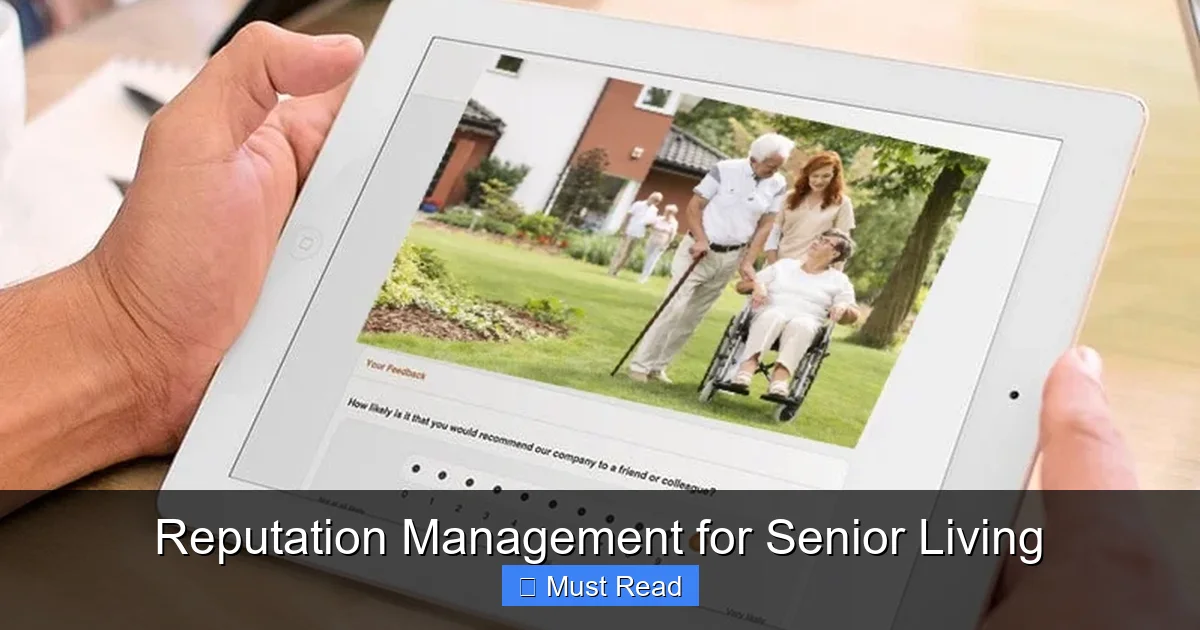
Visual guide about Reputation Management for Senior Living
Image source: onlinereputationmanagement.us
Before visiting a community, most families spend hours—sometimes weeks—researching online. They’re not just looking for amenities or pricing; they’re searching for peace of mind. Here’s how they typically navigate the process:
Step 1: Searching for Local Options
Most families start with a simple Google search like “best senior living near me” or “memory care communities in [city].” Google’s local pack—the top three results with maps and reviews—often determines which communities get a closer look. If your community doesn’t appear or has low ratings, you’re already at a disadvantage.
Step 2: Reading Reviews and Ratings
Once they have a shortlist, families dive into reviews. They check Google, Yelp, Facebook, and specialized sites like A Place for Mom, Caring.com, and SeniorAdvisor.com. They’re looking for patterns: Are staff described as kind and responsive? Are meals praised? Are safety concerns mentioned repeatedly? A few glowing reviews can outweigh one negative one, but a cluster of complaints—especially about neglect or poor communication—can be a dealbreaker.
Step 3: Comparing Websites and Social Media
After reviews, families visit your website. They want to see photos, floor plans, activity calendars, and staff bios. They also check your social media to get a feel for daily life. Is your community active? Do residents look happy? Are families sharing positive experiences? Inconsistent or outdated content can raise red flags.
Step 4: Asking for Recommendations
Many families also ask friends, doctors, or senior centers for referrals. Word-of-mouth still matters—especially when it comes from someone they trust. But even these personal recommendations are often followed up with online research. That’s why your digital reputation must align with the real-life experience you deliver.
Common Reputation Challenges in Senior Living
Visual guide about Reputation Management for Senior Living
Image source: optimizeup.com
Even the best-run communities face reputation challenges. The key is recognizing them early and responding with empathy and action. Here are some of the most common issues:
Negative Online Reviews
A family posts a scathing review about delayed response times or a negative staff interaction. While frustrating, these reviews aren’t always a reflection of your overall quality—but they can feel that way to potential residents. The real issue isn’t the review itself, but how you respond. Ignoring it or responding defensively can make things worse.
Inconsistent or Outdated Information
Your website says you offer 24/7 nursing, but Google Business Profile lists limited hours. Or your Facebook page hasn’t been updated in six months. These inconsistencies create confusion and erode trust. Families want to know they’re getting accurate, up-to-date information.
Lack of Online Presence
Some communities still operate as if the internet doesn’t exist. No Google Business Profile, no social media, no response to reviews. In 2024, this is a major red flag. It suggests the community is out of touch or not invested in transparency.
Staff Turnover and Morale Issues
High turnover can lead to inconsistent care and frustrated families. If staff aren’t engaged or supported, it shows in reviews and word-of-mouth. Happy employees are your best reputation ambassadors—unhappy ones can unintentionally damage your brand.
Crisis Situations
From health inspections to unexpected closures, crises happen. How you communicate during these times defines your reputation. Silence breeds suspicion. Transparent, compassionate communication builds trust.
Building a Proactive Reputation Management Strategy
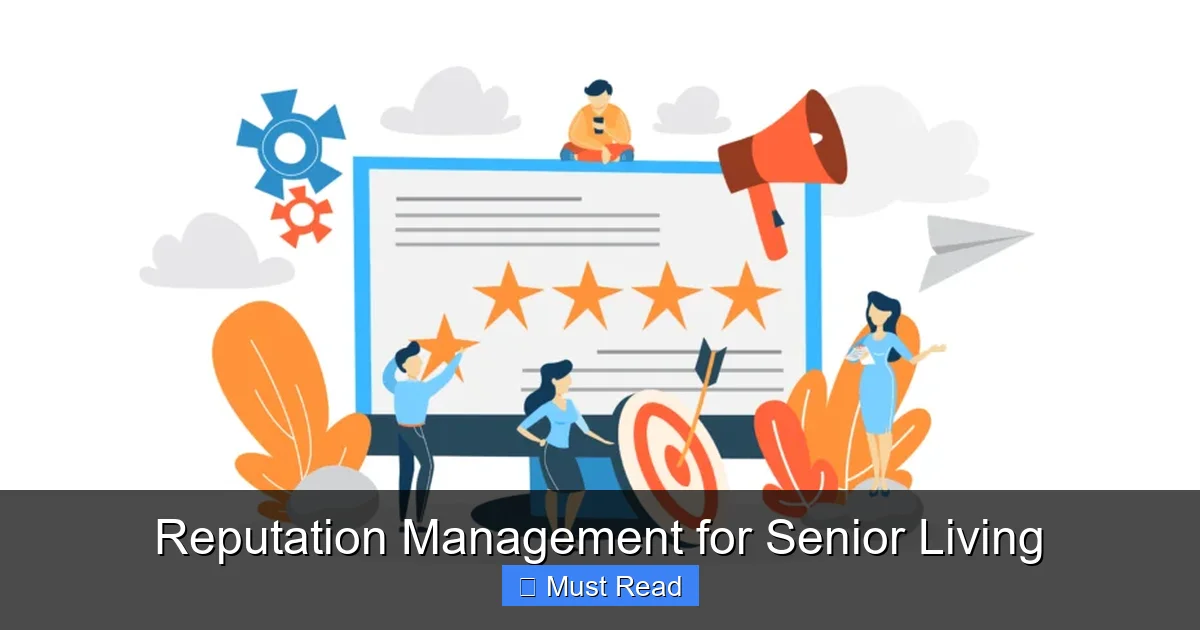
Visual guide about Reputation Management for Senior Living
Image source: seniorlivingsmart.com
The best reputation management isn’t reactive—it’s proactive. Instead of waiting for problems to arise, you create systems that promote positivity and address issues before they escalate. Here’s how to build a strategy that works:
Monitor Your Online Presence Daily
Set up Google Alerts for your community name and key staff members. Use free tools like Google Business Profile and Facebook Insights to track reviews and engagement. For more advanced monitoring, consider platforms like Birdeye, Reputation.com, or ReviewTrackers. These tools send real-time alerts when new reviews are posted, so you can respond quickly.
Respond to Every Review—Positive and Negative
A response shows you care. For positive reviews, thank the family and highlight what you’re proud of: “We’re so glad your mom loves our art classes! Our team works hard to keep residents engaged.” For negative reviews, respond promptly and professionally: “We’re sorry to hear about your experience. Please contact us directly so we can make this right.” Never argue publicly. Take the conversation offline when needed.
Encourage Happy Families to Share Their Stories
Don’t wait for reviews to come to you. After a successful move-in or a special event, ask families to share their experience. Send a simple email: “We loved having your dad join us for our summer picnic! Would you mind sharing a few words about your experience on Google?” Make it easy with direct links to your review pages.
Showcase Real Life on Social Media
Post regularly about daily life: residents gardening, staff celebrating birthdays, families visiting. Use photos and short videos to show the warmth and community spirit. Tag families (with permission) and use local hashtags to increase visibility. Authenticity beats polished perfection every time.
Train Staff to Be Brand Ambassadors
Every interaction—from the front desk to the dining room—shapes your reputation. Train staff to communicate clearly, show empathy, and represent your values. Encourage them to share positive feedback with management and celebrate wins together. When staff feel valued, they reflect that in their work.
Audit Your Online Listings Quarterly
Check that your name, address, phone number (NAP), hours, and services are consistent across Google, Facebook, Yelp, and senior care directories. Update photos, add new amenities, and remove outdated information. Inconsistencies confuse families and hurt your search rankings.
Leveraging Reviews to Build Trust and Fill Beds
Reviews aren’t just feedback—they’re marketing tools. When used strategically, they can boost occupancy and strengthen your brand. Here’s how to turn reviews into results:
Highlight Reviews on Your Website
Create a “What Families Say” section on your homepage. Feature 3–5 recent, glowing reviews with photos of the residents (with permission). Use quotes that speak to safety, kindness, activities, and food—key decision factors for families.
Use Reviews in Marketing Materials
Include testimonials in brochures, email newsletters, and social media ads. For example: “9 out of 10 families say our staff goes above and beyond” (based on your review data). Real quotes build credibility better than any slogan.
Address Common Concerns in Your Messaging
If families often ask about meal options or pet policies, make sure your website and reviews reflect that. If a review mentions “great food,” highlight your chef or menu variety. Use feedback to refine your messaging and close information gaps.
Turn Negative Feedback into Improvement Opportunities
When a review points out a real issue—like slow response times—take action. Fix the problem, then follow up with the family. If they update their review or share that you resolved the issue, it shows you listen and care. That kind of response can actually strengthen trust.
Track Review Trends Over Time
Are more families mentioning staff kindness this year? Are concerns about cleanliness decreasing? Use review data to measure progress and celebrate improvements. Share these wins with your team to boost morale.
Crisis Communication: Protecting Your Reputation When It Matters Most
No community is immune to crises—whether it’s a health inspection, a staffing shortage, or a natural disaster. How you communicate during these times can make or break your reputation.
Be Transparent and Timely
Don’t wait to share information. If there’s an issue, acknowledge it quickly. Use your website, email, and social media to provide updates. For example: “We’re currently addressing a temporary HVAC issue in one wing. Repairs are underway, and all residents are comfortable.” Transparency reduces rumors and shows accountability.
Empathize First, Explain Second
Start your message with empathy: “We understand this is concerning for families.” Then explain what happened, what you’re doing about it, and how you’ll prevent it in the future. Avoid jargon and focus on human impact.
Designate a Spokesperson
Have one person—like the executive director or marketing lead—serve as the official voice during a crisis. This ensures consistent messaging and prevents confusion. Train them in compassionate communication and media relations.
Follow Up After the Crisis
Once the issue is resolved, share a final update: “Thank you for your patience. The HVAC system is fully repaired, and we’ve implemented new maintenance checks.” This closes the loop and reinforces your commitment to quality.
The Role of Leadership in Reputation Management
Reputation management starts at the top. Leaders set the tone for how the community is perceived—both internally and externally.
Lead by Example
When executives are visible, engaged, and responsive, it trickles down. Visit residents, attend events, and respond to family concerns. Your actions show that you care—not just about occupancy, but about people.
Invest in Training and Resources
Provide staff with communication training, review response templates, and tools to monitor feedback. Reputation management isn’t just a marketing task—it’s everyone’s responsibility.
Make Reputation a Priority in Meetings
Include reputation updates in leadership meetings. Discuss recent reviews, social media trends, and family feedback. Celebrate wins and address challenges as a team.
Align Reputation with Mission and Values
Your reputation should reflect your core values—whether it’s compassion, dignity, or innovation. When your actions match your messaging, families believe in your community.
Measuring the Impact of Your Reputation Efforts
You can’t manage what you don’t measure. Track key metrics to see how your reputation strategy is performing:
Review Volume and Sentiment
Are you getting more reviews? Are they mostly positive? Use tools to analyze sentiment and identify trends.
Response Rate and Time
Aim to respond to 100% of reviews within 24–48 hours. Track your response rate and average response time.
Website and Social Media Traffic
Use Google Analytics to see if review activity drives more visits to your site. Check social media insights for engagement growth.
Inquiry and Move-In Rates
Correlate reputation efforts with lead generation. Are more families calling after reading positive reviews? Are tours increasing?
Family and Staff Satisfaction
Conduct regular surveys to measure internal and external satisfaction. Happy families and staff are the foundation of a strong reputation.
Conclusion: Reputation Is Your Most Valuable Asset
In senior living, reputation isn’t just about stars and reviews—it’s about trust, safety, and peace of mind. Families are choosing more than a building; they’re choosing a community where their loved ones will thrive.
By investing in reputation management for senior living, you’re not just protecting your brand—you’re honoring the people you serve. Monitor your presence, respond with compassion, celebrate your strengths, and learn from challenges. When your online reputation reflects the care you provide every day, you’ll attract more families, retain more residents, and build a legacy of excellence.
Start today. Check your Google reviews. Update your website. Thank a family for their kind words. Small steps lead to big results. Your reputation—and your residents—deserve nothing less.
Frequently Asked Questions
How often should I check my senior living community’s online reviews?
You should monitor reviews at least weekly, if not daily. Use tools like Google Alerts or reputation management platforms to get instant notifications when new feedback is posted. Quick responses show you care and can prevent small issues from escalating.
What should I do if a family posts a false or unfair review?
First, respond calmly and professionally, inviting them to discuss the issue offline. If the review violates platform guidelines (e.g., contains false information or personal attacks), you can flag it for removal. Focus on resolving the concern privately while maintaining your community’s dignity publicly.
Can reputation management really increase occupancy rates?
Yes. Studies show that communities with higher review ratings and active online engagement see more inquiries and move-ins. Families trust peer feedback more than marketing, so a strong reputation directly impacts your bottom line.
How can I encourage more families to leave reviews?
Make it easy and timely. After a positive experience—like a successful move-in or family event—send a friendly email with direct links to your Google and Facebook review pages. Always ask respectfully and explain how their feedback helps other families.
Should staff be involved in reputation management?
Absolutely. Every staff member interacts with residents and families, shaping their experience. Train them to communicate clearly, show empathy, and report feedback. Empowered employees become your best brand advocates.
Is it worth investing in a reputation management platform?
For larger communities or operators with multiple locations, yes. Platforms like Birdeye or Reputation.com streamline monitoring, response, and reporting. They save time, improve consistency, and provide valuable insights—making them a smart investment for long-term growth.