
Old Bridge Rotary Senior Housing


Gardening Kneeler Bench

Smart Health Watch for Seniors

Portable Wheelchair
Old Bridge Rotary Senior Housing is a cherished, non-profit senior living community in New Jersey offering affordable independent apartments for older adults. It combines Rotary Club philanthropy with a mission-driven focus on safety, social connection, and resident dignity. This guide covers everything from eligibility and costs to daily life and the application process for this unique, community-centered option.
Let’s talk about finding a place to call home in your later years. It’s a big decision, filled with questions about cost, care, and community. If you or a loved one is exploring options in Central New Jersey, one name often comes up with a special kind of reputation: Old Bridge Rotary Senior Housing. This isn’t just another apartment complex; it’s a community built on a foundation of service and compassion, rooted in the local Rotary Club’s commitment to helping others. For decades, it has provided a dignified, affordable, and socially engaging living environment for seniors who value their independence but appreciate a supportive neighborhood. In this complete guide, we’ll walk through everything you need to know about this unique senior housing option, from its inspiring history to the nitty-gritty details of eligibility, costs, and daily life. Think of this as your friendly, comprehensive tour.
First, a quick point of clarity. When we say “senior housing,” the landscape is vast. We have everything from luxurious continuing care communities to basic income-restricted apartments. Old Bridge Rotary Senior Housing firmly sits in the category of affordable, independent senior living. It’s for people who are generally healthy and able to live on their own but want the peace of mind that comes from age-appropriate housing, potential access to supportive services, and—most importantly—a built-in community to avoid the loneliness that can sometimes come with aging in a traditional neighborhood. It’s about thriving, not just surviving. Understanding what age is considered a senior for these specific programs is the first step, as most set their minimum age between 55 and 62. You can read more about the general definitions of senior citizenship here.
Key Takeaways
- Non-Profit, Mission-Driven Model: Operated by the Old Bridge Rotary, this housing prioritizes resident well-being over profit, often leading to more affordable rents and a strong community ethos.
- Affordability is Central: Rents are typically below market rate, with subsidies available for qualifying low-income seniors, making it a critical resource for those on fixed incomes.
- Independent Living Focus: Designed for active, self-sufficient seniors, it provides private apartments with optional supportive services, not 24/7 skilled nursing care.
- Vibrant Community Life: Built-in social programs, shared spaces, and organized activities combat isolation, fostering friendships and a sense of belonging.
- Specific Eligibility Criteria: Residence is generally limited to seniors 62+ (or 55+ in designated units) who meet income thresholds and may require Old Bridge Township residency.
- Application Process is Key: There is often a waitlist, so understanding the required documentation and submitting a complete, timely application is crucial.
- Safety & Accessibility First: Units and common areas are designed with senior-friendly features like grab bars, no-step entries, and emergency call systems.
📑 Table of Contents
- The Heart of the Community: History and Mission
- Who Qualifies? Demystifying Eligibility
- What’s It Like to Live There? The Resident Experience
- Support Services: What’s Included and What’s Not
- The Financial Picture: Understanding Costs and Assistance
- How to Apply: Navigating the Process
- Is This the Right Fit? Comparing Your Options
The Heart of the Community: History and Mission
To truly understand Old Bridge Rotary Senior Housing, you have to understand its origin story. It was born not from a corporate development plan, but from a community’s desire to help its aging members. The Old Bridge Rotary Club, part of the international service organization Rotary International, identified a critical local need: safe, affordable housing for seniors on fixed incomes. Instead of just writing a check, they took action. Through years of fundraising, partnership with local government, and sheer determination, they developed and continue to oversee this housing project.
A Philanthropic Foundation
This Rotary connection is more than just a name on the building. It means the operational philosophy is guided by Rotary’s core tenets: service above self and ethical conduct. Surplus revenues, if any, are reinvested into the property for resident benefits—new amenities, maintenance, or upgrades—rather than distributed to shareholders. This non-profit model is a key reason rents remain accessible. The Rotary members themselves are often involved volunteers, creating a direct link between the residents and the supporting community. It’s a beautiful cycle of giving and receiving that defines the culture there.
Location, Location, Location
Strategically situated in Old Bridge Township, New Jersey, the housing complex benefits from its proximity to essential services. It’s typically near shopping centers, medical offices, public transportation routes, and parks. For seniors who may not drive daily, being close to a supermarket, pharmacy, and bank is a massive quality-of-life factor. The township itself often supports the project with certain tax abatements or infrastructure help, recognizing the value of having a stable, well-maintained senior community within its borders. This symbiotic relationship between the non-profit operator and the local government is a model for sustainable senior housing.
Who Qualifies? Demystifying Eligibility
This is the most common question we get: “Can I or my parent live there?” The answer is a clear “it depends,” but the criteria are straightforward. Old Bridge Rotary Senior Housing has specific, non-negotiable requirements designed to serve its targeted population. Meeting these is your first and most important step.
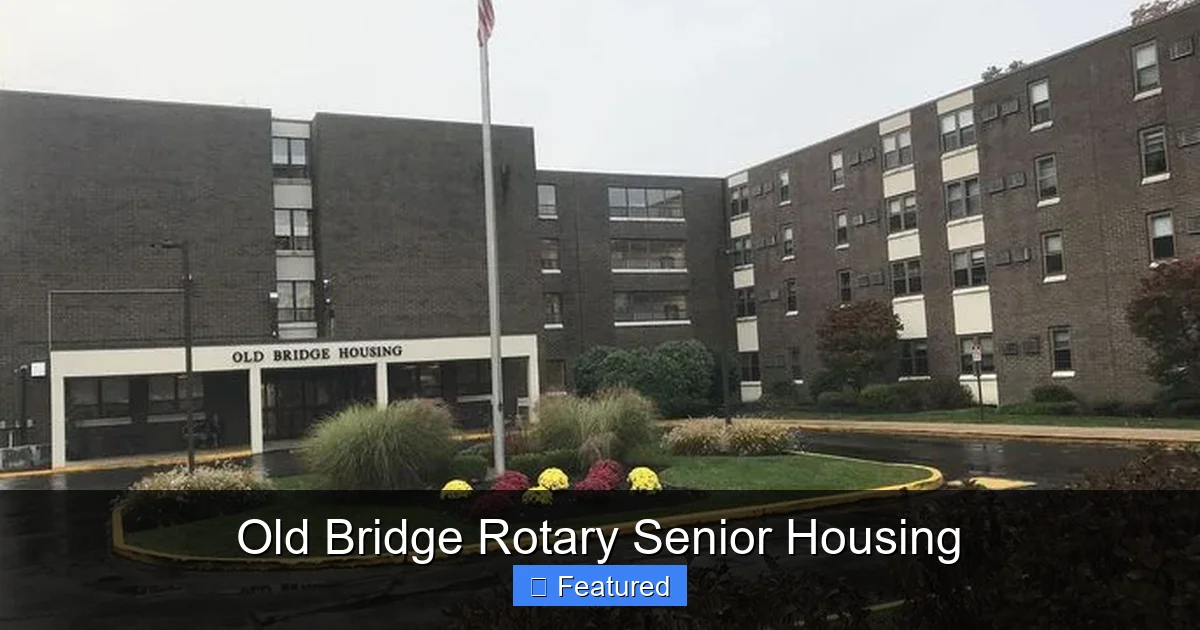
Visual guide about Old Bridge Rotary Senior Housing
Image source: i.pinimg.com
Age Requirements: The 55+ and 62+ Rules
Like most senior housing, there is a minimum age. Typically, at least one occupant in each household must be 62 years of age or older. However, some units may be designated as “55+” communities to comply with federal housing laws for older persons. The key takeaway: you must be a senior citizen as defined by the community’s policies, which almost always align with the standard understanding. If you’re unsure about the exact age threshold, it’s vital to confirm directly with their management. The concept of what age you are considered a senior can vary slightly by program, but 62 is the most common benchmark for federally supported housing. For a deeper dive into age definitions, check out this resource on at what age you are considered a senior.
Income Limits: The Affordability Component
This is the other major pillar. Because the housing is affordable and often subsidized, your household income must fall below a certain percentage of the Area Median Income (AMI). For Old Bridge, this percentage is usually set at 50% or 60% of AMI. The exact dollar figure changes annually and is based on household size. For a single person, this might mean an annual income below $40,000, but you must get the current year’s limits from the property manager. This is where the link to how to qualify for low-income senior housing becomes directly relevant. The application process will require thorough documentation of all income sources—Social Security, pensions, part-time wages, investment dividends—to verify you meet these limits. It’s a detailed but necessary process to ensure the housing goes to those who need the financial assistance most.
Residency and Other Criteria
Many such community-specific projects give preference to current residents of the township or county. Old Bridge Rotary Senior Housing may prioritize applicants who have lived in Old Bridge for a certain number of years. This is a common practice for locally-funded initiatives. Additionally, applicants must generally be able to live independently. The housing is not equipped for full-time skilled nursing or memory care. A background check is also standard. The goal is to create a safe, stable environment for all residents, so certain criminal history may be a disqualifying factor. Always ask for a complete list of eligibility criteria during your initial inquiry.
What’s It Like to Live There? The Resident Experience
Okay, you qualify. What’s next? What does a typical day look like? Old Bridge Rotary Senior Housing is designed to make daily life easier and more enjoyable. Let’s step inside an apartment and into the common areas.
Visual guide about Old Bridge Rotary Senior Housing
Image source: townsquare.media
Apartment Living: Privacy and Practicality
The units are typically one-bedroom or studio efficiencies. They are not sprawling homes, but they are thoughtfully designed for senior living. Expect to find features like no-step entries, wider doorways (sometimes), lever-style door handles, and grab bars pre-installed in the bathroom (or easily added). Kitchens are usually compact but functional, with a stove, refrigerator, and sink. The focus is on low-maintenance living. You’re responsible for your own interior upkeep, but the management handles all exterior maintenance, landscaping, snow removal, and major building systems. This is a huge relief for many, eliminating the physical burdens of a single-family home. Think of it as your private sanctuary where you control your space, but the heavy outdoor work is someone else’s responsibility.
Common Areas and Amenities: Your Extended Living Room
This is where the community truly shines. Most properties have a central clubhouse or community room. This is the hub for:
- Social Events: Holiday parties, birthday celebrations, movie nights, and game afternoons.
- Fitness: A simple exercise room or scheduled chair yoga classes.
- Learning: Guest lectures, book clubs, or craft workshops.
- Dining: A shared dining room for group meals, which is both a social event and a practical option for those who don’t want to cook every day.
Outdoor spaces like patios, gardens, or walking paths are also common. These amenities are included in the rent, making them an incredible value. They are intentionally designed to encourage interaction and combat isolation, which is a silent health risk for seniors. The social engineering of the space—comfy chairs arranged in conversation circles, communal tables—nudges residents toward connection.
A Day in the Life: Rhythm and Routine
Imagine this: You wake up in your quiet, accessible apartment. You might join a few neighbors for a provided breakfast in the dining hall. Later, you attend a watercolor class in the clubhouse. After lunch, you read in the library or take a stroll on the secure walking path. In the evening, there’s bingo or a classic movie screening. Of course, you have complete freedom to do your own thing—have a friend over, go into town, or simply relax. The magic is in the option. The community provides the scaffolding for an engaged life, but you decide how much to participate. This balance of privacy and community is the holy grail of senior living, and it’s what Old Bridge Rotary Senior Housing aims to provide.
Support Services: What’s Included and What’s Not
It’s crucial to understand the service model. This is independent living, not assisted living. That means there is no 24/7 staff on-site for personal care like bathing, dressing, or medication management. However, a suite of supportive services is often available, either included in the rent or for an additional fee.
Visual guide about Old Bridge Rotary Senior Housing
Image source: beacondevgroup.com
Typically Included Services
These are the basics that make life simpler:
- Building Maintenance & Security: 24-hour emergency response systems in units, secure entry, and regular building upkeep.
- Transportation: Many communities offer scheduled shuttle services to local grocery stores, medical appointments (like a local clinic or hospital), and the mall. This is a game-changer for non-drivers.
- Social Programming: The calendar of events is a core service, managed by a Resident Services Coordinator or similar staff member.
- Optional Meal Plans: While you cook for yourself, you can often purchase meal credits or sign up for daily lunches.
Additional Support and Partnerships
For more intensive needs, the community often partners with local home health agencies. Residents can privately hire aides to come to their apartment. The management may have a list of vetted agencies. Some communities also offer wellness checks—a daily or weekly phone call or visit from staff to ensure residents are okay. This is not personal care, but a vital safety net. It’s important to ask specifically: “If my mother has a fall, what is the emergency protocol?” and “Can you help me arrange for a visiting nurse?” Get the answers in writing. Understanding this boundary between independent living and the outside care system is essential for setting realistic expectations.
The Financial Picture: Understanding Costs and Assistance
Let’s talk numbers. The biggest advantage of Old Bridge Rotary Senior Housing is its affordability, but “affordable” is a relative term. You need a clear picture of the financial commitment.
Rent Structure and What It Covers
The monthly rent is a flat fee that covers your apartment, utilities (often heat, hot water, and sometimes electricity), and access to all common areas and amenities. It’s typically significantly lower than market-rate senior apartments in the area. For 2024, you might see rents ranging from $600 to $1,200 per month depending on unit size and exact income level, but you must contact them for current rates. This flat fee makes budgeting predictable, which is perfect for those on a Social Security or pension income. Compare this to market-rate communities where rents can easily exceed $2,500/month for similar independent living units.
Subsidies and Waiting Lists
Many units are subsidized by federal programs like Section 8 or project-based vouchers. If you qualify for a subsidized unit, your rent is capped at 30% of your adjusted gross income. This is the deepest level of affordability. However, these units are limited and the waitlist can be years long. Non-subsidized, “market-adjacent” units may have a shorter wait but still require income qualification. Be prepared for a detailed financial application. You’ll need recent tax returns, bank statements, and proof of all income. Transparency here is key—don’t hide assets, as they will be found during verification. Also, ask about any security deposit and its amount, which is usually one month’s rent.
Budgeting for the Extras
While rent covers the basics, your personal budget must account for:
- Groceries and Household Items: You are responsible for your own food and supplies.
- Phone, Cable, Internet: These are almost always resident-paid, though some communities offer package deals.
- Personal Care: Any home health aide, adult day care, or private medical services.
- Transportation: If you need taxis or rideshares beyond the provided shuttle.
- Renter’s Insurance: Highly recommended to cover your personal belongings.
Creating a realistic post-rent budget is a critical step before applying. Speaking of budgets, if your income is very limited, you should also research other affordable senior housing in Georgia or your specific state, as programs vary widely by location. The search for senior apartments for low-income seniors is a nationwide challenge, and starting with local non-profits like the Rotary is a brilliant strategy.
How to Apply: Navigating the Process
So you’ve decided this sounds like the right fit. The application process is your next hurdle. It’s not complicated, but it is thorough. Start here.
Step 1: Initial Contact and Pre-Application
Call the management office. Express your interest and ask for an information packet and a pre-application form. This initial form is usually short—basic contact info, household members, and estimated income. Submit it promptly. This places you on a general interest list and may get you a full application when one becomes available. Do not skip this step. Ask point-blank: “What is the current estimated wait time for an apartment?” The answer might be 6 months or 3 years. Knowing this upfront manages expectations.
Step 2: The Full Application Package
When a unit becomes available, you’ll receive the full application. This is a document-heavy process. You will need to provide:
- Completed application form.
- Proof of age (birth certificate, driver’s license).
- Full financial documentation for all household members (as detailed in the costs section).
- Landlord references (if you are currently renting).
- Personal references.
- Authorization for background and credit checks.
Be meticulous. Fill out every section. Missing documents are the number one reason for application delays or denial. Make copies of everything for your own records.
Step 3: Interview and Approval
Once your paperwork is complete, you may have a brief interview with the manager or a selection committee. This is a chance for them to meet you and for you to ask final questions. It’s also a final verification step. If everything checks out, you will receive a formal approval letter and an invitation to sign a lease. You will then pay your security deposit and first month’s rent. The move-in date will be set. Congratulations! You’ve secured a spot in a highly sought-after community. The key takeaway: start the process early, be organized, and communicate clearly with the staff.
Is This the Right Fit? Comparing Your Options
Old Bridge Rotary Senior Housing is a phenomenal option for the right person. But how do you know if that person is you or your loved one?
Pros: The Community and Cost Advantage
The pros are compelling: unbeatable affordability for the region, a built-in social network that actively works to prevent isolation, low-maintenance living that frees up time and physical energy, and the peace of mind that comes from a non-profit, mission-driven operator. The Rotary involvement adds a layer of trust and local investment that is rare in the senior housing industry. For a senior who is active, budget-conscious, and desires a friendly, neighborly atmosphere, this is hard to beat.
Cons and Considerations
The cons are equally important. The waitlists are long. The apartments are small—you won’t have space for a large family collection or all your furniture from a house. The care is limited; if significant health declines occur, a move to an assisted living or nursing home will eventually be necessary. There is also typically less luxury—think durable carpeting and simple finishes, not granite countertops and chef’s kitchens. It’s practical, not opulent. Finally, the eligibility rules are strict. If your income is even slightly above the limit, you are not eligible, regardless of how much you love the community.
How It Stacks Up Against Other Models
How does this differ from a 55+ active adult community? Those are often market-rate, larger homes or townhomes, with fewer social programs and no income restrictions. They are for retirees who want downsizing without the senior label. How about versus assisted living? Assisted living is for people who need help with 2-3 Activities of Daily Living (ADLs) like bathing or dressing, and it costs 2-3x more, including meals and care. Old Bridge Rotary Senior Housing sits firmly in the independent living, affordable niche. It’s a stepping stone or a long-term home for those who can manage their own care but want the convenience and camaraderie of a senior-focused environment. Exploring other senior living apartments in Houston or similar cities shows a market-rate landscape, highlighting how special a non-profit model like the Rotary’s truly is.
Frequently Asked Questions
What is the minimum age to live at Old Bridge Rotary Senior Housing?
The standard minimum age is 62 years old for at least one household member. Some units may be designated for those 55 and older under specific housing laws. The exact age requirement is confirmed during the application process.
How do I know if my income qualifies for affordable rent?
Your household income must be at or below 50-60% of the Area Median Income (AMI) for Old Bridge, adjusted for your household size. The management provides current income limits annually. You must submit full documentation (tax returns, benefit statements) for verification during the application.
Are there support services like meals or transportation available?
Yes, typically. Most communities offer a dining room with optional meal plans and a scheduled shuttle service for groceries and medical appointments. However, 24-hour personal care is not provided; residents needing that level of support must arrange private home health aides.
What is the application process and wait time like?
You start with a pre-application to be placed on a waitlist. When a unit opens, you submit a full application with extensive financial and personal documentation. The wait time can vary from 6 months to several years depending on the unit type and subsidy, so applying early is crucial.
Can I have a pet?
Pet policies vary. Many senior communities have restrictions, often allowing small dogs or cats with a pet deposit and monthly fee, and size/breed limitations. You must ask the management for their specific pet policy before applying.
What happens if my health declines and I need more care?
The housing is for independent living. If you later need assisted living or nursing home care, you will need to relocate. The community may have partnerships with local home health agencies to provide in-apartment care, but the resident is responsible for arranging and paying for those additional services.