
Not Many Senior Citizens Are Politically Active

Grab Bars for Shower, 2 Pack 16 in Anti Slip Safety Bath Handle
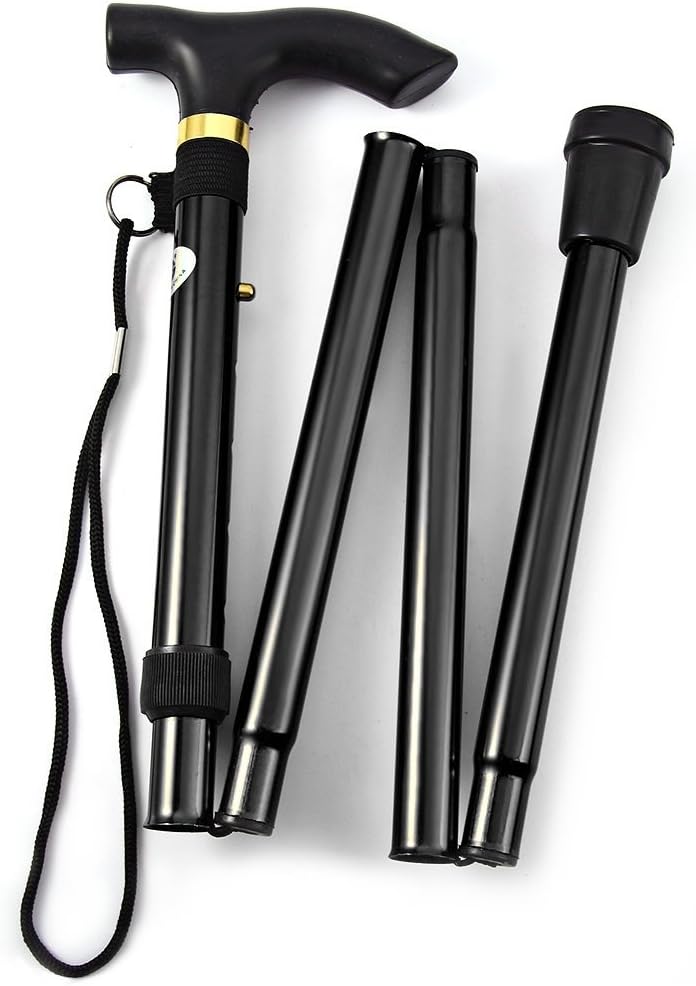
Folding Lightweight Walking Stick - Adjustable Aluminum Travel Cane

RMS 32 Inch Reacher Grabber, 2 Pack
Not many senior citizens are politically active, despite their potential to influence policy and voting outcomes. Many face barriers like accessibility issues, lack of information, or health challenges, which limit their participation. However, with targeted outreach and support, seniors can become powerful voices in shaping the future.
## Why Not Many Senior Citizens Are Politically Active
As we grow older, our priorities often shift. For many seniors, retirement means more time to focus on family, hobbies, travel, and health. But what about civic responsibility? Despite being one of the most influential voting demographics, **not many senior citizens are politically active**. While this group represents a significant portion of the electorate, their voices are often underheard in political arenas.
This article dives into the reasons behind low political engagement among seniors, the consequences of this silence, and what can be done to change the narrative. Whether you’re a senior looking to get involved or someone interested in community development, understanding this issue is crucial.
—
## The Demographic Reality: Seniors as a Voting Bloc
Before exploring the “why,” it’s important to understand the “what.” According to recent U.S. Census data, adults aged 65 and older make up approximately 17% of the population. That’s nearly one in five Americans. In key states, this number can be even higher.
Despite their numbers, political campaigns often overlook seniors. They are frequently seen as less likely to vote or care deeply about policy changes. Yet, studies show that when seniors do participate, they can sway elections dramatically. For example, in the 2008 and 2012 presidential elections, voter turnout among those over 65 exceeded 70%, compared to around 40% for younger age groups.
So why don’t more seniors get involved beyond casting a ballot?
—
## Barriers to Political Participation Among Seniors
Several factors contribute to the low level of political activity among seniors. These aren’t just personal choices—they’re systemic challenges that need attention.
### Physical and Mobility Limitations
Many seniors face health issues such as arthritis, vision loss, or heart conditions that make attending public events difficult. Polling stations may not be wheelchair accessible, and long lines can discourage participation. Even voting by mail isn’t always straightforward for those with dexterity problems or cognitive decline.
For instance, imagine trying to fill out a mail-in ballot while dealing with hand tremors. Without assistance, this task can feel overwhelming.
### Digital Divide
In today’s world, politics happens online. Campaign websites, social media updates, and digital fundraising are standard tools. Yet, many seniors struggle with smartphones, email, or internet navigation. A 2023 Pew Research study found that only 45% of adults over 65 regularly use the internet, compared to over 90% of those under 50.
This digital gap means seniors miss out on real-time political news, candidate debates streamed online, and virtual town halls. As a result, they may feel out of touch or uninformed.
### Lack of Trust in Government
Trust in institutions has declined across all age groups, but seniors are particularly skeptical. A 2022 Gallup poll revealed that only 19% of Americans over 65 trust the federal government “just about always” or “most of the time.”
Why? Years of perceived corruption, broken promises, and policy failures have bred cynicism. Many seniors remember times when politicians claimed to prioritize them—only to see benefits delayed or cut.
### Limited Exposure to Political Issues
Some seniors feel disconnected from modern political discourse. Terms like “climate policy” or “student debt relief” may seem irrelevant if you’re focused on Medicare or Social Security stability. Others grew up in eras when politics was more local and less polarized.
Without regular exposure—through newspapers, TV news, or community talks—these issues remain abstract.
### Fear of Bias or Discrimination
Older adults, especially minorities, sometimes worry about being dismissed due to ageism. Politicians may assume they’re too old to understand new technologies or care about youth-oriented policies. This stereotype can lead seniors to disengage altogether.
—
## Consequences of Low Political Engagement
When not many senior citizens are politically active, everyone loses.
### Policy Neglect
Seniors advocate for critical issues: affordable healthcare, pension security, housing access, and elder abuse prevention. But if few speak up, lawmakers may deprioritize these concerns. For example, cuts to Meals on Wheels programs often pass quietly because advocates aren’t vocal enough.
### Weakened Democracy
Democracy thrives on broad participation. If entire segments of society opt out, representation becomes skewed. Younger voters may dominate local elections, leaving seniors without a seat at the table.
### Missed Opportunities for Intergenerational Dialogue
Politics shouldn’t be siloed by age. When seniors engage, they share wisdom and lived experience that enrich policy decisions. Their stories about growing up during the Great Depression, serving in WWII, or raising families shape how we approach economic justice and social welfare.
—
## How Seniors Can Reclaim Their Political Voice
The good news? It’s never too late to get involved. Here are practical steps for seniors who want to make a difference:
### 1. Start Small: Attend a Town Hall Meeting
Many cities host monthly town halls on topics like public transit, parks, or library funding. These meetings are usually free and welcoming. Bring a friend for company, and don’t hesitate to ask questions—even simple ones like “How will this affect retirees?”
### 2. Join a Senior Advocacy Group
Organizations like the American Federation of Senior Citizens (AFSC) lobby for policies benefiting older adults. Volunteering one afternoon a week can be meaningful without being overwhelming.
### 3. Use Mail-In Voting Effectively
Mail ballots give seniors flexibility. Set reminders to request your ballot early, and enlist a trusted neighbor or family member to help if needed. Double-check deadlines—some states require applications weeks before Election Day.
### 4. Subscribe to Reliable News Sources
Stay informed through print newspapers like *USA Today* or *The Wall Street Journal*, which offer clear summaries of national news. Avoid sensationalized headlines—focus on sources known for accuracy.
### 5. Host a Discussion Circle
Gather friends at a local café or senior center to talk about current events. Ask open-ended questions: “What worries you most about healthcare costs?” or “Should Social Security be adjusted?” Sharing perspectives builds confidence and community.
### 6. Advocate Through Letters to the Editor
Writing a letter to your newspaper takes only 15 minutes. Share personal experiences—like struggling to afford prescriptions—to humanize policy debates. Most papers welcome submissions from readers of all ages.
—
## Success Stories: Seniors Making Waves
Across the country, seniors are proving that age isn’t a barrier to activism.
In Florida, the Eastside Active Living Independent and Assisted Senior Living Community launched a campaign against rising property taxes threatening their neighborhood. Armed with petitions and expert testimony, they successfully lobbied city council members to freeze assessments for fixed-income residents.
Meanwhile, in New York, retirees formed a bipartisan coalition to oppose cuts to paratransit services. Their efforts led to a pilot program offering discounted rides during off-peak hours—a win for independence and mobility.
These examples show that collective action works. Even small groups can influence decisions when they speak with one voice.
—
## Addressing Systemic Challenges
While individual actions matter, lasting change requires structural support.
### Improving Voter Accessibility
States should invest in:
– Extended polling hours at senior centers
– On-site voting at assisted living facilities
– Multilingual ballot materials
### Bridging the Digital Gap
Community colleges and libraries often offer tech classes tailored to seniors. Encourage your local branch to add modules on how to verify political facts online or block misinformation bots.
### Promoting Age-Friendly Campaigns
Political candidates should recognize seniors as a priority constituency. This means:
– Hosting forums specifically for older voters
– Using plain-language policy explanations
– Acknowledging generational contributions in speeches
When campaigns treat seniors as partners—not just targets—they build trust and encourage participation.
—
## Looking Ahead: The Future of Senior Civic Engagement
The trend of **not many senior citizens being politically active** is changing—slowly—but surely. Thanks to grassroots movements, nonprofit partnerships, and renewed focus on inclusion, more elders are stepping forward.
Technology will play a bigger role. Apps like SeniorVote simplify registration and provide voting guides. Meanwhile, virtual reality tours of polling places help those with mobility issues visualize the process.
But technology alone won’t solve everything. Human connection remains vital. Volunteers mentoring seniors on using tablets, organizing carpool rides to polls, or simply listening to concerns—these acts create momentum.
Ultimately, politics belongs to all of us—regardless of age. By empowering seniors to participate fully, we strengthen democracy itself.
—
## Conclusion
It’s true that **not many senior citizens are politically active**, but that doesn’t mean their voices don’t matter. Every ballot cast, every call made, every opinion shared helps shape laws that affect millions. The barriers exist, yes—but so do solutions. From advocacy groups to digital tools, resources are available.
If you’re a senior feeling hesitant, start where you are. Talk to neighbors. Write a letter. Vote confidently. Your perspective bridges past wisdom and future progress. And remember: the most powerful political movements began with one person speaking up.
—
Key Takeaways
- Poor Accessibility: Physical and digital barriers often prevent seniors from engaging in political activities, including transportation limitations and outdated technology.
- Lack of Trust: Distrust in government institutions and political parties discourages many seniors from participating in campaigns or voting.
- Health Concerns: Chronic illnesses and mobility issues reduce the ability of some seniors to attend rallies, vote in person, or stay informed.
- Low Political Awareness: Some seniors feel disconnected from current issues or believe politics doesn’t directly impact their daily lives.
- Underrepresentation: Despite being a large voting bloc, senior voices are often underrepresented in policy discussions and legislative processes.
- Opportunities for Change: Community programs, senior centers, and digital initiatives can help increase political engagement among older adults.
- Voting Power: When seniors do vote, they often have a significant impact on election results, especially in close races.
Frequently Asked Questions
Why aren’t more senior citizens politically active?
Many seniors face physical, digital, and emotional barriers—such as mobility issues, distrust in government, or lack of awareness—that reduce their willingness to engage politically. Additionally, some feel their concerns aren’t represented by mainstream campaigns.
Can seniors still influence politics even if they don’t attend rallies?
Absolutely. Voting consistently, writing letters to officials, joining advocacy groups, and sharing opinions in community forums all count as meaningful participation. In fact, mail-in voting allows many seniors to exercise their right safely and independently.
Are younger generations more politically active than seniors?
In recent years, younger voters have shown high interest in climate change, racial justice, and student debt—issues less emphasized historically by older adults. However, when seniors vote, their turnout rates are often higher than those of younger age groups.
How can I help a senior family member become more politically engaged?
Start by having open conversations about current events. Offer to help them request a mail-in ballot, accompany them to a town hall, or set up alerts for local meetings. Celebrate small wins, like submitting an op-ed or calling a representative’s office.
Do political parties target seniors differently?
Yes. Parties typically focus on issues like Social Security, Medicare, and prescription drug prices—key concerns for many seniors. Candidates may also adjust messaging to reflect values like intergenerational fairness or fiscal responsibility.
Is it too late for me to get involved in politics as a senior?
Never too late! Many seniors serve as mentors in youth civic programs, lead voter registration drives, or advise elected officials. Your life experience brings unique value. Begin with something comfortable—like signing up for a newsletter or attending a monthly meeting.