
Massachusetts Senior Circuit Breaker Tax Credit

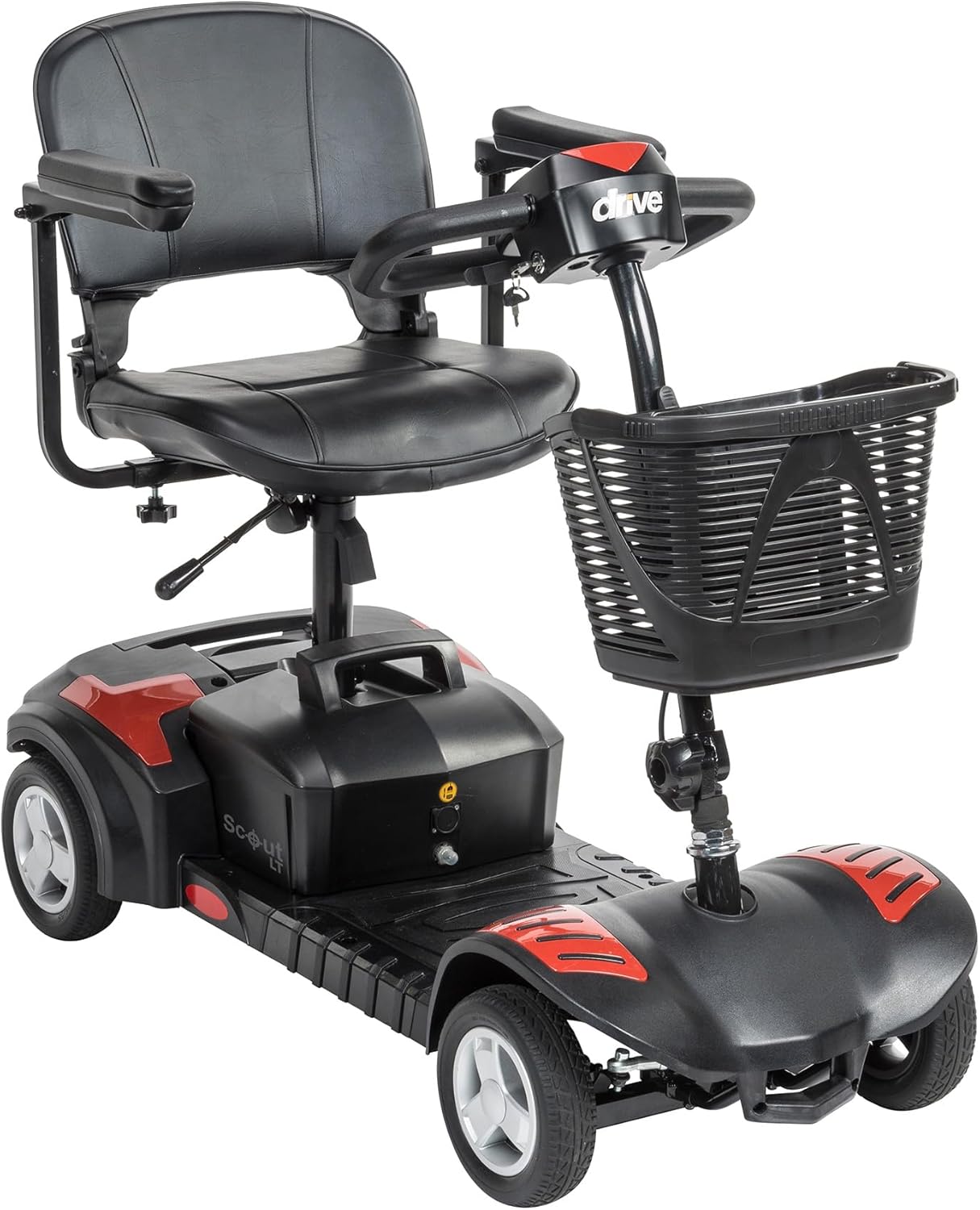
Electric Mobility Scooter

Big Button Mobile Phone

Adjustable Bed Frame
The Massachusetts Senior Circuit Breaker Tax Credit helps eligible seniors reduce their property tax burden significantly. This refundable tax credit is designed for low- to moderate-income homeowners and renters aged 65 and older, offering real financial relief. Understanding the rules and application process can unlock hundreds—or even thousands—of dollars in savings each year.
If you’re a senior living in Massachusetts, rising property taxes can feel like a heavy weight on your shoulders—especially if you’re living on a fixed income. You’ve worked hard, paid your dues, and now you just want to enjoy your golden years without worrying about how you’ll afford to stay in your home. The good news? Massachusetts offers a powerful tool to help: the Senior Circuit Breaker Tax Credit.
This tax credit isn’t just another line on a form—it’s a lifeline for thousands of older residents across the state. Designed specifically for low- to moderate-income seniors, the Circuit Breaker can significantly reduce your property tax burden—or even put money back in your pocket. And the best part? It’s refundable, meaning if the credit exceeds what you owe in taxes, you get the difference as a refund.
In this guide, we’ll walk you through everything you need to know about the Massachusetts Senior Circuit Breaker Tax Credit: who qualifies, how much you could save, how to apply, and tips to avoid common mistakes. Whether you own your home or rent, live in Boston or the Berkshires, this credit could make a real difference in your financial well-being. Let’s dive in.
Key Takeaways
- Who Qualifies: Massachusetts residents aged 65+ with income and property value limits may be eligible for the Circuit Breaker Tax Credit.
- Refundable Credit: Unlike deductions, this credit can result in a tax refund even if you owe no taxes, making it especially valuable for fixed-income seniors.
- Property Tax Relief: The credit is based on actual property taxes paid (or rent, for renters), up to a maximum cap set annually by the state.
- Application Process: File Form CB with your Massachusetts state income tax return, including proof of property tax or rent payments.
- Annual Renewal Required: The credit must be claimed every year—it does not auto-renew, so timely filing is essential.
- Combined Benefits: Seniors can often pair the Circuit Breaker with other tax breaks, like the Senior Exemption or federal credits.
- Free Help Available: Local councils on aging and volunteer tax programs offer free assistance to help seniors apply correctly.
📑 Table of Contents
- What Is the Massachusetts Senior Circuit Breaker Tax Credit?
- Who Is Eligible for the Circuit Breaker Tax Credit?
- How Much Can You Save with the Circuit Breaker?
- How to Apply for the Circuit Breaker Tax Credit
- Common Mistakes to Avoid
- Combining the Circuit Breaker with Other Benefits
- Real-Life Impact: Stories from Massachusetts Seniors
- Conclusion
What Is the Massachusetts Senior Circuit Breaker Tax Credit?
The Massachusetts Senior Circuit Breaker Tax Credit is a refundable state income tax credit available to eligible senior residents. Its purpose is simple: to prevent property taxes from becoming an overwhelming financial burden for older adults on fixed incomes. Think of it as a “circuit breaker” that kicks in when property taxes reach a certain threshold relative to your income—hence the name.
Unlike a tax deduction, which reduces your taxable income, a tax credit directly reduces the amount of tax you owe—dollar for dollar. And because the Circuit Breaker is refundable, if the credit is larger than your tax liability, you receive the excess as a refund. This makes it one of the most valuable tax benefits available to Massachusetts seniors.
The credit is administered by the Massachusetts Department of Revenue (DOR) and is claimed annually when you file your state income tax return. It’s not automatic—you must apply each year by submitting the correct forms and documentation. But for those who qualify, the financial impact can be substantial.
For example, in recent years, the maximum credit has been around $1,170, though the actual amount you receive depends on your income, property taxes paid, and other factors. Even if you don’t owe state income tax, you can still receive the full credit as a refund, which is a huge advantage for retirees living on Social Security or pensions.
Who Is Eligible for the Circuit Breaker Tax Credit?

Visual guide about Massachusetts Senior Circuit Breaker Tax Credit
Image source: repdaverogers.com
Not every senior in Massachusetts automatically qualifies for the Circuit Breaker Tax Credit. The program has specific eligibility requirements designed to target those who need it most. Let’s break down the key criteria.
Age Requirement
You must be at least 65 years old by the end of the tax year. For example, to claim the credit for 2023, you must have turned 65 on or before December 31, 2023. If you turn 65 in 2024, you can first claim the credit on your 2024 tax return, filed in 2025.
Residency Requirement
You must be a full-year resident of Massachusetts. This means you lived in the state for the entire calendar year. Part-year residents or non-residents are not eligible, even if they own property in Massachusetts.
Income Limits
Your total income must fall below certain thresholds, which are adjusted annually for inflation. For the 2023 tax year (filed in 2024), the income limits are:
– $64,000 for single filers
– $80,000 for married couples filing jointly
These limits apply to your total income, including wages, pensions, Social Security, retirement distributions, and other sources. However, not all income is counted equally. For example, Social Security benefits are excluded from the calculation, which helps many seniors stay under the limit.
Property Value and Tax Requirements
If you own your home, the assessed value of your property must not exceed a certain amount. For 2023, the limit is $824,000. This is based on the local assessor’s valuation, not market value. If your home is valued higher, you may still qualify if your actual property taxes are low relative to your income.
You must also have paid property taxes during the tax year. If you rent, you may still qualify—rent payments can be treated as “property taxes” for the purpose of this credit, up to a maximum amount (typically around $14,000 annually).
Filing Status
You must file a Massachusetts state income tax return. Even if you don’t owe any tax, you still need to file to claim the credit. Married couples can file jointly or separately, but both spouses must meet the eligibility requirements if filing jointly.
How Much Can You Save with the Circuit Breaker?

Visual guide about Massachusetts Senior Circuit Breaker Tax Credit
Image source: repdaverogers.com
The amount of the Circuit Breaker Tax Credit depends on several factors, including your income, the amount of property taxes (or rent) you paid, and the maximum credit allowed for the year. The state uses a formula to calculate your benefit, ensuring that those with the greatest need receive the most support.
How the Credit Is Calculated
The credit is based on the difference between your actual property taxes (or allowable rent) and a percentage of your income. Here’s a simplified version of how it works:
1. Determine your “allowable property tax” — this is either your actual property tax bill or, if you rent, a portion of your rent (up to the state’s cap).
2. Calculate 10% of your total income (excluding Social Security).
3. Subtract 10% of your income from your allowable property tax.
4. If the result is positive, that amount becomes your potential credit—up to the annual maximum.
Let’s look at an example:
Maria, a 70-year-old widow, lives in Worcester. She owns her home, which has an assessed value of $350,000. Her property tax bill for 2023 was $4,200. Her total income (excluding Social Security) was $38,000.
– 10% of her income = $3,800
– Allowable property tax = $4,200
– Difference = $4,200 – $3,800 = $400
Maria’s Circuit Breaker credit would be $400. If the maximum credit for the year is $1,170, she receives the full $400.
Now, consider Robert, a 68-year-old renter in Springfield. He pays $1,100 per month in rent ($13,200 annually). His income (excluding Social Security) is $42,000.
– 10% of income = $4,200
– Allowable rent (capped at $14,000) = $13,200
– Difference = $13,200 – $4,200 = $9,000
But the maximum credit is $1,170, so Robert receives the full $1,170—even though his calculated benefit is higher.
Maximum Credit Amounts
The maximum credit is set each year by the Massachusetts Department of Revenue. Recent maximums have been:
– 2023: $1,170
– 2022: $1,140
– 2021: $1,100
These amounts are subject to change, so always check the latest figures when filing.
Refundability: Why It Matters
Because the Circuit Breaker is refundable, seniors who don’t owe state income tax can still receive the full credit as a refund. For example, if your tax liability is $0 but your calculated credit is $800, you’ll receive an $800 refund. This is a game-changer for retirees living on Social Security, which is not taxed at the state level in Massachusetts.
How to Apply for the Circuit Breaker Tax Credit

Visual guide about Massachusetts Senior Circuit Breaker Tax Credit
Image source: quicktaxus.com
Applying for the Circuit Breaker Tax Credit is straightforward, but it requires attention to detail. You must file the correct form and include supporting documentation. Here’s a step-by-step guide.
Step 1: File Your Massachusetts State Income Tax Return
You must file a Massachusetts state income tax return (Form 1 or Form 1-NR/PY) to claim the credit. Even if you don’t owe any tax, you still need to file.
Step 2: Complete Form CB
Form CB, “Senior Circuit Breaker Tax Credit,” is the official form used to claim the credit. It’s available on the Massachusetts DOR website. The form asks for:
– Your personal information (name, SSN, address)
– Filing status
– Total income (with Social Security excluded)
– Property tax or rent paid
– Assessed value of your home (if applicable)
Step 3: Gather Supporting Documents
You’ll need to attach proof of your property tax or rent payments. Acceptable documents include:
– Property tax bill from your local assessor
– Receipts or canceled checks showing tax payments
– For renters: a statement from your landlord or rental agreement showing monthly rent
Keep copies for your records. The DOR may request additional documentation during processing.
Step 4: Submit Your Return
File your return by the deadline—typically April 15. You can file electronically or by mail. If you’re using tax preparation software, make sure it supports Form CB.
Step 5: Wait for Processing
The DOR typically processes returns within 8–12 weeks. If your credit is approved, you’ll receive a refund check or direct deposit. If there’s an issue, you may receive a letter requesting more information.
Tips for a Smooth Application
– File early to avoid delays.
– Double-check all numbers—small errors can delay processing.
– Use free tax help if you’re unsure (see below).
– Keep all receipts and documents for at least three years.
Common Mistakes to Avoid
Even with the best intentions, many seniors make mistakes when applying for the Circuit Breaker Tax Credit. These errors can lead to delays, reduced credits, or even denial. Here are the most common pitfalls—and how to avoid them.
Missing the Age or Residency Requirement
Some seniors assume they qualify because they’re over 65, but forget they must also be full-year residents. If you moved to Massachusetts mid-year, you’re not eligible. Similarly, if you turned 65 in January, you can claim the credit for that year—but not before.
Incorrect Income Reporting
It’s easy to accidentally include Social Security benefits in your income. Remember: Social Security is excluded from the calculation. Also, make sure to include all taxable income, such as pensions, IRA withdrawals, and part-time work.
Using Market Value Instead of Assessed Value
The credit uses the assessed value from your local tax bill, not the market value of your home. Don’t guess—look up your property record online or contact your assessor’s office.
Failing to File Form CB
Some seniors file their tax return but forget to include Form CB. This is a separate form—don’t assume it’s automatic. Check your return carefully before submitting.
Not Keeping Receipts
If you rent, you must prove how much you paid. A landlord’s letter or lease agreement is usually sufficient, but keep copies. For homeowners, keep your tax bill and proof of payment.
Assuming It Auto-Renews
The Circuit Breaker does not carry over from year to year. You must claim it annually. Set a reminder on your calendar each spring to file.
Combining the Circuit Breaker with Other Benefits
One of the best things about the Circuit Breaker Tax Credit is that it can often be combined with other tax benefits for seniors. You don’t have to choose—many programs work together to maximize your savings.
Senior Property Tax Exemption
Some Massachusetts cities and towns offer a senior property tax exemption, which reduces your actual tax bill. For example, Boston offers a $1,913 exemption for qualifying seniors. You can claim this exemption and still apply for the Circuit Breaker—they’re not mutually exclusive.
Federal Tax Credits
While the Circuit Breaker is a state credit, you may also qualify for federal benefits like the Earned Income Tax Credit (EITC) if you have low income and work part-time. These credits are separate but can add up.
Homestead Exemption
This protects a portion of your home’s value from creditors and can reduce your assessed value for tax purposes. It doesn’t directly affect the Circuit Breaker, but a lower assessed value can help keep you under the eligibility threshold.
Free Tax Preparation Help
Don’t go it alone. Many organizations offer free tax help to seniors:
– **AARP Tax-Aide:** Volunteers help low- to moderate-income taxpayers, especially those over 50.
– **Local Councils on Aging:** Most towns have COAs that offer tax assistance during tax season.
– **VITA (Volunteer Income Tax Assistance):** IRS-sponsored program for people earning $60,000 or less.
These services are free, confidential, and can help you claim every credit you’re entitled to.
Real-Life Impact: Stories from Massachusetts Seniors
The Circuit Breaker Tax Credit isn’t just numbers on a form—it’s real money that helps real people. Here are a few examples of how it’s made a difference.
Margaret, 72, lives in a modest home in Lowell. Her property taxes were $3,800 last year, and her income was $45,000. After calculating her credit, she received a $920 refund. “That covered my winter heating bill,” she said. “I was so relieved.”
James, 69, rents an apartment in Cambridge. He pays $1,400 a month and lives on a fixed pension. His income is $36,000. He received the maximum credit of $1,170. “I used it to pay for my medications,” he shared. “It’s a lifeline.”
These stories show that the Circuit Breaker isn’t just about taxes—it’s about dignity, security, and peace of mind.
Conclusion
The Massachusetts Senior Circuit Breaker Tax Credit is one of the most valuable financial tools available to older residents. It’s designed to protect seniors from the crushing burden of rising property taxes, offering real, measurable relief—especially for those on fixed incomes.
By understanding the eligibility rules, knowing how the credit is calculated, and filing correctly each year, you can take full advantage of this benefit. Whether you own your home or rent, live in a city or a rural town, the Circuit Breaker could put hundreds of dollars back in your pocket.
Don’t leave money on the table. Gather your documents, check your eligibility, and file Form CB with your state tax return. And if you’re unsure, seek help from a trusted tax professional or local senior service organization. Your future self will thank you.
Frequently Asked Questions
Can I claim the Circuit Breaker if I rent my home?
Yes, renters can qualify for the Massachusetts Senior Circuit Breaker Tax Credit. Your rent payments are treated as “property taxes” for the credit calculation, up to a maximum amount set by the state (typically around $14,000 per year).
Do I have to file a tax return to get the credit?
Yes, you must file a Massachusetts state income tax return to claim the Circuit Breaker Tax Credit. Even if you don’t owe any tax, filing is required to receive the refundable credit.
What if my income is slightly over the limit?
If your income exceeds the threshold, you are not eligible for the credit. However, small changes—like contributing to a traditional IRA—can reduce your taxable income and potentially bring you under the limit.
Can I claim the credit if I live in a nursing home?
Yes, as long as you are a full-year Massachusetts resident, aged 65 or older, and meet the income and other requirements. If you pay rent or property taxes on your primary residence, you may still qualify.
How long does it take to receive the refund?
The Massachusetts Department of Revenue typically processes returns and issues refunds within 8 to 12 weeks. Filing electronically and choosing direct deposit can speed up the process.
Is the Circuit Breaker credit available every year?
Yes, the credit is available annually, but you must apply each year. It does not auto-renew, so be sure to file Form CB with your state tax return every spring.