
Low Income Senior Housing Santa Rosa Ca


Electric Recliner Lift Chair

Medical Alert System

Sock Aid for Seniors
Finding low income senior housing in Santa Rosa, CA can provide stability and dignity for older adults with limited financial means. These specially designed communities offer affordable rent, supportive services, and a safe environment tailored to the needs of seniors. With rising living costs and shrinking retirement savings, accessing subsidized housing is more important than ever.
Finding safe, affordable, and dignified housing is one of the biggest challenges facing older adults today—especially in high-cost regions like Northern California. For seniors in Santa Rosa, navigating the landscape of low income senior housing in Santa Rosa, CA can feel overwhelming. Between rising rents, complex application processes, and limited availability, it’s easy to feel discouraged. But you’re not alone. With the right information and support, there are real opportunities to secure stable, comfortable housing that fits your budget.
Santa Rosa sits at the heart of Sonoma County, known for its vibrant community, mild climate, and access to healthcare. Yet even here, the cost of living has climbed steadily over the past decade. According to recent data, the median home price in Santa Rosa exceeds $900,000, and average monthly rent for a two-bedroom apartment hovers around $2,800. For seniors relying on Social Security, pensions, or modest savings, these numbers are simply out of reach. That’s where subsidized senior housing comes in—offering rents capped at 30% of a resident’s adjusted gross income, often resulting in monthly payments under $500.
But how do you find these hidden gems? And what exactly qualifies as “low income”? Let’s break it down.
Key Takeaways
- Low income senior housing in Santa Rosa, CA includes subsidized apartments funded by federal and state programs like HUD and Section 202.
- Eligibility is based on age (62+), income limits, and household size—typically requiring income at or below 50% of the area median income.
- There are currently limited units available, and many listings have waiting lists that can last months or even years.
- Local agencies such as Sonoma County Housing Authority and Area Agency on Aging help applicants navigate applications and benefits.
- Seniors should apply early and keep detailed records to improve their chances of securing housing.
- Some properties offer additional perks like meals, transportation, and wellness programs at no extra cost.
- Exploring nearby areas like Petaluma or Sebastopol may increase options while staying within commuting distance.
📑 Table of Contents
- Understanding Low Income Senior Housing in Santa Rosa
- Types of Low Income Senior Housing Available in Santa Rosa
- How to Qualify for Low Income Senior Housing in Santa Rosa
- Where to Find Listings and Resources
- Tips for Securing Low Income Senior Housing
- The Future of Affordable Senior Housing in Santa Rosa
Understanding Low Income Senior Housing in Santa Rosa
What Is Low Income Senior Housing?
Low income senior housing refers to government-subsidized apartments specifically designed for adults aged 62 and older who meet strict income guidelines. Unlike market-rate rentals, these properties receive funding through federal programs such as the U.S. Department of Housing and Urban Development (HUD) or the U.S. Department of Agriculture’s Rural Development program. This funding allows developers to charge significantly reduced rents while maintaining quality living standards.
In Santa Rosa, most low income senior housing falls under HUD’s Section 202 Supportive Housing for the Elderly program. These developments typically include one- and two-bedroom units, communal dining areas, emergency call systems, and sometimes on-site social workers or activity coordinators. While amenities vary, all aim to create an environment where aging residents can live independently with peace of mind.
Why Is It Important?
For many seniors, losing independent living due to financial strain leads to isolation, poor health outcomes, and increased reliance on family members or institutions. Subsidized housing preserves autonomy, fosters community, and reduces stress around basic needs like shelter. It also opens doors to other services—such as meal delivery, transportation assistance, and wellness checks—that enhance overall quality of life.
Moreover, Santa Rosa’s aging population is growing rapidly. By 2030, over 30% of residents will be 60 or older, according to county projections. Meeting this demand requires not just new construction but also efficient distribution of existing resources.
Types of Low Income Senior Housing Available in Santa Rosa
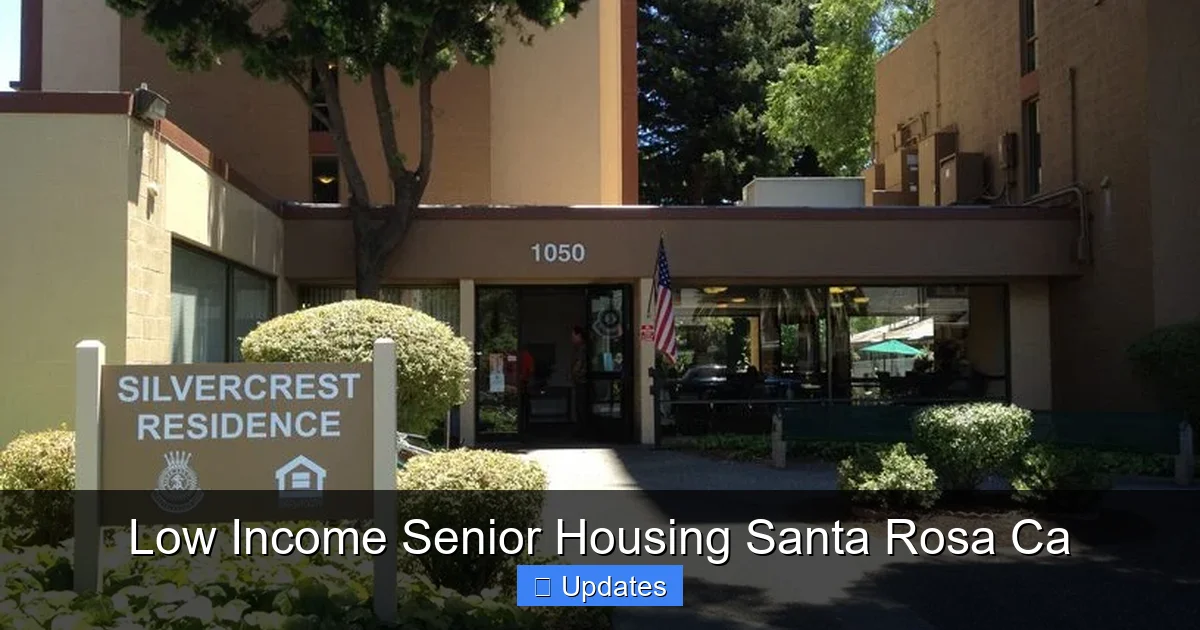
Visual guide about Low Income Senior Housing Santa Rosa Ca
Image source: lowincomehousing.us
Not all senior housing looks the same—and not all are publicly funded. Here’s a quick rundown of options available in the Santa Rosa area:
1. Publicly Funded HUD Properties
These are the most common forms of low income senior housing in Santa Rosa, CA. Examples include:
– **Piner Pointe Apartments**: Located near Highway 101, this 100-unit development offers studios and one-bedrooms with ADA-compliant features.
– **Rinconada Senior Village**: A newer property with shared kitchens, laundry facilities, and a community room.
– **Sonoma Gardens**: Situated close to downtown, this site provides proximity to pharmacies, banks, and public transit.
All operate under HUD oversight, meaning tenants pay no more than 30% of their monthly income toward rent.
2. Nonprofit-Developed Communities
Organizations like Habitat for Humanity or local faith-based groups sometimes partner with housing authorities to build affordable units. While less common in urban Santa Rosa, some satellite locations exist in neighboring towns.
3. Veterans Affairs Supportive Housing (VASH)
If you’re a veteran, VA-funded housing may be available regardless of location. VASH combines rental assistance with case management, making it ideal for those needing extra support.
4. Congregate Housing
These models emphasize communal living—think group meals, organized activities, and shared responsibilities. They’re particularly popular among widowed or disabled seniors seeking companionship.
Keep in mind: private luxury senior communities rarely qualify as “low income.” Always verify subsidy status before applying.
How to Qualify for Low Income Senior Housing in Santa Rosa
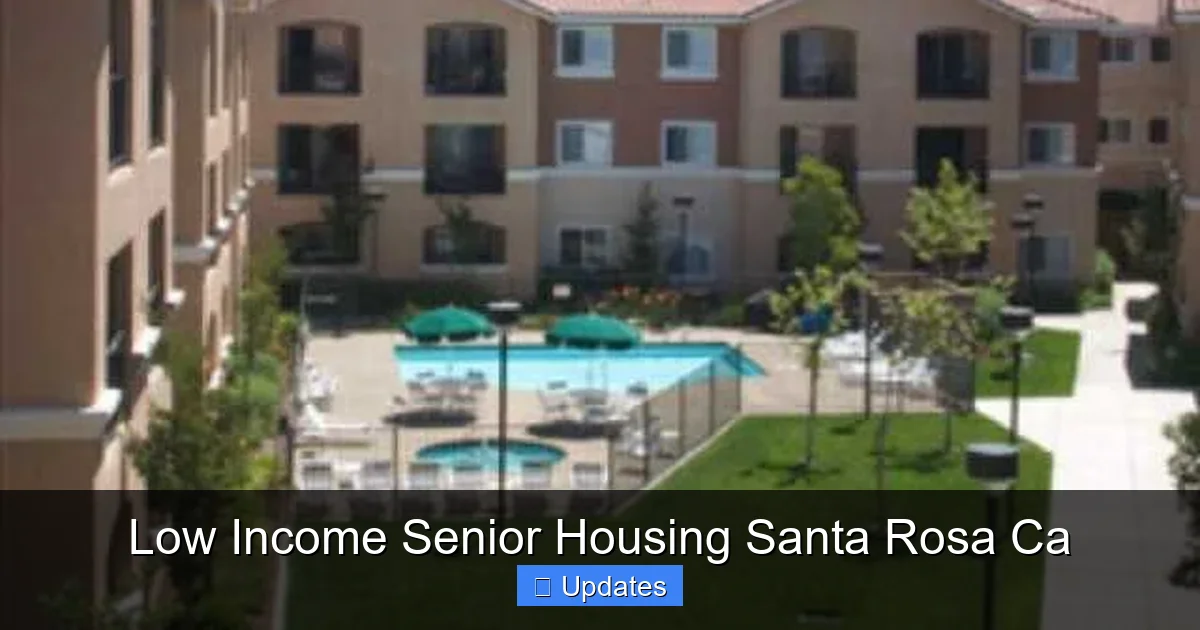
Visual guide about Low Income Senior Housing Santa Rosa Ca
Image source: lowincomehousing.us
Eligibility hinges on three main factors: age, income, and residency.
Age Requirement
You must be at least 62 years old. Some exceptions exist for younger disabled individuals, but they’re rare and require medical documentation.
Income Limits
As of 2024, Santa Rosa’s Area Median Income (AMI) is approximately $120,000 for a four-person household. Low income thresholds usually cap at 50% AMI or lower:
– One person: ~$45,000/year
– Two people: ~$52,000/year
– Three people: ~$60,000/year
Note: Only earned income counts toward this calculation—not investment returns or inheritance. However, if you recently lost a spouse or stopped working, you may still qualify depending on your current situation.
Residency Rules
Applicants must reside in Sonoma County or demonstrate intent to do so. Proof includes utility bills, voter registration, or lease agreements.
Application Process
Most properties use centralized waitlists managed by the Sonoma County Housing Authority. You’ll submit:
– Completed application form
– Proof of income (Social Security statements, pension stubs, etc.)
– Photo ID
– Residency documentation
Processing takes 4–8 weeks. If selected, you’ll undergo a background check and lease review.
Pro tip: Apply as soon as possible! Waitlists often exceed 500 names, and priority goes to those with urgent needs (e.g., homelessness, medical emergencies).
Where to Find Listings and Resources
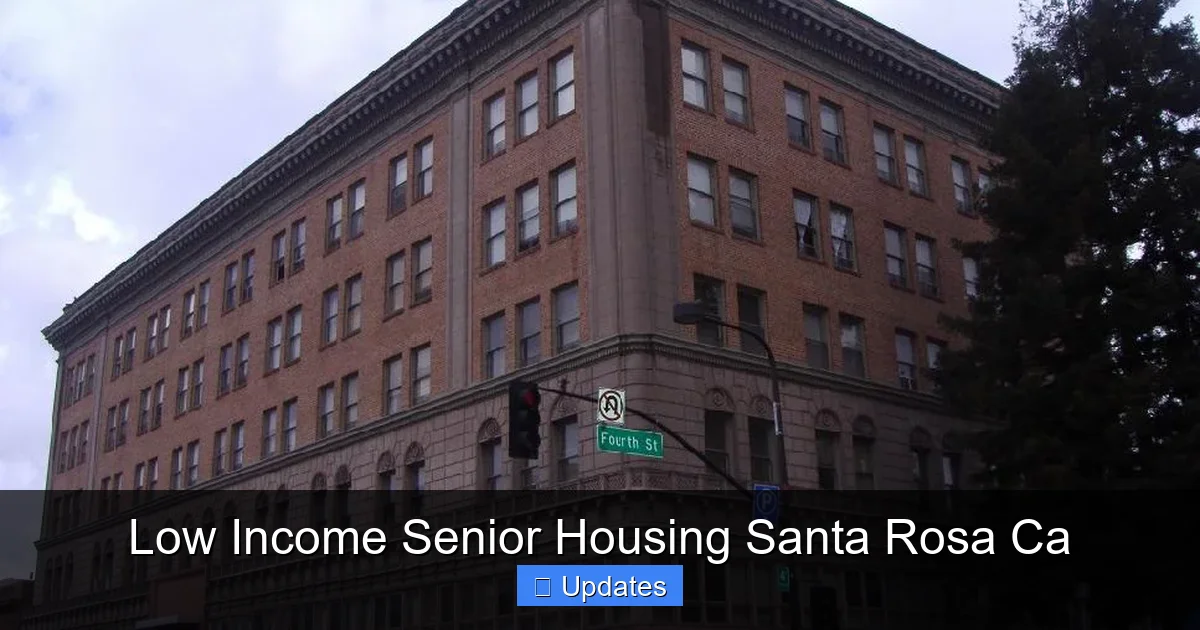
Visual guide about Low Income Senior Housing Santa Rosa Ca
Image source: lowincomehousing.us
Navigating Santa Rosa’s housing landscape doesn’t have to be guesswork. Several trusted sources publish up-to-date listings:
Official Government Channels
Visit HUD.gov and search “Section 202 Santa Rosa.” The site includes interactive maps, unit counts, and contact info for each property.
Local Agencies
– **Sonoma County Housing Authority**: Manages waitlists and provides application assistance. Call (707) 527-5250 or email [email protected].
– **Area Agency on Aging – Marin/Sonoma Counties**: Offers free counseling on housing rights, benefits, and relocation. Schedule a walk-in appointment at 4590 Business Center Dr., Suite 200, Santa Rosa.
– **California Department of Housing and Community Development (HCD)**: Oversees statewide affordable housing initiatives. Their hotline (800) 385-4657 can connect you with regional staff.
Community Organizations
– **Senior Advocacy Network (SAN)**: Runs a referral service for low-income seniors across Northern California.
– **Catholic Charities of Central & Northern California**: Provides case management for vulnerable elders, including housing placement.
Don’t forget digital tools! Websites like SeniorsProTalk.com compile verified listings with photos, floor plans, and resident reviews.
Tips for Securing Low Income Senior Housing
Even with perfect qualifications, competition is fierce. Here’s how to boost your odds:
Apply Broadly
Don’t limit yourself to Santa Rosa. Consider nearby towns like Petaluma (just 15 miles south) or Sebastopol (north of town). Both have active waitlists and similar income requirements.
Stay Persistent
Check your status every 90 days. Sometimes vacancies open unexpectedly due to moves, deaths, or policy changes. Keep copies of all correspondence.
Leverage Support Services
Agencies like the Area Agency on Aging can advocate on your behalf, explain complex rules, and even help fill out paperwork correctly. Bring questions—they’re paid to assist!
Beware Scams
Never pay fees to “guarantee” placement. Legitimate programs never require upfront deposits beyond first month’s rent (which is waived for qualified applicants). Report suspicious calls to the FBI’s Internet Crime Complaint Center.
Consider Co-Housing
If individual units are full, ask about roommate matching services. Sharing rent lowers costs and combats loneliness.
Remember: patience pays off. Many successful applicants waited over two years—but eventually secured housing that transformed their lives.
The Future of Affordable Senior Housing in Santa Rosa
Demand continues to outpace supply. In 2023, only 1,200 subsidized senior units existed countywide—far short of the estimated need for 3,500+. Developers cite high construction costs and restrictive zoning laws as barriers. Meanwhile, federal funding hasn’t kept up with inflation.
However, hopeful signs abound. Recent legislation allocates $20 million to expand elderly housing in Sonoma County through 2026. Local nonprofits are piloting tiny home villages and accessory dwelling units (ADUs) on existing lots. And community land trusts—where land is leased rather than sold—are gaining traction as a way to preserve affordability long-term.
Advocacy matters. Contact your city councilmember and urge them to streamline permitting for senior-friendly developments. Volunteer with organizations like Housing Matters Sonoma to amplify voices of unhoused seniors.
Ultimately, securing low income senior housing in Santa Rosa, CA isn’t just about finding a roof—it’s about reclaiming security, independence, and hope. With persistence and smart strategy, that dream is well within reach.
—
Frequently Asked Questions
What is the average wait time for low income senior housing in Santa Rosa?
Wait times vary by property but generally range from 18 months to over 3 years. Some popular sites like Piner Pointe report waits exceeding 5 years due to high demand and limited units.
Can I apply if my income is slightly above the threshold?
Possibly. Some properties allow exceptions for medical expenses or spousal income if the primary earner has passed away. Contact the Sonoma County Housing Authority for hardship evaluations.
Are pets allowed in low income senior housing?
Many properties welcome emotional support animals with proper documentation. Service dogs are always permitted. Small indoor pets (cats, birds) may be allowed at manager discretion—always ask during application.
Do these housing units include utilities?
Typically, only rent covers base costs. Utilities like electricity, water, garbage, and cable are separate unless specified in the lease. Ask about energy-efficient appliances to reduce bills.
Is there transportation to medical appointments?
Some complexes offer shuttle services or partner with local transit. The Area Agency on Aging can arrange volunteer driver programs or coordinate rideshare discounts.
What happens if I get a raise or inherit money?
Notify the property manager immediately. Income changes may affect eligibility. In some cases, you can remain until the next annual recertification without penalty.
