
Low Income Senior Housing Oregon Coast


Robot Vacuum Cleaner

Smart Digital Photo Frame

Smart Plug with Alexa
Finding low income senior housing on the Oregon Coast can be challenging, but several programs and communities offer affordable living for older adults. These homes provide safe, supportive environments close to nature, healthcare, and community activities. This guide covers eligibility, available properties, and how to apply for assistance so you or your loved one can enjoy a peaceful retirement by the sea.
Living near the Oregon Coast as a senior offers stunning views, fresh air, and a slower pace of life—but affordability can be a concern. For older adults on fixed incomes, finding secure and comfortable housing that fits within budget constraints is vital. That’s where low income senior housing on the Oregon Coast comes into play. These specially designed communities combine affordability with accessibility, offering everything from studio apartments to multi-unit complexes tailored for adults aged 55 and over.
Whether you’re a retiree looking to downsize, someone managing chronic health conditions, or a family member seeking quality care for a loved one, understanding your options is the first step toward peaceful coastal living. In this article, we’ll walk through what low-income senior housing looks like along Oregon’s scenic coastline, how to qualify, where to find it, and how to navigate the application process with confidence.
Key Takeaways
- Eligibility requirements include age (usually 62+), income limits, and residency in Oregon.
- Low income senior housing on the Oregon Coast includes both public housing and nonprofit developments.
- Programs like HUD Section 202 and Oregon’s Housing Authority support affordability.
- Waitlists are common due to high demand, so applying early is essential.
- Some properties offer additional services like meal programs, transportation, and social activities.
- Alternative options include subsidized apartments in nearby cities if coastal spots are full.
- Local Area Agencies on Aging can help with applications and referrals.
📑 Table of Contents
- Understanding Low Income Senior Housing on the Oregon Coast
- Who Qualifies for Low Income Senior Housing?
- Types of Affordable Senior Housing Available Along the Coast
- How to Apply for Low Income Senior Housing on the Oregon Coast
- Additional Resources and Support Services
- Tips for Successfully Securing Affordable Senior Housing
- Conclusion: A Peaceful Coastal Retirement Is Within Reach
Understanding Low Income Senior Housing on the Oregon Coast
The term “low income senior housing” refers to government-assisted or nonprofit-supported residential options specifically designed for older adults who meet certain financial and age criteria. On the Oregon Coast, these homes are often located in towns like Astoria, Newport, Coos Bay, Florence, and Seaside—each offering unique charm and access to beaches, trails, and local services.
Unlike traditional retirement communities that may charge market-rate rent, low income senior housing operates under strict affordability rules. Rent is typically capped at 30% of a resident’s monthly income, ensuring that even those relying solely on Social Security or pensions can afford stable housing. Many units also include utilities, basic maintenance, and sometimes even meals or housekeeping services.
Importantly, while the phrase “Oregon Coast” evokes images of oceanfront condos and vacation rentals, true low income senior housing is more modest—often built as single-story buildings with wide doorways, grab bars, emergency call systems, and proximity to medical clinics. The goal isn’t luxury; it’s dignity, safety, and independence.
Who Qualifies for Low Income Senior Housing?
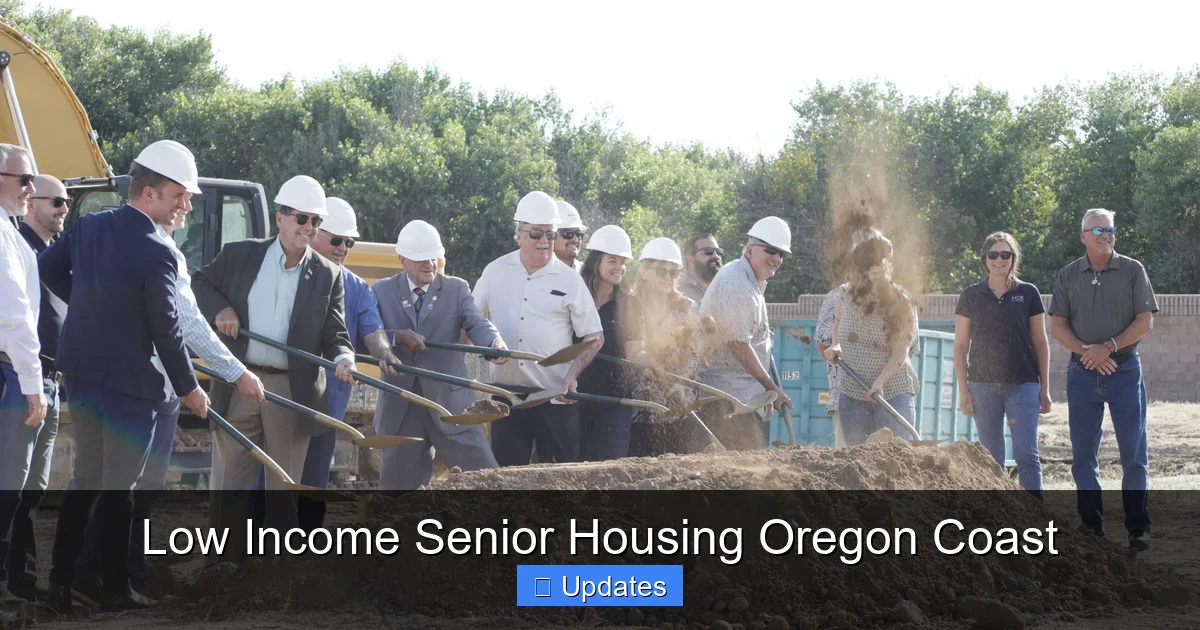
Visual guide about Low Income Senior Housing Oregon Coast
Image source: calcoastnews.com
Eligibility for low income senior housing on the Oregon Coast depends on three main factors: age, income level, and residency status.
First, applicants must be at least 55 years old—though some properties require residents to be 62 or older. Next, their household income must fall below a specific threshold set by federal or state guidelines. As of recent data, this usually means earning no more than 50–80% of the area median income (AMI) for the county where the property is located. For example, in Lincoln County (home to Newport), the AMI might be around $70,000 annually, so a qualifying single person would need an annual income under $45,000.
Finally, applicants must be U.S. citizens or legal residents and reside in Oregon. Preference is often given to veterans, individuals with disabilities, or those experiencing homelessness or housing instability.
It’s important to note that “low income” doesn’t mean extremely poor—it simply means your income isn’t enough to afford typical rental costs without assistance. Most seniors on fixed incomes, including those receiving SSI, SSDI, or pension benefits, will qualify based on earnings alone.
Types of Affordable Senior Housing Available Along the Coast

Visual guide about Low Income Senior Housing Oregon Coast
Image source: calcoastnews.com
There are several models of low income senior housing on the Oregon Coast, each serving different needs and budgets.
Public Housing Authorities (PHAs) operate many affordable units through HUD funding. These include scattered-site apartments throughout coastal towns or dedicated senior-only complexes. Properties managed by Oregon’s PHAs often have waiting lists, but they offer reliable subsidies and tenant protections.
Nonprofit Developments such as those run by Habitat for Humanity affiliates or faith-based organizations frequently provide lower rents than private landlords. Some nonprofits partner with local governments to build accessible housing tailored for seniors with mobility challenges.
Supportive Housing Programs go beyond shelter—they integrate healthcare, counseling, and daily living support. While less common on the coast, select facilities in urban centers like Newport may offer assisted living options for seniors needing help with medication management or personal care.
Another growing trend is Coastal Cooperative Living, where groups of seniors pool resources to lease entire houses or duplexes together. Though not always subsidized, these arrangements can reduce individual costs significantly while fostering community.
Regardless of type, all legitimate low income senior housing must comply with Fair Housing laws and ADA standards—meaning ramps, elevators, and accessible bathrooms are standard features.
How to Apply for Low Income Senior Housing on the Oregon Coast

Visual guide about Low Income Senior Housing Oregon Coast
Image source: lowincomehousing.us
Applying for affordable senior housing begins with identifying available properties. Start by visiting the website of your local Public Housing Authority—for coastal counties, this includes:
– **Lincoln County Housing Authority** (covers Newport and surrounding areas)
– **Douglas County Housing Authority** (serves Reedsport, Winston, and Roseburg near the southern coast)
– **Coos County Housing Authority** (manages listings in Coos Bay and Charleston)
Each agency maintains a list of approved developments, application deadlines, and current waitlist status. You can also contact them directly via phone or email to request paper applications if online forms aren’t available.
Once you’ve chosen a property, gather required documents before submitting your application. Typical materials include:
– Proof of age (birth certificate or driver’s license)
– Recent pay stubs or benefit statements (Social Security award letter, pension info, etc.)
– Tax returns from the past two years
– Identification (state ID or passport)
– Lease history (if currently renting)
After submission, your application enters a queue based on date received and priority category (such as disability status or veteran preference). Wait times vary widely—some applicants are approved within weeks, others wait over a year.
Pro tip: Don’t assume every listed property has openings. Always confirm availability before traveling to inspect units. And consider signing up for multiple waitlists—this increases your chances of securing housing sooner.
Additional Resources and Support Services
Beyond physical housing, many low income senior programs on the Oregon Coast offer wraparound support to enhance quality of life.
Meal Delivery and Nutrition Programs: Organizations like Meals on Wheels deliver hot lunches or dinners to homebound seniors, often at little or no cost. Recipients must meet income guidelines and be unable to prepare food safely.
Transportation Assistance: Nonprofits such as Senior Mobility Connections provide free or low-cost rides to medical appointments, grocery stores, and social events. Scheduling ahead is usually required.
Utility Assistance: The Low-Income Home Energy Assistance Program (LIHEAP) helps cover heating bills, especially critical during Oregon’s damp winters. Eligible households receive direct payments to utility providers.
Social and Recreational Activities: Many senior housing communities host bingo nights, walking clubs, art classes, and seasonal festivals. These events reduce isolation and promote mental wellness.
For personalized guidance, reach out to your local Area Agency on Aging. In Lane County (which includes Florence), dial 541-342-5392; in Douglas County, call 541-672-3322. Staff there can connect you with housing counselors, legal aid, and case managers who understand regional resources.
Tips for Successfully Securing Affordable Senior Housing
If you’re hoping to move into low income senior housing on the Oregon Coast, here are practical steps to improve your odds:
1. **Apply Early and Often**: Even if a property seems perfect, don’t hesitate to add yourself to its waitlist. Consider nearby inland cities too—sometimes Spokane or Eugene have shorter lines.
2. **Stay Organized**: Keep copies of all submitted forms and correspondence. Follow up monthly if possible.
3. **Network Locally**: Attend senior center meetings or church gatherings in coastal towns. Word-of-mouth referrals sometimes lead to hidden opportunities.
4. **Explore Alternative Funding**: If rent exceeds your budget slightly, ask about “project-based” vouchers that cover the gap. Some churches or charities also sponsor rent subsidies for elderly members.
5. **Be Flexible About Location**: While ocean views are lovely, inland communities like Roseburg or Grants Pass may have faster approval timelines and better amenities.
Remember, persistence pays off. Thousands of seniors successfully transitioned to affordable housing each year—and you can too.
Conclusion: A Peaceful Coastal Retirement Is Within Reach
Finding low income senior housing on the Oregon Coast may seem daunting, but with the right information and support, it’s absolutely achievable. From Lincoln County to Coos Bay, dedicated agencies and compassionate nonprofits work tirelessly to ensure older adults can age in place with comfort and security.
Whether you dream of morning walks along Cannon Beach, sharing stories at a community potluck, or simply enjoying quiet evenings in a well-maintained apartment, these housing options make that vision possible. By understanding eligibility, preparing strong applications, and tapping into local resources, you open the door to a fulfilling chapter of life by the sea.
Take the first step today—contact your nearest Housing Authority or Area Agency on Aging. Your golden years deserve more than just affordability; they deserve peace, connection, and a home you love.
—
Frequently Asked Questions
What is the average wait time for low income senior housing on the Oregon Coast?
Wait times vary by location and demand, but many coastal housing authorities report waits of 6 months to 2 years. Applying early and monitoring multiple lists increases your chances of getting an opening sooner.
Can I bring my pet to low income senior housing on the Oregon Coast?
Pet policies differ by property, but many coastal senior housing communities allow small pets like dogs or cats with landlord approval. Some may require renters insurance or limit breed sizes—check with individual sites.
Are utilities included in rent for low income senior housing?
In most cases, yes. Subsidized senior housing typically bundles water, sewer, garbage, and sometimes electricity or gas into the monthly rent to keep costs predictable and low.
What if I don’t meet the income requirement exactly?
If your income slightly exceeds the cutoff, you may still qualify depending on deductions, family size, or special circumstances like medical expenses. Contact the housing authority for a pre-screening.
Is there transportation to medical appointments from senior housing on the Oregon Coast?
Yes—many programs partner with volunteer drivers or public transit agencies to provide affordable rides to clinics, pharmacies, and hospitals. Call your local Area Agency on Aging for scheduling details.
Can I apply for low income senior housing if I already own a home?
Owning a primary residence generally doesn’t disqualify you, but assets above a certain threshold may affect eligibility. Review HUD’s asset limits and consult a housing counselor before applying.