
Low Income Senior Housing Janesville Wi


LED Clip Reading Light

Large Button TV Remote

Compression Socks
Low income senior housing in Janesville, Wisconsin offers safe, affordable living for older adults on fixed incomes. These communities provide essential support services, accessibility features, and a sense of belonging. Many programs are funded through HUD or state initiatives to help seniors age with dignity and independence.
Finding a place to live shouldn’t feel overwhelming—especially when you’re a senior on a fixed income. In Janesville, Wisconsin, there are real options for low income senior housing that prioritize comfort, safety, and community. Whether you’re looking for an apartment with ramps and grab bars or one that offers weekly meals and social events, local resources can help you find a home that fits your needs and budget.
The good news? You don’t have to navigate this alone. With help from federal programs like Section 8 Housing Choice Vouchers and state-supported senior housing grants, many older adults in Janesville pay less than half their income toward rent. That leaves more room for doctor visits, groceries, and even a little extra joy each month. Below, we’ll walk you through what’s available, how to qualify, where to apply, and tips for making the most of these valuable resources.
Key Takeaways
- Affordable Options Exist: Multiple low income senior housing communities in Janesville accept Section 8 vouchers and HUD subsidies to keep rent manageable for seniors.
- Eligibility Based on Income: Most programs require applicants to be 62+ and have household income at or below 50% of the area median income (AMI) in Rock County.
- Supportive Services Available: Many complexes offer meal programs, transportation, wellness checks, and social activities tailored for older adults.
- Waitlists Can Be Long: Popular Janesville senior housing often has waiting lists—some lasting years—so applying early is crucial.
- Location Matters: Central Janesville locations near medical clinics, grocery stores, and public transit make daily life easier for seniors.
- Nonprofit Providers Lead the Way: Organizations like Lutheran Social Services and local churches operate several affordable housing units in the area.
- Application Process Is Straightforward: Applicants submit proof of age, income, residency, and preferences through official housing authorities.
📑 Table of Contents
- Understanding Low Income Senior Housing in Janesville
- How to Qualify for Low Income Senior Housing in Janesville
- Top Low Income Senior Housing Communities in Janesville
- Applying for Low Income Senior Housing: Step-by-Step Guide
- Financial Assistance Beyond Rent Subsidies
- Community Resources Supporting Janesville Seniors
- Facing Challenges? Here’s How to Get Help
- Looking Ahead: The Future of Senior Housing in Janesville
- Final Thoughts: You Deserve a Comfortable Place to Call Home
Understanding Low Income Senior Housing in Janesville
When people talk about low income senior housing in Janesville, they usually mean affordable rental apartments designed specifically for adults aged 62 and over. These aren’t just any old buildings—they’re purpose-built (or renovated) to meet the physical and emotional needs of aging residents. Think wider doorways, emergency call systems in bathrooms, no stairs, and staff who understand geriatric care challenges.
Many of these communities are managed by nonprofit organizations or local governments rather than private landlords. This means they follow strict rules set by the U.S. Department of Housing and Urban Development (HUD). For example, rent is capped based on your income, and utilities might be included. Some even offer meal plans, housekeeping, or scheduled transportation—things that reduce stress and isolation.
It’s also worth noting that while the term “low income” sounds limiting, it actually opens doors to financial assistance that wouldn’t otherwise exist. Without these subsidies, many seniors would struggle to afford even basic housing in today’s market. But thanks to programs like HUD’s Section 811 Supportive Housing for Persons with Disabilities and Wisconsin’s Housing and Urban Development (WDH) funding, Janesville maintains several dedicated senior housing properties.
Types of Affordable Senior Housing Available
Not all low income senior housing looks or functions the same way. In Janesville, you’ll find a mix of property types depending on funding sources and resident needs:
– **HUD-Section 8 Senior Apartments**: These are fully subsidized units where the government pays part of the rent directly to the landlord. Residents only pay 30% of their adjusted gross income.
– **Public Housing for Seniors**: Operated by the Janesville Housing Authority, these include developments like Lincoln Terrace and Oak Ridge Commons.
– **Supportive Housing Communities**: Some complexes combine housing with health services—like memory care wings or partnerships with local clinics.
– **Church- or Nonprofit-Managed Properties**: Groups like St. Mary’s Parish or Lutheran Social Service run smaller-scale homes with strong community ties.
– **Senior Co-Housing Models**: A newer trend includes shared-living spaces where residents cook together, garden, and organize events.
Each type has its own application process, eligibility rules, and wait times. But all aim to create environments where aging adults can thrive physically, socially, and emotionally.
How to Qualify for Low Income Senior Housing in Janesville

Visual guide about Low Income Senior Housing Janesville Wi
Image source: horizonapartmenthomes.com
The first step toward securing affordable housing is understanding who qualifies. While every program has slightly different criteria, most follow national standards set by HUD. Here’s what you generally need:
– **Age Requirement**: You must be at least 62 years old (though some disability waivers allow younger applicants).
– **Income Limits**: Your annual household income must fall at or below 50% of Rock County’s Area Median Income (AMI). As of 2024, that threshold is roughly $38,000 for a single person and $43,000 for a couple.
– **Citizenship Status**: U.S. citizens or eligible noncitizens can apply; documentation like birth certificates or green cards may be required.
– **Background Check**: Like any rental, applicants undergo criminal history and eviction screening—but many programs offer exceptions for minor offenses unrelated to resident safety.
To confirm your eligibility, start by visiting the HUD website. They publish annual income limits by county and household size. Then reach out to Janesville’s Housing Authority at (608) 756-2990 or email [email protected].
Pro tip: Gather documents ahead of time! Bring copies of:
– Birth certificate or passport
– Social Security card(s)
– Recent tax returns or pay stubs
– Proof of residency (utility bill, lease agreement)
– Medical records if applying under disability provisions
Common Misconceptions About Eligibility
One big myth is that only extremely poor seniors qualify. In reality, someone earning $35,000 annually—well above poverty level—can still meet income requirements if it’s below the AMI cap. Another misconception? That you must be homeless or disabled to apply. Not true! Stable but low-income seniors benefit greatly from subsidized housing too.
Also, don’t assume you’ll get turned away because of past credit issues. Many housing authorities work with applicants to resolve minor problems before denying applications.
Top Low Income Senior Housing Communities in Janesville
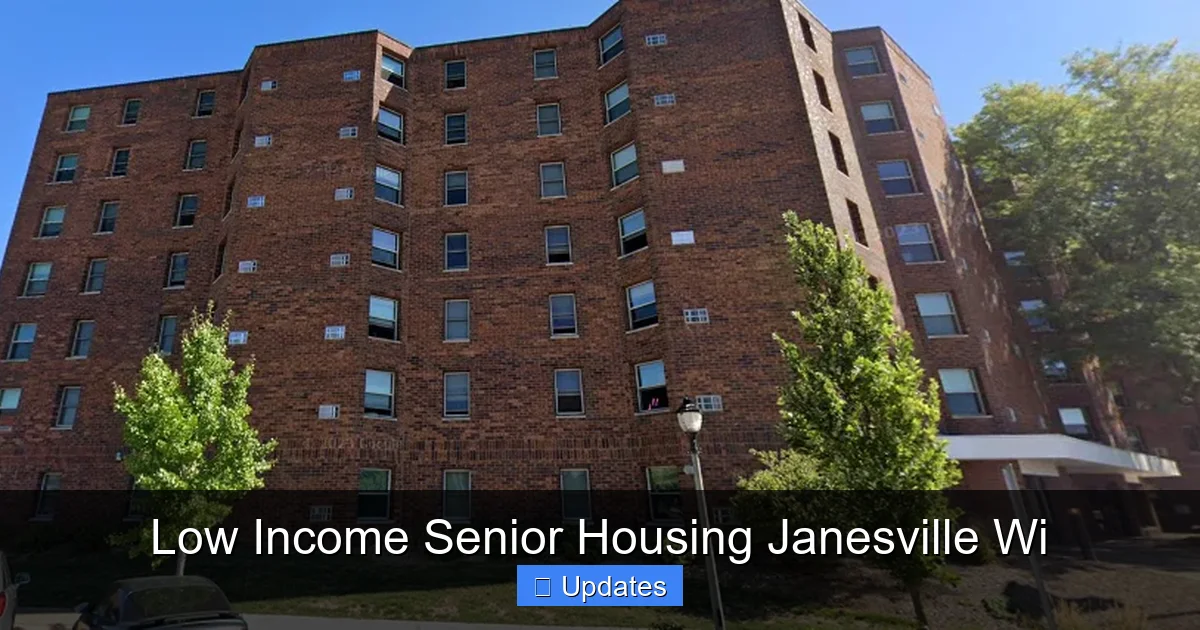
Visual guide about Low Income Senior Housing Janesville Wi
Image source: publichousing.com
While new developments pop up occasionally, most established low income senior housing in Janesville falls into a few reliable categories. Below are some of the best-known options as of 2024:
**Lincoln Terrace Apartments**
Managed by the Janesville Housing Authority, Lincoln Terrace offers 48 one-bedroom units for seniors. Rent is strictly based on income, and utilities are included. On-site laundry, wheelchair access, and monthly bingo nights make it a favorite among locals. Waitlist status: moderate (apply now!).
**Oak Ridge Commons**
This 60-unit complex near Mercyhealth Hospital provides studio and one-bedroom units with emergency pull cords and ADA-compliant fixtures. Weekly meal delivery and volunteer-led exercise classes add extra value. Funded partly by WDH grants.
**St. Mary’s Senior Residences**
Run by the Catholic Diocese of Madison, this small complex features 16 units with shared kitchens and gardens. Residents enjoy chapel services, meal programs, and transportation to nearby shopping centers. Ideal for faith-based seniors seeking quiet companionship.
**Lutheran Social Service Housing**
LSS operates two properties—one near downtown Janesville and another off Highway 51. Both include case management support, so if you need help navigating Medicare or Meals on Wheels, staff are ready to assist.
**Wisconsin Veterans Homes (nearby option)**
Though technically outside Janesville proper, veterans aged 65+ can access low-cost assisted living through this state-run facility in Tomah. It’s ideal if you served honorably and want military-friendly care.
*Note: Availability changes frequently. Always call ahead or check online portals like CareersBuilder.com for current openings.*
Comparing Amenities Across Properties
| Feature | Lincoln Terrace | Oak Ridge Commons | St. Mary’s |
|————————–|——————|——————–|————|
| Utilities Included | Yes | Partial | No |
| Wheelchair Access | Full | Full | Limited |
| Weekly Meals | No | Yes | Yes |
| Transportation Service | No | Yes | Yes |
| Pet Policy | Cats allowed | No pets | Small dogs |
Choosing between them depends on your priorities. If mobility is key, Lincoln Terrace wins. If meals matter most, go with Oak Ridge or St. Mary’s.
Applying for Low Income Senior Housing: Step-by-Step Guide
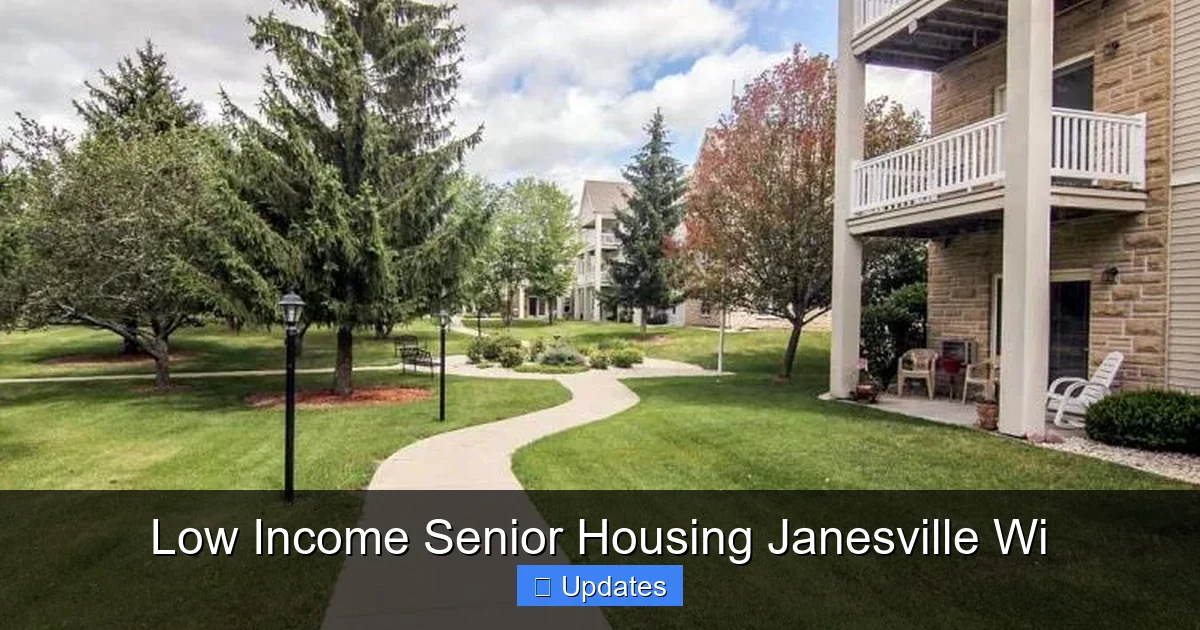
Visual guide about Low Income Senior Housing Janesville Wi
Image source: s3.amazonaws.com
Once you’ve identified suitable properties, the application process begins. Don’t worry—it’s simpler than it seems!
1. **Contact the Property Manager**: Call or visit the leasing office of your top choice(s). Ask about current waitlist status and required forms.
2. **Complete the Application**: Fill out both the individual and household sections honestly. Include everyone living in the unit, even grandchildren visiting regularly.
3. **Submit Documentation**: Drop off or mail your paperwork within 10 days. Late submissions restart the queue.
4. **Attend an Interview**: Most managers schedule a brief chat to discuss lifestyle preferences and support needs.
5. **Wait for Notification**: Processing takes 6–12 weeks. You’ll receive a letter if approved or placed on a list.
6. **Sign the Lease**: Once offered a unit, review the contract carefully. Pay attention to pet policies, guest rules, and maintenance procedures.
For fastest results, apply to multiple places simultaneously—just remember that overlapping waitlists can cause delays.
Tips for a Successful Application
– **Apply Early**: Even if you’re not ready to move tomorrow, submitting now puts you ahead of future applicants.
– **Be Specific About Needs**: Mention if you use a walker, need dialysis twice weekly, or rely on oxygen. This helps match you with supportive housing.
– **Bring a Reference**: A neighbor, pastor, or doctor who can vouch for your character speeds up approvals.
– **Check for Special Programs**: Some complexes reserve spots for widows, disabled veterans, or those escaping domestic violence.
Financial Assistance Beyond Rent Subsidies
Subsidized rent is just the beginning. Many Janesville senior housing programs offer additional financial relief:
– **Utility Allowances**: HUD calculates a “utility allowance” that reduces your rent if you pay separately for electricity, gas, or water.
– **Security Deposit Waivers**: Low-income seniors often don’t have to pay upfront deposits.
– **Moving Cost Help**: Some nonprofits cover first-month rent or deposit fees for qualified applicants.
– **Food Pantry Partnerships**: On-site pantries stock canned goods, bread, and fresh produce at no cost.
– **Prescription Discount Cards**: Provided through pharmacy partnerships to lower medication costs.
Ask your property manager about these extras during your interview. They’re common but not always advertised!
Other Ways to Stretch Your Budget
Even after moving in, there are smart ways to save:
– Use Medicare Part D for prescription savings.
– Enroll in Meals on Wheels to cut grocery expenses.
– Join senior discounts at local restaurants, movie theaters, and pharmacies.
– Volunteer 10 hours per month—many housing complexes reward this with reduced rent.
Community Resources Supporting Janesville Seniors
Living independently doesn’t mean doing everything solo. Janesville boasts a robust network of agencies that complement low income senior housing:
– **Rock County Aging & Disability Resource Center (ADRC)**: Offers free counseling, benefit enrollment help, and caregiving advice. Call (608) 757-5600.
– **Janesville Public Library**: Hosts tech tutoring, book clubs, and computer classes every Tuesday afternoon.
– **YMCA Senior Fitness Program**: Low-cost yoga and strength training for ages 65+. Scholarships available.
– **Veterans Affairs Community Outreach**: Connects veterans with housing, healthcare, and benefits.
– **Faith-Based Food Pantries**: St. John’s Episcopal, First Lutheran, and Grace Baptist all serve seniors weekly.
These services integrate smoothly with housing life. For instance, your property might partner with ADRC to host quarterly benefit fairs right in the lobby.
Transportation Made Easy
Getting around without a car is possible! Options include:
– **Free Paratransit Service**: Call (608) 755-3333 to book rides anywhere in Janesville.
– **Senior Shuttle Routes**: Operated by the City of Janesville—stops at Walmart, pharmacy, and clinic hubs.
– **Volunteer Driver Networks**: Organized by local churches; perfect for doctor appointments.
Facing Challenges? Here’s How to Get Help
What if your application gets denied? Or what if you lose eligibility due to a raise? Don’t panic. Common issues have solutions:
– **Denied Application**: Request a written explanation. If it’s an error, appeal within 30 days.
– **Waitlist Delays**: Keep updating your contact info. Sometimes vacancies open unexpectedly.
– **Rent Increases**: HUD caps annual rent hikes at inflation rates, so drastic jumps are rare.
– **Eviction Concerns**: Only justified for serious violations. Legal aid is available through Legal Action of Wisconsin.
Remember: persistence pays off. Many seniors spend 2–3 years on waitlists—but eventually secure homes they love.
Looking Ahead: The Future of Senior Housing in Janesville
Demand for low income senior housing continues growing as Baby Boomers age and wages stay flat. Fortunately, Janesville leaders recognize this trend:
– The city recently allocated $1.2 million from its general fund to renovate aging senior complexes.
– Developers are exploring modular housing designs that reduce construction costs.
– New partnerships with UW-Rock County aim to train local workers for maintenance and caregiving roles.
Long-term, expect more mixed-income developments—where market-rate units cross-subsidize affordable ones. This ensures sustainability without excluding middle-class seniors.
Until then, current residents should feel proud: they’re part of a resilient community that values dignity, independence, and mutual support.
Final Thoughts: You Deserve a Comfortable Place to Call Home
Navigating low income senior housing in Janesville can feel daunting, but you’ve got this. Start by listing your must-haves (meals? pets? proximity to family?), then reach out to property managers. Bring your documents, ask questions, and lean on local advocates like ADRC.
Most importantly, remember that affordable doesn’t mean inadequate. Today’s senior housing blends modern amenities with compassionate care. From grab bars to game nights, these spaces are built to honor your experience and enhance your life.
And hey—if Janesville feels too far from loved ones, consider exploring similar programs in nearby cities like Madison or Milwaukee. Sometimes a short drive opens up better opportunities.
You’ve earned this peace of mind. Take the first step today.
Frequently Asked Questions
What is the average wait time for low income senior housing in Janesville?
Wait times vary by property but typically range from 6 months to 2 years. Lincoln Terrace and Oak Ridge Commons are among the busiest, so applying early is strongly recommended.
Can I bring my dog or cat to low income senior housing in Janesville?
Yes, but policies differ. Lincoln Terrace allows cats; St. Mary’s permits small dogs under 25 pounds. Oak Ridge Commons prohibits all pets due to insurance restrictions.
Are utilities included in low income senior housing rent?
It depends on the complex. Lincoln Terrace includes electricity and water. Oak Ridge Commons covers heating only. Always confirm before signing a lease.
Do I need to be disabled to qualify for low income senior housing?
No. Age (62+) and income (below 50% AMI) are the main criteria. Disability status may unlock additional services but isn’t required for basic eligibility.
Is there low income senior housing near Janesville for veterans?
Yes. The Wisconsin Veterans Home in Tomah offers subsidized assisted living for honorably discharged veterans aged 65+. Contact (800) 947-8387 for details.
How do I apply for Section 8 housing in Janesville?
Submit an application to the Janesville Housing Authority either online or in person. Required documents include ID, income verification, and citizenship proof. Visit their office at 22 N Main St for assistance.