
Low Income Senior Housing Vancouver Wa


Non-Slip Bathroom Mat

GPS Tracker for Elderly

Bathroom Grab Bar Set
Navigating low income senior housing in Vancouver, WA can feel overwhelming, but it doesn’t have to be. This comprehensive guide breaks down exactly what options exist, who qualifies, and the step-by-step process to find and apply for affordable senior living in the area. You’ll learn about key programs like HUD subsidies, local non-profit communities, and practical tips to strengthen your application. Whether you’re a senior on a fixed income or a caregiver, this article provides the clear, actionable information needed to secure safe, affordable housing.
Let’s be honest: finding a place to live that is both safe and affordable on a fixed income is one of the biggest challenges facing seniors today. The cost of living keeps rising, while incomes often stay the same. If you’re a senior in Vancouver, Washington, feeling this pressure, you are not alone. The good news is that there are dedicated resources and housing options designed specifically to help. This guide is your roadmap to understanding and accessing low income senior housing Vancouver WA. We’ll walk through everything in plain language, from figuring out if you qualify to actually putting your name on a waitlist. Think of this as a conversation with a knowledgeable friend who wants to help you find a stable, comfortable place to call home.
Key Takeaways
- Multiple Options Exist: Low-income senior housing in Vancouver, WA includes HUD-subsidized apartments, Low-Income Housing Tax Credit (LIHTC) properties, and non-profit community options, each with different rules.
- Strict Income Limits Apply: Eligibility is primarily based on your annual gross income, which must typically be at or below 50-60% of the Area Median Income (AMI) for Vancouver/Clark County.
- Waitlists Are Long & Common: Most affordable senior communities have extensive waitlists, sometimes spanning years. Applying to multiple properties is a crucial strategy.
- Documentation Is Key: You will need comprehensive proof of income, assets, identity, and residency. Having these organized beforehand speeds up the process.
- Local Resources Can Help: Organizations like the Clark County Council on Aging, Affordable Housing Coalition of Clark County, and housing authorities provide free guidance and advocacy.
- Understand the Total Cost: “Affordable” usually means rent is 30% of your adjusted gross income. Be prepared for potential utilities, parking, and other fees not always included.
- Eligibility Extends Beyond Age: While designed for seniors (typically 62+), some “senior” communities serve those 55+ or even 50+ with disabilities, and some have no age minimum but prioritize seniors.
📑 Table of Contents
- Understanding the Landscape: What “Low Income Senior Housing” Really Means
- Vancouver, WA: A Snapshot of the Need and Available Resources
- Step 1: Figuring Out If You Qualify – The Income Test
- Step 2: The Search – Finding Available Properties in Vancouver, WA
- Step 3: The Application Process – Documentation and Patience
- Step 4: Beyond the Basics – Additional Support and Strategies
- Step 5: Moving Forward – After You Get an Offer
- Conclusion: Your Path to Affordable Senior Living in Vancouver
Understanding the Landscape: What “Low Income Senior Housing” Really Means
Before diving into Vancouver specifics, it’s important to understand the terminology. “Low-income senior housing” isn’t just one thing. It’s an umbrella term for several different types of programs and properties, each funded and regulated differently. Knowing the difference helps you target your search effectively.
The Main Types of Affordable Senior Housing
You’ll primarily encounter these three categories:
- HUD-Subsidized Apartments (Section 202/8): These are apartments built or renovated with federal funds from the U.S. Department of Housing and Urban Development (HUD). The government provides a subsidy directly to the property owner, allowing them to charge rent based on your income. Rent is typically set at 30% of your adjusted gross income. These are often considered the gold standard for affordability but have the longest waitlists.
- Low-Income Housing Tax Credit (LIHTC) Properties: These are privately owned apartments that receive federal tax credits in exchange for agreeing to keep rents affordable for a set period (usually 30+ years). They set “income-restricted” rents at a percentage (e.g., 50%, 60%) of the Area Median Income (AMI). You don’t get a direct subsidy; you pay the set low rent. These properties often have more modern amenities but can still have significant waitlists.
- Public Housing for Seniors: Some local housing authorities own and manage dedicated senior buildings. These are also income-based and operate under HUD rules, similar to Section 202 properties.
What about “55+” or “Senior” apartments? Many market-rate apartment complexes advertise as “55+ communities” or “senior living.” These are not inherently affordable. They are age-qualified but charge full market rent. However, some of these communities may have a few income-restricted units set aside. Always ask about income-based or subsidized units specifically.
Vancouver, WA: A Snapshot of the Need and Available Resources
Vancouver, located in Clark County, is part of the Portland metropolitan area but has its own distinct housing market and service network. The area has seen significant growth, which has put immense pressure on affordable housing stock across all age groups. For seniors, this means competition is fierce.
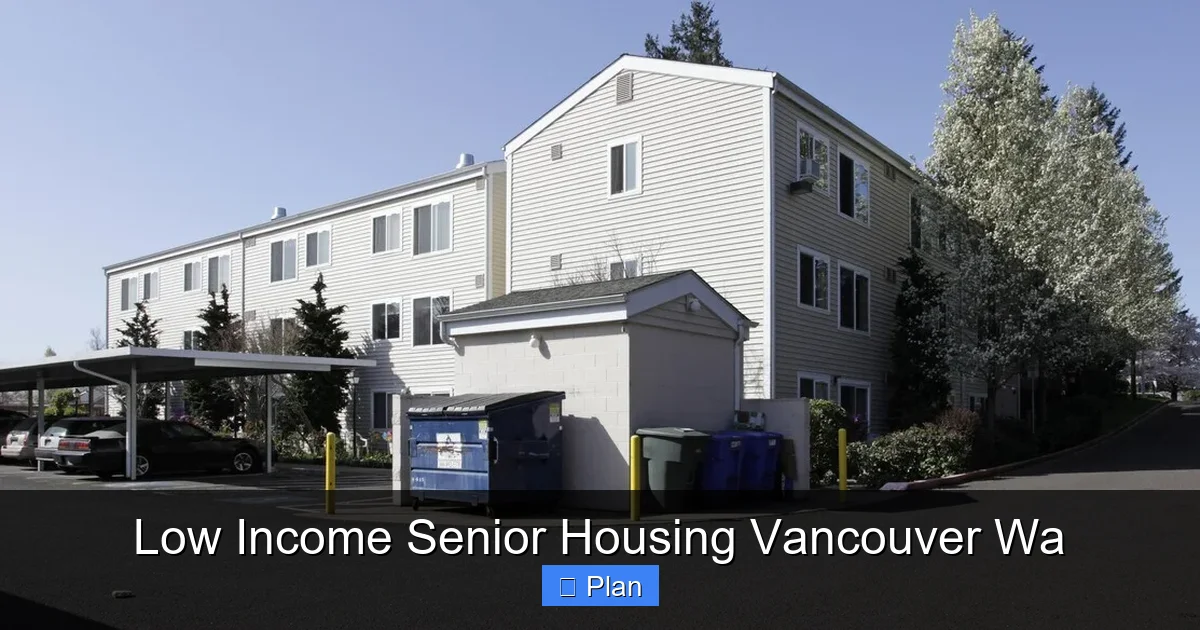
Visual guide about Low Income Senior Housing Vancouver Wa
Image source: publichousing.com
Why Vancouver’s Situation Is Unique
While Washington State has robust housing programs, Clark County’s proximity to Oregon creates a unique dynamic. Some seniors may also consider options across the river in Portland, but residency requirements often apply. It’s crucial to focus your search on Clark County-specific resources. The city and county have recognized the need and have various non-profit and government agencies working to increase the stock of affordable senior housing.
Key Local Players to Know
Your first stops for information should be:
- Clark County Council on Aging: This is your primary advocacy and information hub. They offer a Senior Resource Guide, housing counseling, and can help navigate systems. Their website is an invaluable tool.
- Housing Authority of Clark County (HACC): They administer the Section 8 Housing Choice Voucher program (which can be used at some approved senior properties) and may have information on their own public housing stock or partner properties.
- Affordable Housing Coalition of Clark County: This non-profit maintains a searchable database of affordable housing properties in the area. It’s one of the best tools for seeing what exists and getting contact information.
When you start your search, bookmark these organizations. Their websites are updated regularly with new developments and waitlist openings.
Step 1: Figuring Out If You Qualify – The Income Test
This is the first and most critical gatekeeper. “Low income” is not a vague term; it has a strict, annual definition based on your county’s median income.

Visual guide about Low Income Senior Housing Vancouver Wa
Image source: publichousing.com
What is Area Median Income (AMI)?
HUD calculates the median family income for every metropolitan area each year. For the Portland-Vancouver-Hillsboro, OR-WA Metropolitan Statistical Area (which includes Clark County), the AMI is set. “Low income” for housing programs is defined as a percentage of that AMI. For most senior properties, you must have an annual gross income at or below 50% or 60% of the AMI. These limits change yearly.
How to Check Your Eligibility
1. Find the Current AMI: Search for “HUD Area Median Income 2024 Portland-Vancouver” to find the official chart.
2. Determine Your Household Size: This includes all adults and children who will live with you, even if they are not on the lease.
3. Calculate Your Gross Annual Income: This is your total income before taxes and deductions. It includes Social Security, pensions, SSI/SSDI, wages, retirement account withdrawals, etc. Use your most recent tax return or benefit statements.
4. Compare: See where your household income falls on the income limit chart for your household size.
Example: If the 50% AMI limit for a 1-person household is $36,300, and your only income is $1,200/month in Social Security ($14,400/year), you qualify based on income. If you also have a $500/month pension ($6,000/year), your total is $20,400, still qualifying you.
Important: Some properties use “adjusted income,” which subtracts certain deductions (like a $480 deduction for elderly households). The property manager will calculate this during the application. Your initial check should be on gross income to see if you fall within the published limits.
If your income is slightly above the limit, ask if the property has any “market-rate” units or if there are other local programs that might help bridge the gap. But for true income-based units, you must meet the threshold.
Step 2: The Search – Finding Available Properties in Vancouver, WA
Now that you know you likely qualify, where do you look? This requires patience and a systematic approach.
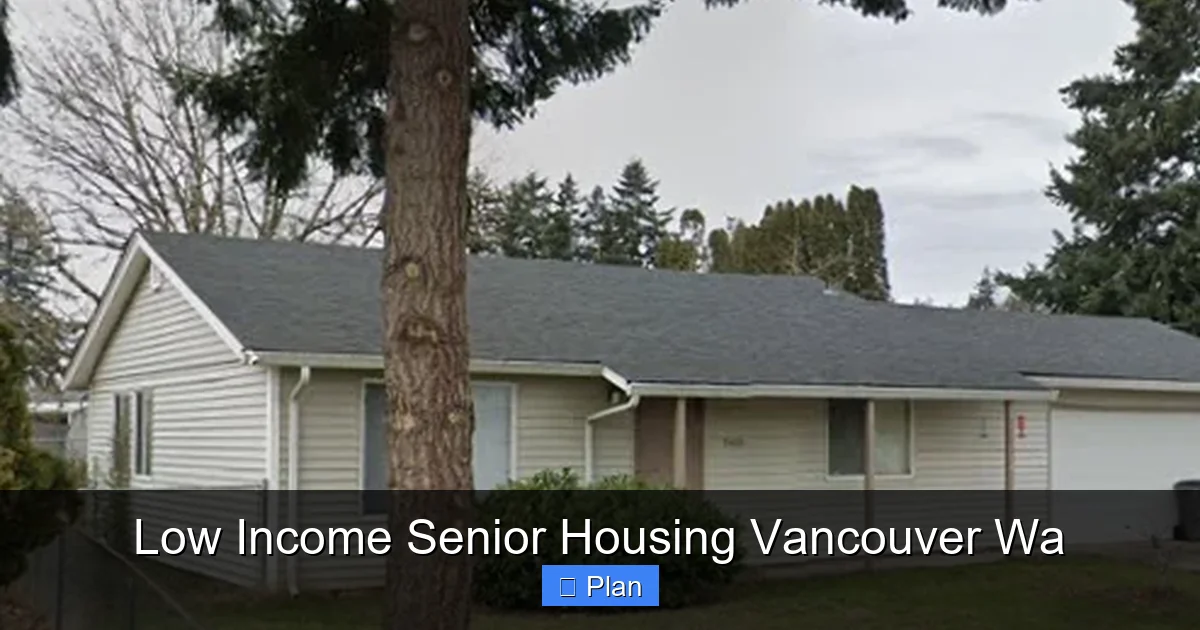
Visual guide about Low Income Senior Housing Vancouver Wa
Image source: lowincomehousing.us
Using Online Databases Effectively
Start with the Affordable Housing Coalition of Clark County’s online directory. Filter by:
- Unit Type: Studio, 1-BR, 2-BR.
- Program Type: Look for “HUD 202,” “LIHTC,” “Public Housing,” or simply “Affordable.”
- Target Population: Select “Senior” or “Elderly.”
Don’t just look at Vancouver city limits; expand your search to all of Clark County, including cities like Battle Ground, Camas, and Washougal. Transportation options may allow you to live further out.
Compiling Your Target List
Create a spreadsheet. For each property that seems like a potential fit, record:
- Name and Address
- Phone Number and Contact Person (if listed)
- Type of Program (HUD, LIHTC)
- Income Limit (e.g., 50% AMI)
- Current Waitlist Status (Open, Closed, Estimated Wait Time)
- Notes (e.g., “has elevator,” “allows pets with deposit”)
This organized list is your command center. It prevents you from calling the same places repeatedly and forgetting details.
Applying to Multiple Properties is Non-Negotiable
Do not put all your eggs in one basket. If a property says the waitlist is 2 years long, you need to be on at least 3-5 other lists. Your goal is to have applications pending everywhere so that when an opening occurs at any one place, you have a chance. It’s a numbers game. When you call, always ask: “Is your waitlist currently open? If not, when do you anticipate reopening, and can I be placed on a notification list?”
Step 3: The Application Process – Documentation and Patience
Once you find a property with an open or acceptably short waitlist, you’ll need to complete a formal application. This is where preparation pays off.
Gathering Your Documentation
Properties will ask for proof of everything. Start gathering these documents now. Have both physical copies and digital scans (PDFs) ready:
- Proof of Income: Most recent award letters from Social Security/SSI, pension statements, last 2-3 pay stubs if working, last year’s tax return.
- Proof of Assets: Bank statements (checking and savings), statements from any retirement accounts (IRA, 401k), life insurance policies.
- Identification: Driver’s license or state ID card, Social Security card, birth certificate.
- Residency Proof: Current lease or mortgage statement, utility bill.
- Citizenship/Immigration Status: For all household members, you’ll need documents like a U.S. passport, birth certificate, permanent resident card, or eligible immigration status documents.
What to Expect During the Application
You’ll fill out detailed forms about your household composition, income, and assets. The property manager will verify this information. They are required by law to screen all applicants equally based on criteria like income eligibility, criminal background (some restrictions apply), and rental history. Be honest and thorough. Incomplete applications are often rejected immediately.
After submission, you will likely receive a letter confirming you are on the waitlist. Keep this letter safe. Note your position on the waitlist if they provide it. Ask about the process for updating your information (e.g., if your income changes).
The Importance of Following Up (Politely)
Waitlists move slowly. It’s appropriate to call the property manager once every 3-6 months to check on your status and confirm your contact information is correct. Be polite and brief. Don’t call weekly. Mark these follow-up dates on your calendar.
Step 4: Beyond the Basics – Additional Support and Strategies
Finding the apartment is just one part. Making it work long-term requires looking at the whole picture.
Understanding Utilities and Total Cost
Ask the key question: “What utilities are included in the rent?” In many affordable properties, you pay your own electricity, gas, water/sewer, and trash. Factor these costs into your budget. Some properties may include water/sewer but not electricity. Use the Utility Cost Estimate tool from the Department of Energy to get a ballpark figure for Vancouver, WA utilities.
Accessing Support Services
Many affordable senior housing properties partner with local service agencies to bring resources directly to residents. This can include:
- Meals on Wheels or Congregate Meal Sites: The Clark County Council on Aging coordinates these.
- Transportation: C-TRAN (Vancouver’s bus system) offers reduced fares for seniors. Some properties may have shuttle services to grocery stores or medical appointments.
- Housekeeping/Personal Care: While not typically included in rent, Medicaid (through a waiver program) or private pay arrangements can cover in-home support. You can learn more about general eligibility for such support by exploring resources on help for low-income seniors.
Ask property managers what on-site or partnered services are available. This can significantly impact your quality of life and ability to age in place.
Pet Policies
For many seniors, a pet is a vital companion. Check pet policies early. Some properties have weight/breed restrictions and charge pet deposits or monthly pet rent. Service animals are always allowed with proper documentation, but emotional support animals have specific rules. Discuss this upfront.
Step 5: Moving Forward – After You Get an Offer
After what can feel like an endless wait, you’ll get a call or letter offering you an apartment. This is an exciting but busy time.
The Move-In Process
You will likely need to complete a final interview and sign a lease. You’ll also need to pay a security deposit (often one month’s rent, which for income-based housing is very manageable) and possibly first month’s rent. Ensure you have a certified check or money order, as many management offices do not accept cash or personal checks for these large payments.
Budgeting for the New Home
Create a post-move budget. Your rent will be predictable (30% of your income), but budget for:
- Utilities
- Renter’s Insurance (highly recommended, and often required)
- Phone/Internet
- Groceries and household supplies
- Transportation
- Medical expenses and premiums
The senior apartment for low-income model is designed to make rent affordable, but the other costs of living remain. Having a clear budget prevents financial stress later.
Building Community
Moving to a new community can be isolating. Make an effort to attend any resident meetings or social activities. These properties often have community rooms and organized events. Building friendships with neighbors creates a support network and makes your new place feel like home.
Conclusion: Your Path to Affordable Senior Living in Vancouver
The journey to securing low income senior housing Vancouver WA is a marathon, not a sprint. It demands organization, persistence, and a clear understanding of the rules. Start by honestly assessing your income against the current AMI limits. Then, use the fantastic local resources like the Clark County Council on Aging and the Affordable Housing Coalition’s database to build your target list. Apply to every suitable property you can find, get on those waitlists, and keep your documentation meticulously organized.
Remember, the wait is long because these are precious, life-changing resources. While you wait, continue to educate yourself. Understanding the basics of how to qualify for low-income senior housing in general will prepare you for any application. Keep your contact information updated with every property. When that call finally comes offering you a home, you’ll be ready. This isn’t just about finding a roof over your head; it’s about securing peace of mind, financial stability, and a community in your senior years. Vancouver, WA has options. With this guide and your determined effort, you can access them.
Frequently Asked Questions
What is the income limit for low-income senior housing in Vancouver, WA?
Income limits change annually. For 2024, for a 1-person household in the Portland-Vancouver area, the 50% AMI limit is approximately $36,300 and the 60% AMI limit is about $43,550. For a 2-person household, these limits are higher. You must verify the current year’s limits on the HUD website or through the Clark County Council on Aging.
How long are the waitlists for subsidized senior apartments in Vancouver?
Waitlists are typically very long, often ranging from 1 to 5 years or more for HUD-subsidized (Section 202) apartments. LIHTC properties may have shorter waits, but it’s still common to wait 6 months to 2 years. Always ask each property for their current estimated wait time when you inquire.
Can I apply for low-income senior housing if I’m under 62?
It depends. Many “senior” properties set their minimum age at 62 to comply with HUD rules for elderly housing. However, some serve those 55+ (per the Housing for Older Persons Act), and a few may have no age minimum but give priority to seniors. If you are under 62 but have a disability, you may qualify for certain disability-priority units. Always ask a property’s specific age and eligibility requirements.
Do I need to be a U.S. citizen to qualify?
You must have eligible immigration status. U.S. citizens and qualified non-citizens (such as lawful permanent residents, refugees, asylees) are eligible. The specific documentation required will be explained during the application process. Undocumented immigrants are generally not eligible for federally subsidized housing programs.
What if my name is on a waitlist but my income or household size changes?
You must immediately report any significant changes in income, household composition, or contact information to the property manager. Your eligibility is recalculated at the time an apartment becomes available. A change could move you up or down the list, or even make you ineligible if your income rises above the limit.
Are there any fees besides rent in low-income senior housing?
Yes. While rent is capped at 30% of your adjusted gross income, you are typically responsible for all utilities (electricity, gas, internet, etc.) unless specified otherwise. There is usually a security deposit (often one month’s rent) and sometimes a pet deposit if you have animals. Always ask for a breakdown of all estimated monthly costs before accepting an apartment.