
Low Income Senior Housing in Wisconsin


Bed Exit Alarm Sensor

Easy Grip Knife Set

Fall Detection Smart Watch
Finding affordable housing as a low-income senior in Wisconsin is more achievable than ever. With state and federal programs designed to support aging adults, you can access dignified, comfortable living options without breaking the bank. Whether you’re looking for subsidized apartments, community-based care, or assisted living support, this guide walks you through every step—from qualifying to applying.
If you’re a senior in Wisconsin living on a fixed income—Social Security, pension, or retirement savings—you know how tight housing costs can be. Rising rent, property taxes, and utility bills often push essential expenses into the shadows. But there’s hope. Wisconsin has a growing network of low income senior housing options designed specifically to help older adults live safely, comfortably, and independently without financial strain.
Whether you prefer an apartment complex with on-site staff, a quiet neighborhood home, or a community that includes light housekeeping and meals, Wisconsin offers choices. This guide walks you through everything you need to know about finding, qualifying for, and thriving in low income senior housing across the state. We’ll cover programs, eligibility rules, real-world examples, application tips, and where to get help—all written with you in mind.
Key Takeaways
- Wisconsin offers multiple affordable housing programs: From HUD Section 202 Supportive Housing to state-funded options like WISH and Senior Citizens Rent Rebate, seniors have several paths to reduced rent and utilities.
- Eligibility focuses on age and income: Most programs require applicants to be 62+ with income at or below 50–80% of area median income (AMI), depending on the program.
- Waiting lists are common but not universal: Some communities offer immediate availability, especially rural areas or smaller developments, while urban centers may have long wait times.
- Supportive services enhance quality of life: Many low-income senior housing units include meal programs, transportation, health screenings, and social activities tailored to older adults.
- Application assistance is widely available: Local Area Agencies on Aging (AAA), nonprofit organizations, and senior centers can help navigate paperwork and deadlines.
- Pet-friendly policies exist: Increasingly, housing providers recognize emotional support animals; ask about pet policies when touring units.
- Home modifications can increase independence: Programs like the Wisconsin Home Energy Assistance Program (WEAP) also fund safety upgrades such as grab bars or stairlifts.
📑 Table of Contents
- Understanding Low Income Senior Housing in Wisconsin
- Types of Low Income Senior Housing Available in Wisconsin
- How to Qualify for Low Income Senior Housing in Wisconsin
- Where to Find Low Income Senior Housing Listings in Wisconsin
- Tips for Applying Successfully
- Beyond Rent: Additional Benefits and Services
- Real Stories: Seniors Thriving in Affordable Housing
- Common Challenges and How to Overcome Them
- Planning Ahead: What Happens When You Age Further?
- Final Thoughts: You Deserve Dignity and Stability
Understanding Low Income Senior Housing in Wisconsin
Low income senior housing refers to residential options where rent is capped based on your income—typically at 30% of your monthly household earnings. For many seniors, this means paying far less than market rate while still enjoying modern amenities, security, and supportive services.
In Wisconsin, these homes aren’t just buildings—they’re communities. Developers partner with government agencies like the U.S. Department of Housing and Urban Development (HUD) and the Wisconsin Housing and Economic Development Authority (WHEDA) to build or renovate properties that meet both affordability and accessibility standards.
What sets Wisconsin apart is its blend of urban and rural solutions. While cities like Milwaukee and Madison offer high-density supportive housing complexes, smaller towns and rural counties provide scattered-site apartments and congregate care models. All share one goal: ensuring no senior feels forced out of their home due to cost.
Types of Low Income Senior Housing Available in Wisconsin
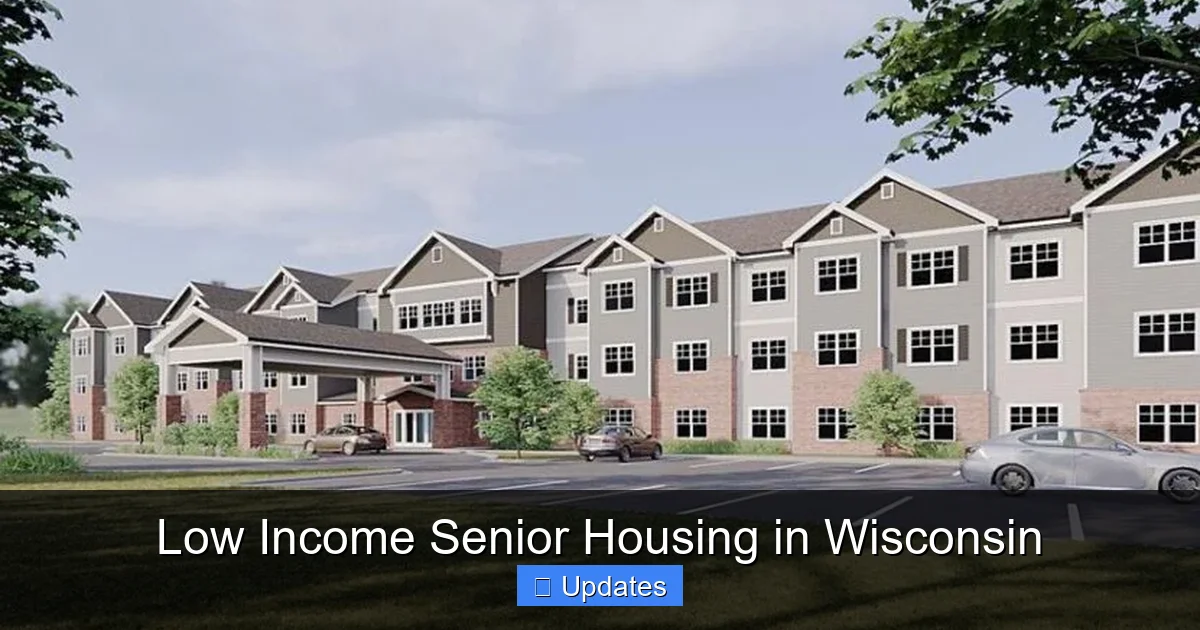
Visual guide about Low Income Senior Housing in Wisconsin
Image source: ecsi.org
Not all affordable senior housing looks the same. Wisconsin offers several models, each suited to different needs and lifestyles.
1. HUD-Section 202 Supportive Housing
Built under a federal program, these properties serve very low-income seniors (up to 50% of AMI). Units come with optional supportive services like meal delivery, wellness checks, and transportation to medical appointments. In Wisconsin, you’ll find these in cities like Green Bay, Kenosha, and Eau Claire.
For example, Park Plaza Apartments in Madison provides studio and one-bedroom units with subsidized rents starting around $400/month for eligible residents. On-site staff assist with medication reminders and coordinate volunteer companionship programs.
2. Wisconsin Initiative for Senior Housing (WISH)
Administered by WHEDA, WISH helps developers finance affordable senior housing projects. Residents pay reduced rent based on income, and many locations include shared dining rooms, activity centers, and emergency call systems.
3. Congregate Housing
These are larger facilities offering private bedrooms but shared kitchens, lounges, and common areas. Ideal for those who want independence but appreciate communal living. Examples include St. Mary’s Senior Residences in Sheboygan, which includes weekly housekeeping and bi-weekly health screenings.
4. Scattered-Site Apartments
Rather than one big building, these are individual apartments spread throughout a neighborhood. They promote integration with the wider community while still offering rental assistance. Often found in suburban areas near healthcare centers.
5. Assisted Living with Subsidies
While not traditional housing, some assisted living communities offer sliding-scale pricing based on income. These provide personal care services (bathing, dressing, medication management) at a fraction of private pay rates. Check with local AAAs for referrals.
How to Qualify for Low Income Senior Housing in Wisconsin
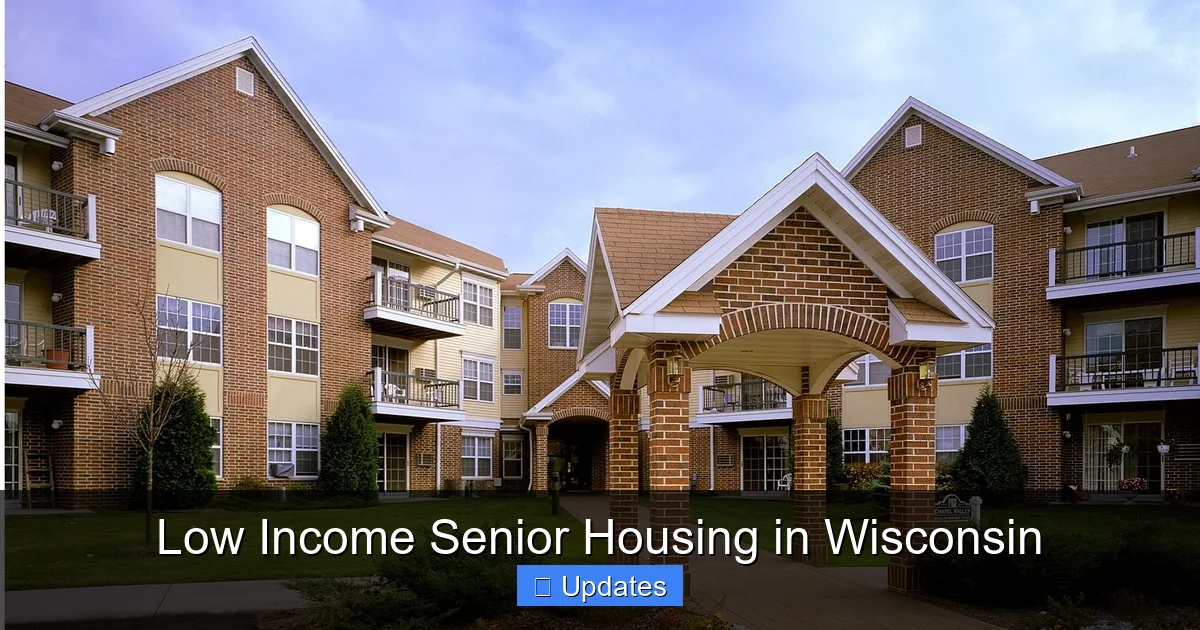
Visual guide about Low Income Senior Housing in Wisconsin
Image source: lowincomehousing.us
The good news? You don’t have to figure it all out alone. Here’s what most programs look for:
First, you must be at least 62 years old. Some exceptions exist for disabled individuals under 62, but age remains the primary gatekeeper.
Second, your annual household income must fall within program limits. For instance:
– HUD Section 202: Up to 50% of AMI
– WISH: Typically 50–80% of AMI
– Senior Citizens Rent Rebate: Based on rent-to-income ratio
Let’s say the median income in Milwaukee County is $75,000/year. At 50% AMI, your household of one could earn up to $37,500 annually. If you’re married, the limit increases slightly.
Third, you’ll need documentation: Social Security statements, tax returns, bank statements, proof of residency, and possibly medical records if applying for enhanced services.
Finally, be prepared for background checks and lease agreements—just like any rental. But unlike private rentals, these prioritize stability and service over credit scores.
Where to Find Low Income Senior Housing Listings in Wisconsin
Visual guide about Low Income Senior Housing in Wisconsin
Image source: assets-global.website-files.com
Knowing where to look makes all the difference. Start with these trusted sources:
Wisconsin Housing Search Tool
Visit wihousingsearch.org to browse current listings. Filter by city, bedroom size, accessibility features, and whether pets are allowed. Each listing includes contact info and application instructions.
Local Area Agencies on Aging (AAAs)
Every county in Wisconsin has an AAA. They host waiting list openings, provide application workshops, and sometimes maintain their own housing stock. Contact your nearest office—for example, South Central Wisconsin AAA manages housing in Dane, Jefferson, and Columbia counties.
Nonprofit Developers
Organizations like CommonBond Communities operate affordable senior housing statewide. Their website lists open applications and upcoming lottery events.
Wisconsin Housing and Economic Development Authority (WHEDA)
WHEDA’s senior housing page (whc.wi.gov) details funded projects and application timelines. They also run outreach events at senior centers.
Rural Opportunities
Smaller communities often have fewer options but faster approvals. Consider nearby towns like Oshkosh, Appleton, or even rural villages—some offer rent subsidies without long waits.
Tips for Applying Successfully
Applying can feel overwhelming, but these strategies boost your chances:
– Apply early and often: Even if a waiting list is full, add your name. Availability changes frequently.
– Gather documents ahead of time: Bring two forms of ID, income verification, and references.
– Attend orientation sessions: Many programs require in-person or virtual briefings before accepting applications.
– Ask about priority points: Some places give preference to veterans, disabled seniors, or those at risk of eviction.
– Follow up weekly: Call or email once a week to check status. Persistence matters.
Pro tip: If you’re struggling with technology, visit your local library or senior center. Staff there often help seniors complete digital applications.
Beyond Rent: Additional Benefits and Services
Affordable housing isn’t just about a roof. In Wisconsin, many programs bundle extra benefits that improve daily life:
– **Utility Assistance:** Through programs like WEAP, you might receive help covering heating bills during winter months.
– **Transportation Vouchers:** Some housing partners offer free rides to grocery stores, pharmacies, or doctor visits.
– **Nutrition Programs:** Congregate meals (like Meals on Wheels) deliver hot lunches five days a week in participating communities.
– **Health Screenings:** Free blood pressure checks, flu shots, and diabetes tests are commonly offered on-site.
– **Social Activities:** Bingo nights, book clubs, gardening groups—these combat isolation and keep minds sharp.
Imagine paying only $350/month for a one-bedroom apartment AND getting three nutritious meals delivered daily, plus bus passes and weekly bingo. That’s real support.
Real Stories: Seniors Thriving in Affordable Housing
Meet Eleanor, 78, from Racine. After her husband passed away, she faced eviction when her pension couldn’t cover rising rent. Through the South East Wisconsin AAA, she applied for a WISH-supported unit at Lakefront Senior Commons. Today, she pays $320/month, receives home-delivered meals, and volunteers at the community garden. “I never thought I’d feel safe again,” she says.
Then there’s Robert, 81, in Green Bay. He lives in a HUD-subsidized studio near St. Vincent Hospital. Thanks to on-site nursing support, he manages his heart condition without missing appointments. His rent is just $290/month—leaving room for prescription co-pays.
These stories aren’t rare. Thousands of Wisconsinites rely on low income senior housing to stay healthy, connected, and independent.
Common Challenges and How to Overcome Them
Despite strong support systems, hurdles remain:
– **Long Waiting Lists:** Solution: Apply to multiple programs simultaneously. Consider relocating temporarily if possible.
– **Complex Paperwork:** Solution: Ask your AAA for a “navigator”—staff who walk you through forms step-by-step.
– **Limited Accessibility Features:** Solution: Specify wheelchair ramps, roll-in showers, or visual alerts when applying.
– **Fear of Moving:** Solution: Tour units beforehand. Many allow overnight stays for peace of mind.
– **Language Barriers:** Solution: Most AAAs offer translation services. Don’t hesitate to request interpreters.
Remember: asking for help isn’t weakness—it’s wisdom.
Planning Ahead: What Happens When You Age Further?
Affordable housing evolves with your needs. As mobility decreases or health declines, options expand:
– **Assisted Living Subsidies:** Some counties fund partial assistance with private pay rates.
– **Nursing Home Alternatives:** Community-based care models reduce institutionalization.
– **Reverse Mortgages:** If you own a home, a reverse mortgage could generate income without selling.
– **Shared Housing:** Programs match compatible roommates to split costs and companionship.
Start conversations early with family and your AAA about future plans. Proactive planning prevents crises later.
Final Thoughts: You Deserve Dignity and Stability
Living on a fixed income doesn’t mean sacrificing comfort or security. Wisconsin’s network of low income senior housing proves that affordability and dignity go hand in hand. With the right resources, patience, and persistence, you can find a place that feels like home—safe, welcoming, and truly yours.
Take the first step today. Visit your local AAA, search wihousingsearch.org, or call WHEDA. The door to affordable senior living is open.
And remember: you’ve earned every bit of comfort and respect in your golden years. Let Wisconsin’s support systems honor that.
—
Frequently Asked Questions
What is the maximum income to qualify for low income senior housing in Wisconsin?
Most programs cap income at 50–80% of area median income (AMI). For example, in Milwaukee County, a single person earning under $37,500/year (at 50% AMI) typically qualifies. Exact thresholds vary by program and location.
Are there low income senior housing options with no waiting list in Wisconsin?
Yes, especially in rural areas or smaller developments. Some communities hold monthly lotteries or accept applications year-round. Contact your local AAA or check wihousingsearch.org for current availability.
Can I bring my dog or cat into a low income senior housing unit?
Many properties now allow pets, including emotional support animals. Policies vary—some charge pet deposits or require renters insurance. Always ask during the application process.
Do I need to apply separately for rent assistance and utilities?
Often, yes. Rent subsidies come through HUD or WHEDA, while utility assistance (like WEAP) is managed separately. Your local AAA can help coordinate both.
Is there low income senior housing near me under $500 per month in Wisconsin?
Absolutely. Many HUD Section 202 and WISH-supported units start between $250–$500/month. Use wihousingsearch.org to filter by price and location.
How do I find low income senior housing in Wisconsin with transportation included?
Look for congregate housing or AAAs that partner with transit agencies. Many on-site staff arrange rides to medical appointments or grocery stores. Ask your AAA for “transportation-friendly” listings.