
Low Income Senior Housing in Evanston Il


Medication Reminder Alarm

Reacher Grabber Tool

Audiobook Player
Finding low income senior housing in Evanston, IL can be challenging, but several state-funded and nonprofit programs offer safe, affordable living for older adults. With rising costs of living and limited retirement savings, many seniors rely on subsidized housing to maintain independence and quality of life. This guide walks you through eligibility requirements, available housing types, application processes, and helpful tips to secure a home that meets your needs.
Living on a fixed income becomes increasingly difficult as we age, especially in high-cost areas like Chicago’s North Shore. For many seniors in Evanston, Illinois, the dream of aging in place is threatened by rising rent prices, property taxes, and healthcare expenses. But there’s hope. Low income senior housing in Evanston IL offers a lifeline—affordable, safe, and supportive environments tailored for adults 62 and over. Whether you’re looking for a studio apartment with utilities included or a community with on-site medical care, this guide will walk you through everything you need to know.
Evanston stands out not just for its scenic lakeside views and vibrant downtown, but also for its commitment to supporting its aging population. With a median household income lower than neighboring suburbs and a growing number of retirees, the city has prioritized accessible housing solutions. From federally funded programs to local nonprofit initiatives, seniors have more choices than ever before. Let’s dive into what makes low income senior housing in Evanston IL unique and how you can find the right fit.
Key Takeaways
- Evanston offers multiple affordable senior housing options, including Section 202 Supportive Housing and HUD-assisted apartments, designed specifically for low-income residents aged 62+.
- Eligibility is based on age, income, and residency—most programs require applicants to be at least 62 years old, have incomes below 50% of the Area Median Income (AMI), and live in Cook County.
- Applications often involve waiting lists, so it’s wise to apply early and explore alternative housing models like co-housing or shared living arrangements.
- Nonprofit organizations like AARP and Catholic Charities provide support services, legal aid, and case management to help seniors navigate housing applications.
- Transportation and healthcare access are strong in Evanston, making it an ideal location for seniors seeking both affordability and convenience.
- Local resources such as the Evan Senior Center offer meals, wellness programs, and social activities that enhance community engagement and well-being.
📑 Table of Contents
Understanding Low Income Senior Housing in Evanston
Low income senior housing refers to residential units specifically designed for adults aged 62 and older who meet strict income guidelines. These aren’t just cheap apartments—they’re purpose-built communities with features like emergency call systems, wheelchair accessibility, and proximity to public transit and pharmacies. In Evanston, these properties are primarily managed through partnerships between the U.S. Department of Housing and Urban Development (HUD), local municipalities, and nonprofit developers.
Unlike market-rate rentals, low income senior housing in Evanston IL operates under long-term federal agreements that cap rents at no more than 30% of a tenant’s monthly income. This means someone earning $2,000 per month might pay only $500 in rent each month—often including heat, water, and sometimes even electricity. Such financial relief allows seniors to stretch their Social Security checks further and allocate funds toward health, food, and personal care.
Types of Affordable Senior Housing Available
There are several categories of low income senior housing in Evanston IL, each serving different needs:
– **HUD-Assisted Apartments**: These include buildings funded through HUD’s Section 202 Supportive Housing program. Tenants receive rental subsidies while living independently. Many offer meal programs, housekeeping, and transportation assistance.
– **Project-Based Vouchers**: Unlike Housing Choice Vouchers (which give tenants freedom to choose any privately owned unit), project-based vouchers are tied to specific developments. They’re ideal for seniors who prefer community living with shared amenities.
– **Nonprofit-Developed Communities**: Organizations like Mercy Homes and Lutheran Social Services operate senior villages where residents benefit from coordinated care, social events, and volunteer networks.
– **Cooperative Housing**: Some seniors opt for housing cooperatives—residents collectively own and manage their building, which can reduce individual costs significantly.
Each type has its own application process, occupancy rules, and service offerings. It’s important to understand which model aligns best with your lifestyle preferences and health status.
Who Qualifies for Low Income Senior Housing in Evanston?
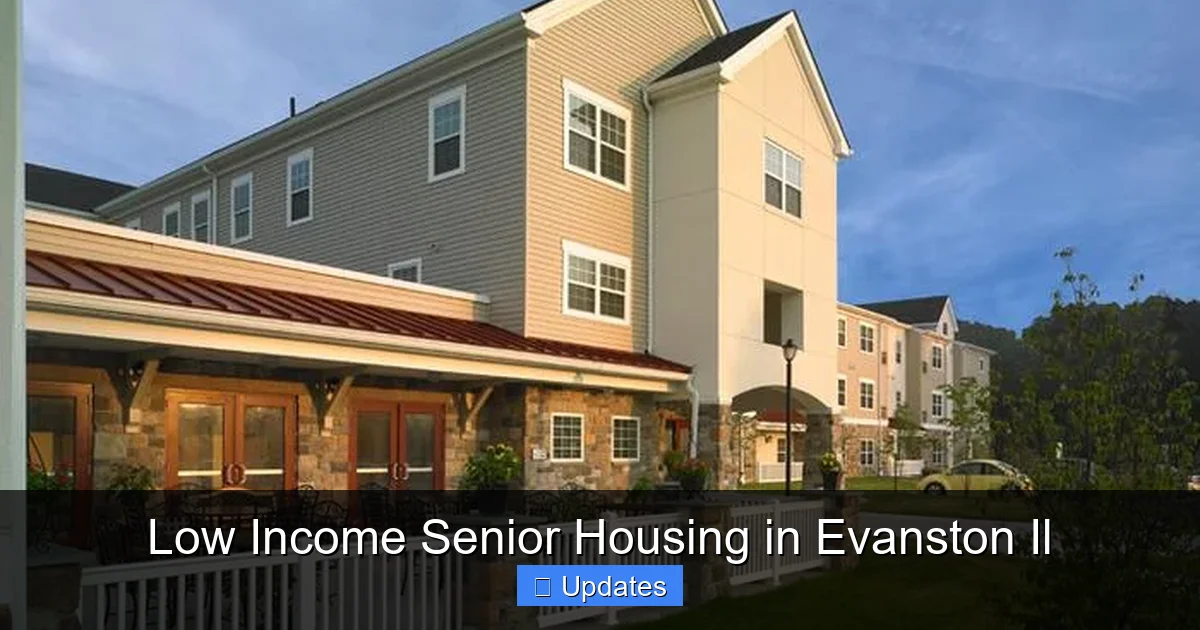
Visual guide about Low Income Senior Housing in Evanston Il
Image source: lowincomeapartments.us
To qualify for most low income senior housing in Evanston IL, applicants must meet three key criteria:
1. **Age Requirement**: You must be at least 62 years old. Some specialized units may accept applicants aged 55+, but the majority serve those 62 and up.
2. **Income Limit**: Your annual gross income must fall below 50% of the Area Median Income (AMI) for Cook County. As of 2024, that threshold is approximately $48,000 for a single person or $55,000 for a two-person household. Note: This includes all sources of income—Social Security, pensions, part-time work, and investment returns.
3. **Residency Proof**: You must either reside in Cook County or have family ties to the area. Preference is sometimes given to veterans, disabled individuals, or those with urgent medical needs.
It’s worth noting that assets are generally not counted toward income limits—unlike in Medicaid eligibility assessments. However, certain high-value assets (like second homes or stocks over $50,000) may affect priority status. Always disclose full financial details during screening.
How to Apply for Low Income Senior Housing
The application journey begins with research. Start by contacting the **Evanston Housing Authority** or visiting their website to view current waitlists. Most properties use centralized intake systems managed by HUD-approved agencies. Here’s a step-by-step approach:
1. **Gather Documents**: Prepare identification (driver’s license or passport), proof of age (birth certificate), income statements (Social Security award letters, pension stubs), bank statements, and residency documentation (utility bill or lease agreement).
2. **Submit Online or In-Person**: Applications are typically submitted via email or at designated intake centers. Be sure to request confirmation of receipt.
3. **Attend Orientation Sessions**: Many complexes require attendees to complete brief informational workshops before moving forward.
4. **Wait for Notification**: Wait times vary widely—from a few months to several years. Stay proactive by checking your email regularly and updating your information if circumstances change.
5. **Complete Move-In Requirements**: If selected, expect to undergo a background check, home visit, and lease signing.
Tip: Consider applying to multiple properties simultaneously. While waitlists are long, having backup options increases your chances of securing housing sooner.
Top Low Income Senior Housing Options in Evanston
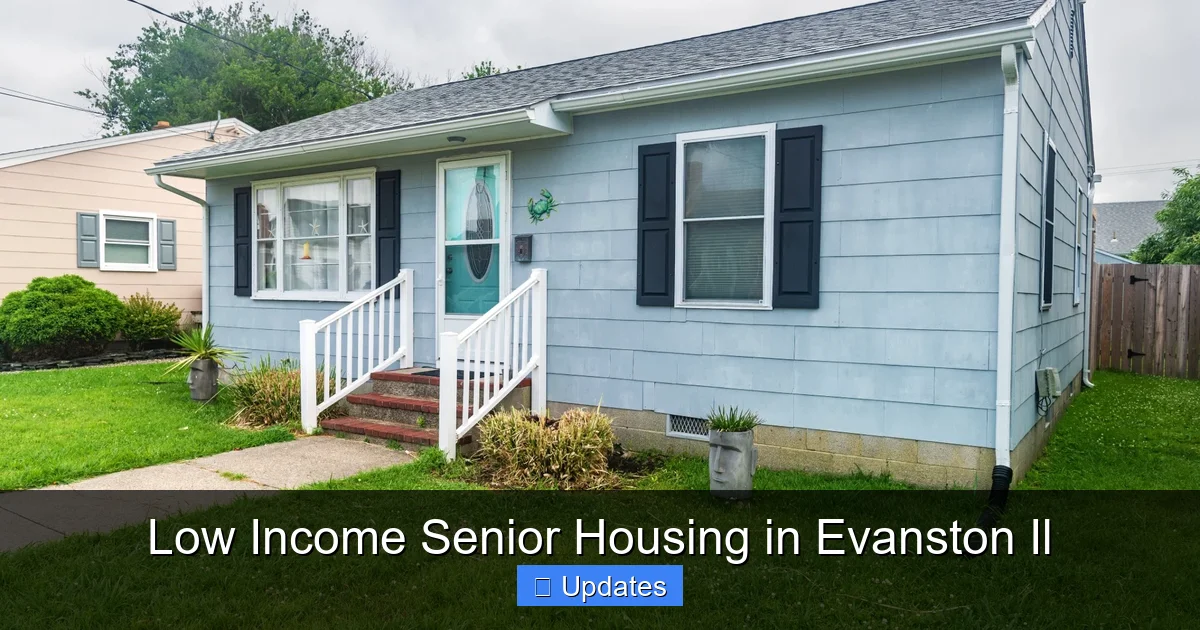
Visual guide about Low Income Senior Housing in Evanston Il
Image source: apply.hudhousingnetwork.com
While Evanston doesn’t host dozens of large-scale senior housing campuses, several reputable properties offer quality living at reduced rates:
– **Mercy Home for Boys & Girls – Elder Residence**: Located near Lake Michigan, this facility provides independent living units with optional supportive services. Rent is subsidized based on income, and residents enjoy access to fitness classes, bingo nights, and volunteer opportunities.
– **Lutheran Social Services – The Village at Sheridan Square**: A faith-based community offering studio and one-bedroom apartments. Utilities are included, and residents benefit from meal delivery, transportation to medical appointments, and spiritual counseling.
– **Evanston Towers**: Though technically market-rate, this iconic building offers discounted units for seniors earning less than 60% AMI. Its central location near Northwestern University Hospital makes it highly desirable.
– **Cook County Housing Authority Portfolio**: Through partnerships with private landlords, CCHA administers rent-controlled units scattered across Evanston. Eligible seniors receive direct subsidies to cover the gap between actual rent and affordable rates.
Each property has distinct advantages. Mercy Home emphasizes youth mentorship programs; Sheridan Square focuses on holistic wellness; Evanston Towers boasts historic charm and walkability; and CCHA units prioritize flexibility and location diversity.
What to Look for When Choosing a Property
When touring potential homes, pay attention to these factors:
– **Accessibility Features**: Grab bars in bathrooms, roll-in showers, lever-style door handles, and elevators are essential for safety.
– **On-Site Staff Availability**: Is there staff on duty 24/7? Can maintenance issues be resolved quickly?
– **Community Amenities**: Libraries, game rooms, gardens, and communal kitchens foster connection and reduce isolation.
– **Proximity to Services**: Distance to grocery stores, pharmacies, banks, and public transit impacts daily convenience.
– **Pet Policies**: If you have a furry companion, confirm whether pets are allowed and if breed/size restrictions apply.
Don’t hesitate to ask current residents about noise levels, neighbor dynamics, and overall satisfaction. Their insights often reveal truths not found in brochures.
Additional Resources for Seniors in Evanston
Visual guide about Low Income Senior Housing in Evanston Il
Image source: vsijaipur.com
Beyond housing itself, Evanston offers a wealth of support services that enhance quality of life:
– **Evan Senior Center**: Operated by the City of Evanston, this hub provides nutritious meals (including home-delivered options for homebound seniors), exercise classes, art workshops, and volunteer coordination. Admission is free for residents over 60.
– **Aging Well Network**: A collaborative effort involving Northwestern Medicine, Rogers Behavioral Health, and local nonprofits. Offers telehealth consultations, medication management, and caregiver respite programs.
– **Illinois Department of Human Services (IDHS)**: Manages the State Supplement Program (SSP), which adds extra cash to Supplemental Security Income (SSI) for eligible seniors. This money can be used flexibly—for rent, groceries, or medical copays.
– **Legal Aid Chicago**: Provides pro bono elder law assistance, helping clients dispute unfair evictions, apply for benefits, or plan estate documents.
These resources work together to create a safety net that goes beyond four walls. Many seniors find that combining affordable housing with robust community programming leads to greater happiness and independence.
Tips for Navigating the Application Process
Securing low income senior housing in Evanston IL requires persistence and preparation. Here are practical strategies to improve your odds:
– **Start Early**: Begin gathering documents six months before you anticipate needing housing. Missing paperwork delays everything.
– **Stay Organized**: Keep digital copies of all submissions in folders labeled by property name and date. Use a spreadsheet to track application dates, contact info, and follow-up actions.
– **Seek Help**: Nonprofits like Senior Service America offer free application coaching. Volunteers can review your forms, practice interview questions, and accompany you to orientations.
– **Be Honest About Needs**: If you use a walker or oxygen tank, mention it upfront. Properties must accommodate disabilities under fair housing laws.
– **Consider Alternatives**: If waitlists are too long, explore roommate situations, basement apartments, or nearby towns like Wilmette or Skokie, which also participate in regional housing consortia.
Remember, rejection isn’t failure—it’s redirection. Each “no” brings you closer to a “yes.”
Conclusion
Finding low income senior housing in Evanston IL may seem daunting, but it’s far from impossible. With careful planning, patience, and support from local agencies, you can secure a comfortable, dignified home that fits your budget. The key lies in understanding your options, meeting eligibility standards, and leveraging every available resource.
Whether you dream of sipping coffee on a lakeside balcony or participating in weekly book clubs, Evanston’s senior housing landscape offers pathways to fulfillment. Don’t let financial worries steal your peace of mind. Reach out today—your next chapter awaits.
For more insights on affordable senior living across Illinois, check out our guides on Low Income Senior Housing Joliet Il and Low Income Senior Housing Aurora Il. And if you’re exploring other states, don’t miss our coverage of Low Income Senior Housing In Southfield Mi and Low Income Senior Housing In Durham Nc.
Frequently Asked Questions
What is the average wait time for low income senior housing in Evanston?
Wait times vary by property but typically range from 6 months to 3 years. Factors like demand, funding cycles, and applicant volume influence delays. Applying to multiple locations increases your chances of faster placement.
Can I bring my pet to low income senior housing in Evanston?
Many properties allow small pets, including dogs and cats, though size or breed restrictions may apply. Always ask about pet policies during tours—some buildings charge refundable deposits or limit the number of animals.
Are utilities included in low income senior housing rent?
In most cases, yes. HUD-subsidized units commonly include heat, water, and trash removal. Electricity and internet are sometimes extra, so clarify this during the application process.
Is there transportation provided to doctors’ appointments?
Several facilities offer scheduled shuttles or partnerships with ride-share programs. Contact individual properties directly to learn about their transportation services—especially important for those without cars.
Can I apply if I have a criminal record?
Background checks are standard, but policies differ. Many housing providers consider the nature and age of offenses, not just their existence. Veterans and those with clean records post-release often receive preference.
What happens if my income increases above the limit?
If your income rises above 50% AMI, you’ll likely remain in your unit until renewal, but new applicants won’t be accepted. Some programs allow gradual phase-outs, so discuss long-term plans with your property manager.
