
Low Income Senior Housing Joliet Il


Sudoku Puzzle Book

Kitchen Timer with Large Display

Digital Thermometer
Finding low income senior housing in Joliet, IL doesn’t have to be overwhelming. With local resources like the Joliet Housing Authority and state-supported programs, older adults can access safe, affordable homes with support services. Whether you’re a retiree on a fixed income or facing financial hardship, there are options designed just for you. This guide walks you through eligibility, application steps, and real-world tips to secure stable housing.
Finding reliable, affordable housing as a senior shouldn’t feel like solving a puzzle with missing pieces. For many older adults in Joliet, Illinois, the challenge of balancing fixed incomes with rising living costs makes finding a safe place to live both urgent and stressful. Fortunately, there are dedicated resources across Will County designed specifically for seniors on limited budgets. From subsidized apartments managed by the Joliet Housing Authority to community-based programs offering emergency rental aid, help is within reach—especially when you know where to look.
The good news? You don’t have to figure it all out alone. Local government offices, nonprofit partners, and even faith-based groups regularly assist seniors with applications, document prep, and ongoing support. And while some programs do have waiting lists (which we’ll discuss), others offer quick entry or prioritize vulnerable populations like those experiencing homelessness or disability. This article breaks down everything you need to know about accessing low income senior housing in Joliet IL—from eligibility rules to real-life success stories.
Key Takeaways
- Eligibility matters: Most programs require applicants to be 62+, have limited income, and meet residency requirements in Will County.
- Public housing is available: The Joliet Housing Authority (JHA) manages several low-rent apartments specifically for seniors through Section 8 and public housing programs.
- Waiting lists exist: Due to high demand, many subsidized senior housing units operate on waitlists—apply early and stay persistent.
- Support services included: Many low income senior housing communities offer meal programs, transportation, health screenings, and social activities at no extra cost.
- Alternative options exist: If traditional housing isn’t available, consider nonprofit organizations or shared housing models that reduce costs without sacrificing safety.
- Application assistance is free: Local agencies and nonprofits often provide help filling out forms, gathering documents, and navigating deadlines.
- Utilities may be covered: Some programs include utility allowances in rent, helping lower your monthly expenses significantly.
📑 Table of Contents
- Understanding Low Income Senior Housing Options in Joliet
- Who Qualifies for Low Income Senior Housing in Joliet?
- Navigating the Application Process: Step-by-Step
- Beyond Housing: Support Services for Joliet Seniors
- Exploring Alternatives When Traditional Housing Isn’t Available
- Success Stories: Real Lives, Real Solutions
- Final Thoughts: You Deserve Stability
Understanding Low Income Senior Housing Options in Joliet
When people talk about “low income senior housing” in Joliet, they usually mean two main types: public housing and project-based Section 8 rentals. Both are funded by federal and state dollars but administered locally through agencies like the Joliet Housing Authority (JHA). These aren’t luxury condos—they’re typically modest one- or two-bedroom apartments in older buildings—but they come with deeply discounted rents based strictly on your income level.
One key benefit? Rent is never more than 30% of your monthly household income. So if you earn $1,500 per month, your rent might only be $450. That leaves room for groceries, medical bills, and other essentials. Plus, many of these units include basic utilities like water and heat in that rate. In colder months especially, this can make a huge difference for someone living paycheck to paycheck.
Another advantage is location. Most JHA properties are scattered throughout Joliet near grocery stores, pharmacies, public transit stops, and healthcare clinics. That means fewer trips across town for prescriptions or fresh food—a big plus when mobility becomes an issue. And because these communities are intentionally mixed-income (not just ultra-low-income residents), you’ll find neighbors at various life stages, reducing isolation.
How Public Housing Works in Joliet
The Joliet Housing Authority oversees dozens of public housing developments under HUD guidelines. Each property has its own vibe—some are brick complexes with playgrounds and laundry rooms; others are converted single-family homes grouped together. What unites them is adherence to federal affordability standards.
To qualify, you must:
– Be at least 62 years old (or 55+ with disabilities)
– Live in Will County (proof required)
– Have very low or extremely low income (typically under 50% of area median income)
– Pass background checks (no recent evictions or criminal history involving violence or drugs)
Once approved, tenants pay rent monthly—usually via direct deposit or automatic withdrawal—and receive annual recertifications to confirm continued eligibility. Maintenance requests are handled quickly, and resident councils often organize events like potlucks or bingo nights.
Project-Based Section 8: Flexibility Meets Affordability
Unlike public housing, which owns the building, project-based Section 8 subsidies attach to specific private landlords who agree to participate. In Joliet, landlords like Garden Court Apartments or Maplewood Senior Living lease units to seniors at reduced rates, with JHA covering the gap between market rent and what the tenant can afford.
This model offers more choice: you might prefer a newer building with elevators or energy-efficient appliances. However, availability varies by landlord, and not every apartment accepts Section 8 vouchers. Still, it’s worth asking your case manager about participating properties during application.
Who Qualifies for Low Income Senior Housing in Joliet?
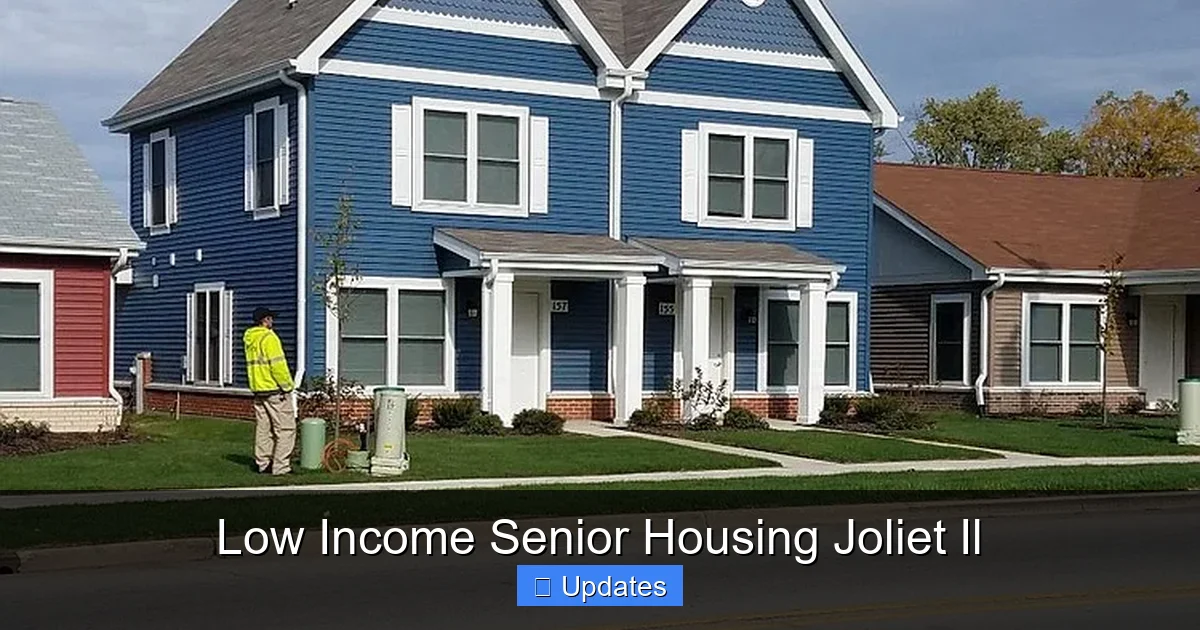
Visual guide about Low Income Senior Housing Joliet Il
Image source: s3.amazonaws.com
Eligibility isn’t a yes-or-no checkbox—it’s a sliding scale based on income, age, residency, and sometimes health status. Here’s what officials actually look for:
First, income thresholds change yearly. As of 2024, a single senior making under $37,550 annually (or $3,129/month) qualifies for “extremely low income” housing. Married couples earning less than $43,050 also fall into this category. Even if you’re slightly above those numbers, you may still qualify under “very low income” brackets (up to 80% of AMI).
Second, you must prove you’re a Will County resident—typically with a utility bill or lease showing Joliet address. Out-of-state seniors can apply only if relocating due to family caregiving needs or medical necessity (with documentation).
Third, age matters. While most programs start at 62, exceptions exist for disabled individuals aged 55+. Disability verification from Medicare or a physician is required.
Finally, criminal history plays a role. Minor offenses (like traffic tickets) won’t disqualify you, but serious convictions related to drug distribution, sexual abuse, or violent crimes usually do. Each case gets reviewed individually.
Special Considerations for Veterans and Disabled Seniors
Veterans with service-connected disabilities often get priority placement. If you served in Vietnam, Iraq, Afghanistan, or during WWII/Korea/Laos/Vietnam era, contact the Illinois Department of Veterans’ Affairs—they coordinate referrals to affordable senior housing nationwide, including Joliet.
For seniors with mobility issues, hearing loss, vision impairment, or cognitive decline, specialized housing exists too. Places like Willowbrook Place or St. Joseph’s Senior Residences may offer grab bars, wheelchair ramps, medication reminders, or memory-care support—all included in the rent.
Navigating the Application Process: Step-by-Step
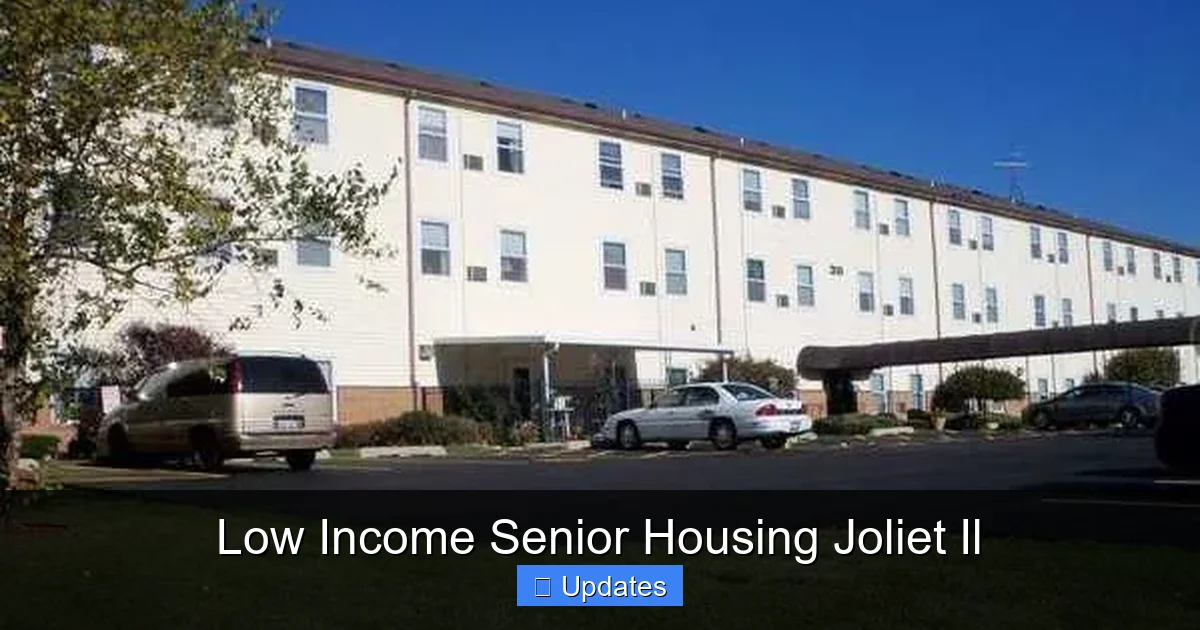
Visual guide about Low Income Senior Housing Joliet Il
Image source: lowincomehousing.us
Don’t panic—applying for low income senior housing Joliet IL isn’t rocket science. It just takes patience, paperwork, and persistence. Here’s how to move forward smoothly:
Start by calling the Joliet Housing Authority at (815) 727-8500. Their intake specialists will walk you through current waitlist status, required documents, and next steps. They’ll also tell you whether you should apply online via their portal or visit the office in person (120 N. Chicago St., Joliet).
Gather these essentials:
– Proof of age (birth certificate or passport)
– Social Security cards for everyone in household
– Recent tax returns or pay stubs (last 30 days)
– Bank statements (checking/savings)
– Lease agreements or mortgage statements
– Utility bills showing Joliet address
If English isn’t your first language, ask about interpreter services—they’re free! Same goes for folks with print disabilities; braille forms and screen readers are available.
After submitting, expect to wait. Waitlists for senior-specific units often range from 6 months to 2 years. But here’s a pro tip: keep your file updated! Report any income changes immediately—even a small pension bump could affect your ranking.
Tips to Strengthen Your Application
– **Include references:** A letter from a doctor, social worker, or clergy attesting to your need helps.
– **Highlight community ties:** Longtime Joliet residents get preference over newcomers.
– **Apply early:** New funding cycles open quarterly; missing deadlines means waiting longer.
– **Follow up weekly:** Call every 7–10 days to check status—persistence pays off!
Remember, being denied once doesn’t close the door forever. Reapply after 12 months if circumstances change (e.g., job loss, divorce).
Beyond Housing: Support Services for Joliet Seniors

Visual guide about Low Income Senior Housing Joliet Il
Image source: lowincomehousing.us
Affordable housing is just the beginning. True quality of life includes meals, transportation, health care, and social connection. Luckily, Joliet pairs subsidized apartments with wraparound services:
**Meals on Wheels**: Delivers hot lunches Mon–Fri to homebound seniors. Free for those making under $18,000/year. Volunteers also check on wellness daily.
**Will County Transit**: Offers discounted senior fares ($1/day vs. $3). Fixed routes cover downtown Joliet, hospitals, malls, and libraries.
**Senior Wellness Centers**: Run by Will County Health Department, these sites host blood pressure checks, flu shots, nutrition workshops, and exercise classes. Locations include Joliet Township High School and the Boys & Girls Club.
**Legal Aid Society of Will County**: Provides free estate planning, power of attorney setup, and eviction defense for qualifying seniors.
**Faith-Based Programs**: Churches like St. Jude Thaddeus Catholic or First United Methodist offer shuttle services to medical appointments, grocery shopping, and worship.
These extras aren’t magic bullets—but combined with stable housing, they dramatically improve independence and dignity.
Emergency Rental Assistance: Stopping Evictions
Even with low income senior housing Joliet IL options, unexpected bills (car repair, hospital deductible) can trigger late payments. Don’t wait until eviction notices arrive!
Contact the Will County Circuit Clerk’s office immediately. They partner with Legal Aid and United Way to distribute federal CARES Act funds for back rent, deposits, and future payments. Eligibility is income-based and urgent—so act fast.
Exploring Alternatives When Traditional Housing Isn’t Available
What if the waitlist is too long—or you need housing *now*? No worries. Several creative solutions exist:
**Shared Housing Networks**: Organizations like Shared Housing Resource Center match compatible seniors (same interests, schedules, budgets). One person might take the upstairs while another lives downstairs—cutting rent nearly in half.
**Co-Housing Models**: Groups pool resources to buy/build homes together. Example: A cluster of widows jointly purchase duplexes, sharing lawn maintenance and security patrols.
**Nonprofit Shelters**: While rare for independent seniors, places like Covenant House Joliet accept women 55+ facing domestic violence. Transitional stays lead to permanent housing.
**Rural Relocation**: Sometimes moving to smaller towns like Morris or Wilmington reduces costs dramatically. Rural Development loans (USDA) help bridge gaps.
**Roommate Matching Apps**: Sites like SeniorMatch or OurTime let users post wants/needs. Always vet roommates thoroughly—check references, sign simple leases, avoid cash-only deals.
Hidden Gems: Under-the-Radar Affordable Units
Some low income senior housing Joliet IL opportunities fly under radar:
– Church basement conversions (e.g., Calvary Baptist hosts 12 efficiency units)
– Former nursing homes repurposed as assisted living (ask about “bridge” pricing)
– University partnerships (Joliet Junior College subsidizes units for adjunct faculty over 60)
Ask around at senior centers—word-of-mouth often reveals unlisted vacancies.
Success Stories: Real Lives, Real Solutions
Meet Margaret, 74, who retired from teaching in 2010. After her husband passed, she struggled to afford heat bills. Through JHA, she secured a studio in Heritage Woods Apartments. “My rent is $380,” she says. “I use the rest for groceries and my oxygen machine. The van driver picks me up every Tuesday for chemo.”
Then there’s James, 68, paralyzed in a construction accident. He lives in Maplewood Senior Living thanks to a VA referral. “They installed grab bars before I moved in,” he laughs. “And bingo night keeps me sane!”
These aren’t fairy tales—they’re proof that help exists when you reach out.
Final Thoughts: You Deserve Stability
Accessing low income senior housing Joliet IL requires effort, but it’s absolutely achievable. Whether you’re new to the city or a lifelong resident, your age and income level don’t define your worth—your right to safe, dignified housing does.
Start today: Call JHA. Bring your documents. Ask questions. Advocate for yourself. And remember—you’re not alone. Thousands of Joliet seniors walk this path every year, finding homes, friends, and hope along the way.
For more guidance, explore our related guides on qualifying criteria or compare options in nearby cities like Aurora or Naperville. Your peace of mind begins with one phone call.
Frequently Asked Questions
What is the average wait time for low income senior housing in Joliet?
Wait times vary by program but typically range from 6 months to 2 years. Priority is given to extremely low-income seniors, disabled applicants, and veterans. Staying in touch with the Joliet Housing Authority helps maintain your position on the list.
Can I apply for low income senior housing if I live outside Will County?
Generally no—most programs require proof of residency in Will County. Exceptions exist for those relocating due to family caregiving or medical reasons, provided you submit documentation showing Joliet as your intended permanent address.
Are pets allowed in low income senior housing?
Pet policies differ by property. Many JHA-managed buildings allow small dogs or cats with a refundable pet deposit. Service animals are always permitted regardless of breed or size under fair housing laws.
Does low income senior housing include utilities?
In most cases, yes—basic utilities like water, sewer, trash, and heating are included in the rent. Electric bills may be separate unless specified in your lease agreement.
How often must I report income changes?
You must notify the housing authority within 10 days of any income fluctuation affecting your eligibility. Examples include new retirement benefits, Social Security increases, or loss of part-time work.
What if I get evicted from my current apartment? Can I still qualify?
Recent eviction history doesn’t automatically disqualify you, but it may lower your priority score. Provide explanations in writing, and focus on demonstrating stability through references or legal aid documentation.
