
Low Income Senior Housing in Durham Nc


Electric Jar Opener

Adjustable Bed Wedge Pillow
Electric Mobility Scooter
Finding low income senior housing in Durham NC can be overwhelming—but you’re not alone. This guide breaks down the best affordable options, from HUD-funded apartments to nonprofit-supported communities, so you or your loved one can live comfortably without financial stress. We cover eligibility, waiting lists, nearby amenities, and how to apply with confidence.
Finding a safe, comfortable, and affordable place to live as a senior shouldn’t feel like solving a puzzle. For many older adults in Durham, NC, the dream of aging in place—without breaking the bank—is becoming more achievable thanks to a growing network of low income senior housing options. Whether you’re a retiree on a fixed Social Security income, a veteran seeking assistance, or someone navigating rising healthcare costs, there are resources tailored just for you. This article walks you through everything you need to know about accessing quality, affordable housing in Durham, from understanding eligibility to avoiding common pitfalls like long waiting lists.
Durham has made significant strides in supporting its aging population. From historic neighborhoods to modern apartment complexes, the city blends Southern charm with urban convenience. But affordability remains a top concern for seniors. That’s where targeted housing programs step in. These aren’t just about four walls and a roof—they’re about dignity, independence, and peace of mind. With the right information, you can find a community that feels like home while staying within budget.
Key Takeaways
- Diverse housing options: Durham offers a range of low income senior housing types including HUD-subsidized apartments, non-profit developments, and state-assisted living centers.
- Eligibility matters: Income limits, age requirements (typically 62+), and residency in North Carolina are common criteria across most programs.
- Waiting lists are real: Many affordable senior housing communities have long wait times—some over two years—so early applications are essential.
- Support services included: Several Durham properties offer on-site meal programs, transportation, health screenings, and social activities at no extra cost.
- Local nonprofits help: Organizations like Senior Resources of Greater Durham and United Way of Durham County provide application assistance and advocacy.
- Amenities close by: Most low income senior housing in Durham is near grocery stores, pharmacies, medical clinics, and public transit routes.
- Alternative options exist: If traditional housing isn’t available, consider subsidized home modifications or congregate care models as flexible alternatives.
📑 Table of Contents
Understanding Low Income Senior Housing in Durham, NC
Low income senior housing refers to residential units specifically designed for adults aged 62 and older who meet certain income thresholds. In North Carolina, these programs are often funded through federal agencies like the U.S. Department of Housing and Urban Development (HUD), as well as state and local partnerships. Unlike market-rate apartments, these homes come with rent subsidies or capped payments based on your income—usually no more than 30% of your monthly earnings goes toward housing.
In Durham, several housing authorities and nonprofit organizations manage these programs. They prioritize accessibility, safety, and social engagement. Many buildings include features like wheelchair ramps, emergency call systems, and communal dining areas. And because they’re concentrated in walkable neighborhoods, residents often have easy access to essential services.
What sets Durham apart is its blend of rural charm and urban infrastructure. While the city center offers cultural attractions and job opportunities, surrounding areas provide quieter settings ideal for peaceful retirement. Plus, proximity to Duke University Medical Center means top-tier healthcare is never far away—a huge plus for seniors managing chronic conditions.
Types of Affordable Senior Housing Available
Not all low income senior housing looks the same. In Durham, you’ll find several distinct models:
– HUD-Assisted Apartments: Funded by the U.S. Department of Housing and Urban Development, these units follow strict income guidelines. Rent is calculated based on household size and income, often keeping monthly costs under $500 even if market rates are higher.
– Nonprofit-Developed Communities: Groups like Senior Resources of Greater Durham partner with developers to create age-restricted apartment complexes. These may include shared kitchens, activity rooms, and volunteer-run meal programs.
– State-Funded Supportive Housing: North Carolina’s Division of Aging and Adult Services supports properties offering additional services such as medication reminders, housekeeping, and transportation to medical appointments.
– Continuing Care Retirement Communities (CCRCs): While not always low-cost, some CCRCs in the region offer tiered pricing and sliding scale fees for initial occupancy.
– Transitional Housing: Short-term options for seniors temporarily displaced due to natural disasters or unsafe living conditions.
Each type has different application processes and benefit structures. Some require annual recertification; others allow longer leases with built-in rent adjustments tied to inflation.
How to Qualify for Low Income Senior Housing
The first step is confirming eligibility. Most programs in Durham require applicants to be:
– At least 62 years old
– Residents of North Carolina (proof of address required)
– Below area median income (AMI) levels, which vary by household size
– Not currently incarcerated
For example, a single senior must earn less than $47,800 annually to qualify for HUD Section 202 housing in Durham County. Couples applying together may have a higher limit—around $54,600. Veterans and disabled individuals may qualify for additional waivers or expedited processing.
Documentation typically includes:
– Proof of age (birth certificate or driver’s license)
– Recent tax returns or pay stubs
– Social Security award letters
– Bank statements showing savings/assets
– Rental history or utility bills
It’s smart to gather this paperwork before starting any application. Missing documents can delay approval—sometimes by months.
Top Low Income Senior Housing Communities in Durham
While specific properties change frequently due to renovations or new developments, here are some well-established options as of 2024:
1. The Villages at Lakewood
Located near Southpoint Mall, this 55+ community offers studio and one-bedroom units with subsidized rents starting around $425/month. On-site services include weekly meals, fitness classes, and bus passes for medical travel. Managed by a local nonprofit, it maintains a waitlist of approximately 18 months.
2. Hillside Senior Apartments
A HUD-funded complex near Duke Hospital, Hillside provides 100 units with income-based pricing. Residents pay between $300–$600 monthly depending on income. Features include grab bars in bathrooms, laundry facilities, and a community garden. Wait time averages 14 months.
3. Oak Grove Commons
This newer development combines affordability with modern design. Units start at $475/month for qualifying seniors. Amenities include a computer lab, movie nights, and partnerships with Meals on Wheels. Applications are accepted year-round but processed in batches every quarter.
4. Durham Senior Living Center (DSLC)
Though primarily a congregate care facility, DSLC also manages a handful of affordable apartments for independent seniors. Rent ranges from $350–$550, and the center coordinates with local churches for spiritual support and volunteer assistance.
Always verify current availability directly with property managers or the Durham County Housing Authority. Websites update infrequently, and phone calls yield the most accurate info.
Navigating Waiting Lists and Application Tips
One of the biggest challenges facing seniors seeking affordable housing in Durham is the waiting list. Many popular properties maintain queues of 1–2 years. Here’s how to improve your chances:
– Apply early and often: Submit applications to multiple properties simultaneously. Even if one has a shorter queue, having backup options reduces stress.
– Stay persistent: Call every 60 days to check status updates. Sometimes vacancies open up unexpectedly.
– Use local resources: Contact Senior Resources of Greater Durham (919-403-0300) for application coaching and priority alerts.
– Consider nearby counties: Wake County and Orange County sometimes have shorter waits and comparable amenities.
Pro tip: Attend free application workshops hosted by United Way of Durham County every third Thursday at the Durham Central Library. Volunteers help fill out forms and explain confusing sections.
Amenities and Support Services Nearby
Living affordably doesn’t mean sacrificing quality of life. Most low income senior housing in Durham is strategically located near vital services:
– Grocery Stores: Harris Teeter, Food Lion, and Walmart Neighborhood Markets are within walking distance or a short bus ride.
– Pharmacies: CVS, Walgreens, and Rexburg Pharmacy offer prescription delivery and senior discount days.
– Medical Clinics: Duke Primary Care, UNC Family Medicine, and WakeMed Urgent Care are all accessible via public transit.
– Public Transit: DTA buses connect major hubs to downtown and suburban neighborhoods. Reduced-fare passes are available for seniors.
– Recreation: Parks like West Point on the Eno and Duke Gardens host senior yoga and tai chi sessions.
Many communities also organize bingo nights, book clubs, and trips to local museums—all included in your rent.
Financial Assistance Beyond Rent
Rent is only part of the picture. Seniors in Durham can tap into additional financial aid for utilities, food, and healthcare:
– Energy Assistance Program (EAP): Covers winter heating bills through the Low-Income Home Energy Assistance Program (LIHEAP).
– Supplemental Nutrition Assistance Program (SNAP): Helps stretch grocery budgets—apply online or at county DSS offices.
– Medicaid/Medicare Savings Programs: Reduce out-of-pocket medical expenses.
– Property Tax Relief: NC offers a homestead exemption for seniors 65+, saving hundreds annually.
Organizations like Catholic Charities of Central Carolinas also provide emergency rental assistance during crises.
Conclusion: You Deserve Comfortable, Secure Housing
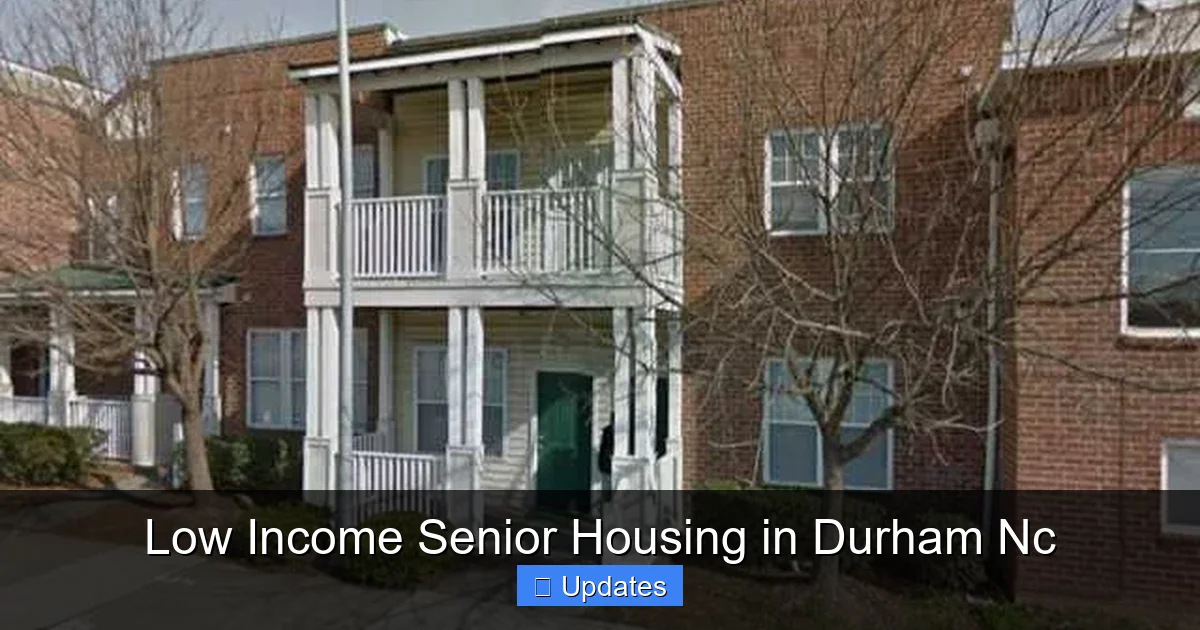
Visual guide about Low Income Senior Housing in Durham Nc
Image source: lowincomehousing.us
Navigating the world of low income senior housing in Durham NC doesn’t have to be intimidating. With careful planning, persistence, and support from local advocates, finding an affordable home that meets your needs is absolutely possible. Remember—your comfort and security matter. Don’t let bureaucracy stand between you and a dignified retirement.
Start by visiting the websites listed above or calling Senior Resources of Greater Durham. Take advantage of free application help sessions, and don’t hesitate to ask questions. After all, this is about building a future where you can thrive—not just survive.
—
Frequently Asked Questions
What is the average rent for low income senior housing in Durham?
In Durham, qualifying seniors typically pay between $300 and $600 per month for subsidized housing. Actual amounts depend on household size and income level, with many residents paying no more than 30% of their monthly earnings.
Are there low income senior housing options with no waiting list in Durham?
As of 2024, most reputable low income senior housing properties in Durham have active waiting lists averaging 12–18 months. However, smaller nonprofit developments or newly renovated units occasionally open up with faster turnarounds.
Can I bring my pet to low income senior housing in Durham?
Policies vary by property, but many Durham senior apartments now allow small pets (dogs or cats under 25 pounds). Some charge a refundable deposit or monthly fee. Always check individual community rules before applying.
Is transportation provided to medical appointments?
Yes—many subsidized senior housing communities partner with local transit agencies or volunteer networks to offer free or low-cost rides to doctors’ visits, especially for residents with mobility challenges.
What should I do if my application is denied?
Request a written explanation from the housing authority. You may appeal the decision or reapply after six months. Local nonprofits like Senior Resources of Greater Durham can review your file and suggest improvements.
Are utilities included in the rent for low income senior housing?
Rent usually covers only base housing costs. Utilities like electricity, water, and internet are typically separate. However, programs like LIHEAP can assist with energy bills during colder months.
