
Low Income Senior Housing Aurora Il


Memory Foam Seat Cushion
Medication Reminder Alarm

Non-Slip Slippers
Low income senior housing in Aurora, IL offers safe, affordable living options for older adults with limited financial means. These communities provide access to essential healthcare, nutritious meals, and social activities—all tailored to support independence and dignity in later life. With rising costs of living, finding affordable senior apartments in Aurora can be challenging, but local programs and nonprofit partnerships are working to meet growing demand.
Finding safe, comfortable, and affordable housing as a senior doesn’t have to feel overwhelming—especially when you know where to look. If you’re a retired teacher, a former factory worker, or someone living on Social Security alone, the idea of paying full market rent for an apartment in Aurora, Illinois, might seem impossible. But the good news? You’re not alone, and help is available. Across Aurora, dozens of low income senior housing communities exist specifically to serve older adults who need financial assistance without sacrificing safety, accessibility, or quality of life.
Whether you’re new to the area or have lived here for decades, navigating the search for low income senior housing in Aurora, IL, can bring up questions: How do I qualify? What kinds of apartments are available? Where should I start? This guide walks you through everything you need to know—from eligibility rules and application tips to real examples of thriving senior communities in the city. We’ll also connect you with local resources that can simplify the process and even cover extra costs like utilities or medical transport.
By the end, you’ll feel confident knowing exactly how to find and apply for the best low income senior housing options near you in Aurora.
Key Takeaways
- Understanding low income senior housing aurora il: Provides essential knowledge
📑 Table of Contents
- Understanding Low Income Senior Housing in Aurora, IL
- Top Low Income Senior Housing Communities in Aurora, IL
- Practical Tips for Applying and Moving In
- Local Resources That Support Low Income Seniors in Aurora
- Common Misconceptions About Low Income Senior Housing
- Looking Ahead: The Future of Senior Housing in Aurora
Understanding Low Income Senior Housing in Aurora, IL
Low income senior housing refers to specially designed residential buildings or apartment complexes that offer reduced rents—often far below what you’d pay on the private market—to adults aged 62 and older whose income falls within certain thresholds. In Aurora, these aren’t just “cheap apartments”; they’re thoughtfully managed environments built with seniors in mind. Features like grab bars in bathrooms, elevators, wide doorways for wheelchairs, and on-site health screenings make daily living easier and safer.
Most importantly, these communities are funded by a mix of federal, state, and nonprofit dollars—not just landlords trying to cut corners. That means consistent maintenance, trained staff, and access to supportive services like meal delivery or medication reminders. Think of them as more than just places to sleep at night—they’re hubs of community, connection, and care.
Types of Affordable Senior Housing Available in Aurora
Not all low income senior housing looks the same. In Aurora, you’ll find several models, each serving different needs and budgets:
- Public Housing Units: Managed directly by the Aurora Housing Authority, these units use federal Section 8 funds to cap rent at 30% of your adjusted household income. For example, if you earn $1,500 per month, your rent would max out around $450—and sometimes less if utilities are included.
- Project-Based Voucher Programs: Similar to public housing, but privately owned buildings contract with HUD (the U.S. Department of Housing and Urban Development) to accept vouchers. One such place in Aurora is The Villages of Aurora East, which offers studio and one-bedroom units with supportive services.
- Nonprofit-Developed Communities: Groups like Mercy Housing or Heartland Alliance operate senior-friendly apartments with sliding-scale rents based on income. These often include communal kitchens, activity rooms, and partnerships with nearby clinics.
- Assisted Living Subsidies: While not identical to independent living, some Aurora-area assisted living facilities participate in state subsidy programs that lower monthly costs for eligible seniors who still want minimal personal care support.
It’s worth noting that while all these options fall under “low income senior housing,” their amenities and waitlist lengths vary widely. Always ask about included services during tours or phone calls.
How to Qualify for Low Income Senior Housing in Aurora
Getting into a low income senior housing community isn’t automatic—there are clear guidelines set by HUD and the City of Aurora. Here’s what you generally need:
- Age Requirement: You must be at least 62 years old (some exceptions exist for disabled younger individuals, but those are rare).
- Income Limits: Your annual income must be below 50% of the area median income (AMI) for Kendall and DuPage counties. As of 2024, that’s roughly $38,000 for a single person or $43,000 for two people. If you live alone and make $40,000 annually, you’d likely qualify—but every program has its own cap.
- Citizenship/Residency Status: U.S. citizens or documented immigrants must prove lawful presence. Proof includes birth certificates, green cards, or passports.
- Background Check: Like any rental, applicants undergo credit and criminal history reviews—but most programs prioritize stability over perfect scores.
To apply, gather documents ahead of time:
– Social Security award letters
– Recent pay stubs or pension statements
– Bank statements (last 6 months)
– Rental history from previous landlord(s)
– Proof of identity
Don’t worry if you don’t have everything—many offices will work with you to collect missing pieces.
Top Low Income Senior Housing Communities in Aurora, IL
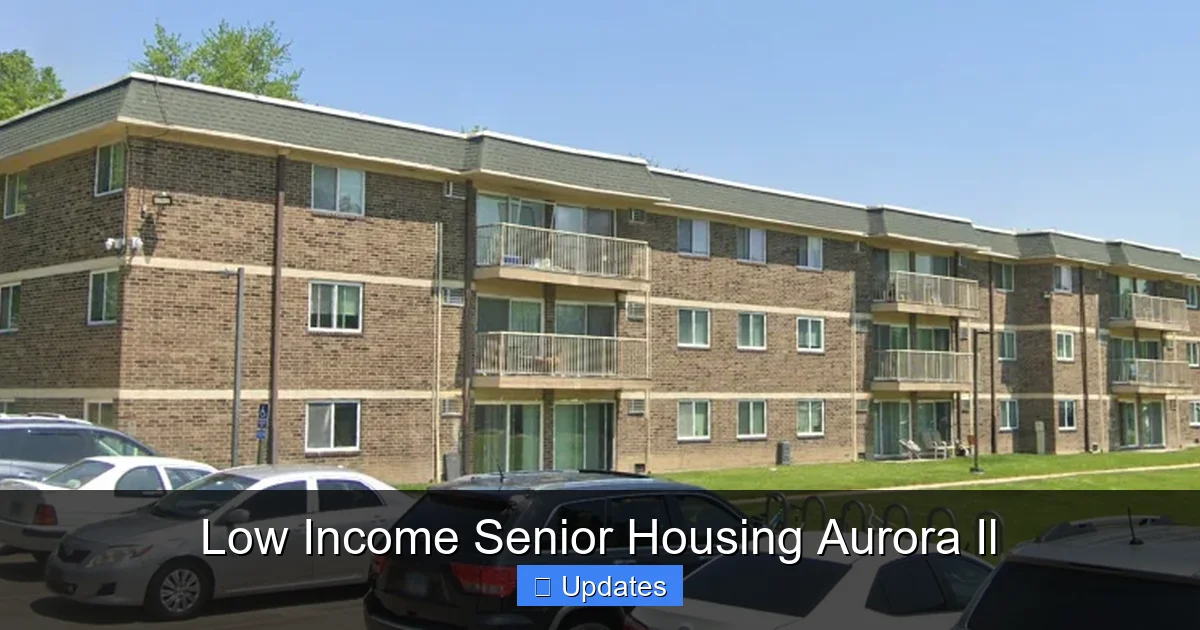
Visual guide about Low Income Senior Housing Aurora Il
Image source: lowincomehousing.us
Aurora isn’t lacking in caring, well-maintained options. Below are some of the most respected low income senior housing communities serving the area—each offering unique perks and varying availability.
The Villages of Aurora East
Located at 1200 N. Farnsworth Ave., this 120-unit development operated by Mercy Community Services provides studio and one-bedroom apartments tailored for active seniors. Residents enjoy weekly housekeeping, emergency call systems, and a dedicated wellness coordinator. What sets it apart? On-site social workers help residents access SNAP benefits, Medicare counseling, and even pet therapy visits. Rent starts as low as $300/month thanks to HUD subsidies, though actual cost depends on your income level.
Aurora Housing Authority Public Housing
For those preferring direct city management, the Aurora Housing Authority oversees several senior-only properties scattered throughout the city. Units range from efficiency layouts to two-bedroom suites. Utilities are often included in the rent, and residents benefit from regular maintenance requests being handled quickly. The main downside? Waitlists stretch 18–24 months long due to high demand.
Heartland Commons
This newer development at 2200 E. River Rd. blends affordability with modern design. Opened in 2022, it features energy-efficient appliances, community gardens, and a partnership with Rush Copley Medical Center for free blood pressure checks every Tuesday. Heartland Commons uses a lottery system for admissions but accepts applications year-round. Priority goes to households earning under 30% AMI.
Senior Residences at Fox Valley
While technically in neighboring Naperville, this facility frequently serves Aurora residents due to its proximity and excellent reputation. It offers both independent living and memory care wings. Their “Lifestyle Choice” model lets seniors choose which services they want—like meal plans or fitness classes—paying only for what they use. Financial aid is available through the Illinois Department on Aging.
Mercy Housing Aurora
Run by the same organization behind The Villages, Mercy Housing Aurora focuses on intergenerational engagement. Their building hosts a weekly preschool playgroup alongside senior bingo nights. Rent is income-based, and they actively recruit veterans and survivors of domestic violence. Tours are available by appointment only.
Each of these communities participates in federal or state-assisted programs, so eligibility standards align closely with HUD guidelines. Visiting in person (or virtually) gives you the clearest picture of whether a place feels like home.
Practical Tips for Applying and Moving In
Visual guide about Low Income Senior Housing Aurora Il
Image source: hudhousingnetwork.com
Even the best low income senior housing won’t help if you don’t know how to apply efficiently. Here’s a step-by-step strategy:
Step 1: Prioritize Applications Based on Urgency
If you’re currently facing eviction or utility shut-offs, contact Aurora’s Emergency Housing Program immediately. They can fast-track approvals for qualifying seniors. Otherwise, submit applications to 2–3 properties simultaneously. Never put all your hopes into one place—waitlists move faster when multiple options are open.
Step 2: Schedule Virtual or In-Person Tours
Ask about floor plans, noise levels, parking, and visitor policies before applying. For remote viewing, request video walkthroughs or photos of common areas. During tours, note how responsive the leasing office is—this predicts future service quality.
Step 3: Gather Documents Early
Create a folder with copies of:
– Birth certificate
– Marriage license (if applicable)
– Social Security card
– Recent bank statements
– Employer or pension contact info
– Previous landlord reference
Having these ready cuts application time by half.
Step 4: Understand Your Total Costs
Rent isn’t your only expense. Ask upfront whether:
– Water/sewer is included
– Heat/electricity is covered
– Laundry facilities are provided
– Parking fees apply
Some places charge $25 extra for cable TV; others include basic internet.
Step 5: Explore Additional Benefits
Once approved, inquire about:
– Free transportation to grocery stores or doctor visits
– Discounts at local pharmacies
– Utility assistance programs (LIHEAP)
– Meal delivery (Meals on Wheels)
These extras can save hundreds monthly.
Finally, don’t hesitate to reach out to case managers at your chosen community. They’re there to help—not judge.
Local Resources That Support Low Income Seniors in Aurora
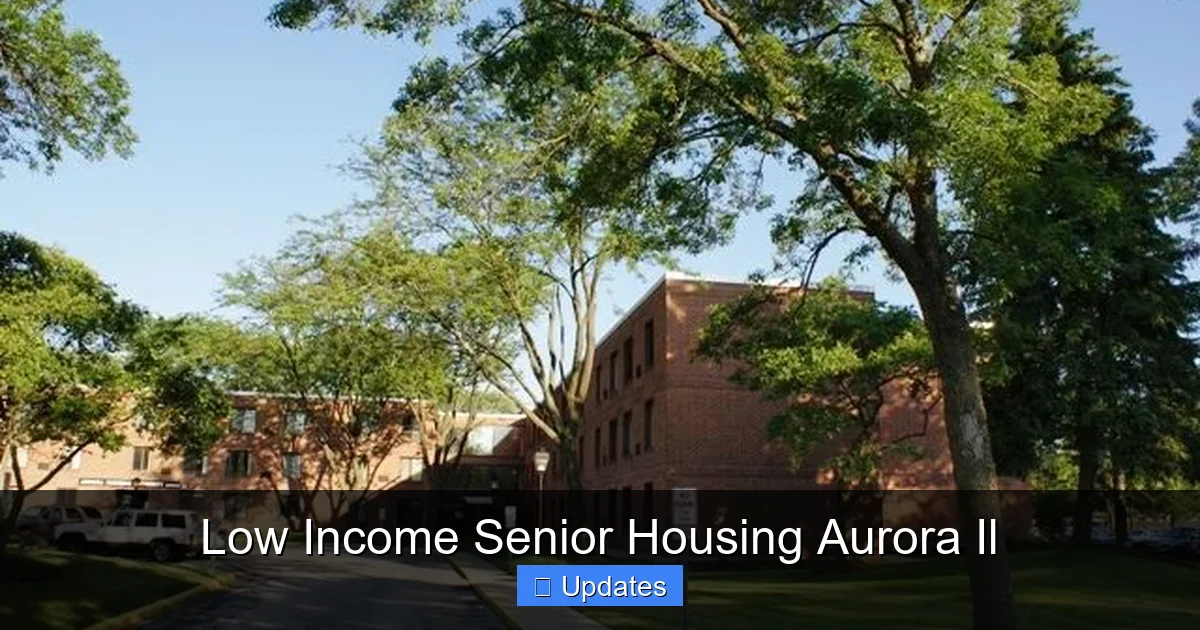
Visual guide about Low Income Senior Housing Aurora Il
Image source: publichousing.com
You don’t have to navigate this alone. Aurora boasts several nonprofits and government agencies dedicated to helping seniors maintain stable, dignified lives.
Aging Ahead
Serving DuPage and Kane counties, Aging Ahead is your go-to for information on housing, nutrition, and legal aid. Their “Housing Navigator” team answers questions about eligibility, assists with paperwork, and even escorts applicants to interviews. Call (630) 690-8700 or visit agingahead.org.
Illinois Housing Development Authority (IHDA)
IHDA runs the statewide Housing Choice Voucher program, including Section 8 for seniors. Their website (ilda.org) lets you check real-time availability and download pre-application forms. They also host webinars explaining income calculations.
DuPage County Health Department – Senior Services
Beyond housing, this department helps seniors access preventive care, vaccination drives, and chronic disease management. They coordinate with housing providers to deliver health kits and flu shots on-site.
Community Action Agency of South Central Illinois
Though headquartered in Bloomington, this group partners with Aurora churches and clinics to distribute heating assistance and food boxes. Their “Energy Outreach Program” prevents utility disconnections.
St. Joseph Catholic Charities
Faith-based but open to all, St. Joe’s offers emergency rental aid and furniture donations. Their “Seniors First” initiative matches volunteers with isolated elders for companionship calls.
These organizations often host workshops at libraries or senior centers—attending one could unlock hidden resources.
Common Misconceptions About Low Income Senior Housing
Despite their value, low income senior housing communities sometimes face stigma. Let’s clear up a few myths:
Myth #1: “They’re Only for People Who Can’t Take Care of Themselves”
False. Many residents live independently, drive cars, and travel regularly. These are active seniors choosing affordability over luxury. In fact, some prefer smaller units because they require less cleaning!
Myth #2: “I Have to Give Up My Pets”
Not necessarily. Policies vary, but most allow small dogs or cats with signed liability waivers. Allergies aren’t grounds for denial—just like with children.
Myth #3: “Applications Are Too Hard to Complete”
Thanks to online portals and staff assistance, most applications take under 30 minutes. IHDA even offers multilingual support.
Myth #4: “I’ll Never Get Off the Waitlist”
While wait times exist, vacancies happen—especially when someone relocates, passes away, or finds private housing. Keep checking status updates monthly.
Remember: seeking help isn’t weakness—it’s wisdom.
Looking Ahead: The Future of Senior Housing in Aurora
As baby boomers age and life expectancies rise, demand for affordable senior housing will only grow. Aurora is responding proactively. In 2023, the city launched the “Senior Housing Master Plan,” allocating $5 million over five years to build new units and renovate existing ones with universal design principles. Projects like the upcoming “Aurora Plaza Senior Residences” aim to combine retail (pharmacy, bank), healthcare (telemedicine kiosks), and housing under one roof.
Meanwhile, technology bridges gaps. Some communities now offer virtual concierge services, allowing residents to schedule repairs or order groceries via tablet. Others use apps to monitor air quality or remind users to take medications.
Advocacy groups like “Seniors United for Safe Housing” also push for policy changes—such as expanding voucher portability so seniors can move freely between suburbs without losing subsidies.
So while challenges remain, the trajectory is positive. Aurora understands that aging well starts with having a place to call home—one that’s safe, affordable, and full of connection.
Frequently Asked Questions
What is the income limit for low income senior housing in Aurora, IL?
As of 2024, households must earn below 50% of the area median income—approximately $38,000 for one person or $43,000 for two. Exact limits vary slightly by program and family size. Contact the Aurora Housing Authority or IHDA for personalized calculations.
Are utilities included in low income senior housing rent in Aurora?
Yes, in many cases. Public housing and HUD-subsidized units often bundle water, heat, and electricity into the monthly rent. Always confirm specifics during your application or tour—some may exclude cable or internet.
How long are typical waitlists for low income senior housing in Aurora?
Waitlists range from 6 months to over 2 years depending on location and demand. Popular places like The Villages of Aurora East see 18–24 month delays. Applying to multiple properties increases your odds of moving sooner.
Can I bring my pet to low income senior housing in Aurora?
Generally yes, but policies differ. Small dogs and cats are usually permitted with signed agreements acknowledging potential damages. No-pet buildings are rare but exist—check individual community rules before applying.
Is transportation available from low income senior housing in Aurora?
Almost always. Most communities partner with local transit agencies or offer free shuttles to hospitals, grocery stores, and senior centers. Ask about routes and schedules during your inquiry.
What should I do if I miss the deadline for a low income senior housing application in Aurora?
Many programs accept applications year-round. Visit the property manager’s office or call the leasing agent to ask about next intake cycles. Some even hold “rolling admissions” where spots open up unexpectedly.
