
Low Income Senior Housing in Columbus Ga


Adaptive Eating Utensils

Pulse Oximeter Finger Monitor

Shower Chair for Elderly
Finding affordable housing shouldn’t mean sacrificing comfort or care. In Columbus, Georgia, several programs and communities are dedicated to helping low-income seniors maintain independence while staying close to family and services. From subsidized apartments to nonprofit-assisted living, options exist that prioritize dignity, accessibility, and affordability. This guide walks you through what to expect, how to qualify, and where to start your search.
Living on a fixed income can be challenging—especially when it comes to finding a safe, clean, and affordable place to call home. For many seniors in Columbus, Georgia, rising costs and limited savings make traditional apartment rentals or assisted living out of reach. That’s why low income senior housing in Columbus, GA has become such a vital resource. These communities aren’t just about shelter; they’re designed with older adults in mind, offering supportive environments where residents can age with dignity and access to essential services.
Whether you’re looking for a studio apartment with utilities included or a one-bedroom unit near family and healthcare, there are options tailored to meet both budget and lifestyle needs. The good news? You don’t have to navigate this alone. Local agencies, nonprofit organizations, and government programs work together to connect eligible seniors with housing that fits their circumstances. In this article, we’ll walk you through everything you need to know—from eligibility requirements to application tips, available communities, and how to stay informed during long waitlists.
Key Takeaways
- Multiple funding sources support low income senior housing in Columbus, GA: Programs like HUD Section 202, LIHTC, and state-specific grants help make housing affordable for seniors on fixed incomes.
- Eligibility is based on income, age, and sometimes health needs: Most programs require applicants to be at least 62 years old and earn below 50–80% of area median income.
- Waitlists are common but not permanent: Staying proactive—submitting applications early, updating documents, and checking for openings—can improve your chances.
- Supportive services often include meal programs, transportation, and wellness checks: These extras make independent living safer and more comfortable for older adults.
- Local nonprofits and agencies can simplify the application process: Organizations like United Way of Greater Columbus or the Muscogee County Office on Aging offer guidance and advocacy.
- Accessibility matters: Many affordable senior housing options now include ADA-compliant units with roll-in showers, grab bars, and emergency call systems.
- Consider proximity to medical care and community resources: Housing near hospitals, pharmacies, and senior centers enhances quality of life.
📑 Table of Contents
Understanding Low Income Senior Housing Options in Columbus, GA
Low income senior housing in Columbus, GA isn’t a single program—it’s an ecosystem of support built around different funding models and resident needs. At its core, these housing solutions combine affordability with accessibility, often including utilities, maintenance, and even social programming. While some focus strictly on basic shelter, others integrate meals, transportation, or on-site health services. What unites them all is a commitment to helping seniors live independently without financial strain.
One of the most common types is HUD-subsidized housing, which receives federal funding through the U.S. Department of Housing and Urban Development (HUD). These properties—often called Public Housing or Section 8 properties—are managed by local housing authorities and rent is typically capped at 30% of a household’s monthly income. Another popular model uses Low-Income Housing Tax Credits (LIHTC), a competitive grant program that incentivizes private developers to build or rehabilitate affordable units. Thanks to LIHTC, many newer senior-friendly complexes in Columbus now feature modern appliances, energy-efficient designs, and accessible layouts.
Beyond traditional apartments, there are also congregate housing options. These communities provide shared dining rooms, group activities, and sometimes nursing oversight—perfect for those who want companionship but still prefer independent living. And let’s not forget about supportive housing, which may include memory care features for residents with cognitive challenges like dementia. Each option comes with its own rules, benefits, and application process, so understanding your priorities is key.
How Affordable Is “Affordable”?
When we talk about low income senior housing in Columbus, GA, “affordable” doesn’t always mean “free.” Instead, it usually refers to rents set at or below 30% of your gross monthly income. For example, if you bring in $1,500 per month, your rent might max out at $450—even if market rate for similar units is $900 or more. Some developments go further, offering rates as low as $750–$1,200 total per month for a full-service package (rent + utilities + meal plan). It’s important to compare what’s included: does the price cover heat, water, trash, internet, or home repairs?
Also keep in mind that income limits vary by program. For instance, HUD sets thresholds based on the Federal Poverty Level adjusted for household size. In Columbus, a single senior earning under $28,200 annually (for 2024) would likely qualify for most programs. Larger households may have slightly higher caps, but the principle remains: the lower your income relative to peers, the better your chances of securing assistance.
Who Qualifies?
Eligibility hinges on three main factors: age, income, and residency. To apply for low income senior housing in Columbus, GA, you must generally be at least 62 years old—though some disability-based exceptions exist. You’ll also need to prove you reside within Muscogee County or surrounding areas, as many subsidies are geographically targeted. Most critically, your annual income must fall within program-defined limits. As mentioned earlier, that’s typically 50% to 80% of the Area Median Income (AMI), which for Columbus is currently around $56,400 for a one-person household.
It’s worth noting that “income” includes pensions, Social Security, part-time wages, investment returns, and even alimony or child support. Even if you’re retired, occasional freelance work or rental income could affect your eligibility—so transparency during screening is essential. Additionally, certain assets (like retirement accounts or primary home equity) may be counted differently depending on the program. Always ask the property manager or caseworker for clarification if something seems unclear.
Top Low Income Senior Housing Communities in Columbus, GA
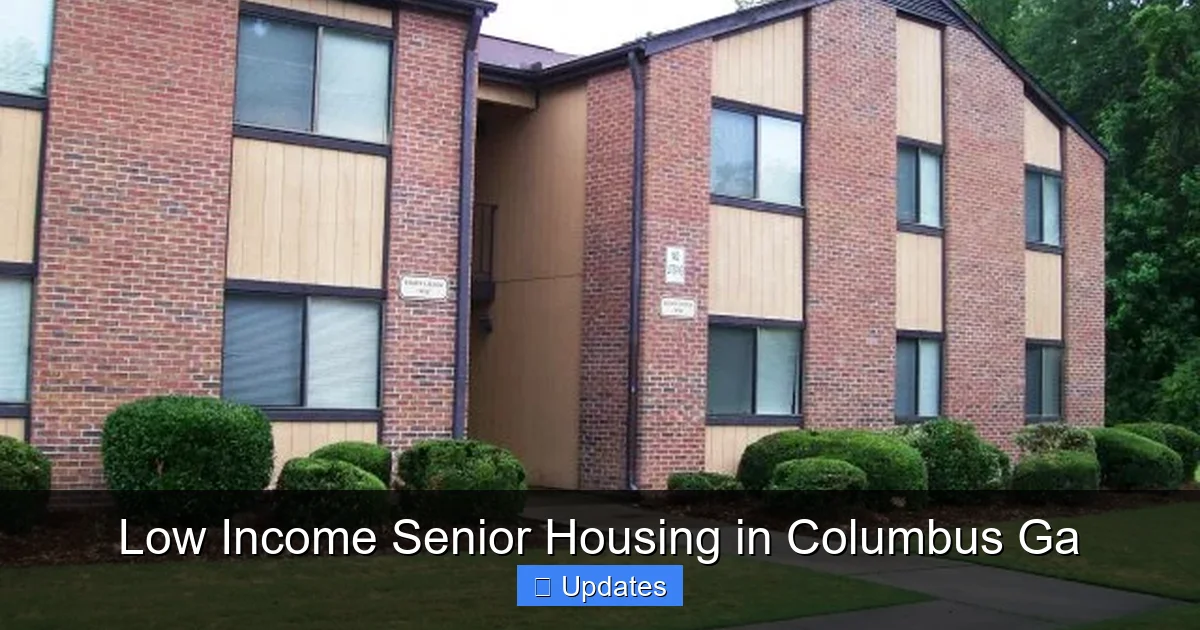
Visual guide about Low Income Senior Housing in Columbus Ga
Image source: lowincomehousing.us
While there’s no exhaustive public list of every affordable senior complex in Columbus, several standout communities consistently serve the local population. Below are some of the most reputable and accessible options, along with brief descriptions of their offerings.
Magnolia Trace Apartments
Located just east of downtown Columbus, Magnolia Trace offers 80 one- and two-bedroom units specifically for seniors aged 62+. Managed by a nonprofit developer under HUD guidelines, rent here is pegged at 30% of income, making it one of the most affordable choices in the city. Utilities (electricity, water, sewer) are included, and the grounds feature paved walking paths, shaded courtyards, and emergency alert systems in every unit. On-site staff coordinate monthly wellness checks and host bingo nights, card games, and holiday celebrations.
The Villas at North Highland
This newer development near the North Highland neighborhood provides 60 studio and efficiency apartments designed for mobility-impaired residents. Built with universal design principles, units include roll-in showers, lever-style door handles, and lowered kitchen counters. The Villas partner with local Meals on Wheels providers to deliver nutritious lunches five days a week, and shuttle service connects residents to the Piedmont Columbus Regional Hospital. Wait times average 18–24 months, so applying early is strongly advised.
Sunset Manor
A long-standing favorite among low income senior housing seekers in Columbus, GA, Sunset Manor sits in a quiet residential area off Wynnton Road. With 100+ units spread across two buildings, it offers both private and shared bathrooms depending on availability. Residents praise the friendly management team and frequent social events like movie nights and gardening clubs. Though not all utilities are included, the base rent is exceptionally low ($750/month max), and pets are welcome with a small deposit.
Briarcliff Place
Briarcliff Place stands out for its combination of affordability and amenities. Located near Chattahoochee State Park, it provides 45 one-bedroom units with kitchenettes, large closets, and ceiling fans. The community garden, fitness room, and computer lab add value beyond basic shelter. Applications are processed quarterly, and priority is given to veterans and survivors of domestic violence. Be prepared to submit proof of income, ID, and residency documents ahead of time.
St. Mary’s Senior Residences
Run by the Catholic Diocese of Savannah, St. Mary’s offers faith-based support alongside affordable housing. Open to all qualifying seniors regardless of religious affiliation, these 30 units feature private bedrooms, communal kitchens, and weekly chapel services. Transportation to St. Francis Hospital and nearby grocery stores is provided twice weekly. Because demand exceeds capacity, prospective residents are encouraged to join the waiting list as soon as possible.
Each of these communities participates in either HUD Section 8, LIHTC, or state-funded programs, ensuring consistent affordability standards. Contacting them directly is the best way to get current availability, application forms, and answers to specific questions about accessibility or pet policies.
Navigating the Application Process
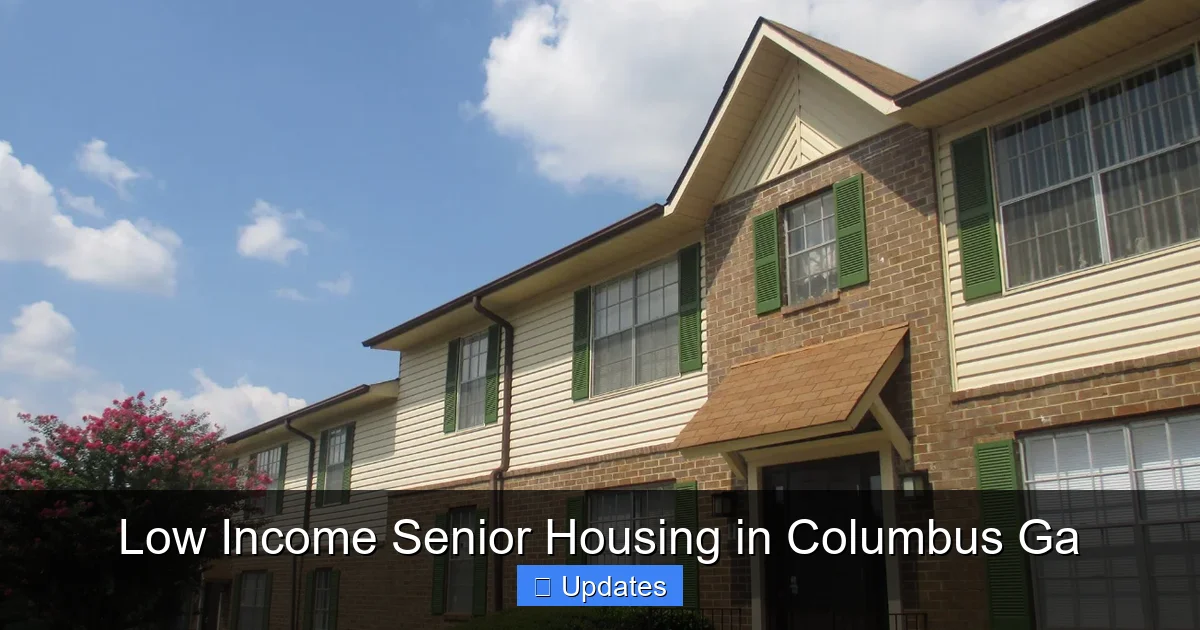
Visual guide about Low Income Senior Housing in Columbus Ga
Image source: lowincomehousing.us
Applying for low income senior housing in Columbus, GA can feel overwhelming at first—but breaking it down into steps makes it manageable. Start by gathering required documentation: birth certificate, Social Security cards, recent bank statements, tax returns, utility bills, and proof of income (like pension stubs or bank interest records). Having everything organized saves time and reduces stress later.
Next, identify which programs align with your situation. If you’re unsure, call the Muscogee County Office on Aging at (706) 653-2320. Their caseworkers can review your file and recommend the best path forward. They’ll also help fill out forms accurately and explain deadlines.
Once submitted, your application enters a queue. Waitlist times vary widely—from a few months to over two years—depending on funding cycles and turnover. To increase your odds, consider applying to multiple properties simultaneously. Some seniors even create a spreadsheet tracking each community’s requirements, contact info, and submission dates.
After selection, expect a home visit or interview. Landlords want to ensure you’ll be a respectful tenant and able to maintain the unit. Don’t be discouraged if denied—many applicants reapply after improving credit, increasing income stability, or resolving minor issues like missing paperwork.
Pro Tips for Success
– Update your application regularly: Income changes or new documentation can bump you up the list.
– Stay engaged: Call monthly to check status—some places only notify applicants when vacancies arise.
– Bring a friend or advocate: Family members or social workers can help interpret instructions or accompany you to meetings.
– Know your rights: Under fair housing laws, you cannot be discriminated against due to race, religion, gender, or familial status.
Remember, persistence pays off. Many seniors spend years searching before landing the perfect spot—and that’s okay. The goal isn’t just a roof over your head; it’s peace of mind knowing you’re cared for.
Additional Support Services for Seniors in Columbus, GA
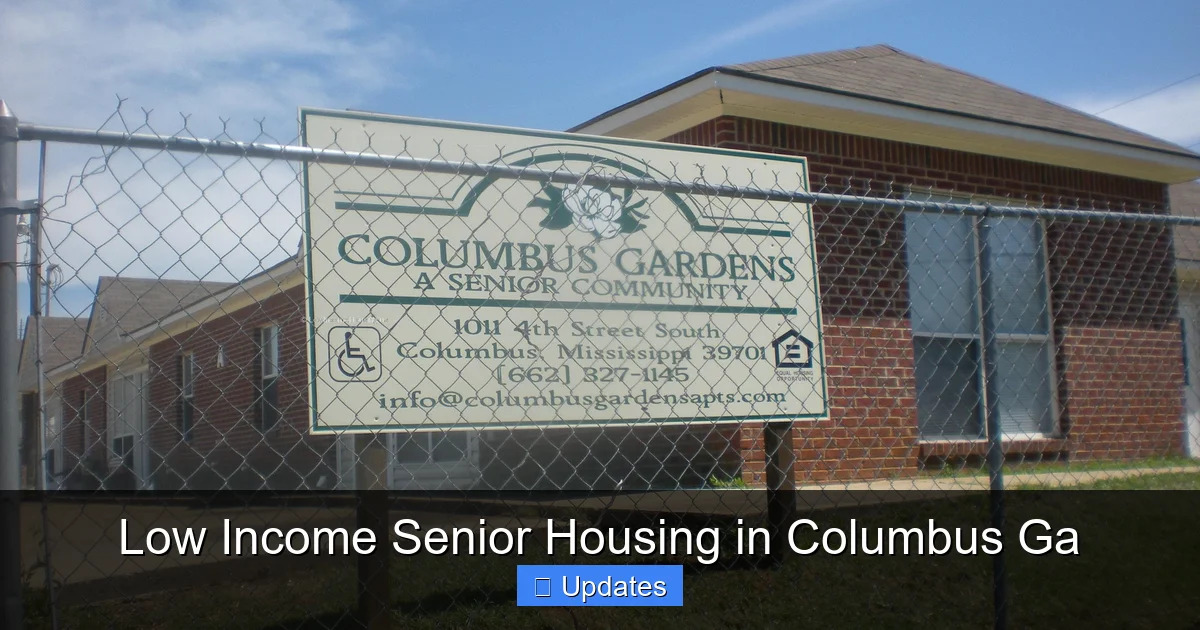
Visual guide about Low Income Senior Housing in Columbus Ga
Image source: lowincomehousing.us
Affordable housing is only half the equation. True quality of life comes from access to healthcare, nutrition, transportation, and social connection. Fortunately, Columbus offers a robust network of supplemental services tailored to older adults.
For instance, the Muscogee County Nutrition Program delivers hot lunches Monday through Friday at senior centers across the city. Even if you don’t live in subsidized housing, you can often attend for a minimal fee. Similarly, Senior Ride provides free or low-cost trips to doctors, pharmacies, and shopping malls using volunteer drivers. Scheduling rides in advance is recommended, especially for medical appointments.
Healthcare access is another priority. Besides being near major hospitals like Piedmont Columbus Regional and St. Francis Hospital, many low income senior housing communities collaborate with visiting nurses or telehealth providers. Medicare beneficiaries should also explore Extra Help programs to reduce prescription drug costs.
Social isolation is a real concern for aging populations. That’s why groups like Golden Circle Club organize weekly outings, educational seminars, and volunteer opportunities. Volunteering itself builds confidence and combats loneliness—plus, it looks great on future housing applications!
Lastly, legal aid organizations such as Georgia Legal Services Program offer free consultations on tenant rights, estate planning, and scams targeting seniors. Knowing your rights empowers you to advocate for yourself throughout the housing journey.
Staying Informed About Availability and Changes
Because demand for low income senior housing in Columbus, GA far exceeds supply, staying updated is crucial. Subscribe to email alerts from the Muscogee County Housing Authority or follow their Facebook page. You can also sign up for text notifications through the City of Columbus’s “Senior Connect” portal.
Another strategy is building relationships with property managers. Friendly chats during open houses or community events can yield insider tips—such as when a unit might become available or if they’re accepting pre-applications. Word-of-mouth referrals sometimes lead to faster placement than formal channels.
Don’t overlook seasonal fluctuations. Vacancies tend to spike after holidays or summer moves, so mid-year applications may face less competition. Conversely, winter tends to be busier due to heating-related relocations. Timing your submission strategically can shave months off your wait.
Finally, consider alternative models like co-housing or intergenerational programs. While rare in Columbus, pilot projects occasionally emerge through partnerships between universities, churches, and city planners. Keeping an eye on local news or attending town halls might reveal unexpected opportunities.
In conclusion, while navigating the world of low income senior housing in Columbus, GA requires patience and preparation, the payoff is worth it. Every dollar saved on rent frees up resources for groceries, medicine, or travel with grandchildren. Every safe, welcoming environment nurtures independence and joy. With the right information and support, you can find a place that feels like home—without breaking the bank.
Frequently Asked Questions
What is the average wait time for low income senior housing in Columbus, GA?
Wait times typically range from 12 to 24 months, though some communities may take longer due to high demand. Applying to multiple properties and staying in touch with caseworkers can help reduce delays.
Can I apply for low income senior housing if I own my current home?
Yes, but equity in your primary residence is often not counted toward income limits. However, selling or refinancing could impact eligibility, so consult a housing counselor before making decisions.
Are pets allowed in most low income senior housing communities?
Many do allow pets—sometimes with a small deposit or weight restrictions. Policies vary by property, so always ask during the application process.
Do I need to be disabled to qualify?
No, disability is not required. Most programs serve seniors aged 62+, though some may offer preference to those with documented mobility or cognitive impairments.
How often do rent amounts get adjusted?
Rents are usually recalculated annually based on your updated income. You’ll receive notice before any changes take effect.
Where can I get help filling out the application?
The Muscogge County Office on Aging, United Way of Greater Columbus, and local nonprofits like Senior Citizens Inc. offer free application assistance and document reviews.