
Low Income Senior Housing Arkansas Under $500


LED Magnifying Glass

Arthritis Gloves

Non-Slip Bathroom Mat
Finding affordable senior housing in Arkansas doesn’t have to be overwhelming. With numerous subsidized and income-based programs available, many older adults can secure safe, comfortable homes for under $500 per month. This guide walks you through the best options, how to qualify, and where to apply—so you or your loved one can enjoy dignity and peace of mind in retirement.
Finding a safe, comfortable, and affordable place to live is one of the most important concerns for low-income seniors in Arkansas. As housing costs rise across the country, many older adults on fixed incomes—like Social Security or pensions—are struggling to make ends meet. The good news? There are real, practical solutions for seniors seeking housing under $500 per month in Arkansas. From federally funded programs to local nonprofit initiatives, the state offers a range of options designed to support aging residents with limited financial resources.
Whether you’re a senior looking for a new home or a family member helping a loved one, this guide will walk you through everything you need to know. We’ll cover the top programs, how to qualify, where to apply, and insider tips to increase your chances of success. You’ll also find real-world examples of affordable senior housing communities across Arkansas, so you can see what’s available near you. The goal is simple: to help you find a place that feels like home—without breaking the bank.
Key Takeaways
- Affordable senior housing under $500 exists in Arkansas: Many subsidized apartments and public housing units are available for low-income seniors across the state.
- Section 202 and HUD programs are key resources: These federal programs offer deeply discounted rents based on income and age requirements.
- Income limits vary by county: Eligibility depends on your location and household size—check local Public Housing Agencies (PHAs) for exact figures.
- Apply early and stay persistent: Waitlists can be long, so submit applications as soon as possible and follow up regularly.
- Nonprofits and rural housing options help fill gaps: Organizations like USDA Rural Development and local nonprofits offer additional low-cost senior housing solutions.
- Aid is available for application support: Free counseling and assistance programs can help seniors navigate the process with confidence.
- Utilities and services may be included: Some affordable units cover heating, electricity, or meal programs, reducing overall living costs.
📑 Table of Contents
Why Affordable Senior Housing Matters in Arkansas
For many seniors in Arkansas, housing isn’t just about having a roof over their heads—it’s about dignity, safety, and independence. As people age, medical expenses often increase while income tends to stay the same or decrease. This financial squeeze makes affordable housing not just a convenience, but a necessity. According to the U.S. Department of Housing and Urban Development (HUD), nearly 1 in 4 renters in Arkansas are cost-burdened, meaning they spend more than 30% of their income on rent. For seniors living on Social Security, that number can climb even higher.
Arkansas, with its mix of rural communities and growing urban centers like Little Rock and Fayetteville, faces unique housing challenges. In rural areas, access to services and transportation can be limited, making it harder for seniors to find suitable housing. Meanwhile, in cities, rising rents are pushing low-income residents out of neighborhoods they’ve lived in for decades. That’s why programs designed specifically for seniors—especially those with very low incomes—are so vital.
The good news is that Arkansas has a strong network of public and nonprofit organizations working to close the affordability gap. From federal housing vouchers to state-supported senior apartments, there are more resources available than many people realize. The key is knowing where to look and how to apply. With the right information and a little persistence, seniors can find housing that not only fits their budget but also supports their health and well-being.
Top Programs for Low Income Senior Housing Under $500

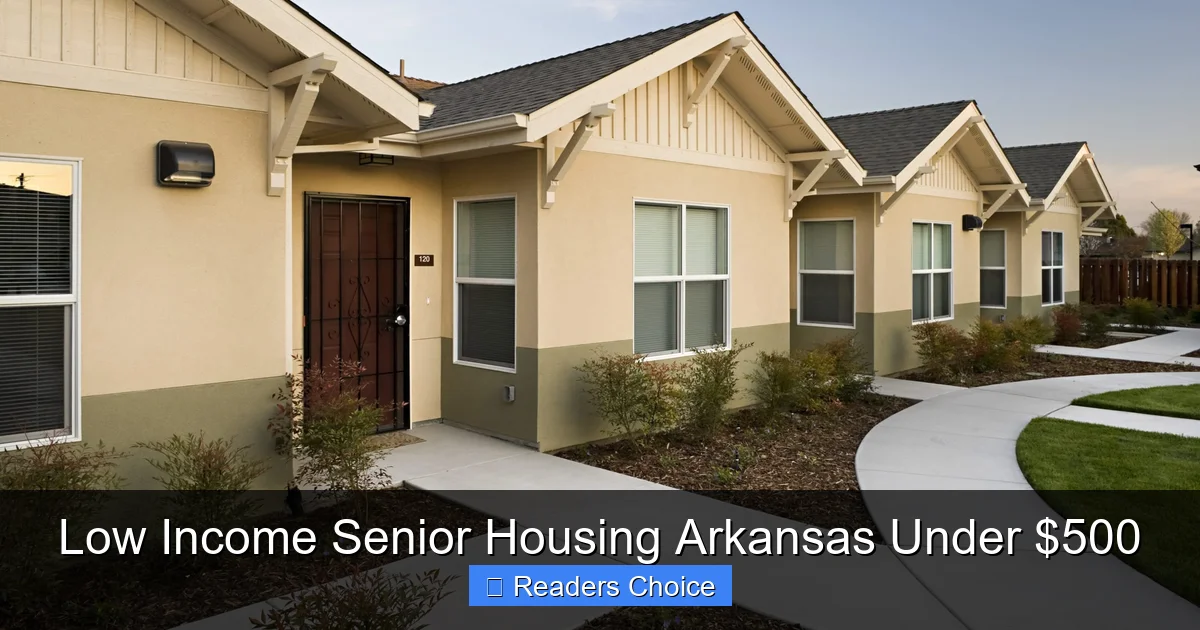
Visual guide about Low Income Senior Housing Arkansas Under $500
Image source: senioradvocatecenter.com
When it comes to finding senior housing under $500 in Arkansas, several programs stand out for their affordability, accessibility, and support services. These programs are designed to help older adults maintain independence while keeping housing costs manageable. Below are the most effective options available across the state.
Section 202 Supportive Housing for the Elderly
One of the most well-known and respected programs is the Section 202 Supportive Housing for the Elderly, funded by HUD. This program provides affordable apartments specifically for seniors aged 62 and older with very low incomes. Rents are typically set at 30% of the resident’s monthly adjusted income, which often results in payments well under $500—even for those with minimal income.
What makes Section 202 unique is that it’s not just about housing. Many of these communities offer supportive services like meal programs, transportation, health screenings, and social activities. This holistic approach helps seniors stay healthy and engaged, reducing isolation and improving quality of life.
In Arkansas, Section 202 properties can be found in cities like Little Rock, Pine Bluff, and Jonesboro. Examples include the Riverview Senior Apartments in Little Rock, where one-bedroom units rent for around $350–$450 per month, including utilities. These buildings are often managed by nonprofit organizations and feature amenities like on-site laundry, community rooms, and 24-hour emergency call systems.
To qualify, applicants must be at least 62 years old and meet income limits, which vary by location. For a single person in Pulaski County, the 2024 income limit is around $28,000 per year. Applications are submitted through the property management company, and waitlists can be long—sometimes over a year—so it’s important to apply early.
HUD Public Housing for Seniors
Another major resource is HUD Public Housing, which offers affordable rental units managed by local Public Housing Agencies (PHAs). While not all public housing is designated for seniors, many PHAs in Arkansas reserve units or entire buildings for older adults. These apartments are often located in safe, well-maintained communities and rent is based on income—usually 30% of monthly earnings.
For example, the Little Rock Housing Authority operates several senior-focused properties, including the Southwest Senior Village, where rents start at $275 per month. These units are typically one-bedroom or studio apartments, ideal for individuals or couples. Utilities like water and trash are often included, and some buildings offer meal programs or wellness checks.
To apply, seniors must contact their local PHA and complete an application. Eligibility is based on age (usually 62+), income, and citizenship status. Because demand is high, waitlists are common. However, seniors with urgent needs—such as those facing homelessness or unsafe living conditions—may receive priority placement.
Housing Choice Voucher Program (Section 8)
The Housing Choice Voucher Program, commonly known as Section 8, is another powerful tool for low-income seniors. This program provides rental assistance that allows participants to choose their own housing—whether it’s an apartment, townhouse, or single-family home—as long as it meets safety and affordability standards.
Seniors who qualify receive a voucher that covers a portion of their rent, with the tenant paying the remaining amount (usually 30% of their income). In Arkansas, this often means paying less than $500 per month, even in higher-cost areas. The voucher can be used in most counties, giving seniors flexibility to live near family, medical care, or support networks.
For instance, a senior in Benton County might use a Section 8 voucher to rent a one-bedroom apartment for $700, but only pay $300 out of pocket. The rest is covered by the voucher. This makes it possible to live in safer neighborhoods or closer to essential services.
Applying for Section 8 involves contacting your local PHA. Due to high demand, many agencies have closed waiting lists or long wait times—sometimes several years. However, seniors can improve their chances by applying as soon as possible, keeping their information updated, and checking for special preference categories (like elderly or disabled status).
USDA Rural Development Senior Housing
For seniors living in rural parts of Arkansas, the USDA Rural Development program offers a lifeline. This federal initiative provides affordable rental housing in small towns and rural areas through its Section 515 program. These properties are specifically designed for low- to moderate-income seniors and often feature modern amenities at deeply discounted rates.
One example is the Mountain View Senior Apartments in Stone County, where one-bedroom units rent for $375 per month, including heat and hot water. These buildings are typically managed by local nonprofits or housing authorities and are located in quiet, scenic areas with access to community services.
To qualify, seniors must be 62 or older and meet income limits, which are adjusted for rural areas and can be higher than urban limits. For a single person in a rural county, the limit might be around $32,000 per year. Applications are submitted directly to the property manager, and waitlists vary by location.
State and Local Nonprofit Programs
Beyond federal programs, Arkansas is home to several state and local organizations that provide affordable senior housing. These nonprofits often fill gaps left by government programs and may offer additional services like case management, home repairs, or transportation.
For example, Arkansas Supportive Housing partners with local agencies to operate senior apartments in cities like Fort Smith and Hot Springs. These units are income-based and often include utilities and meal programs. Similarly, Habitat for Humanity has built affordable senior homes in partnership with local communities, offering zero-interest mortgages or rental options for qualifying individuals.
These programs may have shorter waitlists and more personalized support, making them a great alternative for seniors who need help quickly. Many also offer application assistance, helping seniors navigate paperwork and eligibility requirements.
How to Qualify for Low Income Senior Housing in Arkansas
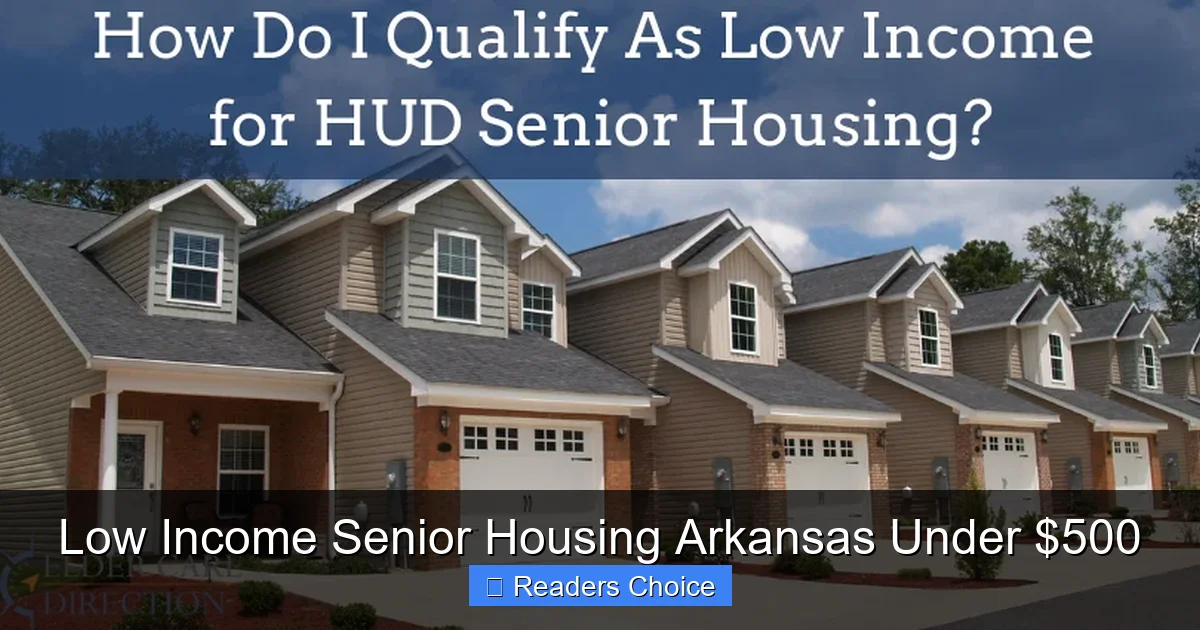
Visual guide about Low Income Senior Housing Arkansas Under $500
Image source: lowincomehousing.us
Qualifying for affordable senior housing under $500 in Arkansas involves meeting specific criteria related to age, income, residency, and sometimes health or disability status. While each program has its own rules, there are common requirements that apply across the board.
Age Requirements
Most senior housing programs require applicants to be at least 62 years old. This is a standard set by HUD and other federal agencies to ensure that resources are directed to those who are truly in the senior demographic. Some programs may allow younger individuals with disabilities to apply, but age 62 is the typical cutoff.
Income Limits
Income is the most critical factor in determining eligibility. Programs use “area median income” (AMI) to set limits, which vary by county and household size. For example, in 2024, a single senior in Pulaski County must earn less than $28,000 per year to qualify for Section 202 housing. In rural counties like Izard or Searcy, the limit might be slightly higher due to lower overall income levels.
It’s important to note that income includes not just wages, but also Social Security, pensions, retirement accounts, and other sources. However, some programs exclude certain benefits or allow deductions for medical expenses, which can help lower your countable income.
Residency and Citizenship
Applicants must be U.S. citizens or eligible non-citizens and reside in Arkansas. Proof of residency—such as a driver’s license, utility bill, or lease—is typically required. Some programs may also require a background check or rental history review.
Health and Disability Considerations
While most programs are open to all seniors, some prioritize individuals with disabilities or those needing supportive services. For example, Section 202 properties often partner with home health agencies to provide on-site care. Seniors with mobility issues may also qualify for accessible units with features like grab bars, ramps, and roll-in showers.
Application Tips
To improve your chances of approval:
– Apply early—waitlists can be long.
– Gather all required documents (ID, income statements, Social Security award letters).
– Be honest and accurate on your application.
– Follow up regularly with the housing agency.
– Seek help from a housing counselor if needed.
Where to Find Affordable Senior Housing in Arkansas
Visual guide about Low Income Senior Housing Arkansas Under $500
Image source: greatsenioryears.com
Knowing where to look is half the battle. Arkansas has affordable senior housing options in both urban and rural areas, but availability varies by region. Here’s a breakdown of where to search and what to expect.
Urban Areas: Little Rock, Fayetteville, and Fort Smith
In larger cities, seniors have access to more housing options and support services. Little Rock, for example, is home to multiple Section 202 properties, public housing units, and nonprofit-run senior apartments. The Capital Manor in downtown Little Rock offers one-bedroom units for around $400 per month, with utilities included and a community dining room.
Fayetteville and Fort Smith also have strong senior housing networks. In Fayetteville, the Northwest Arkansas Housing Authority manages several income-based properties, including the Spring Creek Senior Living community, where rents start at $325. Fort Smith offers similar options through the Sebastian County Housing Authority, with units available for under $450.
Rural Communities: Mountain Home, Batesville, and Jonesboro
In rural areas, USDA Rural Development properties are often the best bet. Mountain Home, for instance, has the Ozark Senior Village, a 30-unit complex with rents around $350. Batesville offers the White River Senior Apartments, managed by a local nonprofit and featuring on-site wellness programs.
Jonesboro, while slightly larger, still has rural-style housing options. The Craighead County Senior Housing project provides affordable units with access to public transit and medical facilities.
Online Search Tools
To find available units, seniors and their families can use free online resources:
– HUD Resource Locator: Search for Section 202 and public housing by city or ZIP code.
– Affordable Housing Online: Lists income-restricted apartments with photos, amenities, and contact info.
– 211 Arkansas: Call 2-1-1 or visit their website to speak with a housing counselor and get personalized referrals.
Tips for Applying and Securing Housing Quickly
The application process for low-income senior housing can be daunting, but with the right approach, you can increase your chances of success. Here are practical tips to help you navigate the system and secure housing faster.
Start Early and Apply Widely
Don’t wait until you’re in crisis to apply. Many programs have waitlists that stretch for months or even years. Apply to multiple properties and programs at once—this increases your odds of getting approved somewhere.
Gather Documentation in Advance
Have your documents ready before you apply. This includes:
– Government-issued ID
– Social Security card
– Proof of income (Social Security award letter, pension statements)
– Bank statements
– Proof of residency
Having these on hand speeds up the process and reduces delays.
Seek Application Assistance
You don’t have to go it alone. Many organizations offer free help:
– Area Agencies on Aging (AAA): Provide housing counseling and application support.
– Legal Aid of Arkansas: Offers legal assistance for housing issues.
– Senior Centers: Often host workshops on affordable housing.
Stay in Touch
After applying, follow up every few weeks. Ask about your position on the waitlist and whether any new units are expected. Being proactive shows you’re serious and may help you move up the list.
Consider Alternative Options
If waitlists are too long, explore other affordable living arrangements:
– Shared housing: Split rent with another senior.
– Subsidized assisted living: Some facilities offer sliding-scale fees.
– Home-sharing programs: Live with a family in exchange for rent or help around the house.
Conclusion
Finding low income senior housing in Arkansas under $500 is not only possible—it’s within reach for thousands of older adults across the state. With a mix of federal programs, local nonprofits, and supportive communities, Arkansas offers a safety net for seniors who need affordable, safe, and dignified housing.
The key is to act early, apply widely, and seek help when needed. Programs like Section 202, HUD Public Housing, and USDA Rural Development are designed to make housing accessible, and many include utilities and services that further reduce costs. By understanding the eligibility requirements and using available resources, seniors can find a place to call home without sacrificing their financial security.
Remember, you’re not alone in this journey. From housing counselors to community organizations, support is available every step of the way. Whether you’re in Little Rock or a small town in the Ozarks, there’s an affordable senior housing option waiting for you. Take the first step today—your future self will thank you.
Frequently Asked Questions
What is the cheapest senior housing in Arkansas?
The cheapest senior housing in Arkansas typically comes from Section 202 or public housing programs, where rents can be as low as $250–$350 per month. These units are income-based and often include utilities.
Can I get senior housing if I’m under 62?
Most senior housing programs require applicants to be 62 or older. However, some properties accept younger individuals with disabilities, especially if they qualify for supportive services.
How long are the waitlists for affordable senior housing?
Waitlists vary by location and program but can range from 6 months to over 2 years. Applying early and following up regularly can help you stay informed about your status.
Do I have to be a U.S. citizen to apply?
You must be a U.S. citizen or an eligible non-citizen (such as a lawful permanent resident) to qualify for most federal housing programs in Arkansas.
Are utilities included in low-income senior housing?
Many affordable senior housing units include utilities like water, heat, and trash. Some even offer electricity or meal programs, which can significantly reduce monthly expenses.
Where can I get help applying for senior housing?
Free assistance is available through Area Agencies on Aging, 211 Arkansas, and local senior centers. These organizations can help with applications, documentation, and finding available units.
