
Low Income Senior Housing Fort Wayne Indiana


Adaptive Eating Utensils

Orthopedic Pillow

Smart Health Watch for Seniors
Finding safe, affordable housing is one of the biggest challenges for seniors on fixed incomes. In Fort Wayne, Indiana, several programs and properties are dedicated to helping low-income seniors maintain independence while accessing essential support services. Whether you’re a senior yourself or helping a loved one, understanding your options can make all the difference.
This guide walks through everything from qualifying criteria to application tips, so you know exactly where to start.
Finding low income senior housing in Fort Wayne, Indiana, doesn’t mean sacrificing comfort or safety. In fact, this vibrant city offers a surprising range of affordable, dignified living options tailored specifically for older adults who need financial assistance. With rising costs of living and limited retirement savings, many seniors find themselves struggling to afford rent, utilities, or basic care. But help is available—through government programs, nonprofit partnerships, and community-focused housing developments.
Whether you’re an aging adult exploring your first move to independent living or helping a parent transition into supportive housing, knowing where to look makes all the difference. This comprehensive guide walks you through every step of finding and applying for low income senior housing in Fort Wayne, including eligibility rules, top-rated properties, and real-life strategies that actually work.
—
Key Takeaways
- Fort Wayne offers multiple low-income senior housing programs: These include HUD-assisted apartments, Section 8 vouchers, and nonprofit-run communities designed specifically for older adults.
- Income limits vary by program size and location: Most qualify based on household size and federal poverty guidelines, often requiring income at or below 50% of area median income.
- Waiting lists are common but not always permanent: Some Fort Wayne properties have short wait times, while others may require patience—but new openings happen regularly.
- Support services enhance quality of life: Many low-income senior housing options include meal programs, transportation, wellness checks, and social activities.
- Local agencies provide personalized assistance: Organizations like Aging & Disability Resource Center (ADRC) and Lutheran Social Services offer free help navigating applications and eligibility.
- Pet policies and accessibility matter: Not all housing allows pets or meets ADA standards; it’s important to ask early in your search.
- Applying early increases chances of approval: Submitting complete paperwork promptly and following up regularly improves your odds of securing a spot.
📑 Table of Contents
- Understanding Low-Income Senior Housing in Fort Wayne
- Top Low-Income Senior Housing Options in Fort Wayne
- How to Qualify for Low-Income Senior Housing
- Support Services That Make a Difference
- Overcoming Common Barriers
- Financial Planning and Additional Assistance
- Real Stories: Seniors Thriving in Fort Wayne
- Where to Get Help in Fort Wayne
- Final Thoughts: Your Right to Dignified Living
Understanding Low-Income Senior Housing in Fort Wayne
What Is Considered Low-Income?
When we talk about “low income” in senior housing, we usually refer to households earning no more than 50% of the Area Median Income (AMI). For Fort Wayne, that threshold changes depending on family size. For example:
– A single person might qualify if their annual income is $31,450 or less.
– A couple could earn up to $42,750 annually and still be eligible.
These numbers come from U.S. Department of Housing and Urban Development (HUD) guidelines updated yearly.
It’s important to note that “low income” doesn’t mean destitute—it simply means someone needs financial support to afford safe, decent housing. Many seniors qualify because they live on Social Security, pensions, or disability benefits, which often fall well below these thresholds.
The Role of HUD and Federal Programs
The majority of low income senior housing in Fort Wayne relies on federal funding through HUD. Two key programs power most affordable senior communities:
– Section 202 Supportive Housing for the Elderly: Built specifically for adults aged 62+, this program subsidizes rent based on income and provides on-site services like health screenings or nutrition classes.
– Project-Based Section 8: Landlords agree to keep rents affordable long-term in exchange for HUD subsidies. Residents pay about 30% of their income toward rent—no matter how high the market rate climbs.
Both programs prioritize older adults with disabilities and those experiencing homelessness. They also prohibit discrimination based on race, religion, gender, or source of income.
—
Top Low-Income Senior Housing Options in Fort Wayne
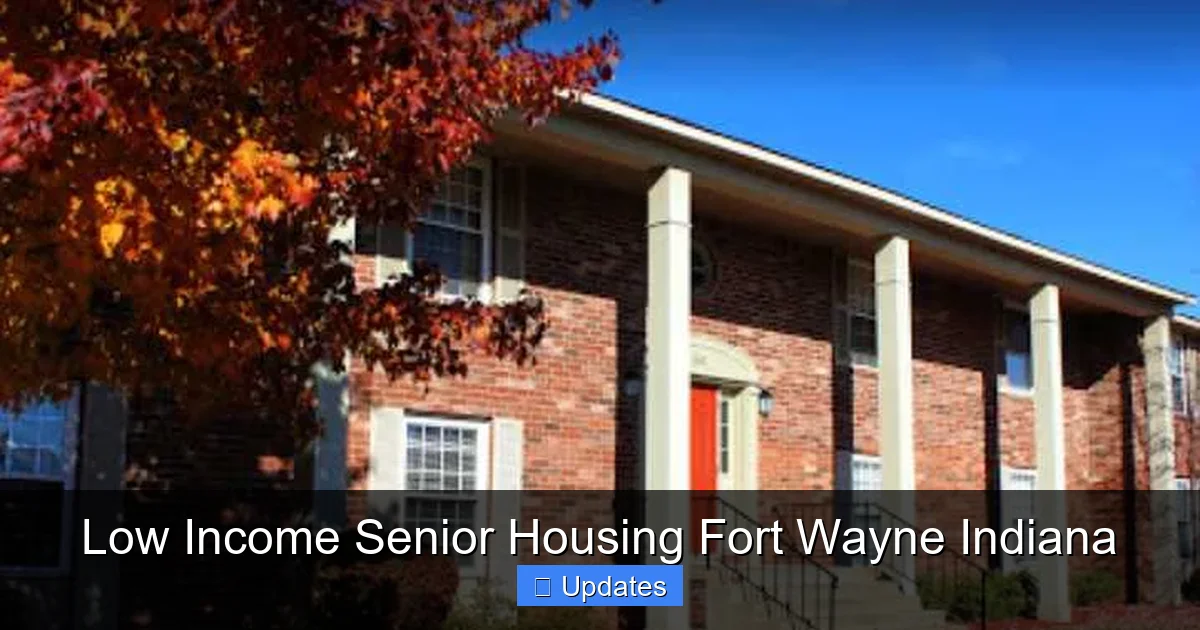
Visual guide about Low Income Senior Housing Fort Wayne Indiana
Image source: lowincomehousing.us
Lutheran Social Services – Senior Living Communities
One of the most respected names in compassionate senior care, Lutheran Social Services operates several affordable apartment complexes throughout Allen County. Their low income senior housing options in Fort Wayne often feature:
– One- and two-bedroom units
– On-site case management
– Transportation to medical appointments
– Weekly group meals and wellness programs
Residents typically pay between $400–$900 per month, well below Fort Wayne’s average rent for comparable units. Application requires proof of income, identification, and a background check. While waitlists exist, Lutheran Social Services actively works with local churches and volunteers to expedite placements when possible.
Allen County Housing Authority (ACHA)
As the official public housing authority for Fort Wayne and surrounding areas, ACHA administers both public housing and Section 8 voucher programs. Their senior-friendly developments include:
– Brookside Village: Fully accessible units with emergency call systems
– Pine Ridge Apartments: Ground-floor living with grab bars and roll-in showers
To apply, visit their office at 100 E. Superior St., Suite 200, or download forms online. Priority is given to seniors with disabilities, veterans, and those facing eviction elsewhere.
Community Partners for Affordable Housing
This nonprofit collaborates with developers to preserve existing affordable homes and build new ones. They manage several senior-only complexes in Fort Wayne, such as:
– Parkview Commons: Located near downtown, includes a community garden and walking paths
– Willow Creek Senior Residences: Features private balconies and pet-friendly policies
Applications open quarterly. Interested applicants should contact Community Partners directly—they offer multilingual support and home visits to assist with paperwork.
—
How to Qualify for Low-Income Senior Housing
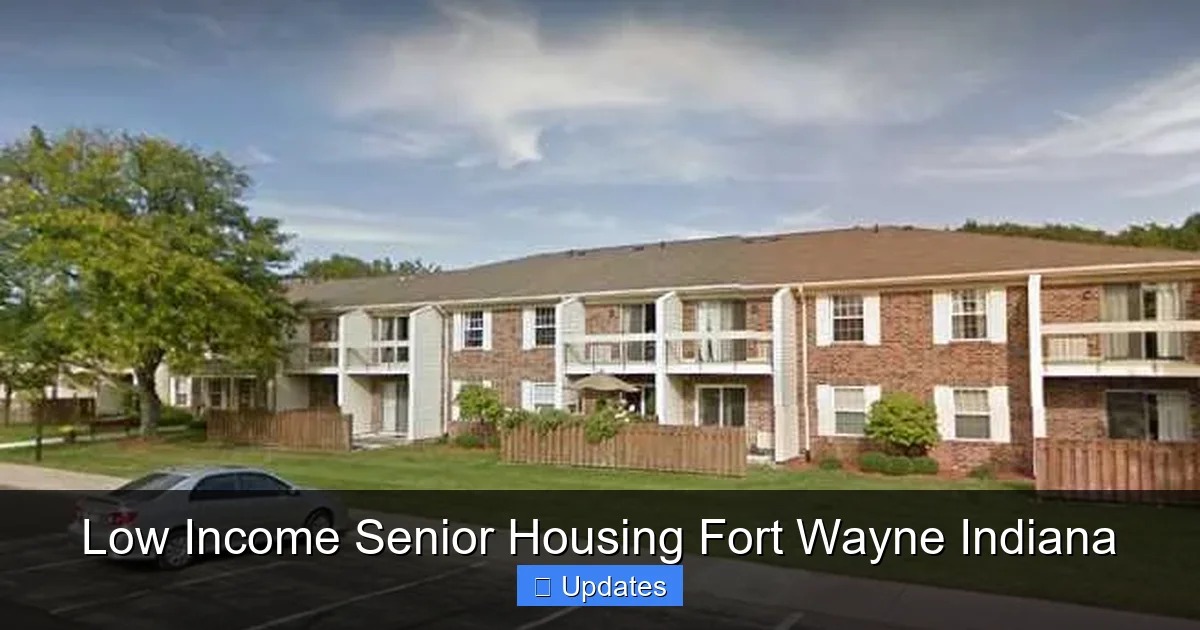
Visual guide about Low Income Senior Housing Fort Wayne Indiana
Image source: lowincomehousing.us
Eligibility Requirements
While exact rules vary slightly by property, most low income senior housing in Fort Wayne requires:
– Age 62+ (some accept 55+ with disabilities)
– Proof of residency in Allen County
– Household income under 50% AMI
– Clean criminal background (excluding minor offenses)
– No outstanding debts owed to previous landlords
Note: You don’t need to be disabled to qualify—just meet the age and income requirements. However, having a documented disability can sometimes speed up the process due to additional service offerings.
Gathering Required Documents
Be prepared to submit:
– Government-issued ID (driver’s license, passport)
– Recent tax returns or benefit statements (Social Security, SSI, pension)
– Bank statements from the last 60 days
– Lease agreement or eviction notice (if currently homeless)
– Physician’s note (only required for certain disability-based programs)
Tip: Keep digital copies of everything! Many agencies now upload documents online, and scanning saves time during follow-up calls.
Application Tips That Actually Work
– Apply early and often: Even if a waitlist is full, submit your info—new units open monthly.
– Follow up weekly: Call or email to confirm receipt and ask about next steps.
– Bring a friend or family member: They can advocate for you during interviews and help remember details.
– Ask about “preferred applicant” lists: Some properties reserve spots for veterans or former tenants.
—
Support Services That Make a Difference
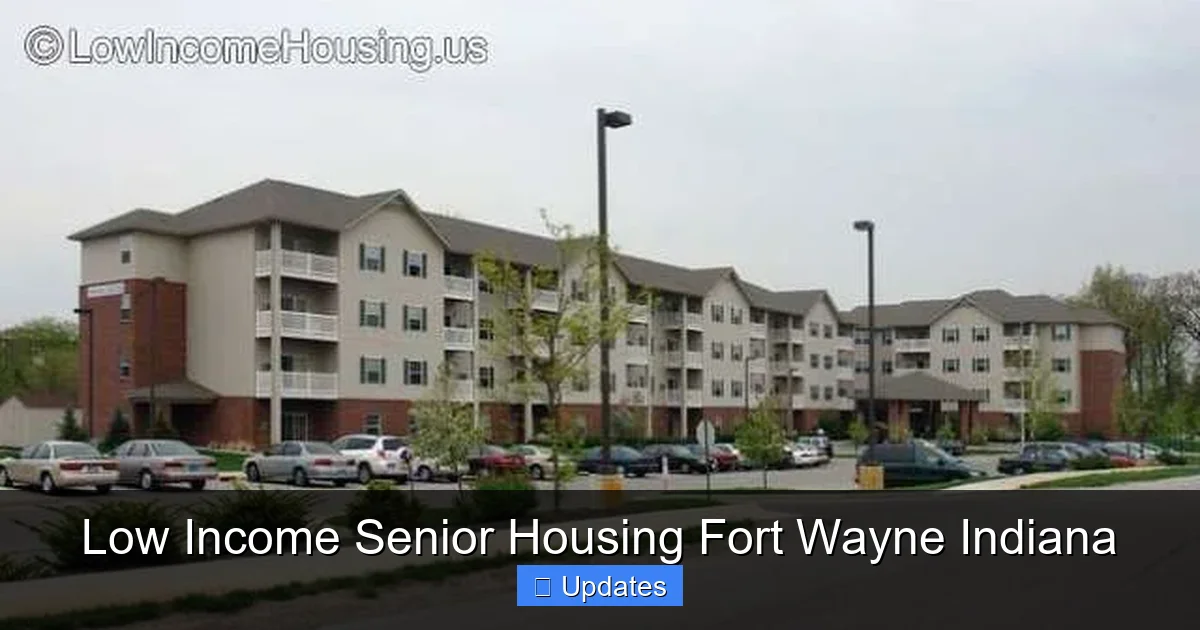
Visual guide about Low Income Senior Housing Fort Wayne Indiana
Image source: lowincomehousing.us
Nutrition and Meal Programs
Hunger is a silent crisis among low-income seniors. Fortunately, many Fort Wayne senior housing communities partner with Meals on Wheels or local food pantries to deliver groceries or serve hot lunches daily. For example, Brookside Village residents enjoy breakfast and dinner Monday through Friday—included in their modest rent fee.
Healthcare Access and Wellness Checks
Regular health monitoring prevents small issues from becoming emergencies. Several affordable housing sites host visiting nurses, offer blood pressure screenings, or coordinate rides to clinics. At Willow Creek Senior Residences, staff organize biannual flu shot clinics and mental health workshops.
Social Engagement and Activities
Loneliness harms physical and emotional well-being. Top-rated low income senior housing in Fort Wayne fosters connection through:
– Book clubs and movie nights
– Gardening cooperatives
– Volunteer opportunities (e.g., reading to kids at schools)
– Holiday celebrations with neighbors
These activities reduce isolation and improve overall satisfaction—even on tight budgets.
—
Overcoming Common Barriers
Dealing with Long Waitlists
It’s frustrating, but waitlists aren’t infinite. Strategies include:
– Applying to multiple properties simultaneously
– Checking back monthly—sometimes cancellations happen unexpectedly
– Asking if they accept referrals from other agencies
Also consider backup plans: Temporary shelter through United Way (dial 211), shared housing with another senior, or downsizing temporarily until a spot opens.
Navigating Language or Tech Barriers
Not everyone speaks English fluently or uses smartphones. Helpful resources:
– ADRC (Aging & Disability Resource Center): Offers free interpreter services and tech training for seniors
– Lutheran Social Services: Staff speak Spanish, Arabic, and Hindi
– Public libraries: Free computer labs and assistance with online forms
Don’t hesitate to request accommodations—federal law requires them!
Understanding Pet Policies
Many seniors consider pets essential companionship. Surprisingly, several Fort Wayne low income senior housing options now allow cats or small dogs—often with a refundable deposit. Always ask upfront though: some buildings restrict breeds or limit animal weight.
—
Financial Planning and Additional Assistance
Rent Calculation Explained
Under HUD rules, residents pay no more than 30% of their adjusted gross income toward rent and utilities. If your monthly income is $1,500, your rent would max out at $450—even if the fair market rent is $1,200. This protects seniors from sudden cost spikes.
Some properties include utilities in the base rent (like heat or water), while others charge separately. Clarify this during tours to avoid surprises.
Other Ways to Reduce Costs
– Utility Assistance Program (LIHEAP): Covers heating/cooling bills for qualifying seniors. Apply through ADRC.
– Property Tax Exemptions: Indiana offers a 100% exemption for homeowners over 65 who meet income limits.
– Home Repair Grants: Nonprofits like Habitat for Humanity rebuild homes or fix critical repairs at no cost.
—
Real Stories: Seniors Thriving in Fort Wayne
Take Margaret, 78, who moved into Parkview Commons after her husband passed away. “I was scared to leave my house alone,” she admits. “But now I have neighbors who check on me, free meals, and even a weekly shuttle to the grocery store. My rent is only $600—way less than I paid before.”
Then there’s James, 72, a Vietnam veteran using his VA pension to cover part of his stay at Brookside Village. “The staff helped me apply for LIHEAP,” he says. “Last winter, my gas bill would’ve been $400 without it. Now I just pay my portion.”
These stories show how low income senior housing in Fort Wayne isn’t just about saving money—it’s about restoring dignity, security, and community.
—
Where to Get Help in Fort Wayne
If you’re ready to take the next step, here are trusted local contacts:
– **Aging & Disability Resource Center (ADRC)**: (260) 447-7100 | www.adrcofallen.org
*Free counseling, application help, and caregiver support*
– **Lutheran Social Services**: (260) 420-2000 | www.lssindiana.org
*Multilingual intake specialists available*
– **United Way 211**: Dial 211 or visit 211indiana.org
*Connects you to shelters, food banks, and utility aid*
– **Allen County Health Department**: (260) 449-7400
*Offers health fairs and preventive screenings*
Pro tip: Schedule an appointment rather than showing up unannounced. Most agencies prefer scheduled visits to give you proper attention.
—
Final Thoughts: Your Right to Dignified Living
Affordable senior housing shouldn’t feel like a privilege—it should feel like a right. In Fort Wayne, countless organizations and caring individuals are working hard to ensure every older adult has a safe, welcoming place to call home. The journey may seem overwhelming at first, but you don’t have to do it alone.
Start by reaching out to one of the agencies above. Ask questions. Request forms. Visit a property. And remember: persistence pays off. New units open every month, and someone will always be ready to welcome you with kindness.
You deserve stability, comfort, and connection—no matter your income level. In Fort Wayne, those things aren’t out of reach.
—
Frequently Asked Questions
What is the income limit for low income senior housing in Fort Wayne?
Most programs require household income at or below 50% of Allen County’s Area Median Income. For a single person, that’s around $31,450/year; for a couple, up to $42,750/year. Exact amounts depend on family size and specific property rules.
Are there any low income senior housing options in Fort Wayne that allow pets?
Yes! Several properties like Willow Creek Senior Residences and Parkview Commons now permit cats or small dogs with a refundable deposit. Always confirm breed and size restrictions before applying.
How long do waitlists typically last for Fort Wayne senior housing?
Wait times vary widely—from a few months to over two years—depending on demand and availability. Applying to multiple properties increases your chances of faster placement.
Can I apply for senior housing if I have a criminal record?
Minor offenses (like traffic violations) rarely disqualify applicants. Serious crimes involving violence or fraud may prevent admission, but each case is reviewed individually. Ask the property manager directly.
Is transportation included in low income senior housing fees?
Many communities offer free or low-cost shuttles to medical appointments, grocery stores, or social events. Others partner with local transit providers for discounted passes. Confirm what’s included during your tour.
What should I bring when applying for senior housing in Fort Wayne?
Essential documents include government ID, recent bank statements, tax returns, and proof of income (Social Security, pension, etc.). Some properties also require a physician’s note or lease history if currently unhoused.